



Compact Oak Bookcase
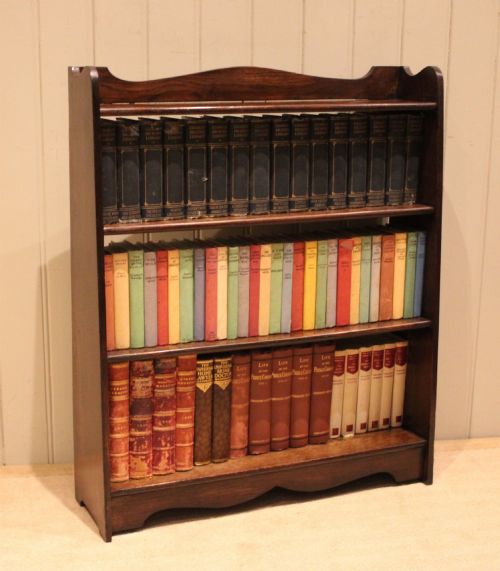
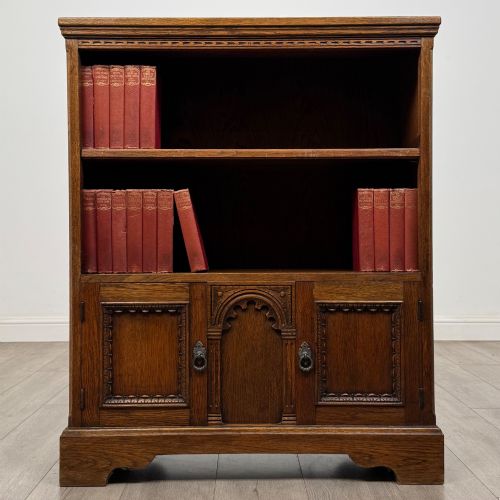
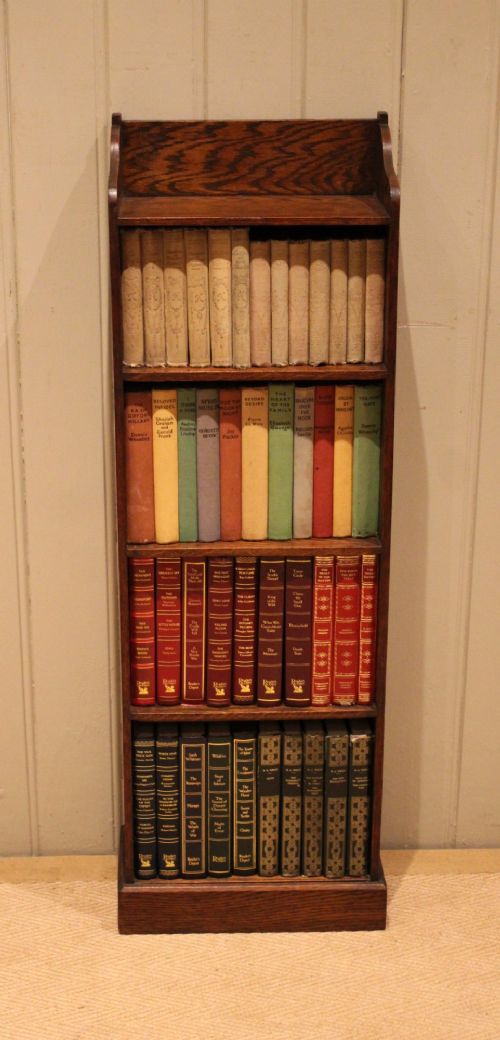
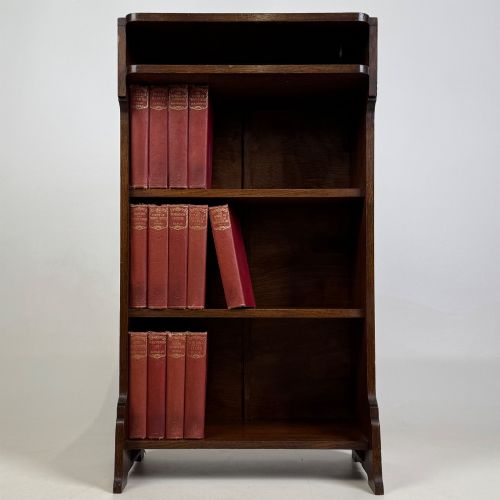
A compact oak bookcase is a practical piece of domestic furniture built to hold books in limited spaces.
What they are
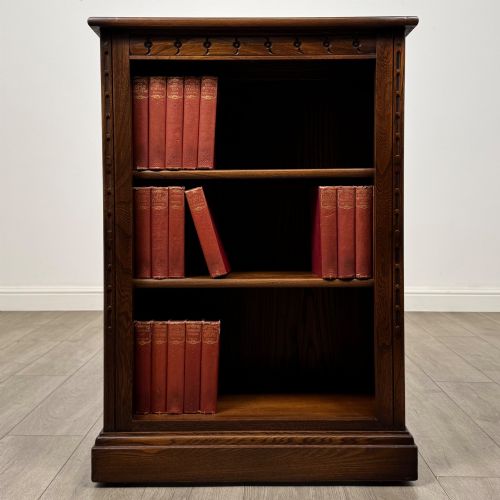
A compact oak bookcase offers sturdy timber shelving for home libraries while occupying a minimal footprint. These small units suit modest rooms where full-height joinery proves too imposing.
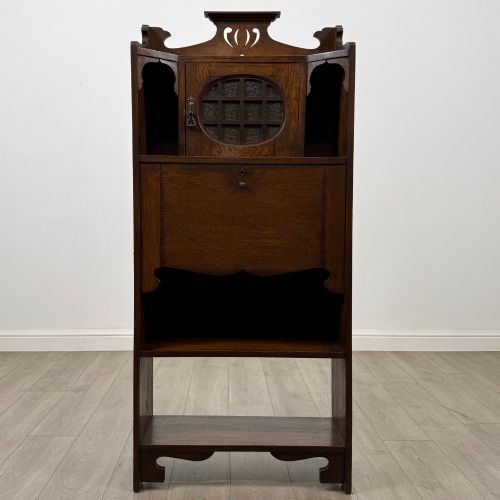
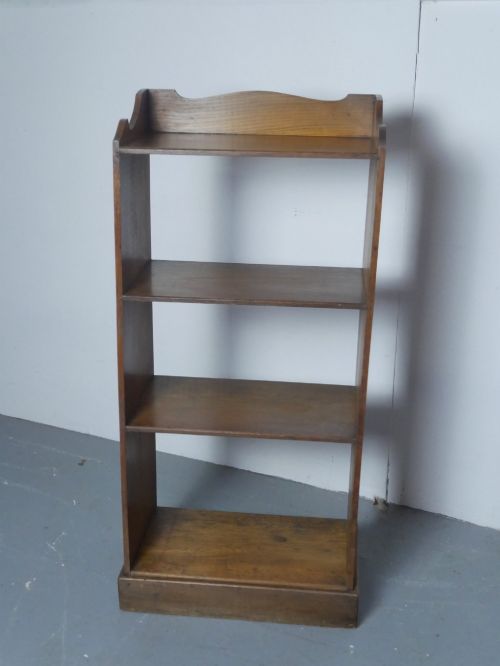
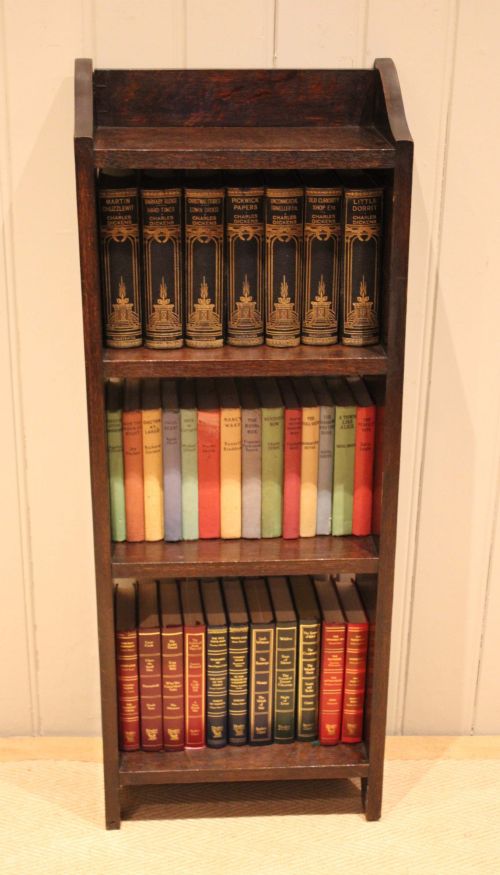
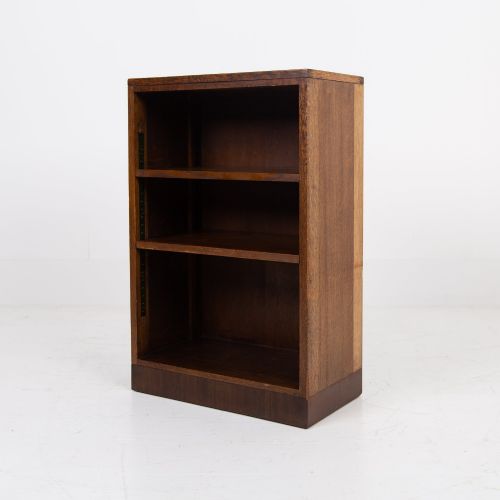
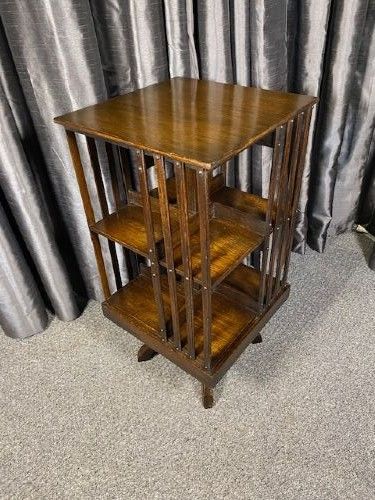
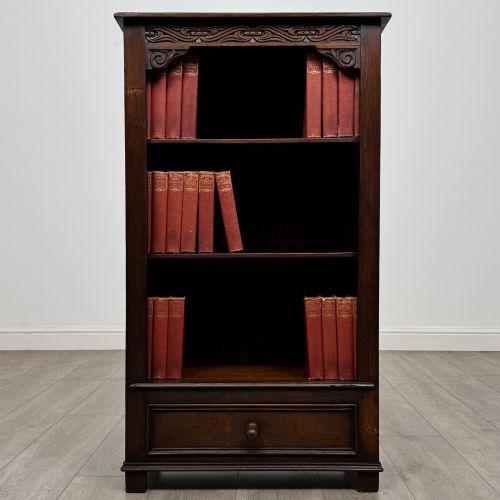
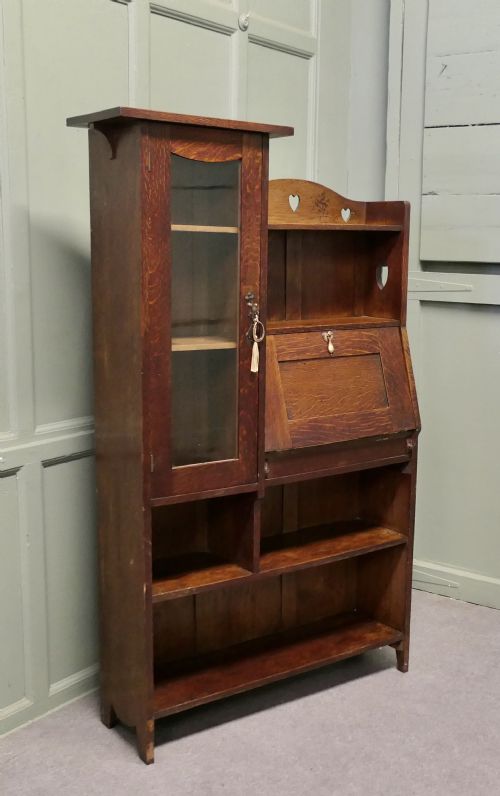
The pieces on this page span the Edwardian era through to the nineteen-twenties. Forms include open shelved designs, angled formats, and bureau combinations.
Makers such as Liberty and Co produced fitted workspace variations alongside standard open shelving. Most examples found here date from nineteen-ten to nineteen-twenty.
How they were made
Construction relies upon solid oak timber combined with metal fixings for structural support. Carpenters shaped these materials into small open bookcases designed for daily domestic utility.
Edwardian workshops and later nineteen-twenties cabinet makers utilised traditional woodworking joints. The visible grain of the oak provides the primary decorative surface.
Retail Price Guide 2026
Typical UK retail prices for compact oak bookcase, calculated from the Sellingantiques database of over a million retail prices indexed since 2003. This retail price guide relies exclusively on Sellingantiques data; no external sources or auction records are used, so the figures do not describe the wider market.
Some past pieces cleverly combined a sloping writing desk with your bookshelf, proving that Victorians loved multitasking just as much as we do.
What varies in quality
Quality rests upon the selection of timber and the precision of the carpentry. Plain utilitarian examples differ significantly from pieces bearing the mark of notable firms like Liberty and Co.
Design sophistication distinguishes the simpler open shelves from complex bureau bookcase variants. The integrity of the oak structure determines the lasting merit of each piece.
Liberty and Co
The Compact Oak Bookcase Glossary
- Oak
- A heavy, durable hardwood with a prominent grain pattern used extensively in traditional cabinet making. It forms the primary structural material for all pieces listed here.
- Edwardian
- The architectural and decorative style period spanning from nineteen-one to nineteen-ten. Pieces from this era often feature lighter proportions than their Victorian predecessors.
- Bureau bookcase
- A dual-purpose piece combining a sloping writing desk with integrated book shelving. This form provides both workspace and storage in a compact footprint.
- Arts and Crafts
- A design movement prioritising traditional craftsmanship and simple forms over mass production. Pieces reflecting this style emphasise honest construction and materials.
Frequently Asked Questions
What periods do these bookcases come from?
The available pieces originate from the Edwardian period and the nineteen-tens and nineteen-twenties. These dates reflect early twentieth-century domestic furniture production.
Craftsmen during this era built smaller bookcases to suit the changing proportions of urban homes.
Are all these bookcases made of solid oak?
The listings show oak as the primary material used across all catalogued items. Metal is also present as a secondary material for fixings and hardware.
This combination ensures structural stability while maintaining the traditional timber appearance expected of the period.
How do I identify an Edwardian bookcase?
Edwardian pieces generally exhibit lighter framing and simpler decorative schemes than heavier nineteenth-century furniture. They focus on practicality and domestic utility.
The recorded items from this time rely primarily on the natural grain of the oak for visual interest.
What is the difference between open and bureau bookcases?
Open bookcases provide accessible shelving for book storage without any enclosed compartments. Bureau bookcases incorporate a writing surface alongside the shelving.
Both variants serve the same fundamental purpose of saving floor space in smaller rooms.