
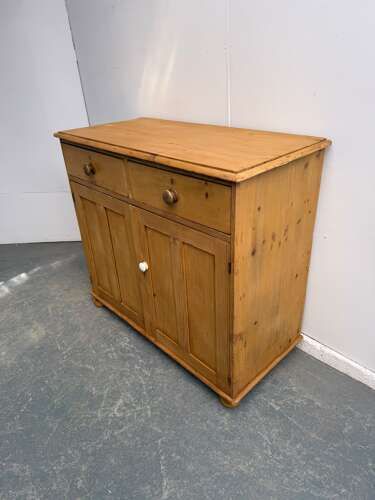
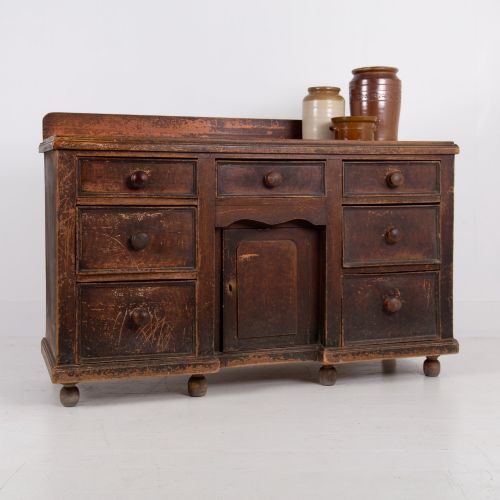

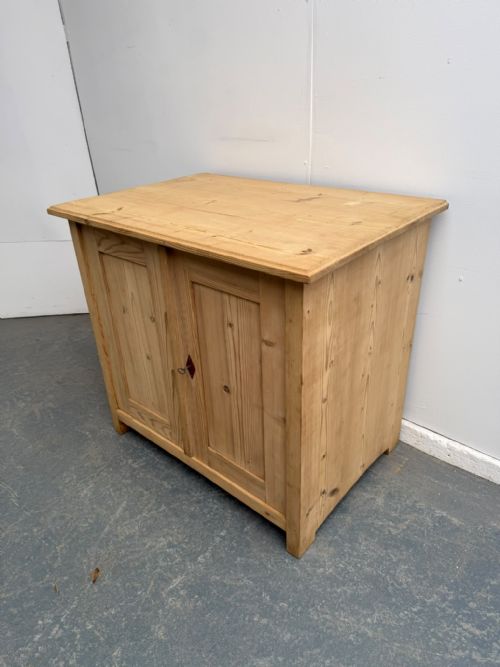
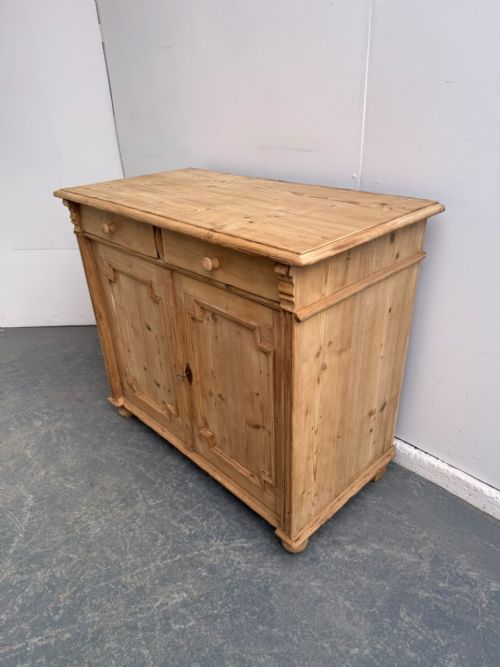


Traditional Pine Buffet
Traditional pine buffet pieces are sturdy utility storage items from rural and domestic settings, offering practical surface space and drawers suited to everyday use.
Traditional Pine Buffet
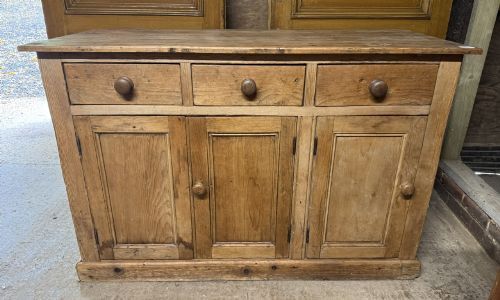
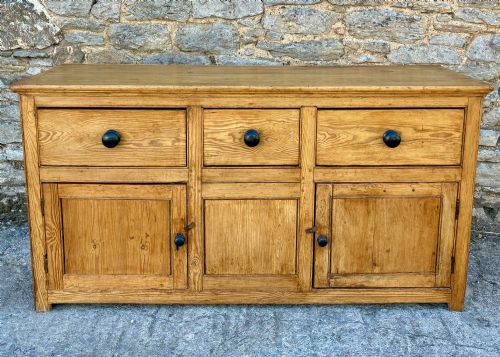
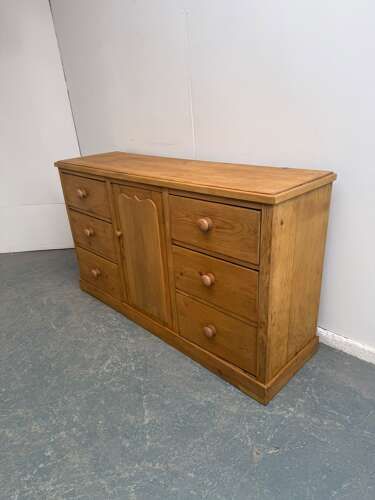
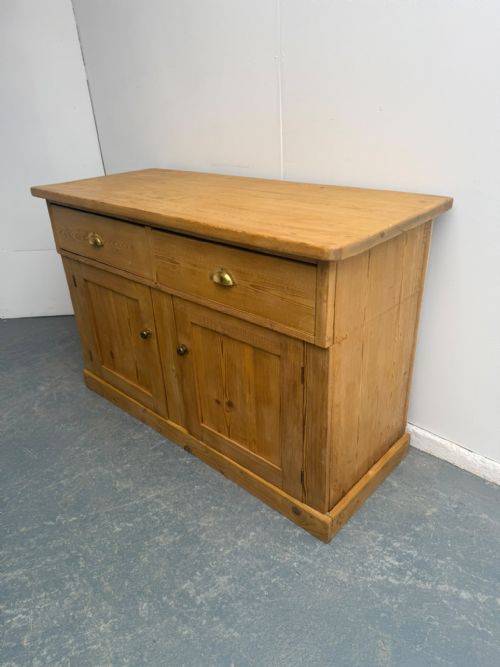
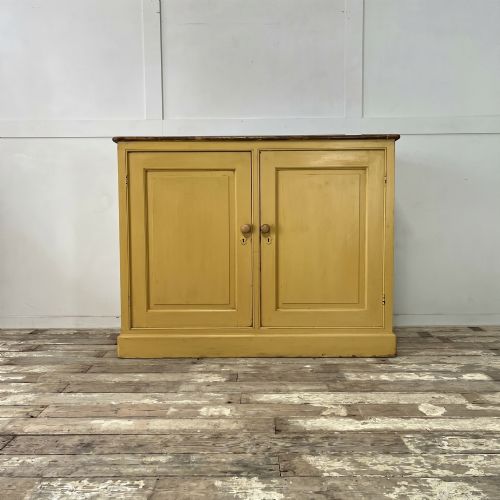
A traditional pine buffet typically appears as a low dresser base, cupboard, or sideboard designed for storage and serving within domestic kitchens and dining rooms. These functional items surface primarily in 19th Century and Victorian incarnations, reflecting the utilitarian needs of English, Welsh, and continental country houses.
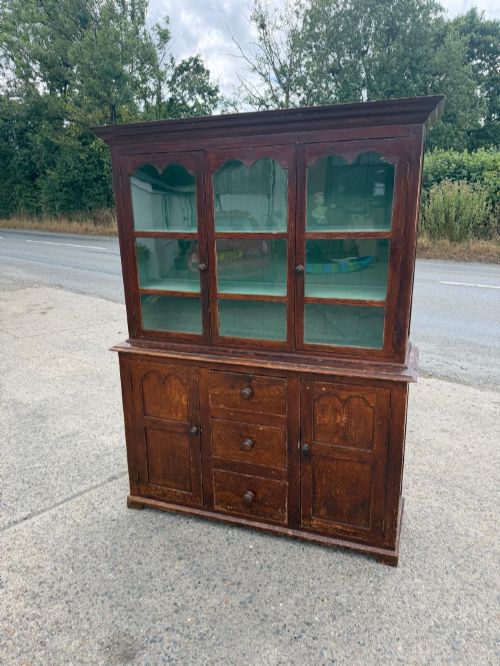
Buyers encounter variations ranging from simple two-door two-drawer waxed bases to large glazed top dressers and potboard iterations. Most listings feature vernacular forms built for heavy daily use, utilising local softwoods rather than high-status cabinet timbers.
How they were made
Constructed predominantly from solid pine, these pieces frequently incorporate secondary woods alongside functional brass and iron hardware such as hinges and drop handles. Surfaces arrive either stripped and waxed to reveal the natural grain, or retaining layers of original paint.
Joinery techniques focus on sturdy structural integrity, utilising pegged joints, dovetails for drawer construction, and panelled doors built to withstand decades of heavy household wear.
What varies in quality
Quality separates through the integrity of original surfaces and the proportion of the piece, with untouched period paint or patinated waxed finishes commanding distinct aesthetic interest. Proportion and scale govern the visual weight, distinguishing modest cottage cupboards from monumental country house dressers.
Structural honesty and the retention of original timber components, backboards, and hardware dictate the piece's character. Heavy alterations or mismatched replacement elements alter the domestic utility and visual continuity expected in vernacular furniture.
Melissa White
The Traditional Pine Buffet Glossary
- Dresser base
- A low sideboard or cabinet featuring drawers and cupboards beneath a serving surface, historically used in kitchens for food preparation and storage.
- Potboard
- An open lower shelf built into a dresser base, traditionally designed to hold heavy pots and domestic utensils off the floor.
- Chiffonier
- A compact sideboard featuring enclosed cupboards below a surface top, emerging during the 19th century for dining room storage.
- Waxed pine
- Timber treated with protective wax coatings to nourish the softwood and produce a soft sheen rather than a high gloss lacquer.
- Breakfront
- A cabinet or sideboard whose central section projects forward from the flanking outer sections, adding architectural depth to the design.
Traditional Pine Buffet: Frequently Asked Questions
What is a traditional pine buffet?
A traditional pine buffet functions as a utilitarian storage cabinet or dresser base built from softwood during the 18th, 19th, and early 20th centuries.
These pieces provide surface space, drawers, and lower cupboards designed for practical domestic use in country houses and rural kitchens.
How do I care for waxed pine?
Waxed pine surfaces require regular application of natural beeswax to nourish the softwood and maintain a protective barrier against moisture.
Avoid placing these items near direct heat sources or in damp environments to prevent timber movement and cracking.
Are these pieces painted or waxed?
Listings feature examples in both original historic paint finishes and stripped, waxed pine showing the natural grain of the wood.
Some pieces arrive ready to wax or paint, allowing buyers to adapt the finish to their specific interior scheme.
Where were these pieces made?
These utility items originate from English, Welsh, West Country, and Hungarian domestic settings, reflecting regional woodworking traditions.
Vernacular builders utilised local pine and straightforward construction methods suited to everyday rural and country house life.
What is the difference between a dresser and a buffet?
A buffet primarily functions as a low sideboard for serving food, whereas a kitchen dresser often includes upper shelving or a glazed top.
Both forms utilise robust pine construction and incorporate drawers and lower cupboards for storage.