

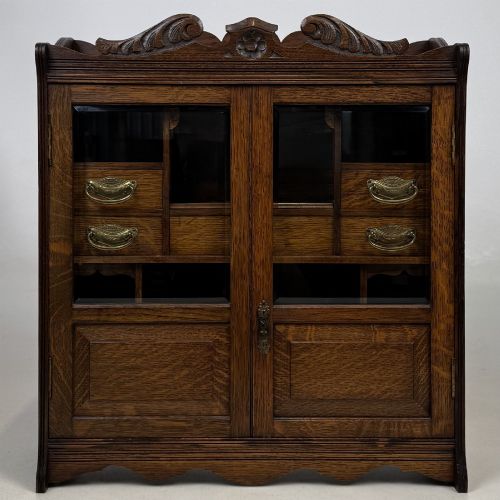
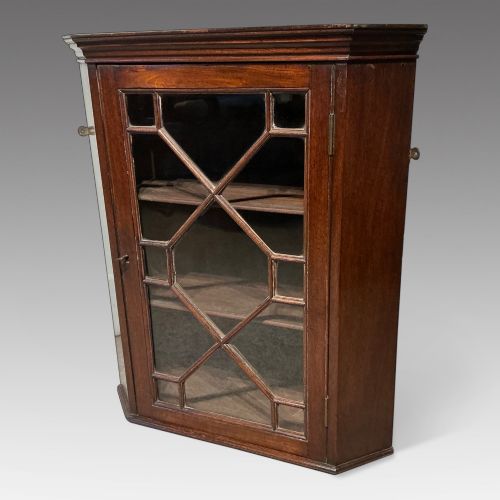
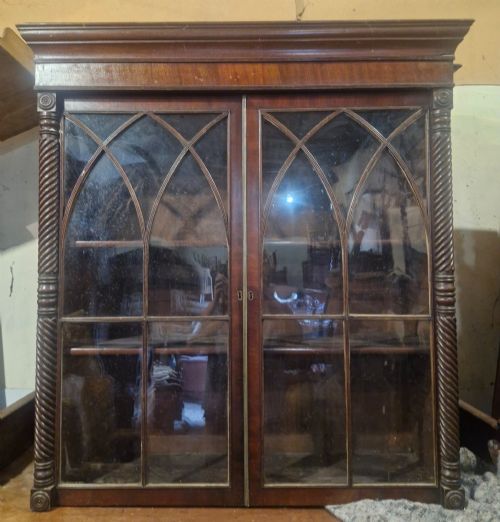
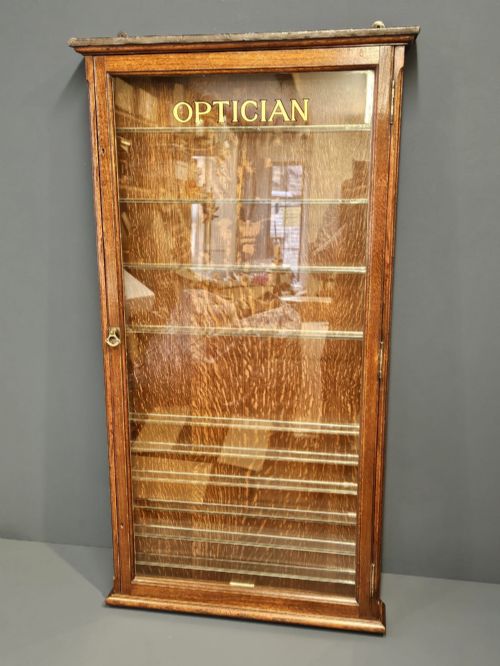




Glazed Wall Cabinet
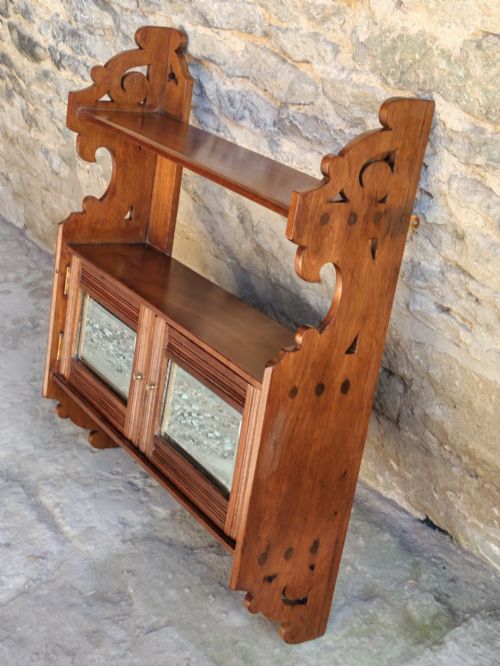
A glazed wall cabinet preserves and displays small treasures, combining timber frames with transparent panels to mount securely off the floor.
Glazed Wall Cabinet
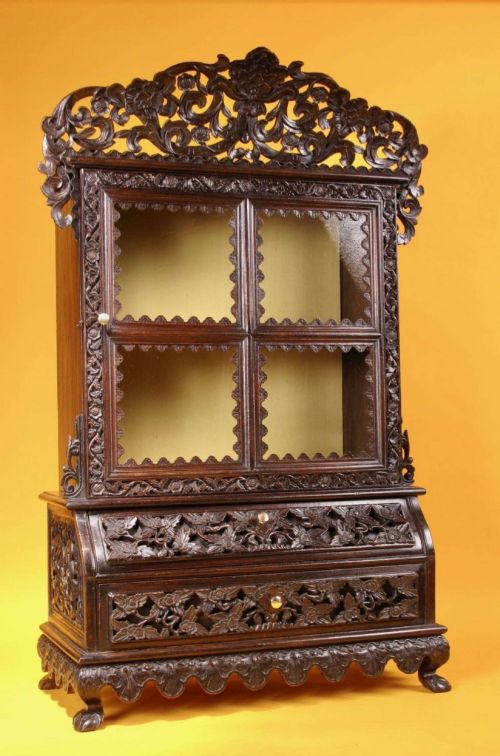
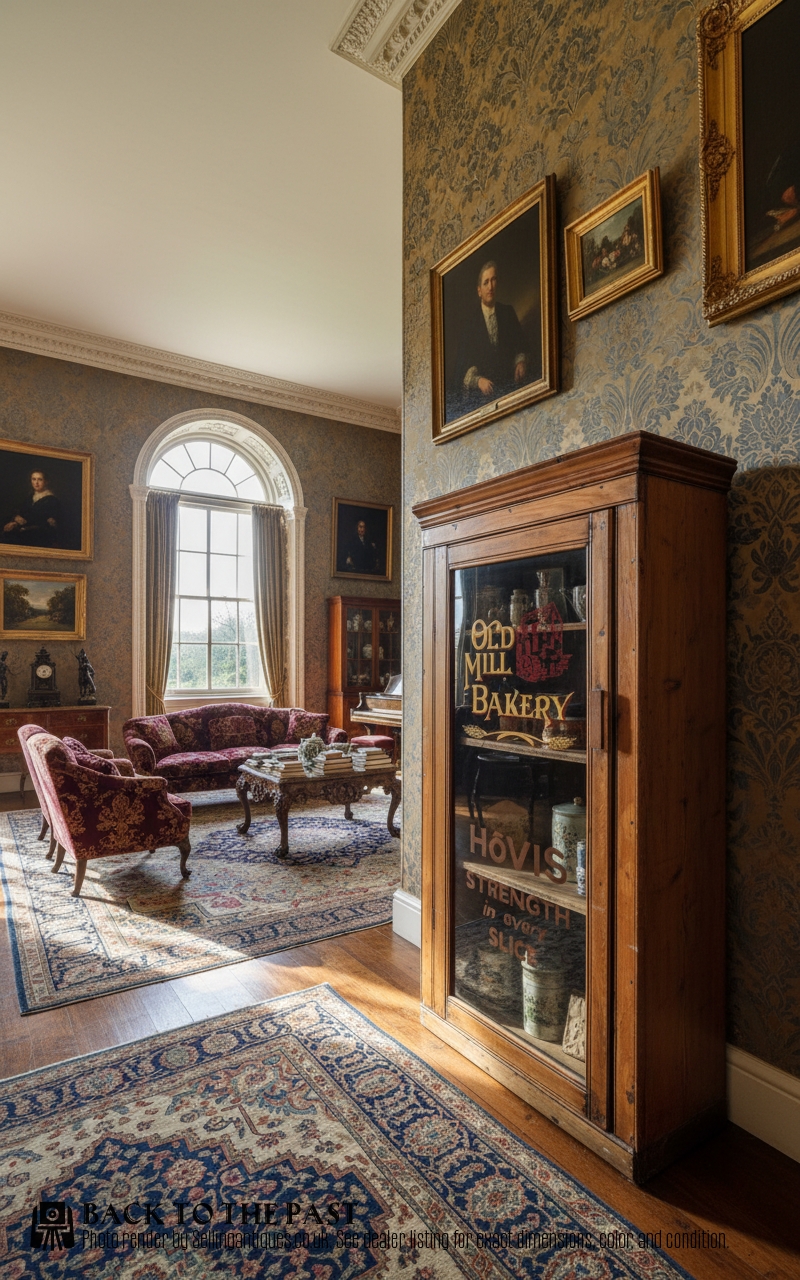
A glazed wall cabinet serves to organise and exhibit collections while saving floor space in domestic interiors. These pieces typically take the form of hanging cupboards, corner fixtures, or small vitrines designed to anchor directly to room partitions.
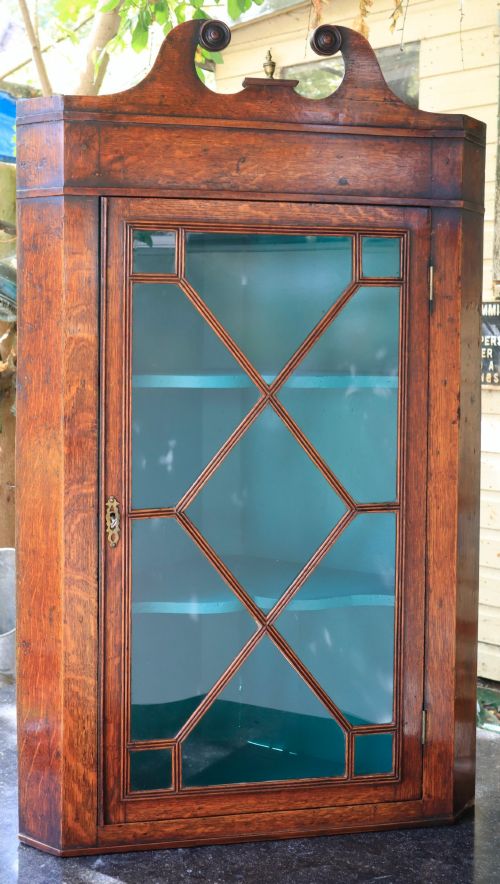
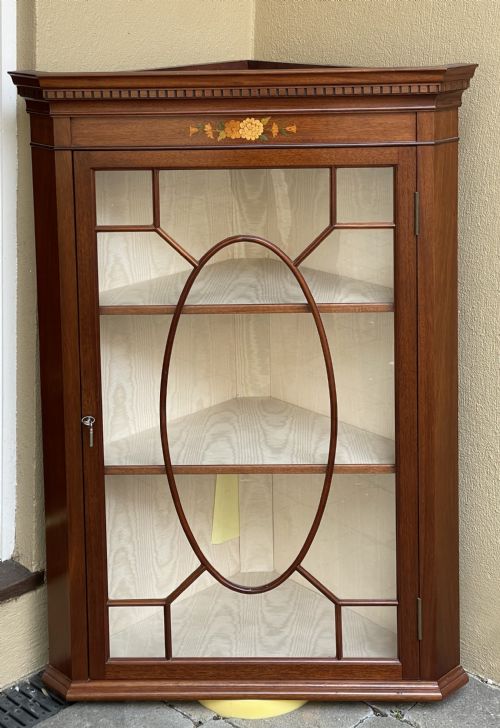
The versions most commonly met on this page span the Georgian, Victorian, and Edwardian eras, frequently constructed to fit snugly into room angles. Mahogany, oak, and walnut dominate the surviving examples, often fitted with single or double glass doors to protect the contents within.
Makers across the eighteenth and nineteenth centuries tailored these architectural fixtures for specific domestic roles, from holding precious ceramics to storing daily essentials. Buyers encounter both straightforward utilitarian pine pieces and ornate inlaid display furniture suited to formal reception rooms.
Materials and Construction Methods
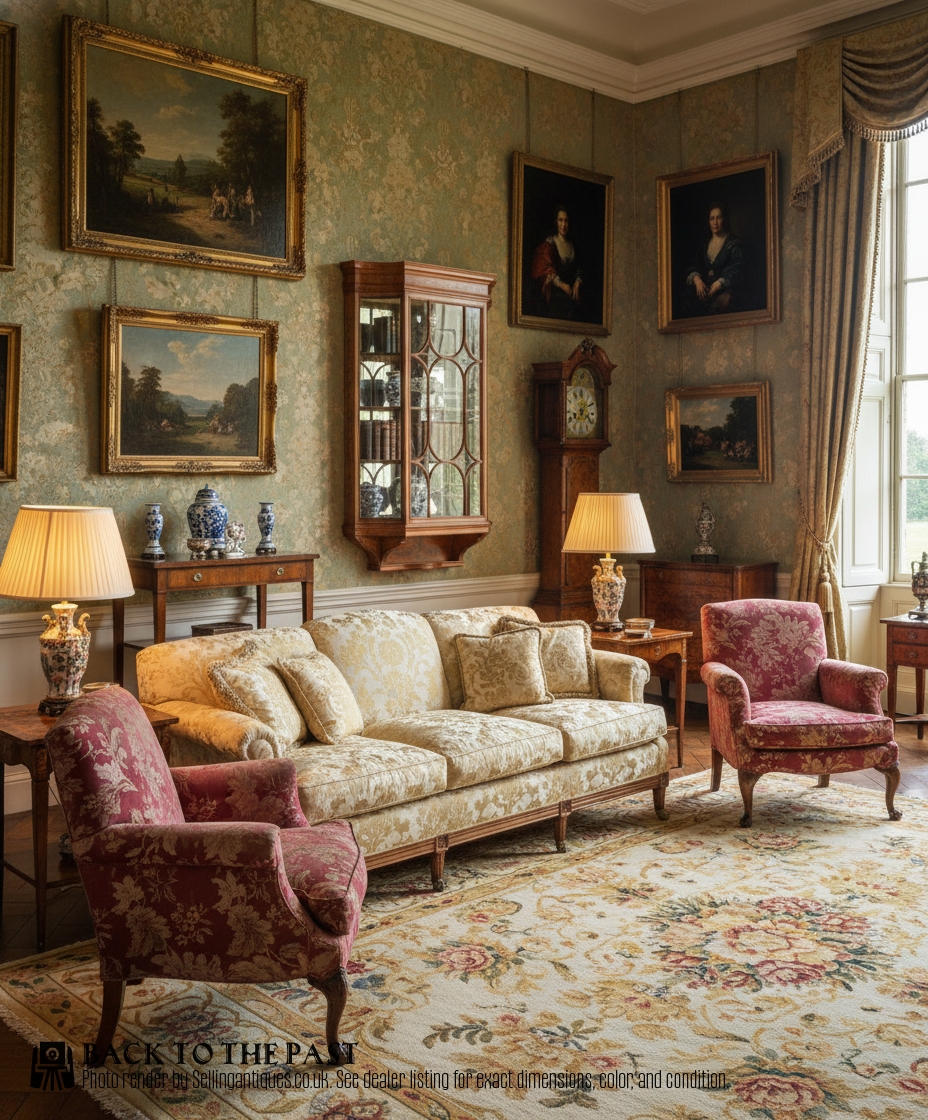
Cabinetmakers relied on sturdy hardwoods such as mahogany, oak, and walnut for the primary framework, supplemented by pine for internal shelving and backing boards. Timber selection dictated how heavily the structure could be carved or whether it could support delicate glazed door frames.
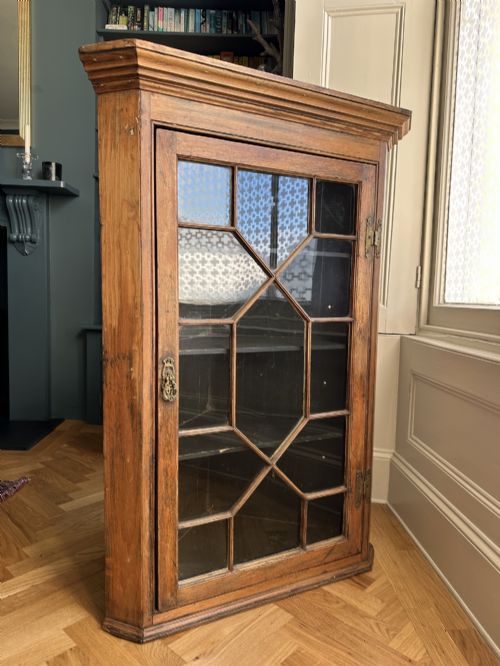
Glass panels were secured within wooden rebates using putty or wooden glazing bars, including astragal configurations that divided the light into multiple panes. Brass hinges, latches, and occasional mirrored interiors completed the construction, reflecting light through the displayed objects.
Glazed Wall Cabinet Retail Price Guide 2026
Typical asking prices for glazed wall cabinet among the pieces listed under this phrase on Sellingantiques today, from the lower quarter to the upper quarter. They describe what is for sale here now, not the wider market.
Distinctions in Quality and Craftsmanship
The standard of a glazed wall cabinet rests upon the precision of its joinery, the choice of timber figurations, and the delicacy of its glazing bars. Superior pieces feature carefully selected veneers, fine dovetail joints, and hand-drawn glass rather than uniform modern replacements.
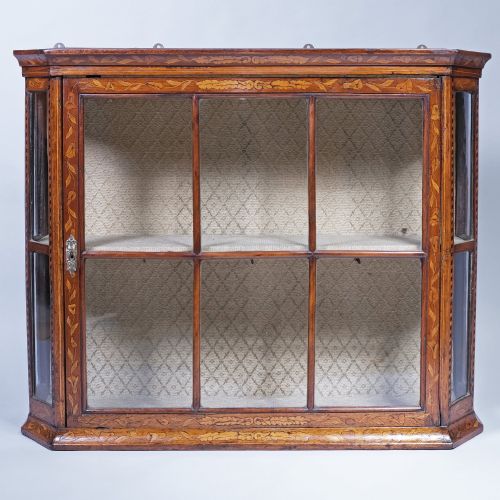
Decorative elaboration also separates standard utility pieces from high-status commissions. Subtle marquetry inlays, carved mouldings, and original brass hardware elevate the visual weight of the cabinet, indicating the skill of the original workshop.
John Ridgway·Clarice Cliff·Liberty and Co·Minton
The Glazed Wall Cabinet Glossary
- Astragal glazed
- A method of framing glass where thin wooden mouldings divide the window into smaller geometric panes. This traditional technique provides structural rigidity while creating a classic grid pattern across the door.
- Corner cabinet
- A specialised storage piece built with a triangular footprint designed to fit neatly into the junction of two walls. These units maximise room capacity in smaller domestic spaces.
- Marquetry
- The art of applying decorative veneer pieces in wood to form intricate pictorial or geometric patterns on furniture surfaces. It appears frequently on high-status eighteenth-century cabinet doors.
- Vitrine
- A glass-fronted display cabinet intended specifically for showcasing ornaments, porcelain, or curiosities. The term implies a primary focus on visibility from multiple angles.
- Gothic Revival
- A nineteenth-century design movement that reinterprets medieval architectural motifs such as pointed arches and pointed tracery. Pieces in this style often incorporate heavy carvings and dramatic silhouettes.
Glazed Wall Cabinet: Frequently Asked Questions
Were these cabinets originally meant for corners or flat walls?
Makers produced both flat-backed wall units and specialised corner cupboards to suit the architecture of period rooms. Corner cabinets were particularly popular in Georgian and Edwardian interiors for utilising awkward spatial junctions.
Flat wall cabinets offer a wider frontal display area, whereas corner units project outward into the room along two adjacent planes. Understanding this distinction helps in planning where the piece will sit within a modern domestic layout.
How can I tell the difference between Georgian and Victorian glazed cabinets?
Georgian cabinets typically exhibit restrained proportions, timber choices like figured mahogany or oak, and fine astragal glazing bars. Their construction focuses on architectural harmony and subtle detailing without excessive ornamentation.
Victorian examples often introduce darker walnut, heavier mouldings, applied carvings, or elaborate inlay work reflecting industrial production methods and changing aesthetic tastes. Examining the interior timber and backboards often reveals the manufacturing era more clearly than the exterior style alone.
Can I adjust the shelves inside an antique wall cabinet?
Most antique glazed wall cabinets feature fixed wooden shelving supported by internal wooden battens or vertical dado grooves. Because these fixtures were built as singular permanent structures, altering shelf heights is rarely straightforward.
Buyers should measure their tallest display items carefully against the fixed shelf clearances before purchasing. Trying to modify historic joinery risks compromising the structural integrity of the cabinet body.