





Antique Corner Display
An antique corner display turns forgotten room junctions into focal points, housing treasured objects in tailored timber housings.
Antique Corner Display
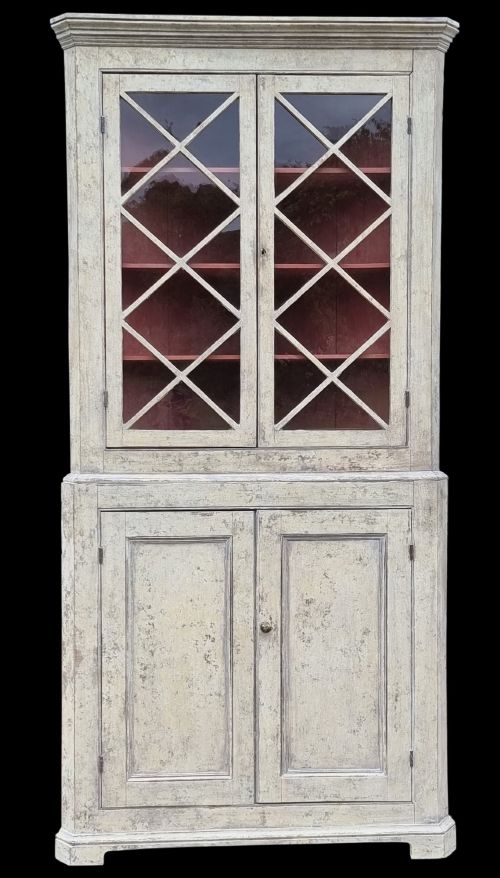
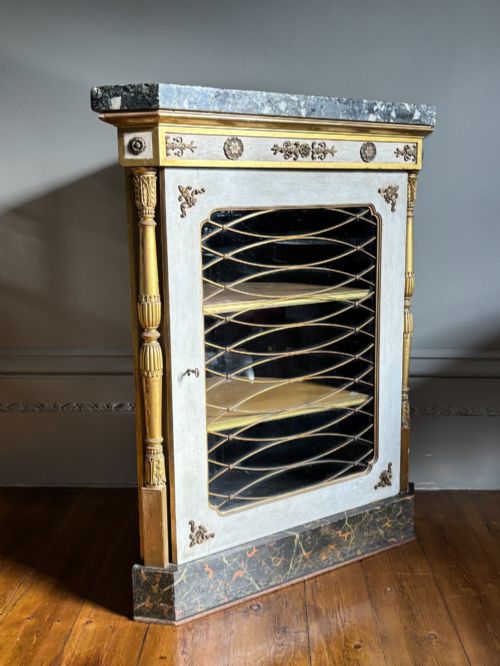
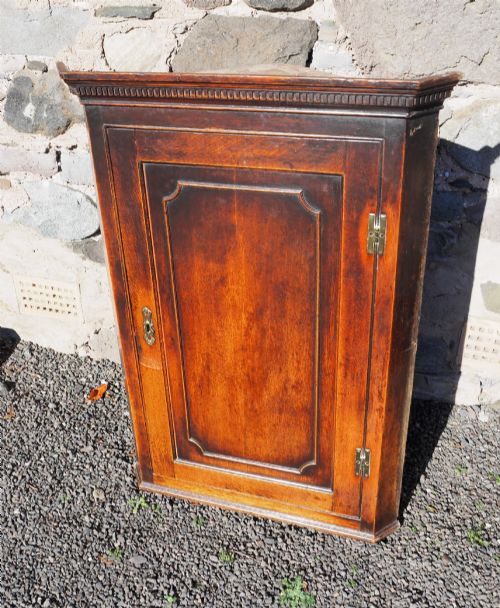
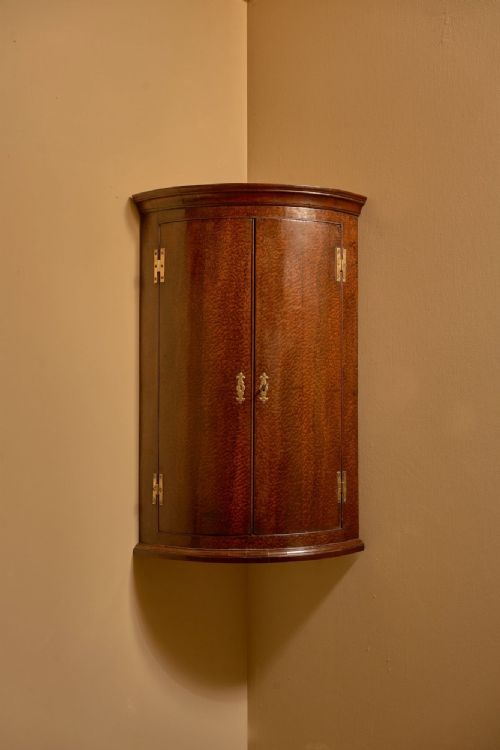
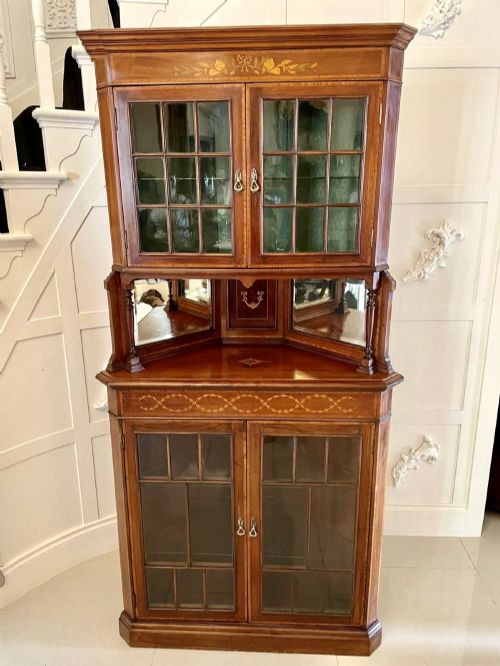
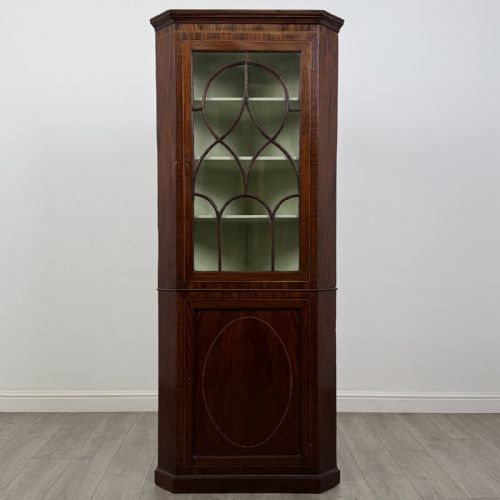
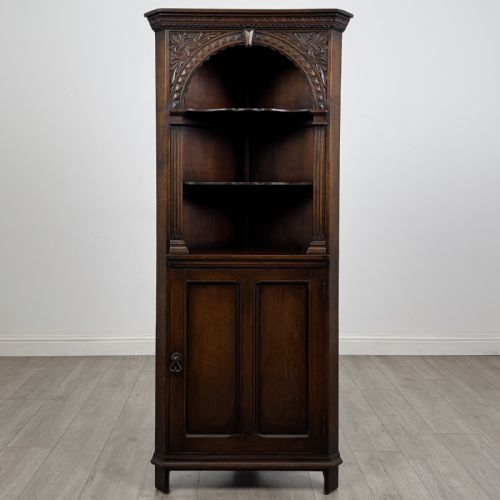
When you search for an antique corner display, you encounter a specialised form of furniture designed to fit neatly into the ninety-degree angle of a room. These pieces range from wall-hanging cupboards to tall floor-standing cabinets and multi-tiered open shelves known as whatnots.
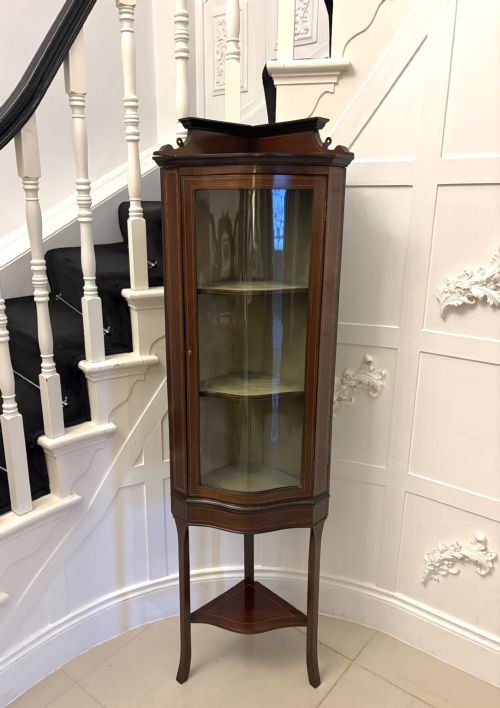
The evidence shows examples spanning from the eighteenth century through the Georgian and Regency eras to the Victorian period and Edwardian times. You will frequently meet glazed wall cabinets and mahogany floor-standing cupboards tailored to make efficient use of difficult architectural spaces.
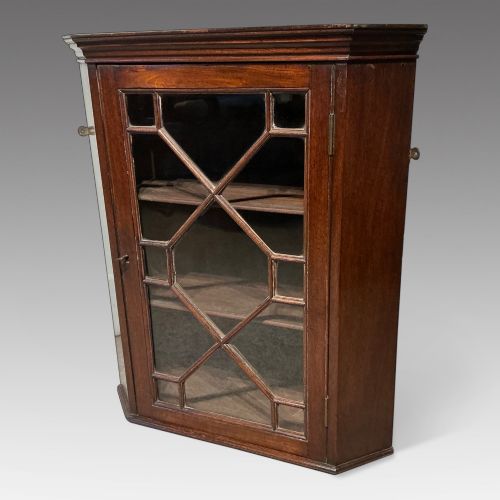
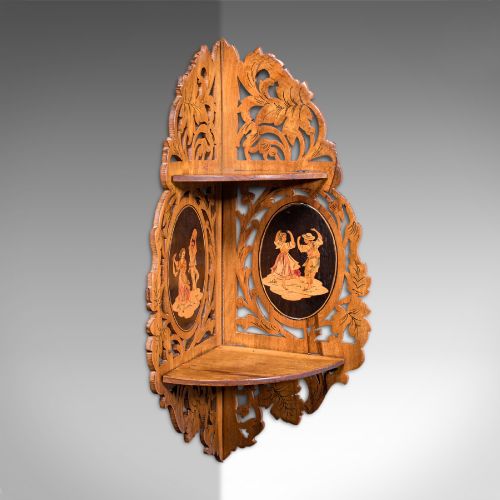
Makers and craftsmen utilised varied formats including bow fronts, serpentine shapes, and double-height configurations to maximise both storage and visibility. Open stands with tiers offer space for ornaments, while glazed doors protect glassware and ceramics from dust.
Materials and construction
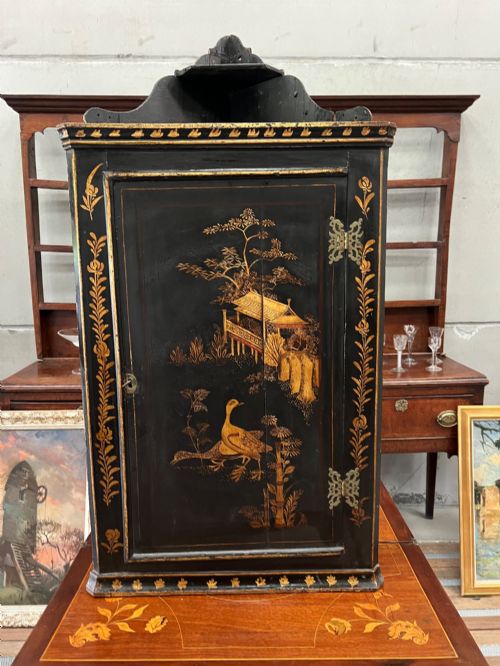
Makers constructed these cabinets predominantly in mahogany, walnut, and oak, often applying decorative inlay, satinwood, or painted wood finishes to enrich the surfaces. Glazed doors incorporate brass hardware, locking mechanisms, keys, and occasionally gold leaf details or gilt gesso.
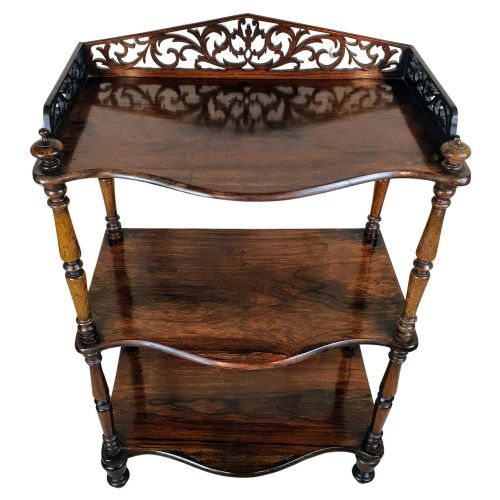
Open tiers on whatnots utilise turned supports and structural uprights to bear the weight of multiple display levels securely. Interior arrangements frequently feature fixed or adjustable timber shelving to accommodate varied collections of porcelain and glassware.
Antique Corner Display Retail Price Guide 2026
Typical asking prices for corner display among the pieces listed under this phrase on Sellingantiques today, from the lower quarter to the upper quarter. They describe what is for sale here now, not the wider market.
Listings feature woods including mahogany, walnut, satinwood, and oak, alongside painted and gilded finishes.
Assessing quality and craftsmanship
Quality reveals itself in the selection of timber figures, such as burr walnut and figured mahogany, paired with precise marquetry inlay and stringing. Superior examples demonstrate meticulous joinery in curved bow fronts and tight mitres where the cabinet meets the wall.
Finer pieces incorporate original glass panes, functional brass locks with matching keys, and delicate hand-painted decoration rather than mass-produced ornamentation. The weight distribution and stability of multi-tiered corner stands further separate standard utilitarian items from superior cabinet work.
Edwards and Roberts
The Antique Corner Display Glossary
- Whatnot
- A multi-tiered open shelf stand designed for displaying ornaments and small objects. These pieces often feature three or four vertical tiers supported by turned columns.
- Bow Front
- A convex, outwardly curved front facade common on sophisticated cabinets. This technique softens room angles and expands internal display volume.
- Marquetry
- Decorative woodwork where pieces of contrasting veneer are fitted into a ground material to form intricate patterns. It appears frequently on Edwardian inlaid furniture.
- Gilt Gesso
- A plaster-like material applied to wood surfaces and built up in relief before receiving gold leaf. This technique creates highly decorative frames and shelf details.
- Glazed
- Fitted with glass panes held in place by wooden glazing bars. This feature allows visibility while protecting interior contents.
Antique Corner Display: Frequently Asked Questions
Where do corner cabinets fit best?
These cabinets utilise unused room junctions, transforming empty angles into decorative display areas without blocking traffic flow.
Wall-hanging versions secure directly above side tables, while floor-standing units anchor larger dining rooms or studies.
How do I secure my cabinet?
Tall floor-standing and wall-hanging models require proper wall anchorage to prevent tipping, particularly when laden with heavy ceramics.
Many period pieces retain functional brass locks and keys to secure valuable contents safely.
What is a corner whatnot?
A corner whatnot is an open-tiered stand designed specifically to fit room angles for displaying ornaments and books.
Victorian examples often feature three to four graduated shelves supported by slender turned uprights.
How do I date these cabinets?
Dating relies on timber choices, construction techniques, and decorative styles characteristic of Georgian, Victorian, or Edwardian periods.
Mahogany and simple lines often suggest Georgian origins, while burr walnut and elaborate marquetry point to later Victorian or Edwardian craftsmanship.