

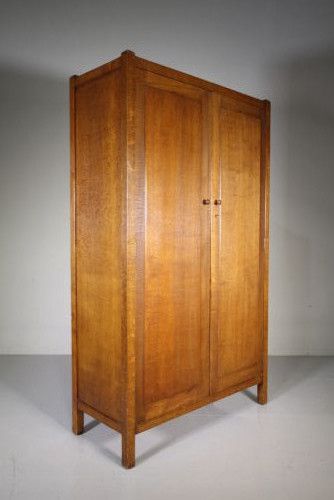
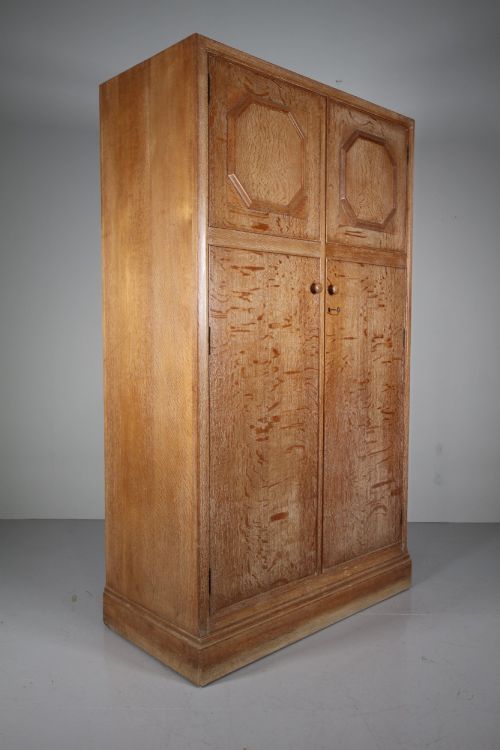
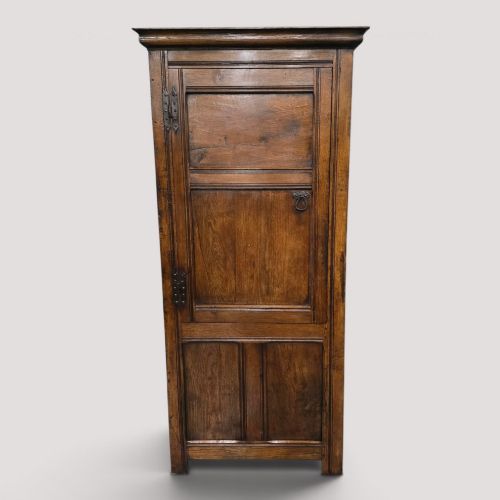
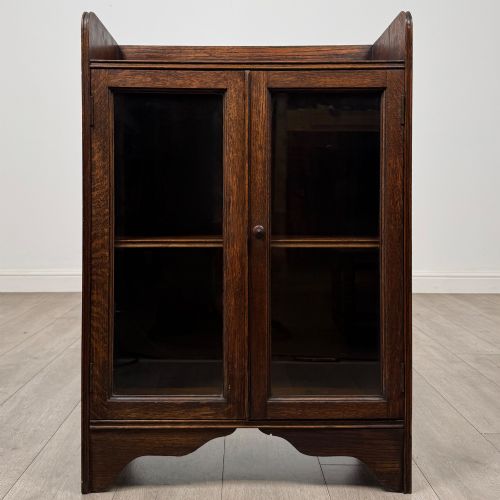
Solid Oak Cupboard
When you search for a solid oak cupboard, you are looking at centuries of functional storage shaped by regional cabinet-makers and major design movements alike.
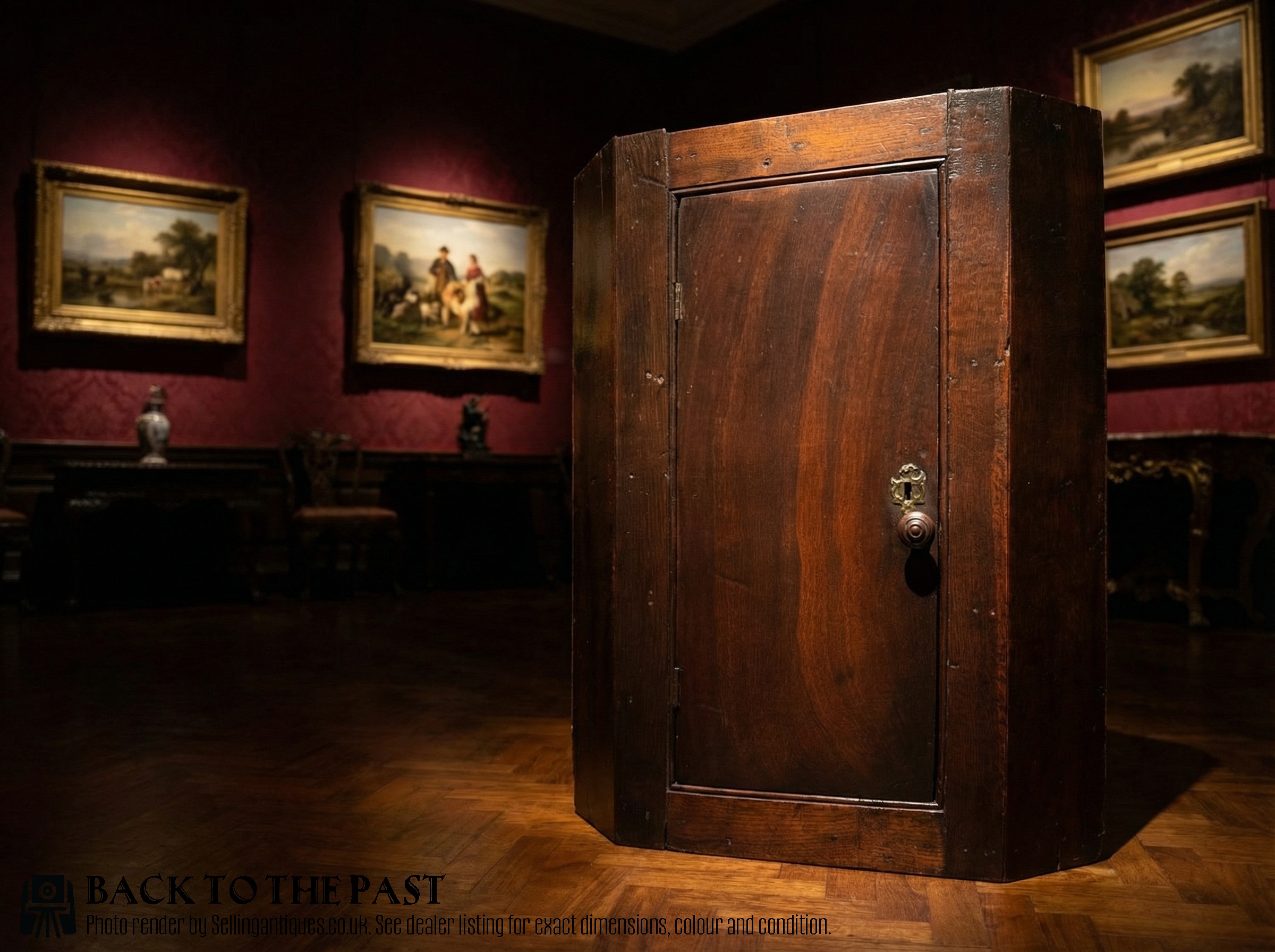
Solid Oak Cupboard
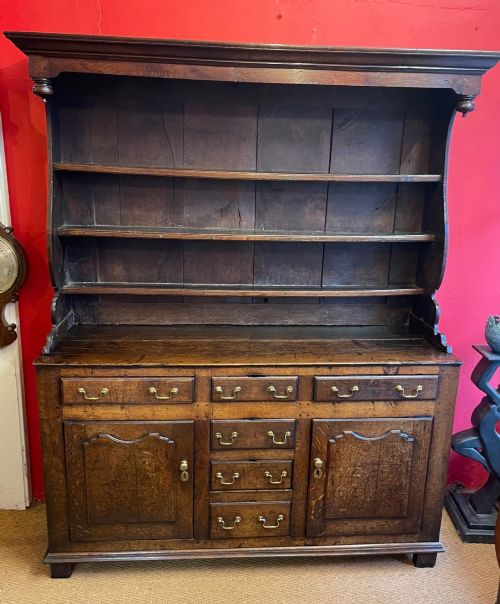
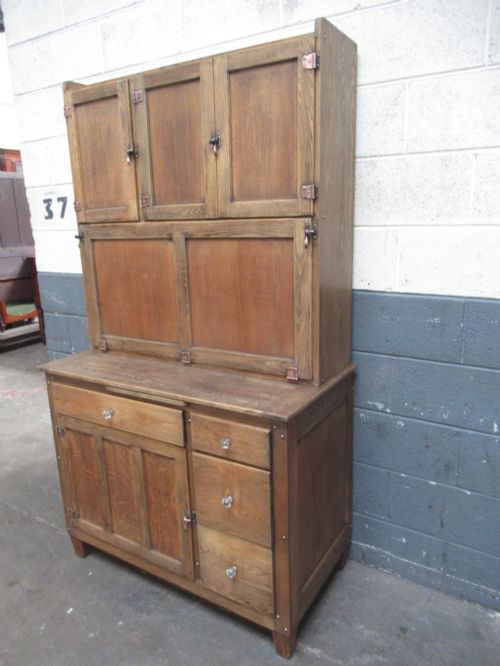
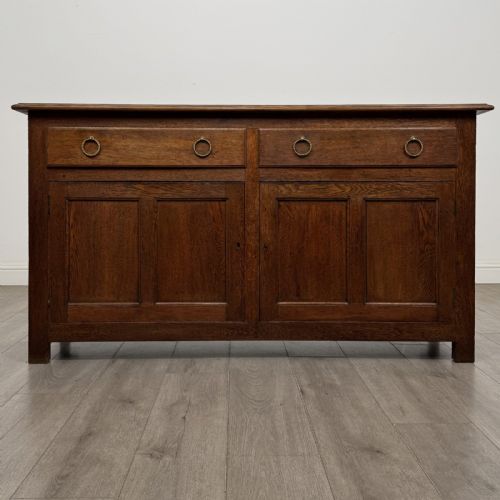
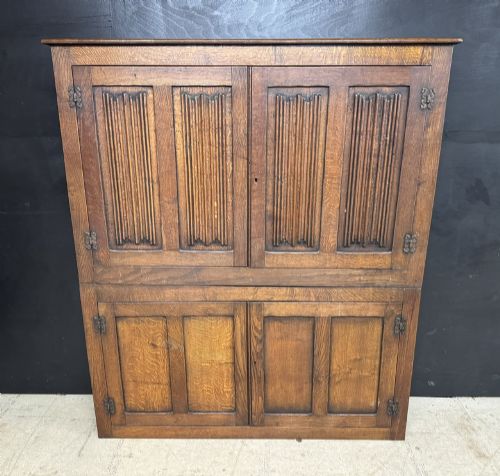
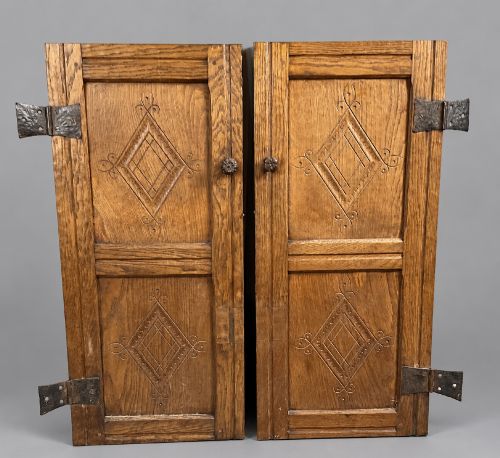
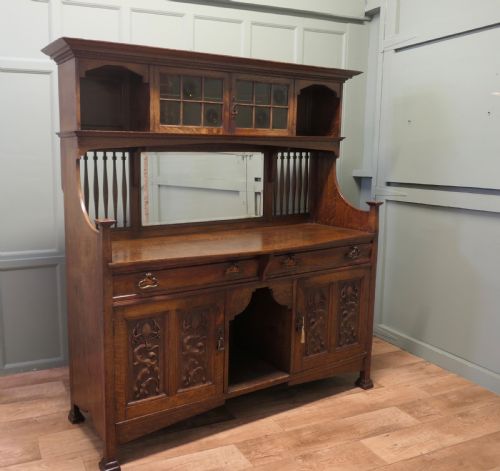
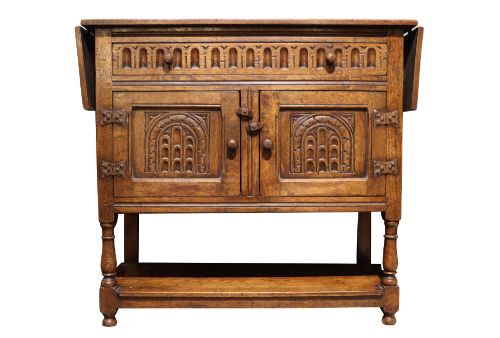
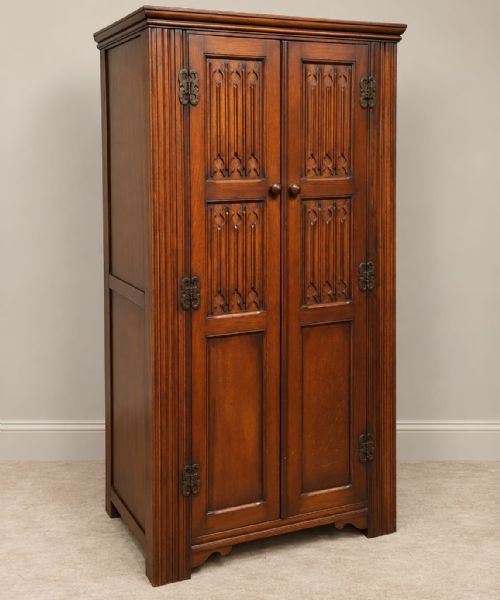
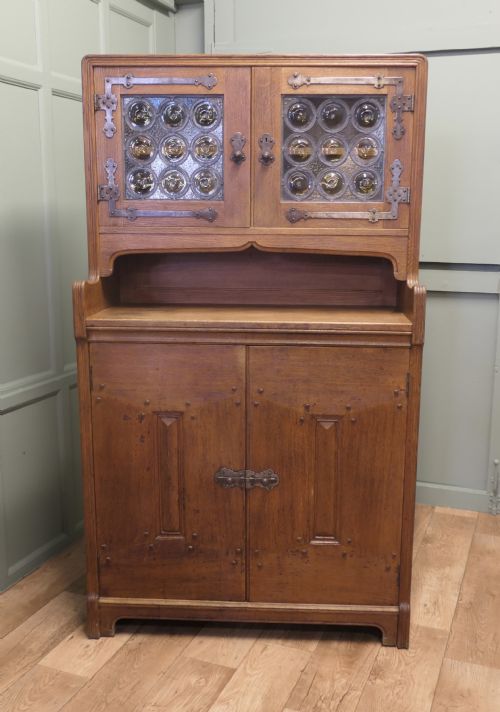
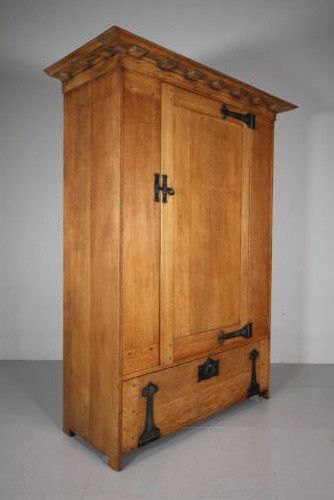
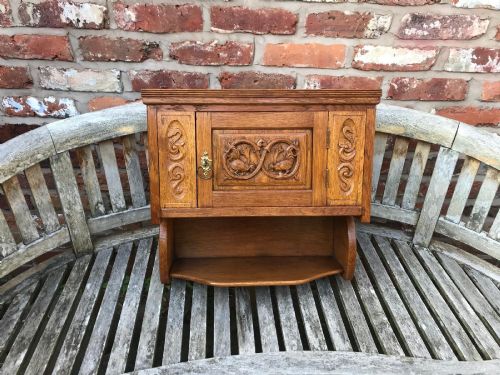
A solid oak cupboard serves as a durable storage vessel, taking many forms from compact wall-mounted cabinets and hall robes to large sideboards, dressers, and court cupboards. These pieces represent heavy domestic storage designed to last generations, utilising timber selected for its strength and distinct grain.
You are most likely to encounter twentieth-century examples on this page, particularly Edwardian and 1930s pieces, alongside robust Arts and Crafts designs and occasional eighteenth-century country furniture. These range from utilitarian school and haberdashery cupboards to finely carved revivalist furniture.
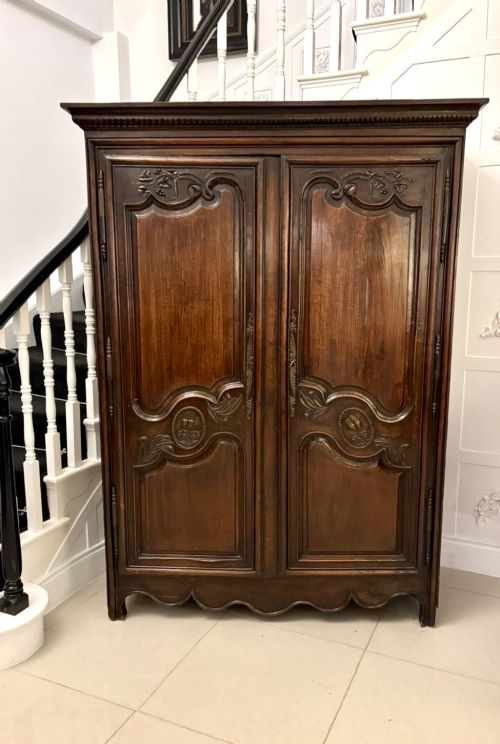
The regional variety spans English, Welsh, and continental origins, including French buffets and rustic bedside cabinets. This diversity means every piece carries the construction traits and stylistic preferences of its specific period and place of origin.
What varies in quality
The distinction between standard utility items and the top of the range rests on the ambition of the design and the depth of the craftsmanship. Pieces associated with notable workshops or specific designer commissions display superior proportion, more ambitious carving, and integrated architectural details.
Materials and hardware also differentiate the tier of a piece, with high-quality examples retaining original brass or hand-wrought iron handles and locks. The selection of the oak itself - showing lively medullary rays and tight, consistent grain - separates ordinary storage from exceptional cabinet-work.
Solid Oak Cupboard Retail Price Guide 2026
Typical asking prices for solid oak cupboard among the pieces listed under this phrase on Sellingantiques today, from the lower quarter to the upper quarter. They describe what is for sale here now, not the wider market.
Listings feature solid oak pieces spanning the 17th century through to the 1950s, including Edwardian wardrobes and 1930s storage cabinets.
Liberty·Heals·Bryn Mawr·Peter Waals·Maple & Co·Pugin
The Solid Oak Cupboard Glossary
- Court cupboard
- A traditional heavy storage piece featuring an upper and lower section, often associated with seventeenth-century and revivalist domestic interiors.
- Linen fold
- A carved wooden panel motif designed to resemble folded fabric, frequently seen on twentieth-century cabinet doors and hall robes.
- Pot board
- An open lower shelf beneath a dresser or sideboard traditionally used for storing pots and heavy kitchenware.
- Cwpwrdd tridarn
- A traditional Welsh three-tier press or cupboard originating in the eighteenth century, offering substantial tiered display and storage space.
Solid Oak Cupboard: Frequently Asked Questions
How do I date a solid oak cupboard?
Dating relies on observing construction methods, hardware, and stylistic indicators such as Arts and Crafts influences or Jacobean revival carving. Comparing the timber patination and joint types helps align the piece with periods like the Edwardian era or the 1930s.
Makers' stamps, labels, or inscriptions can also confirm a specific decade or workshop origin. Reviewing the panel construction and overall proportions provides further context for the age of the cabinet.
Where were these cupboards used?
These cupboards served multiple rooms across the home, acting as hall robes for outerwear, dining room sideboards, or kitchen dressers for displaying plates. Smaller wall cabinets and bedside units were built for private chambers and specialised domestic tasks.
Institutional examples such as school or haberdashery cupboards fulfilled commercial and municipal storage needs. Their placement depended entirely on the scale of the room and the intended storage function.
How do I care for solid oak furniture?
Solid oak benefits from stable indoor humidity and protection from direct sunlight to prevent the timber from drying out or splitting. Regular dusting with a soft cloth maintains the natural lustre of the wax or polish finish.
Avoid placing these heavy pieces near direct heat sources such as radiators. Gentle treatment of the original brass or iron fittings preserves their operational integrity.
What is the difference between an Edwardian and a 1930s cupboard?
Edwardian cupboards often draw on earlier revival styles, featuring decorative carving, cornices, and traditional brass hardware suited to formal interiors. They reflect the continued popularity of period aesthetics at the turn of the century.
Thirty pieces lean towards cleaner lines, lighter oak tones, and simpler geometric forms associated with modernist shifts and regional school designs. The shift moves from ornate Edwardian revivalism toward more streamlined utility.