

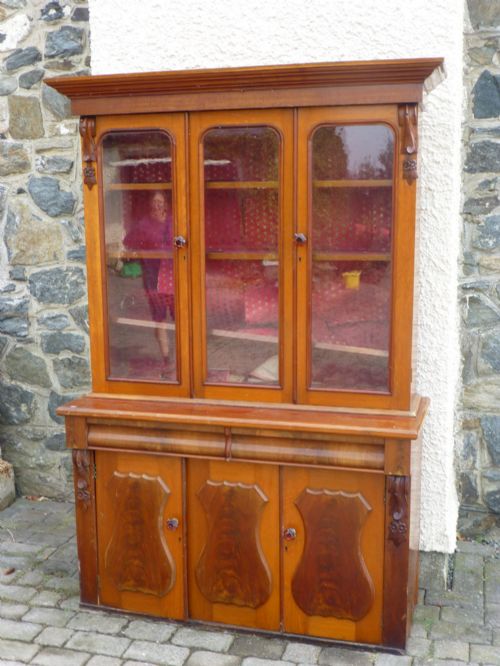
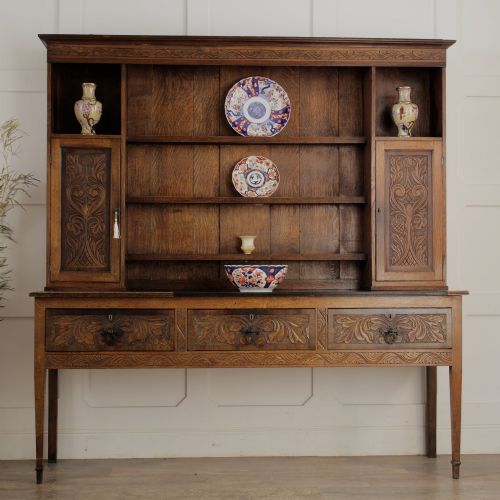
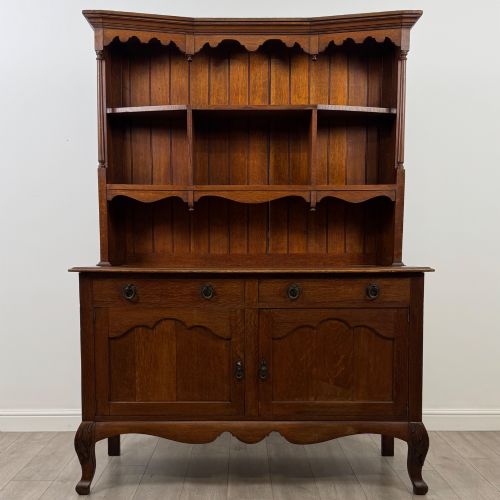
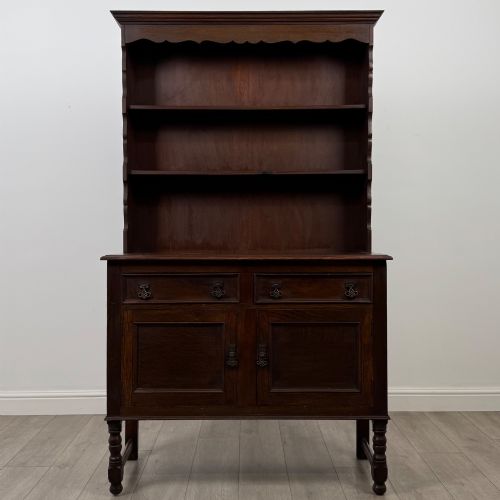
Oak Kitchen Cabinet
An oak kitchen cabinet brings honest utility and enduring joinery to domestic spaces, ranging from rustic dressers to fitted food cupboards.
Oak Kitchen Cabinet
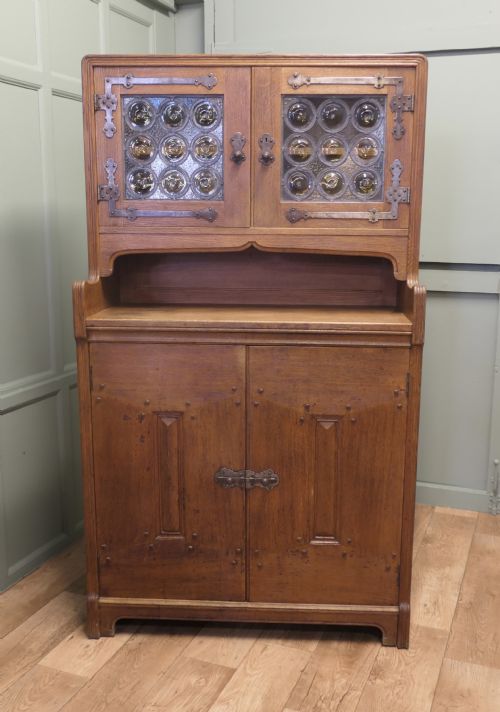
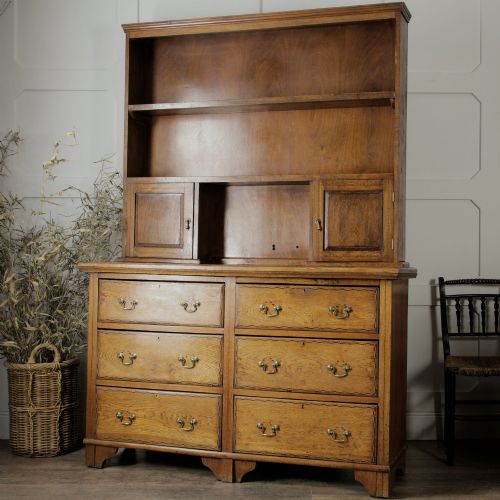
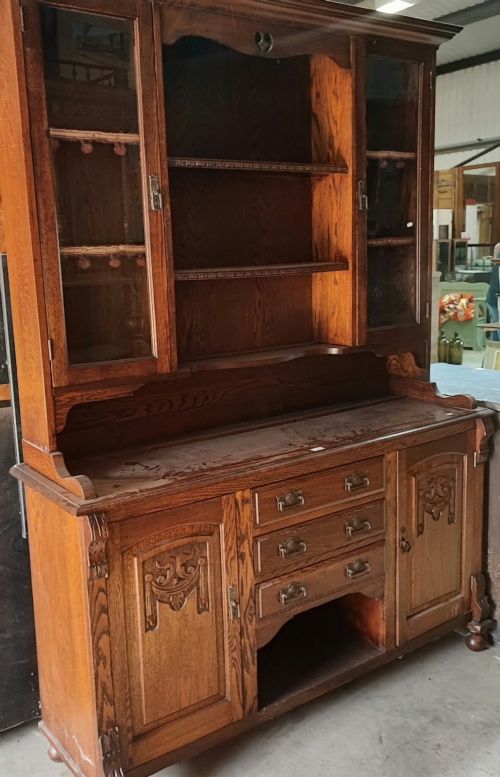
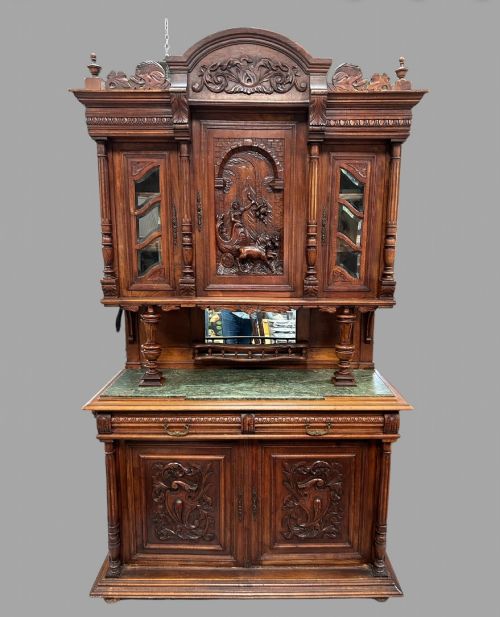
An oak kitchen cabinet spans regional dressers, spice cupboards, housekeepers' larders, and fitted food storage units designed for daily domestic use. These functional pieces emerge from diverse eras including the Georgian period, the Victorian era, and early twentieth-century workshops.
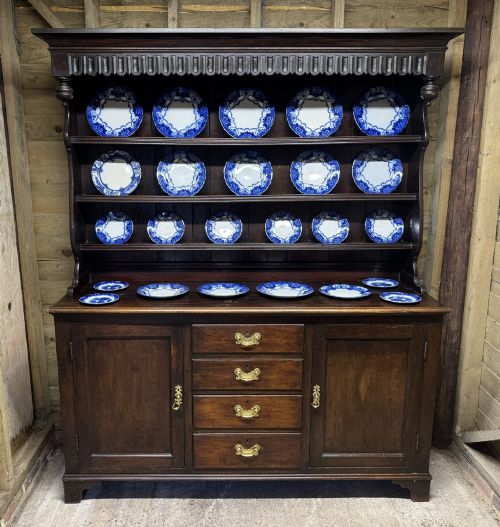
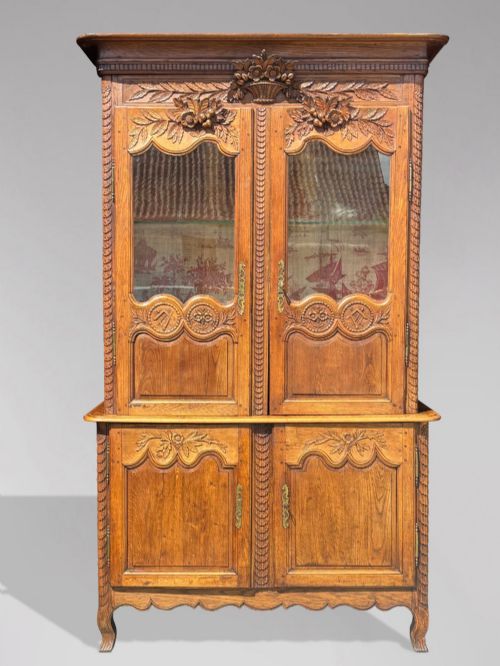
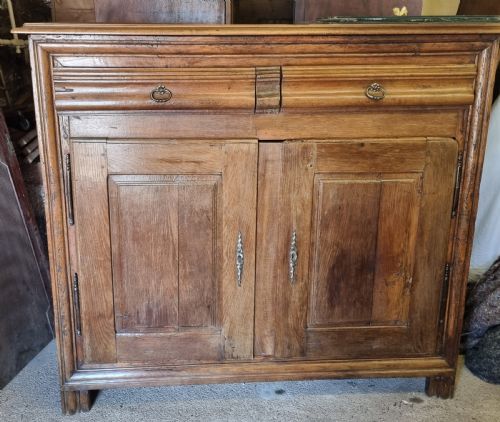
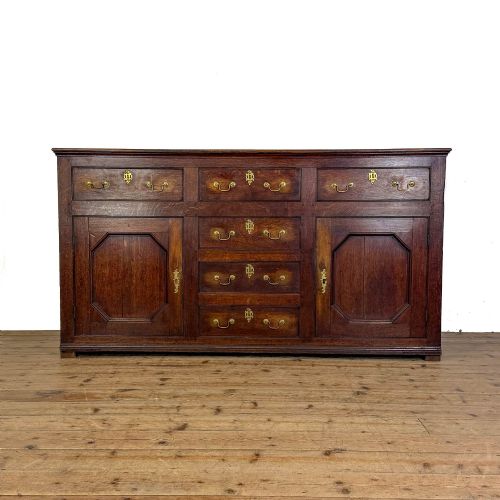
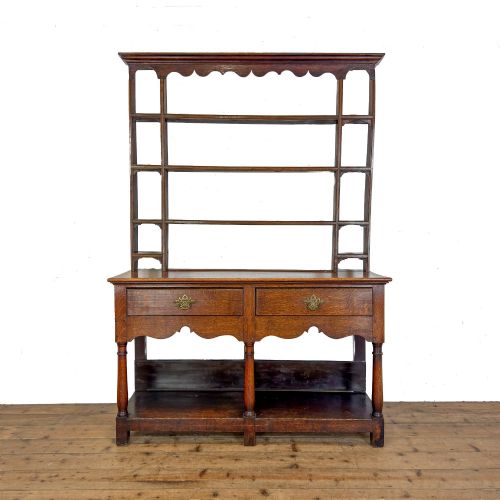
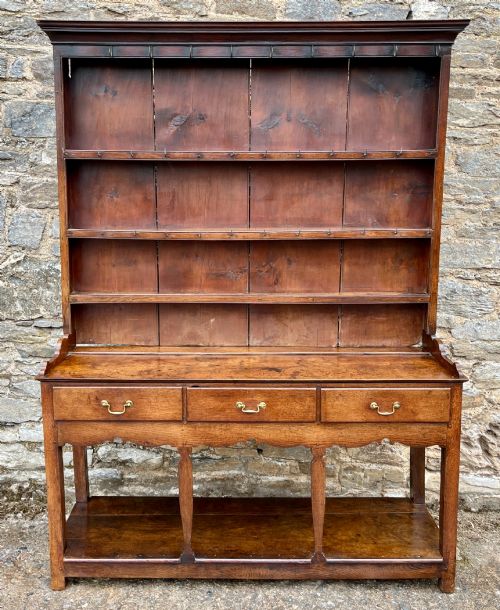
The most frequent variations encountered on this page are Welsh dressers featuring plate racks, provincial French buffets, and solid oak cupboard bases. Buyers often select these forms for their combination of display shelving and enclosed lower storage.
Origins stretch across English country workshops, Welsh valleys, French provinces, and American makers, uniting practical storage with regional woodworking traditions. Each piece reflects the utilitarian demands of historic domestic kitchens through varied configurations of drawers, glazed doors, and potboards.
How They Were Made
Makers relied primarily on solid oak, frequently supplemented with secondary timbers such as pine, mahogany, and fruit wood for drawer linings and internal shelving. Natural iron and brass hardware, including butterfly hinges and drop handles, secure the doors and drawers.
Construction techniques combine traditional frame and panel joinery with dovetailed drawer boxes to accommodate the natural movement of timber over centuries. Carved detailing, glazed panels, and potboards are integrated directly into the primary structural framework.
The listings on this page span the 18th century, 19th century, and early 20th century, incorporating Georgian, Victorian, Edwardian, and Arts and Crafts styles.
What Varies In Quality
Quality rests in the proportion of the timber, the crispness of hand-carved details such as green man motifs or fielded panels, and the integrity of the original joints. Superior examples maintain their untouched surfaces and patination without excessive modern intervention.
The sophistication of regional design influences value, distinguishing simple utilitarian cupboards from architecturally ambitious dresser bases with breakfront drawers and intricate cornices.
Hudson Bros·Heals of London·Liberty
The Oak Kitchen Cabinet Glossary
- Potboard
- An open slatted lower shelf on a dresser traditionally used for storing heavy pots and pans. This platform sits just above the floor between the lower legs.
- Dressers and Hutches
- A dual-component form comprising a lower storage base enclosed by doors or drawers and an upper open rack for displaying plates. The upper section often detaches for transport.
- Buffet deux corps
- A substantial two-part provincial French cabinet featuring an upper cupboard stacked directly upon a deeper lower serving base. These large storage pieces anchor dining spaces and kitchens alike.
- Housekeeper's cupboard
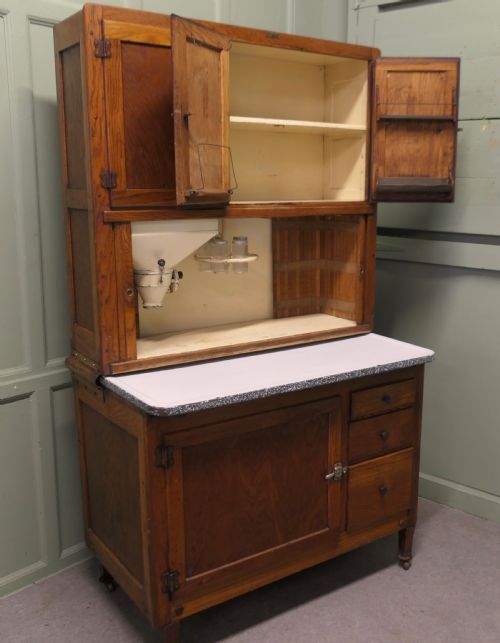
- A tall, enclosed storage piece with multiple doors designed for linen, dry goods, and domestic provisions. They offer substantial internal shelving capacity.
- Spice cupboard
- A diminutive wall-hanging or table-top cabinet fitted with multiple tiny internal drawers for culinary herbs and spices. Their miniature scale makes them highly collectible.
Oak Kitchen Cabinet: Frequently Asked Questions
How do I clean an antique oak kitchen cabinet?
Maintain the surface using a soft, dry cloth to remove dust without stripping the historic wax or oil finish. Avoid modern silicone sprays that can penetrate the grain and damage the timber.
Nourish dry areas periodically with a traditional beeswax polish applied sparingly and buffed gently. This preserves the natural patination built up over generations of kitchen use.
Were these cabinets used only in kitchens?
Historic domestic spaces were less compartmentalized, meaning large cupboards and dressers served multiple rooms including pantries, sculleries, and dining halls. Their robust construction handled heavy provisions and tableware alike.
Over time, owners repurposed these units as bookcases, linen presses, and display furniture in living areas. Their adaptable storage capacity suits contemporary open-plan homes.
How can I tell a Georgian dresser from a Victorian one?
Georgian pieces generally exhibit simpler, cleaner architectural lines with plain fielded panels and understated bracket feet. Proportions tend to be balanced and focused on functional utility.
Victorian examples frequently introduce heavier mouldings, turned supports, glazed upper doors, and more elaborate decorative carving such as green man motifs. Wood selection also broadens in the nineteenth century to include tiger oak varieties.
Can I store heavy modern dinnerware on antique plate racks?
Historic plate racks were designed for earthenware and pewter, but most sturdy wooden grooves and peg rails easily support standard contemporary ceramic plates. Ensure the vertical timber supports and wall fixings remain secure before loading.
Distribute weight evenly across the rack shelves to prevent undue stress on older peg joints. Very heavy stoneware may require lower shelf placement.