
Vintage Pantry Cabinet
A vintage pantry cabinet brings honest utilitarian storage into a modern kitchen, offering deep shelves and period character.
Vintage Pantry Cabinet
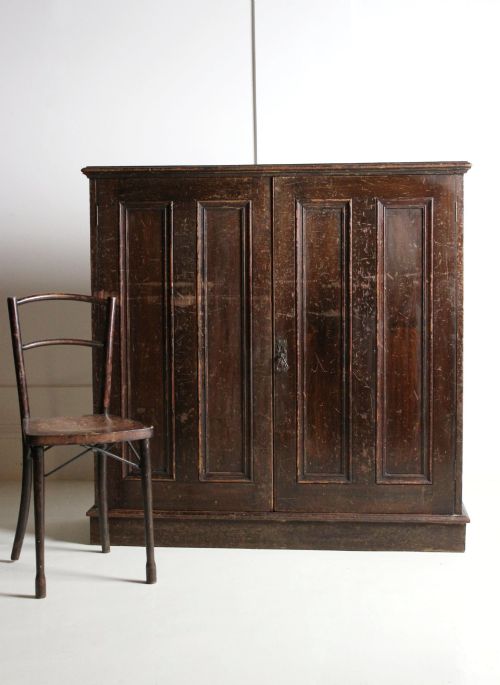
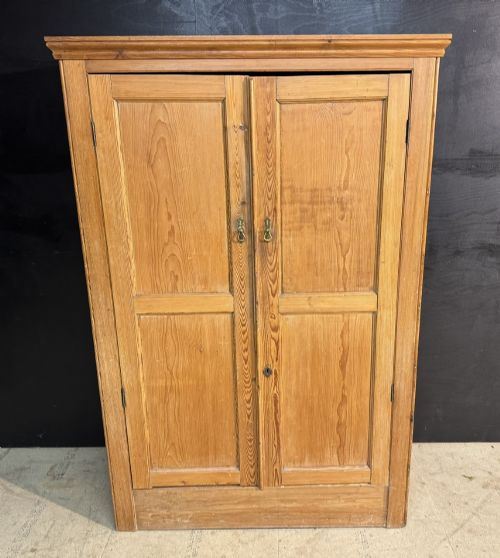
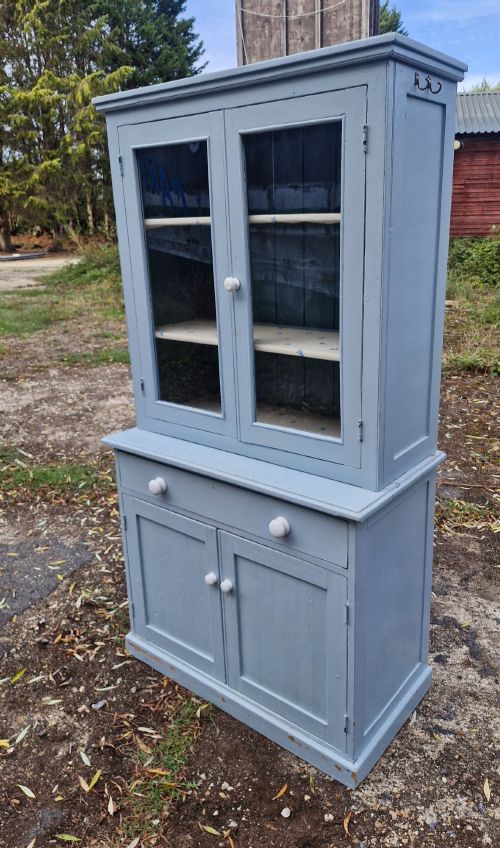
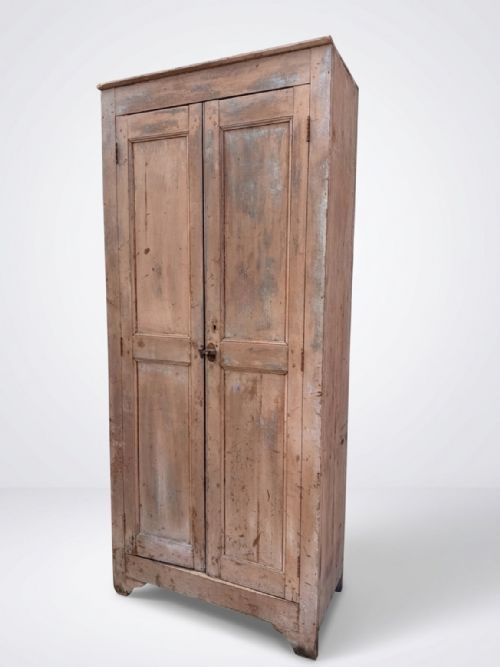
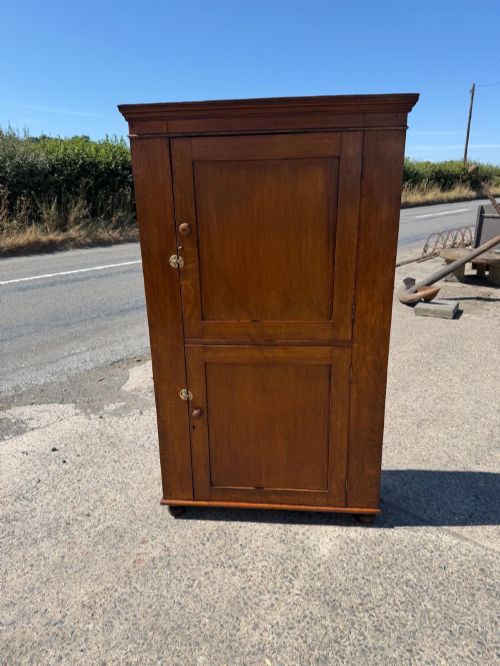
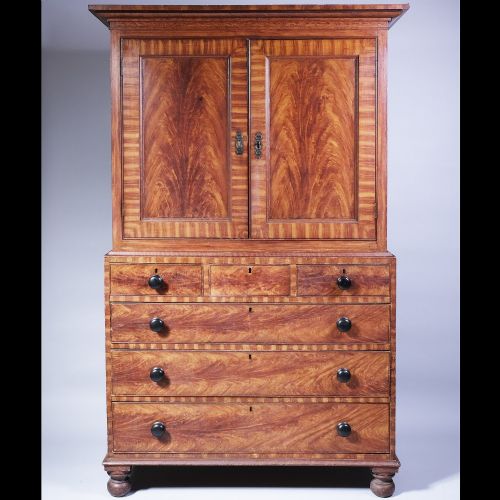
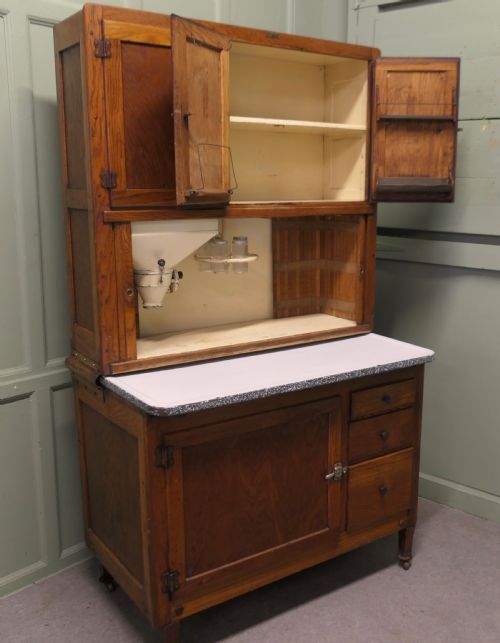
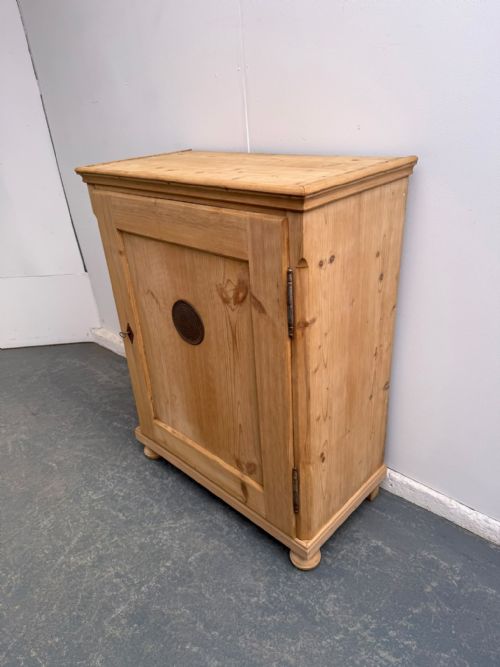
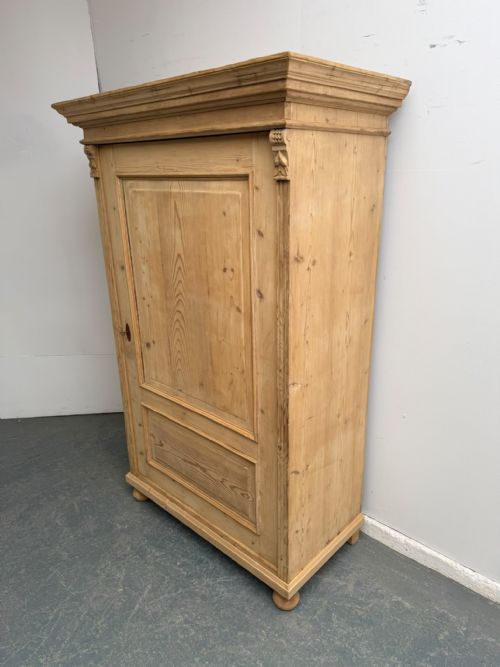
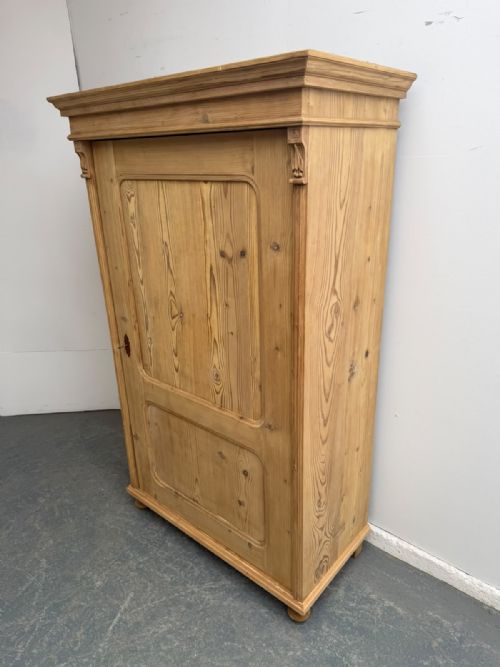
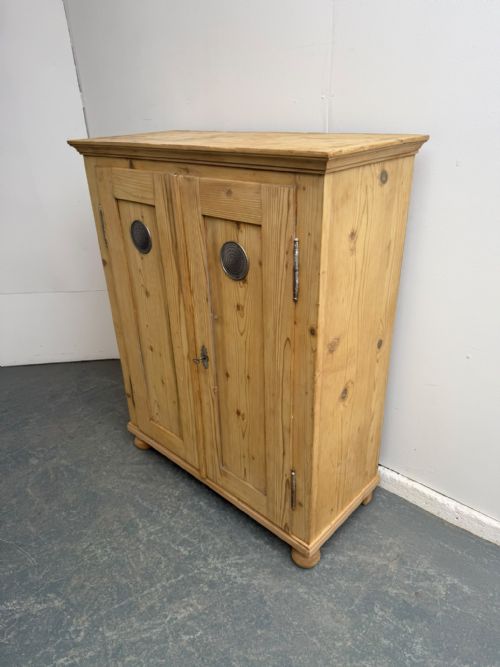
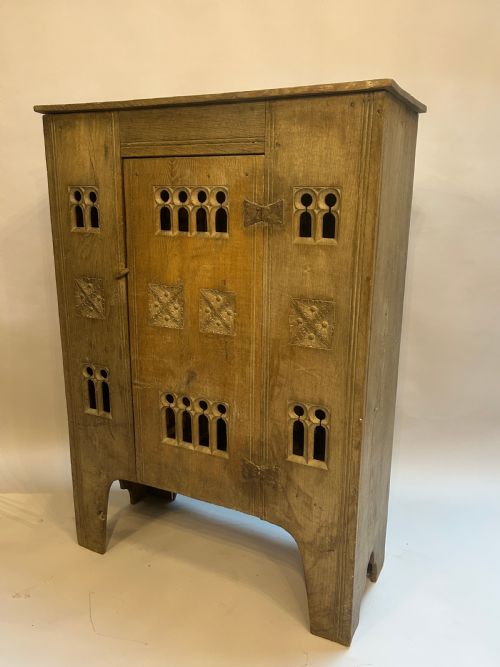
A vintage pantry cabinet serves as a hardworking storage piece designed to hold kitchen provisions, housewares, or linens. These items encompass housekeeper's cupboards, larder cupboards, and kitchen dressers originating from the eighteenth century through to the nineteen-thirties.
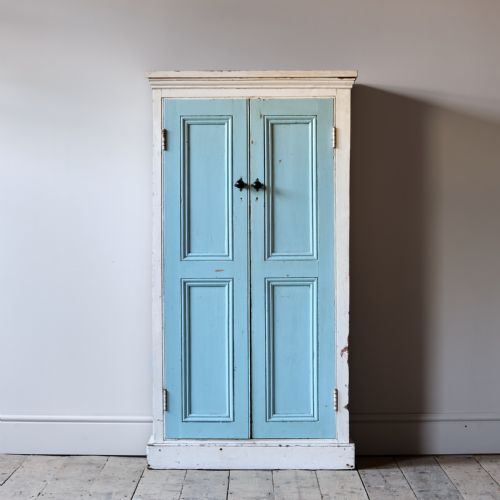
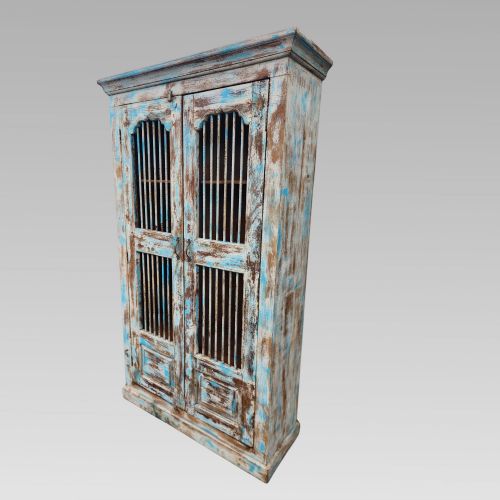
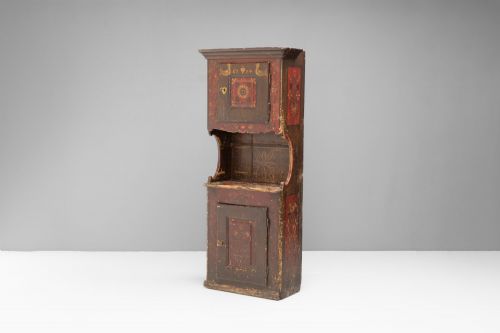
Pine and oak form the backbone of these pieces, appearing in both natural waxed finishes and old painted surfaces. Regional variations span English, French, Baltic, Indian, and American workshops, yielding single-door, two-door, and multi-tier configurations.
How they were made
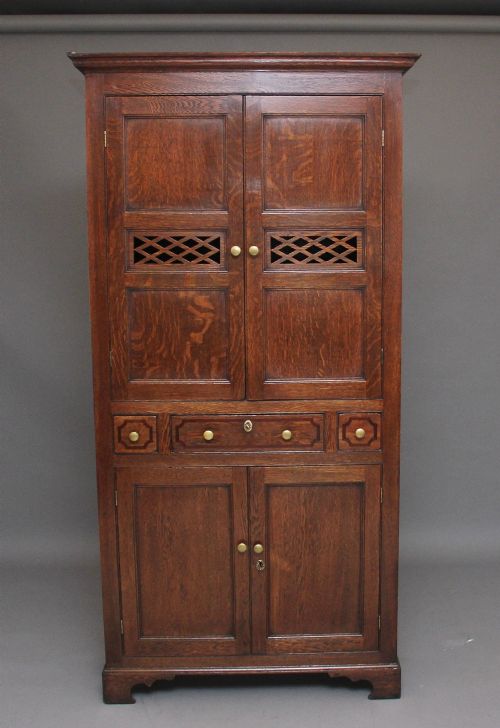
Joiners built these cabinets predominantly from solid pine and oak, utilising traditional mortise and tenon joinery to endure daily domestic use. Panel doors, sometimes fitted with ventilation slats or glass, protect the contents while allowing air circulation for stored food.
Surfaces received either protective coats of wax or layers of paint, including scumble finishes and hand-painted regional decorations. Iron and brass hardware, such as hinges and latches, secure the heavy doors and drawers.
Several nineteenth-century pine cupboards include original ventilation slats designed to keep the Sunday cheese from escaping its duties.
What varies in quality
Proportion and timber selection dictate the standing of a piece, with dense grain and untouched original paint finishes commanding greater appreciation. Cabinets retaining their early hinges, locks, and internal shelving layouts preserve their historical integrity more completely than heavily altered examples.
The cleverness of internal arrangement, from spice racks on doors to deep linen compartments, reflects the original maker's skill and the specific domestic purpose the cabinet was built to serve.
Hudson Bros
The Vintage Pantry Cabinet Glossary
- Housekeeper's cupboard
- A large storage piece traditionally used in a manor or large home for linens, dry goods, and household provisions. These tall cupboards often feature multiple doors enclosing deep shelves.
- Scumble painted
- A decorative surface technique where a translucent glaze is manipulated over a lighter base coat to imitate the grain of richer woods. This finish was frequently applied to pine furniture during the nineteenth century.
- Larder cupboard
- A specialised storage unit designed for perishable foods, often incorporating vented doors to maintain airflow. They keep provisions cool and protected in domestic kitchens.
- Fielded panel
- A central wood panel with bevelled edges set into a frame, designed to accommodate the natural expansion and contraction of timber. It adds depth and structural stability to cabinet doors.
Vintage Pantry Cabinet: Frequently Asked Questions
What is a vintage pantry cabinet?
A vintage pantry cabinet is a freestanding wooden storage unit historically used to house food, kitchenware, or household linens. These pieces date from the eighteenth, nineteenth, and early twentieth centuries.
They appear in various forms including larder cupboards, housekeeper's cupboards, and kitchen dressers made from materials like pine and oak.
How do I use one in a modern kitchen?
These cabinets provide substantial vertical storage for dry goods, crockery, glassware, or cookware. Their deep shelves and cupboards help organise contemporary spaces while adding historic character.
Place a freestanding model against a kitchen wall to serve as a pantry or linen store.
How do I tell different periods apart?
Earlier eighteenth-century pieces often display heavy oak construction with simple pegged joinery and robust proportions. Nineteenth-century examples frequently utilise pine, sometimes with painted finishes or scumble glaze.
Twentieth-century versions, such as Hoosier cabinets or Indian storage units, introduce specialised metal hardware and distinct regional styling.
Are these cabinets made of solid wood?
Traditional pantry cabinets are constructed from solid timbers such as pine, oak, and teak. Joiners utilised sturdy native woods capable of supporting heavy interior shelving and frequent daily use.
Back panels and internal partitions may consist of narrower tongue-and-groove boards fitted to allow for natural wood movement.