

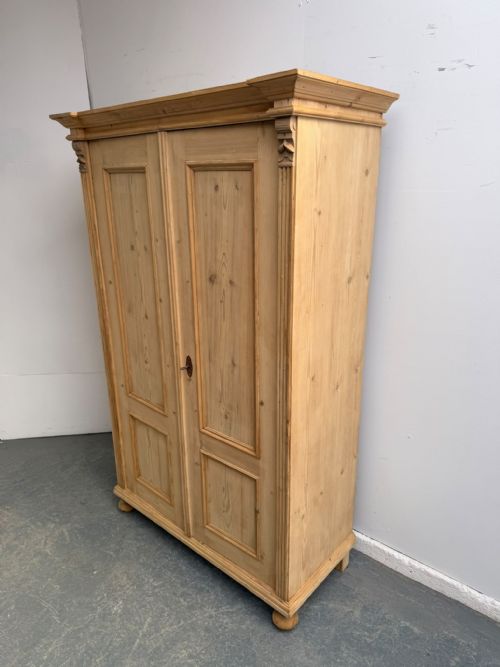
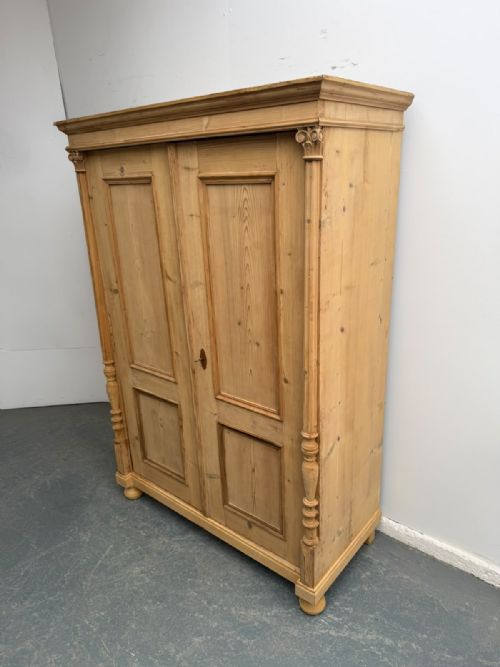
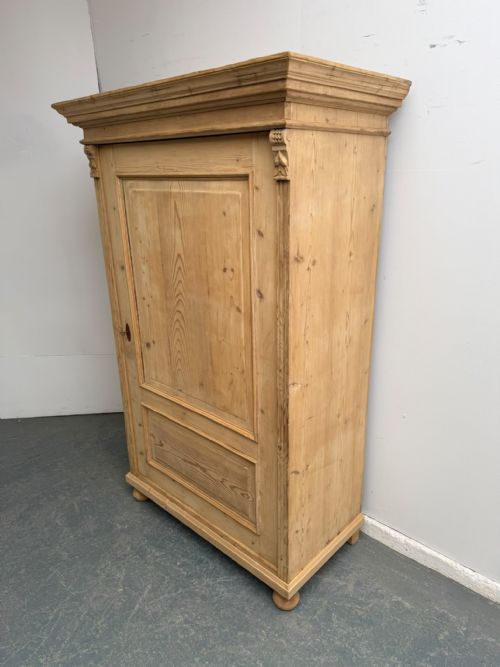
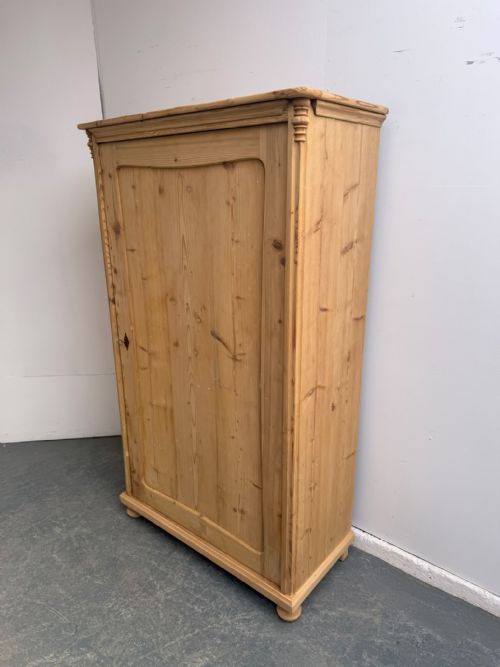
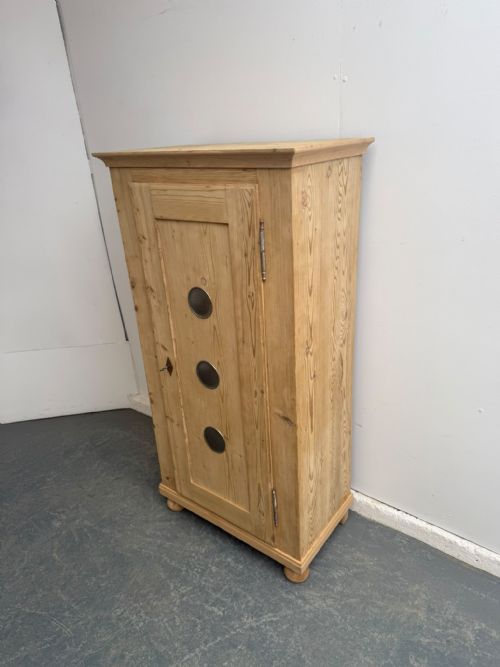


Antique Freestanding Larder
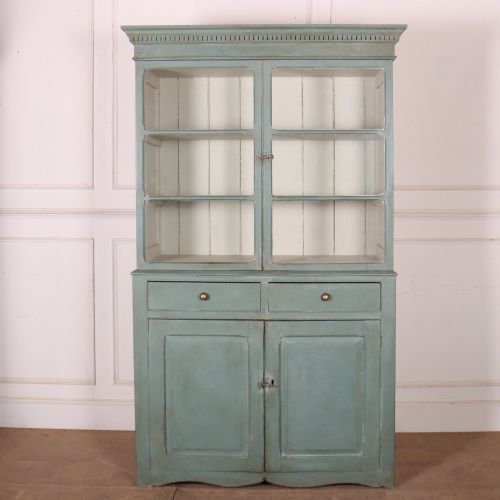
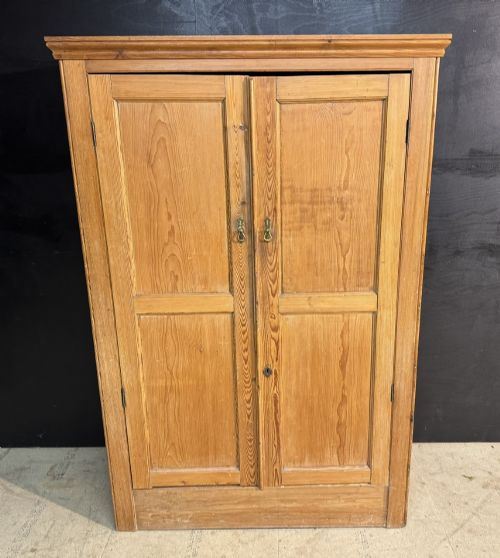
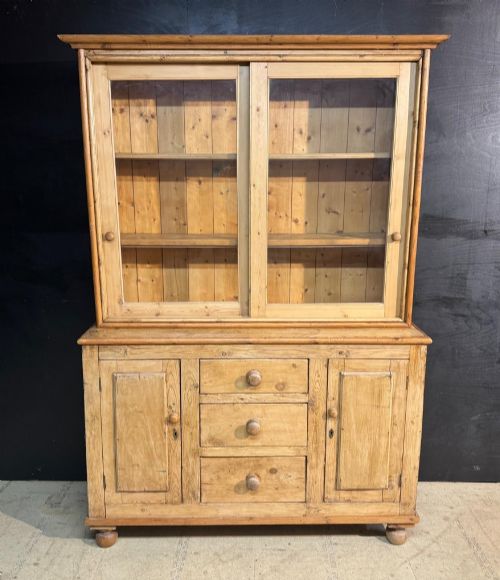
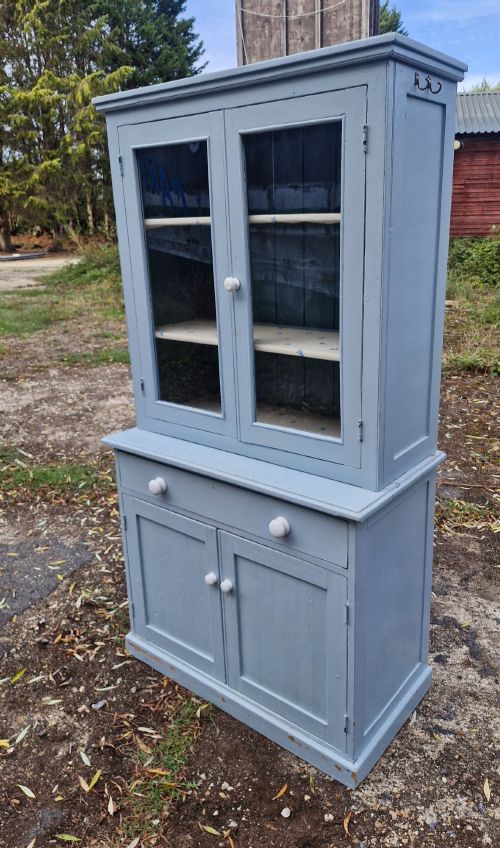
An antique freestanding larder brings honest utility and timeless storage to a kitchen, taking the form of sturdy pine cupboards and tall cabinets.
Antique Freestanding Larder
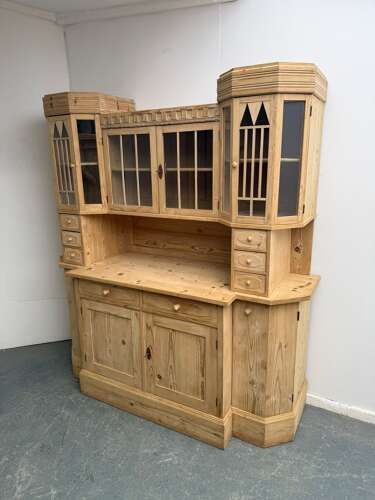
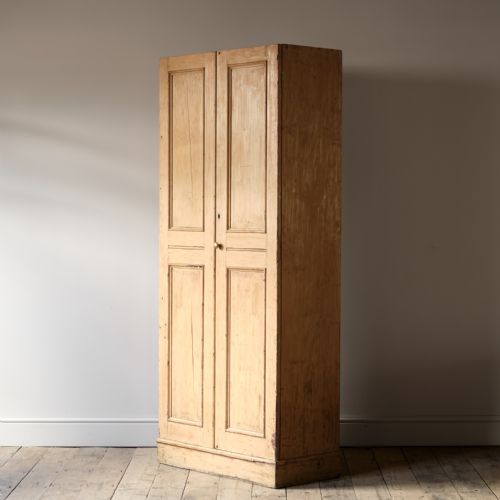
An antique freestanding larder provides dedicated food and kitchen storage, taking the form of tall cupboards, housekeepers cupboards, and kitchen cabinets. These pieces serve as practical storage solutions that stand independently against a wall rather than being built into kitchen architecture.
Buyers meet variations spanning the Georgian, Victorian, and Edwardian periods, alongside early twentieth-century examples. The selection includes regional British styles alongside pieces originating from France, America, Japan, Hungary, and Eastern Europe.
Pine dominates the selection, frequently finished in original paint, stripped surfaces, or wax. Oak and miscellaneous metal elements also appear across regional iterations like Scottish and English country cupboards.
Materials and construction methods
Timber selection centres firmly on solid pine and oak, providing the structural integrity needed for heavy domestic use. Carpenters utilised durable softwood and hardwood planks, frequently joining panels with traditional methods to accommodate seasonal wood movement.
Iron and brass fittings such as hinges, latches, and handles secure doors and drawers. Glass panels appear in glazed upper cabinet sections, while enamel and paint finishes protect the timber surfaces.
Listings feature pine predominantly, accompanied by oak, iron, brass, glass, and enamel across pieces dating from the Georgian era through the 1940s.
Distinctions in quality
Quality rests in the integrity of the original timber and the retention of authentic surface treatments, whether aged paint or natural grain. Superior examples display careful joinery, such as fielded panels and well-fitted doors that hang true without sagging.
Proportion and scale dictate desirability, with taller multi-door configurations and original fitted interior shelving commanding greater attention. The presence of original hardware, working latches, and untouched regional patination elevates a piece above standard utility items.
Hudson Bros
The Antique Freestanding Larder Glossary
- Housekeeper's cupboard
- A large storage piece traditionally used for linens, dry goods, and household provisions. These tall cupboards often feature multiple doors and internal shelving.
- Fielded panel
- A wooden panel with bevelled edges that fits into a grooved frame. This technique allows the wood to expand and contract with humidity changes.
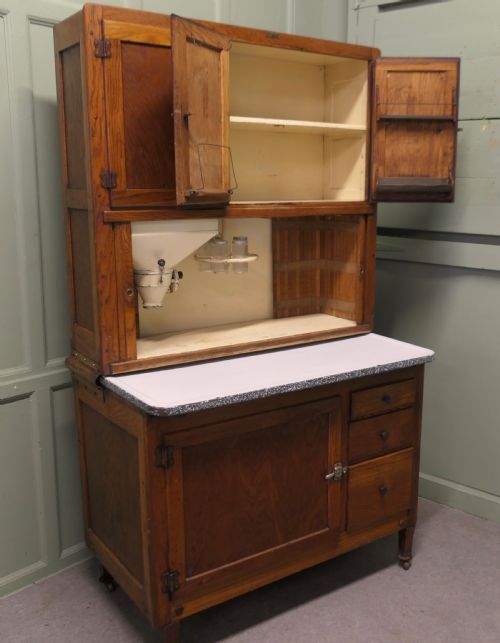
- Hoosier cabinet
- An American free-standing kitchen cabinet designed to combine food storage and workspace into one unit. They incorporate specialised compartments for flour, sugar, and spices.
- Glazed cabinet
- A storage unit featuring glass panes fitted into the upper doors. This design allowed contents to be viewed while protected from dust.
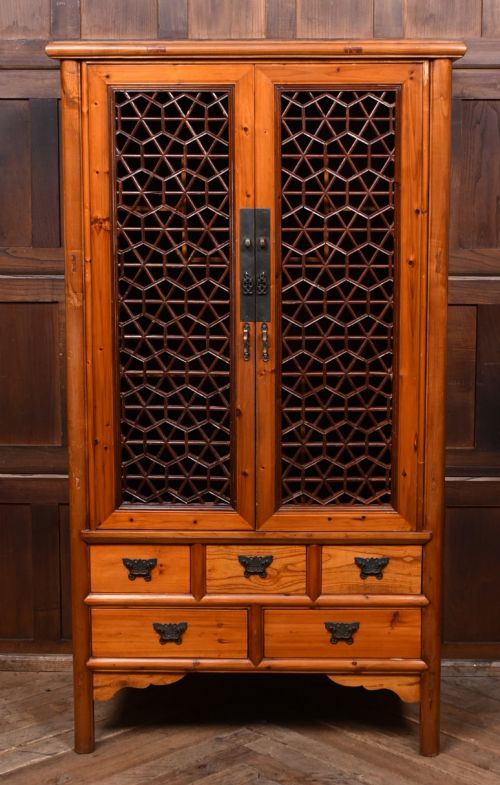
- Bread and cheese cupboard
- A regional storage piece traditionally ventilated for food preservation. These items relied on mesh or pierced panels to maintain airflow.
Antique Freestanding Larder: Frequently Asked Questions
What is an antique freestanding larder?
An antique freestanding larder is a self-contained wooden storage unit designed to hold food, dry goods, and kitchen provisions before fitted kitchens became standard.
These pieces typically feature internal shelving, cupboard doors, and sometimes specialised compartments or ventilation for keeping food fresh.
How were larder cupboards used originally?
Households used these tall cupboards to store perishable food items, baking supplies, and household linens away from pests and dust before mechanical refrigeration existed.
Many designs incorporated ventilated sections to allow air circulation around stored foodstuffs like cheese, bread, and dry goods.
How do I fit an antique larder into a modern kitchen?
These independent cupboards provide substantial vertical storage without requiring permanent wall installation, making them ideal as pantry units in contemporary spaces.
Measure your ceiling height and floor space carefully, as these historic cupboards often feature generous proportions and deep cornices.
How do I date an antique larder?
Dating relies on examining the timber construction, hardware types, joinery techniques, and surface finishes like original paint or wax.
Georgian and Victorian pieces display hand-cut joinery and forged iron fittings, while Edwardian and later twentieth-century examples show standardised fixings and machine-sawn elements.