

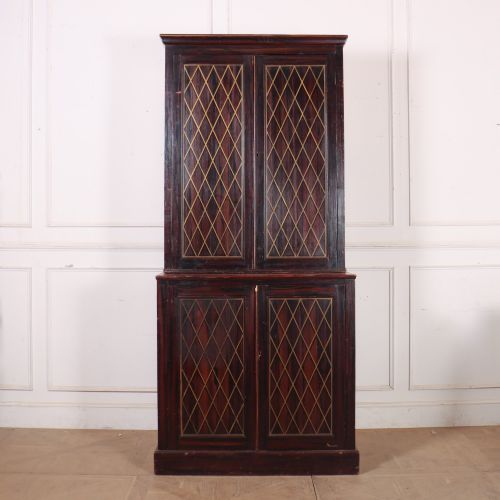
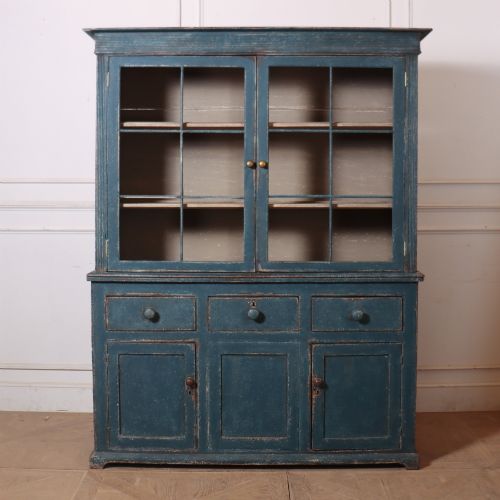
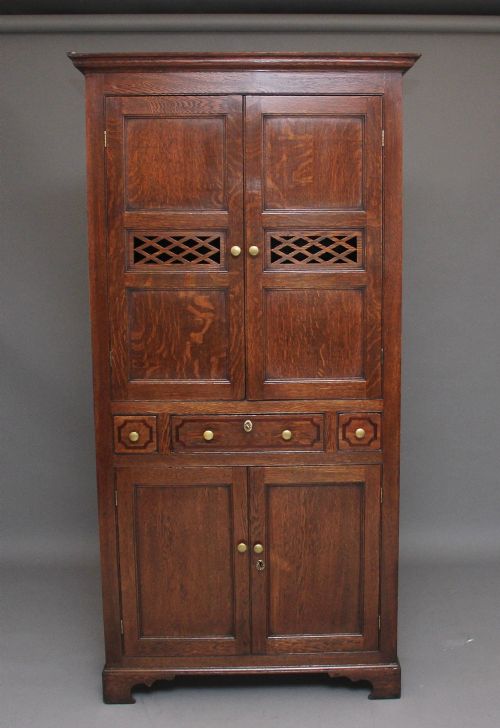


Georgian Larder Cupboard
A georgian larder cupboard is a substantial storage piece built to hold provisions, and collectors value them for genuine domestic history and honest proportions.
Georgian Larder Cupboard
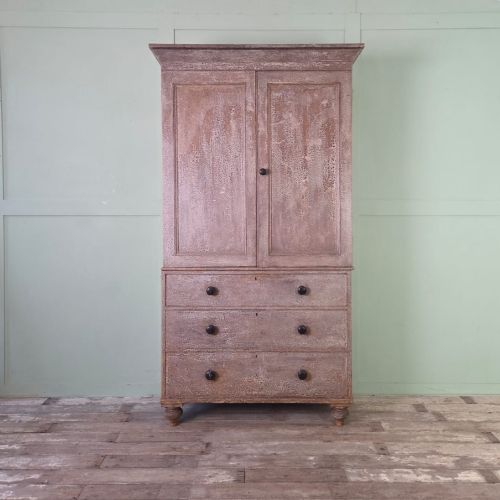
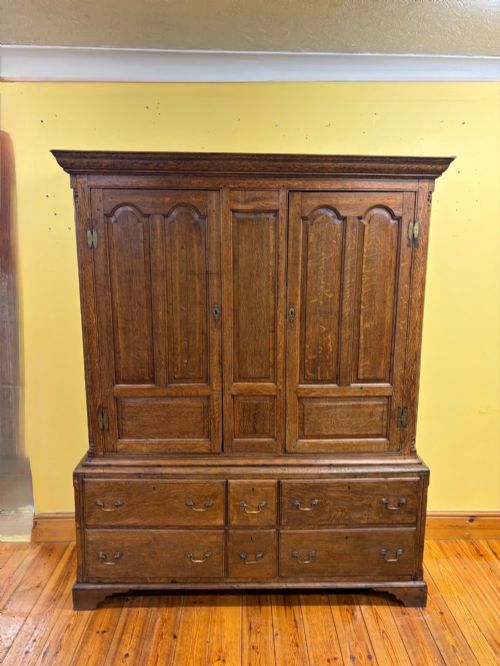
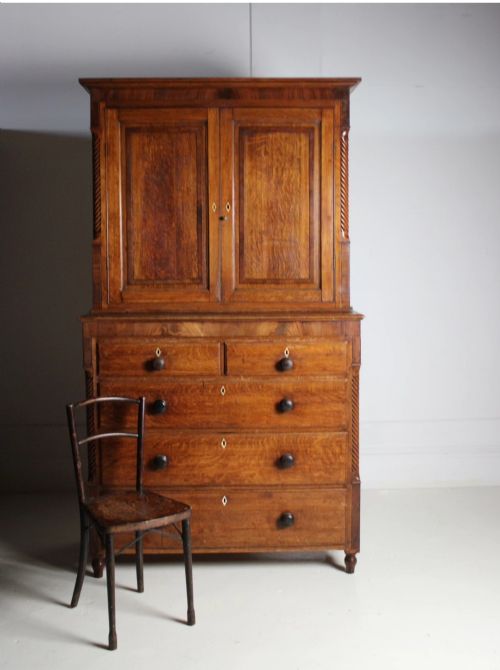
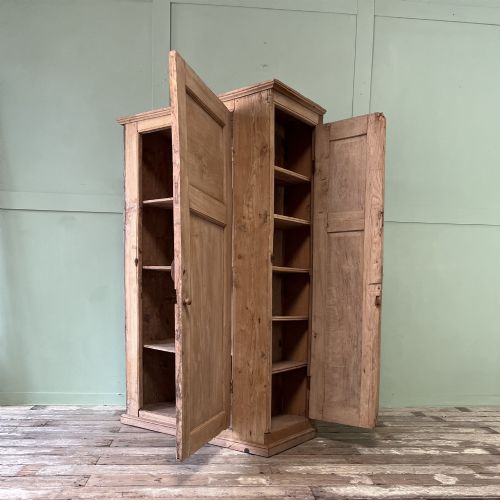
When you search for a georgian larder cupboard, you encounter substantial utilitarian furniture designed for storing food and household provisions before fitted kitchens existed. The selection on this page centres on large housekeeper cupboards, food cupboards, and kitchen dressers originating from regional workshops.
The periods represented span the eighteenth century and the nineteenth century, including Georgian and Victorian eras, along with regional styles such as Welsh vernacular, English country, and Irish country. These pieces typically take the form of tall storage cupboards, press cupboards, or multi-door cabinets built for rural houses and country estates.
Pine and oak predominate among the surviving examples, occasionally augmented by elm or finished with painted surfaces. Buyers find pieces ranging from grand architectural estate cupboards to simpler country scullery cupboards and bread and cheese cupboards.
What Varies in Quality
The distinction between ordinary utility furniture and finer pieces often lies in the selection of timber and the restraint of regional proportions. Master cabinetmakers working in oak or elm achieved a balance of structural integrity and simple architectural detail that lesser vernacular pieces lack.
Originality of surface finish and hardware also separates examples of high interest from those heavily altered over time. Surviving historic paint or untouched waxed surfaces retain the character that collectors of vernacular furniture prioritise.
Georgian Larder Cupboard Retail Price Guide 2026
Typical asking prices for georgian larder cupboard among the pieces listed under this phrase on Sellingantiques today, from the lower quarter to the upper quarter. They describe what is for sale here now, not the wider market.
Listings feature pieces spanning the eighteenth and nineteenth centuries, constructed primarily from pine, oak, and elm with brass and iron hardware.
The Georgian Larder Cupboard Glossary
- Fielded panel
- A wooden panel with bevelled edges that fits into a grooved frame, allowing the wood to expand and contract safely with humidity changes.
- Housekeeper cupboard
- A large storage cabinet traditionally used to store dry goods, linen, and household accounts under the management of the head housekeeper.
- Vernacular furniture
- Domestic pieces built by local tradesmen using regional traditions and readily available materials rather than following metropolitan fashion.
- Press cupboard
- A two-tier storage piece, often featuring upper doors enclosing shelves and lower drawers or cupboards for linens and provisions.
- Scullery cupboard
- A utilitarian storage piece made for damp back-kitchen areas where food preparation and washing took place.
Georgian Larder Cupboard: Frequently Asked Questions
What is a georgian larder cupboard used for?
These large cabinets were originally built to store perishable foods, cheeses, dry goods, and household linens in large country houses before modern refrigeration.
Today, buyers utilise them in modern kitchens and dining spaces as standalone pantries or storage cabinets for tableware and provisions.
How do I identify a georgian piece?
Authentic pieces from this period display traditional joinery such as pegged mortise and tenon joints, hand-planed boards, and regionally specific timbers like oak, elm, and pine.
Proportions tend to be robust and functional, reflecting the domestic requirements of eighteenth-century and nineteenth-century rural households.
Are these cupboards made of pine or oak?
Both timbers appear frequently in this selection, with oak used for earlier and more substantial regional pieces and pine appearing in painted country cupboards and later food stores.
Elm is also found in specific regional traditions, particularly in Welsh vernacular furniture.
How do I care for a painted cupboard?
Painted surfaces require gentle cleaning with a dry or barely damp cloth, avoiding harsh modern chemical cleaners that might strip historic or decorative layers.
Keeping the piece away from direct heat sources and severe humidity fluctuations protects both the pine and oak timbers from warping.