
Rustic Food Cupboard
A rustic food cupboard brings vernacular character to a kitchen, offering practical storage through unpretentious timber construction.
Rustic Food Cupboard
A rustic food cupboard serves as a utilitarian storage piece historically used for preserving and storing provisions in domestic settings. Buyers seeking this phrase encounter practical kitchen furniture designed for everyday household utility.
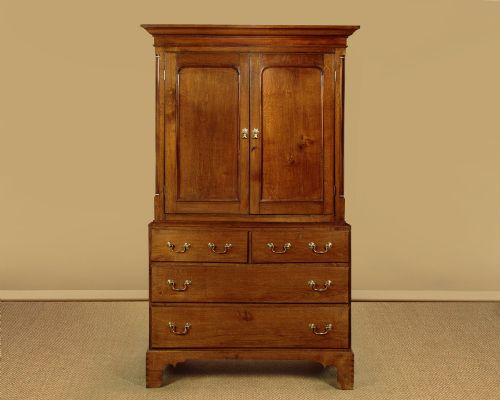
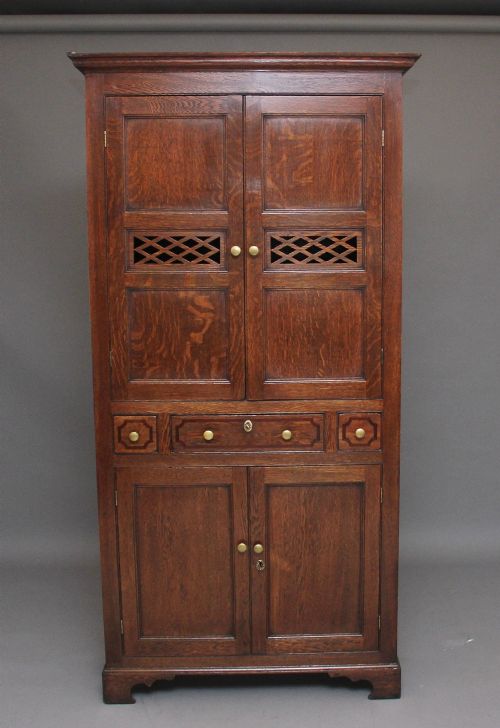
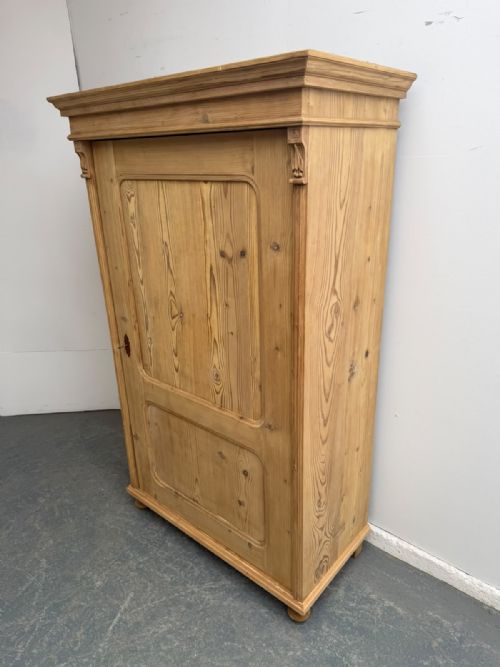
The selections span multiple eras, with nineteenth-century pine and Victorian examples appearing frequently alongside eighteenth-century regional pieces. Forms range from tall housekeeper's larders to low cupboards and specialised bread safes.
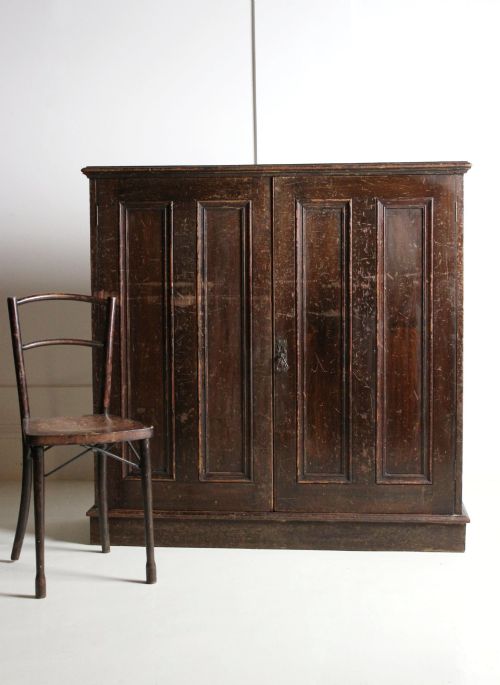
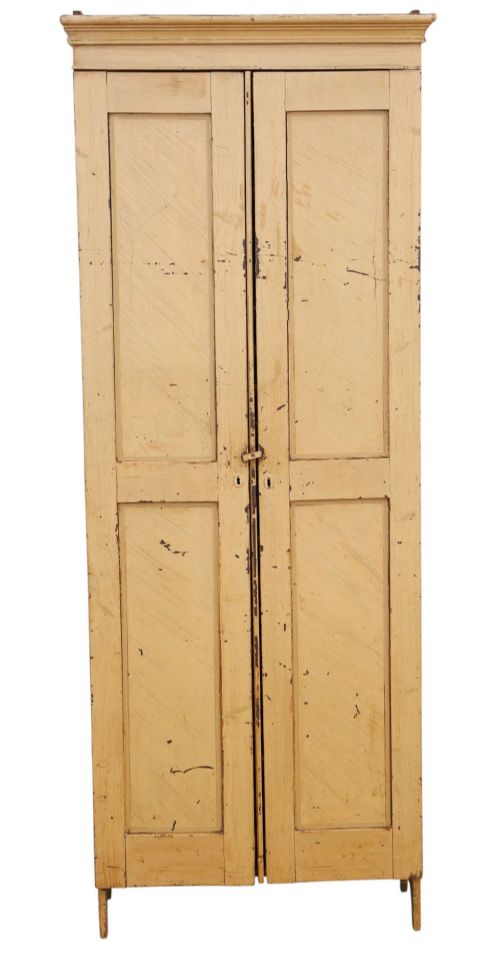
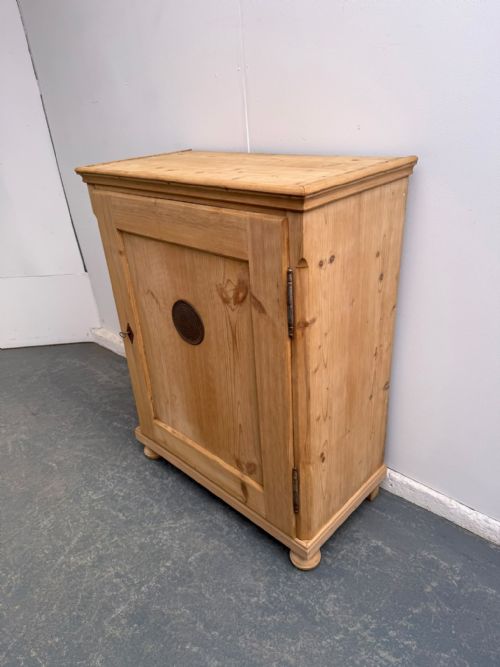
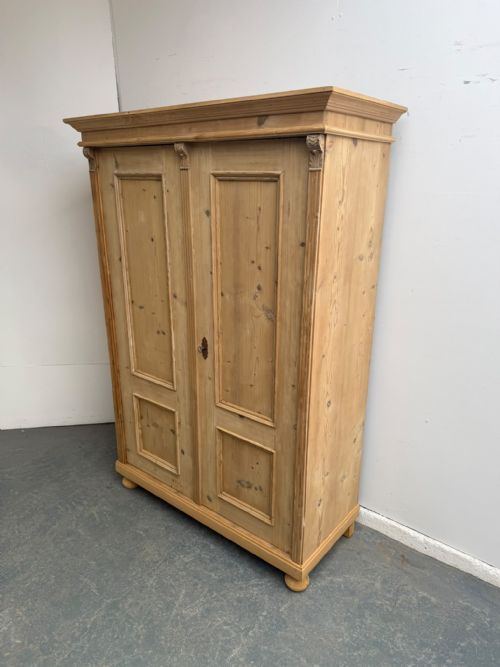
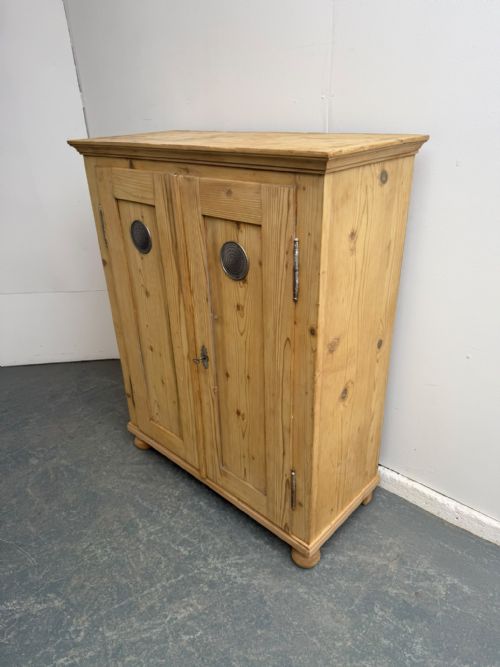
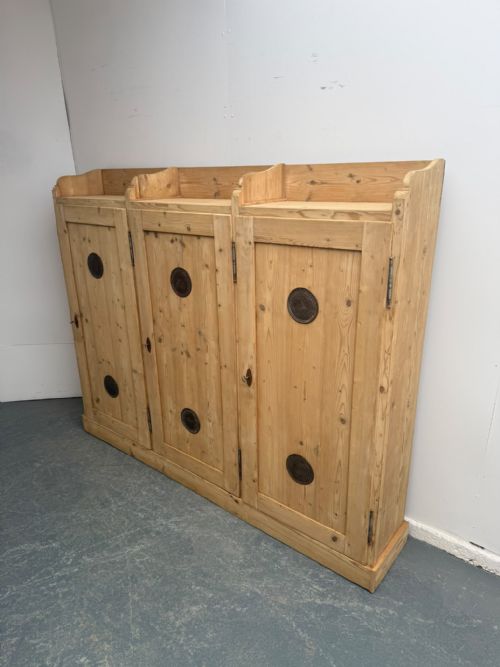
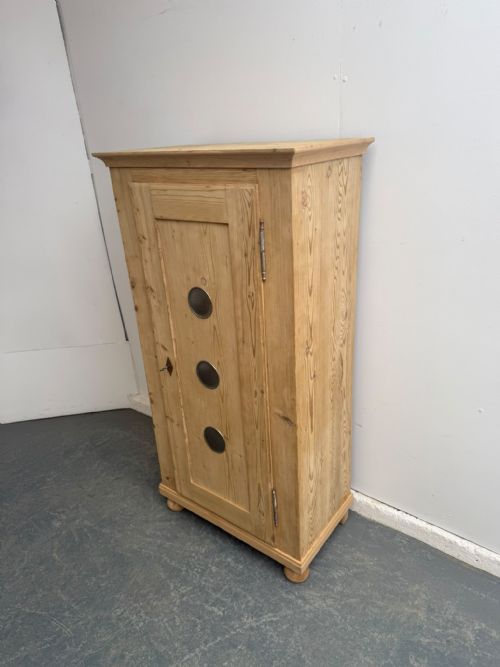
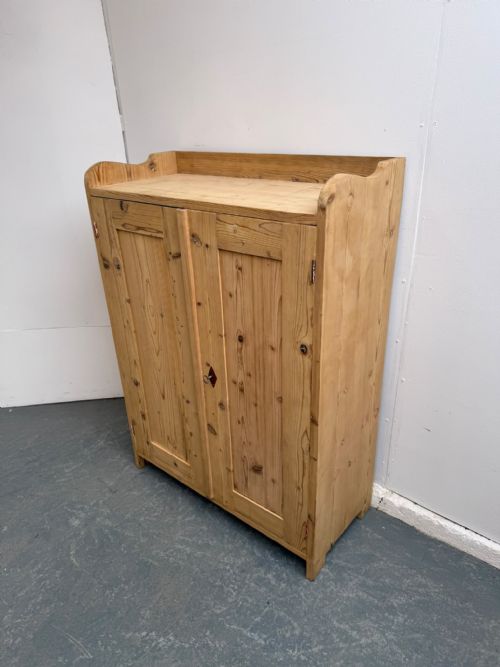
Origins stretch across British, French, and Scandinavian vernacular traditions, reflecting local rural woodworking customs. Pieces often feature simple single or double doors, sometimes with vented panels intended for air circulation around stored goods.
How they were made
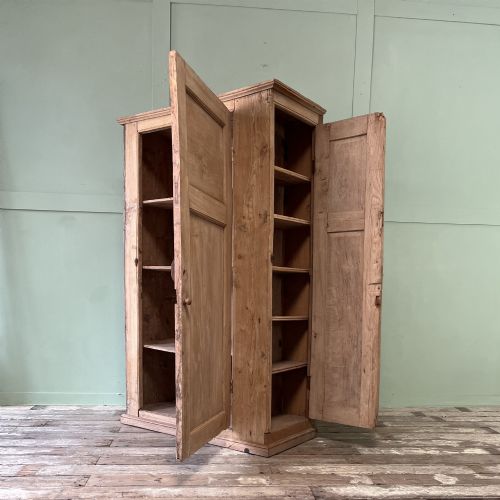
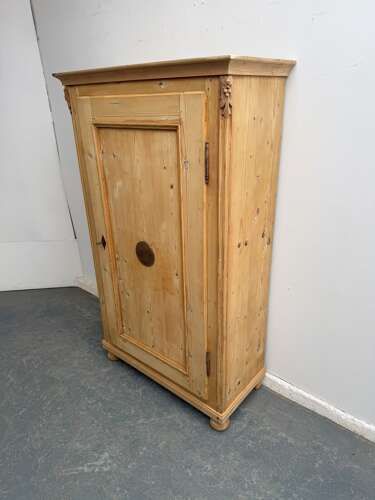
Construction relies primarily on timbers such as pine, oak, and elm, sourced locally to the maker and worked with hand tools. Boards are joined simply, often utilising durable traditional joints suitable for heavy daily use.
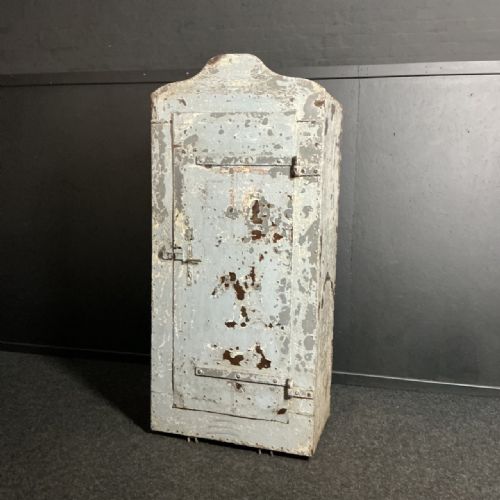
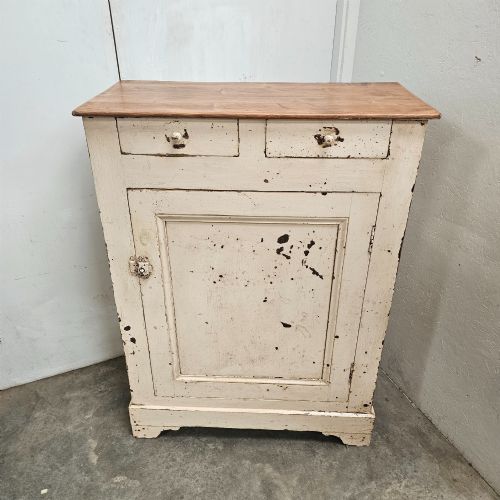
Metal hardware, including iron hinges and blacksmith-made locks, fastens the doors securely. Many surfaces show historical layers of paint, scumble finishes, or wax, while others present bare timber aged through use.
Geographic origins represented here include English, Welsh, French, and Scandinavian vernacular workshops.
What varies in quality
Quality rests in the integrity of the original timber and the survival of authentic surface treatments, such as early paint or scumble. Substantial oak or elm examples from earlier periods demonstrate greater structural ambition than standard utility pine.
Proportion and regional detailing distinguish standard storage pieces from finer vernacular items. The presence of original blacksmith-made ironwork elevates the integrity of a piece.
The Rustic Food Cupboard Glossary
- Panetière
- A small food cupboard originating in France, traditionally used for storing bread and featuring turned spindle sides for ventilation. These miniature cabinets hung on walls or stood on counters.
- Housekeeper's cupboard
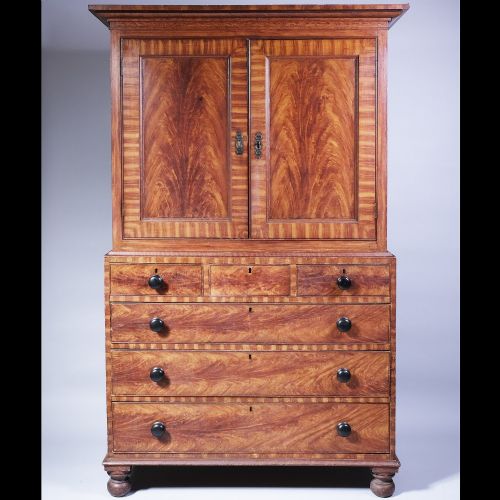
- A large storage cabinet traditionally placed in the domestic offices of a large household for linens and dry stores. They typically combine upper doors with lower drawer configurations.
- Scumble paint
- A decorative surface technique where a translucent glaze is manipulated over a lighter base coat to imitate grain. It was commonly applied to nineteenth-century pine furniture.
- Confiturier
- A French vernacular cupboard designed specifically for storing jars of confit and preserves. These are generally compact single-door pieces.
- Vernacular furniture
- Domestic items made by local tradesmen for everyday use rather than following high-style academic design. These pieces prioritize function and local material availability.
Rustic Food Cupboard: Frequently Asked Questions
What is a rustic food cupboard?
A rustic food cupboard is a utilitarian storage piece built by regional makers to hold provisions before modern refrigeration. They were essential domestic items found in kitchens and larders.
These cabinets typically feature solid timber construction using pine, oak, or elm, often with simple panelled doors designed to protect contents from pests while allowing ventilation.
How were food cupboards used?
Food cupboards stored perishables, dry goods, bread, and cheeses in domestic kitchens or larders. Their enclosed spaces helped keep provisions secure from household animals and insects.
Many examples include vented panels or pierced wooden inserts specifically designed to maintain airflow around food items like bread and cheese.
Where do these cupboards originate?
These cupboards originate from rural domestic settings across Britain, France, and Scandinavia. Local craftsmen built them using accessible regional timbers and traditional construction methods.
Regional variations appear in the joinery, hardware choices, and decorative finishes, reflecting the distinct vernacular traditions of Welsh, English, French, and Swedish makers.
How do I style a rustic food cupboard at home?
A rustic food cupboard works naturally in a modern kitchen or dining space as a functional storage cabinet for tableware or dry goods. Its aged timber or painted finish adds visual texture to neutral interiors.
Consider placing taller larder cupboards against plain walls where their proportions can stand alone, or utilise smaller confiturières as bedside or hallway storage.