
Antique Food Safe Cabinet
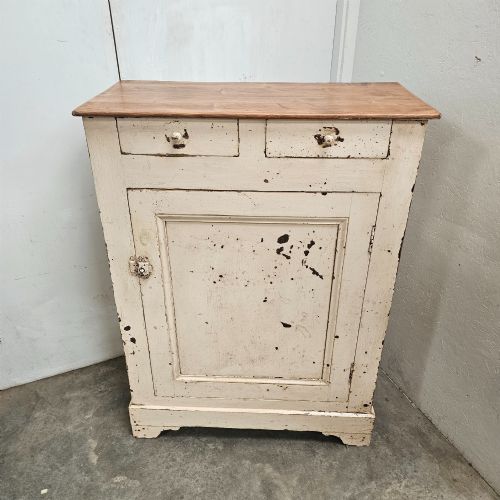
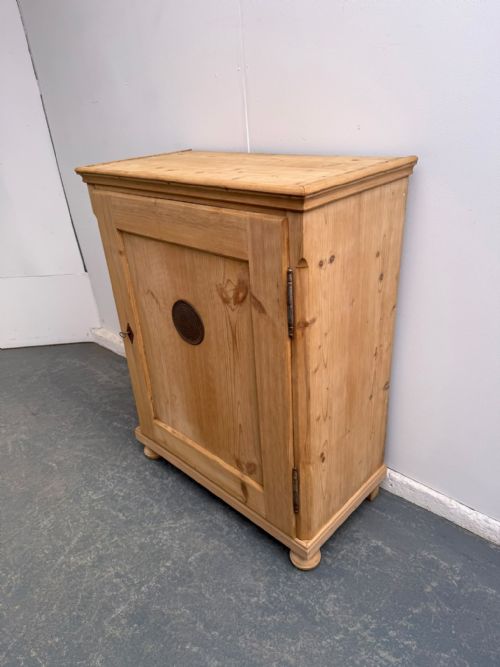
An antique food safe cabinet is a utilitarian store designed to protect provisions from pests, appearing here in regional pine, oak and fruitwood.
Antique Food Safe Cabinet
An antique food safe cabinet fulfills a domestic need for ventilated provision storage, taking the form of a kitchen cupboard, larder or pantry unit. These pieces emerge from periods ranging from the seventeenth century through the Victorian era, reflecting vernacular kitchen storage across Britain, France, Scandinavia and Spain.
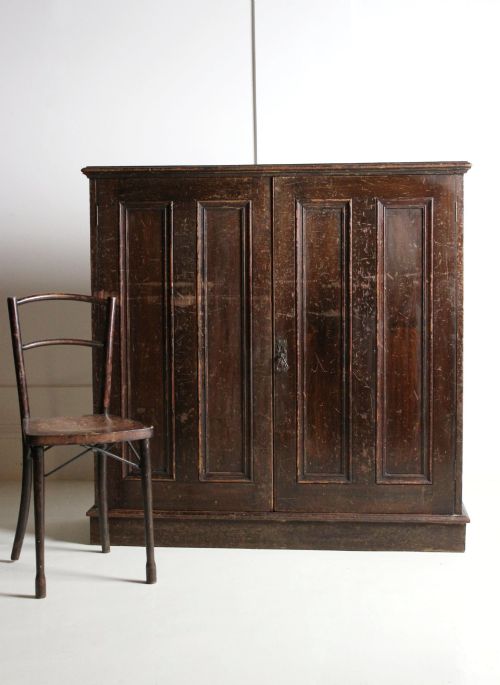
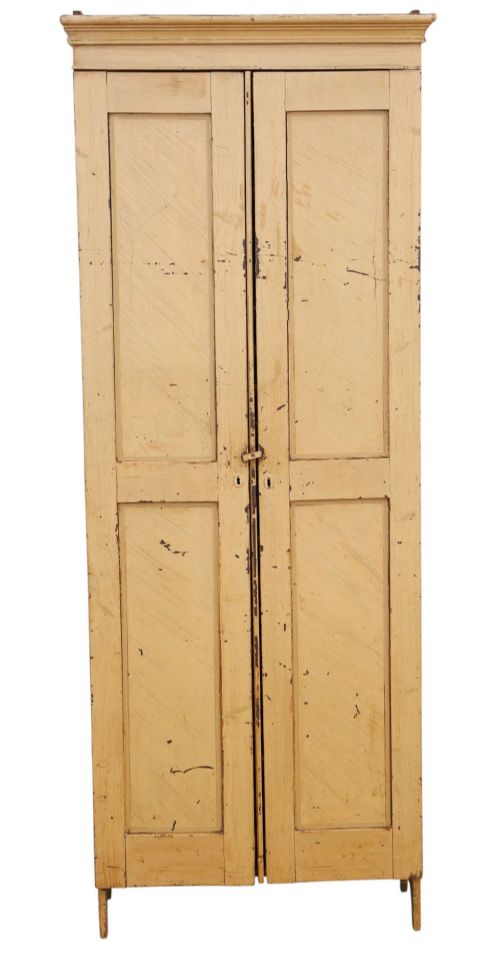
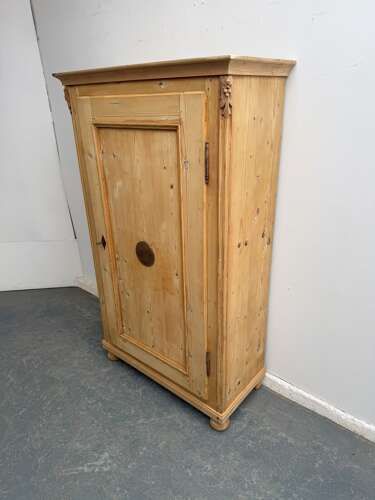
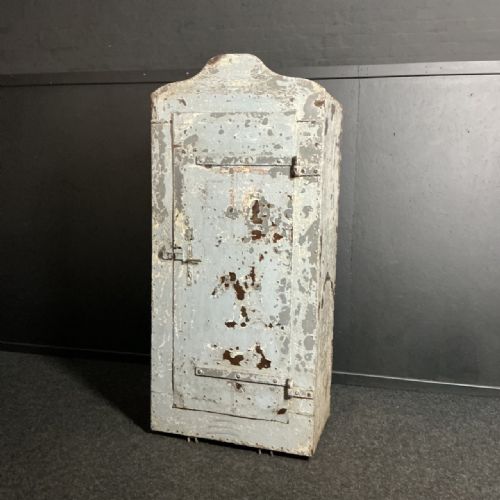
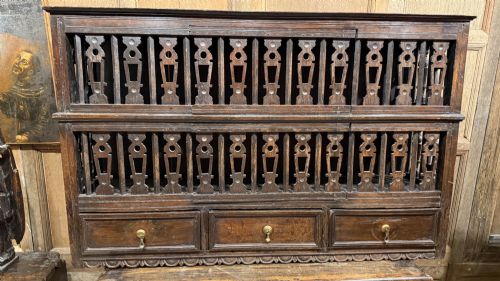
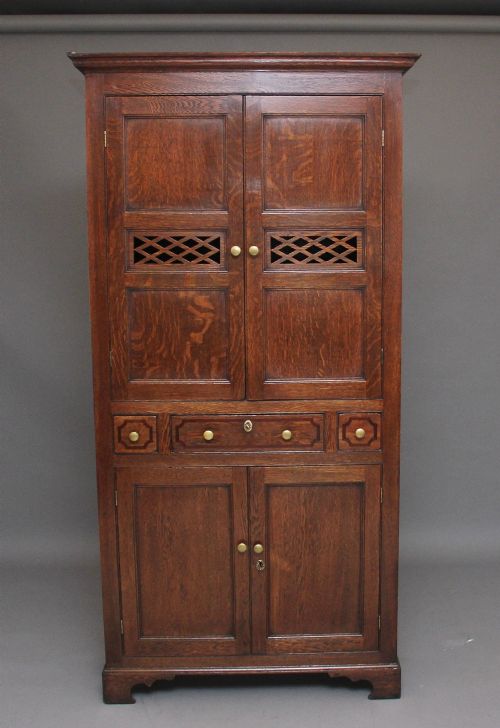
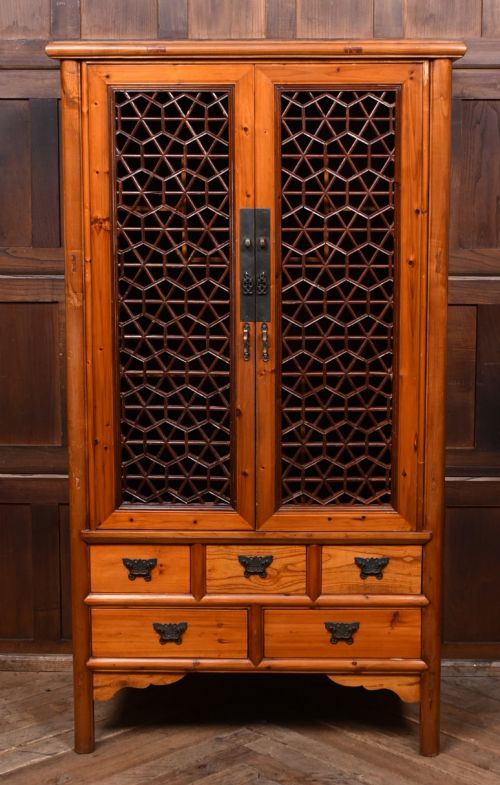
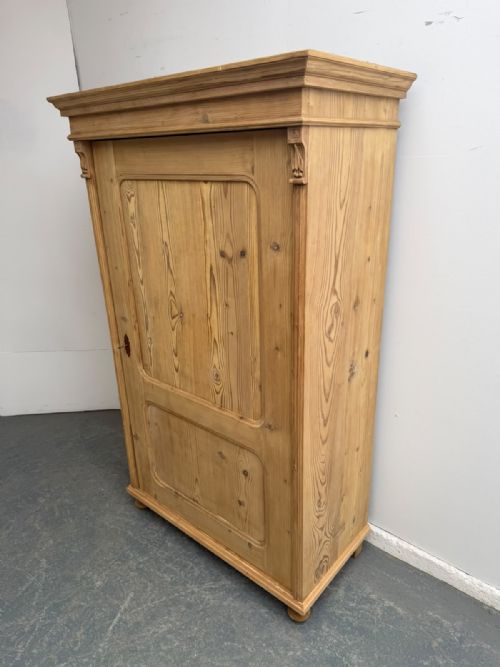
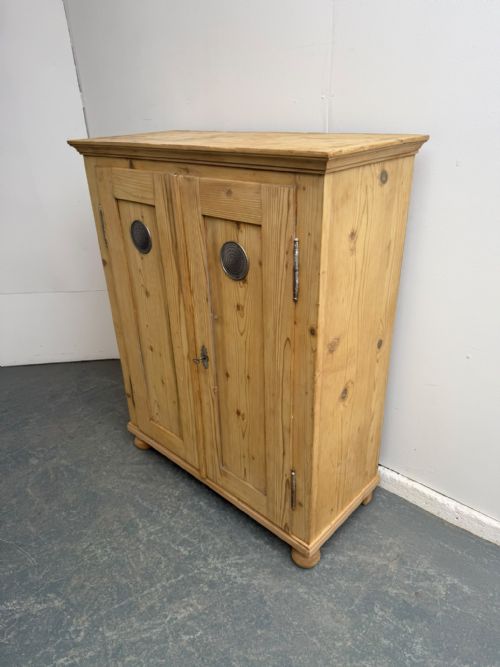
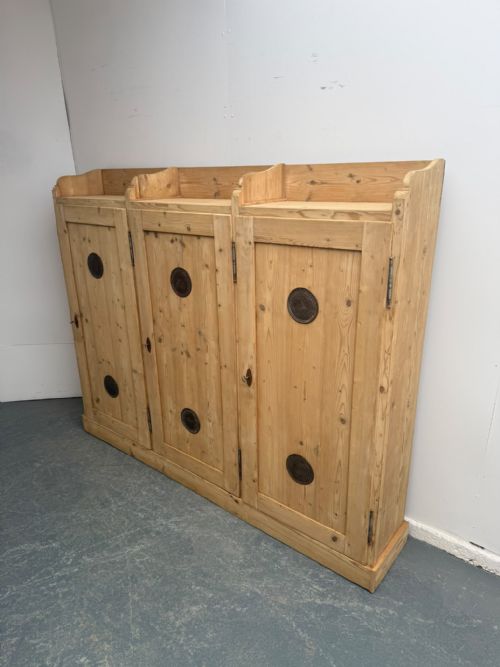
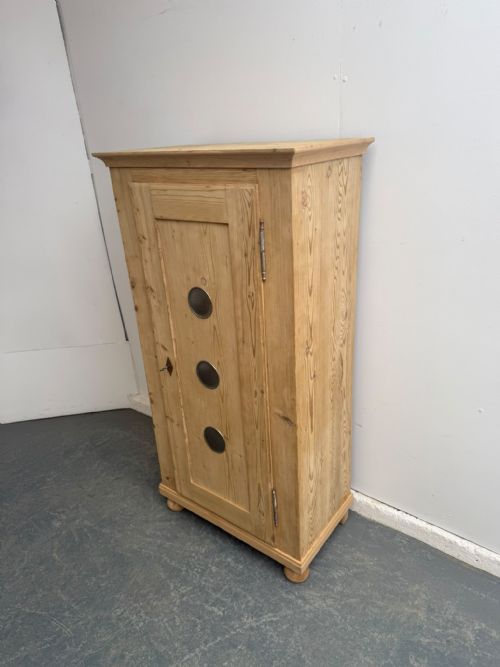
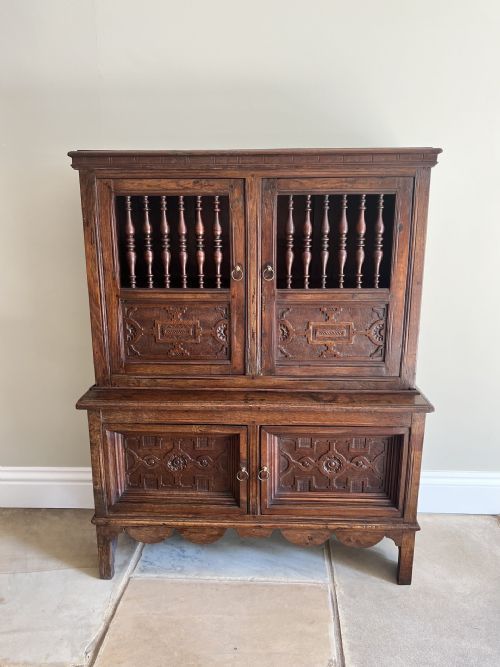
The version a buyer meets most frequently on this page is the Victorian or nineteenth-century pine food cupboard, often featuring vented doors for air circulation. Alongside these stand French panetières, fruitwood bread cages and oak cupboards outfitted with iron hardware and regional country styling.
How they were made
Construction relies heavily on solid timbers such as pine, oak, walnut, chestnut and fruitwood, shaped by regional joiners and country carpenters. Panels are typically panelled or boarded, while doors incorporate pierced metal mesh, turned spindles or ventilated slats to keep perishables fresh.
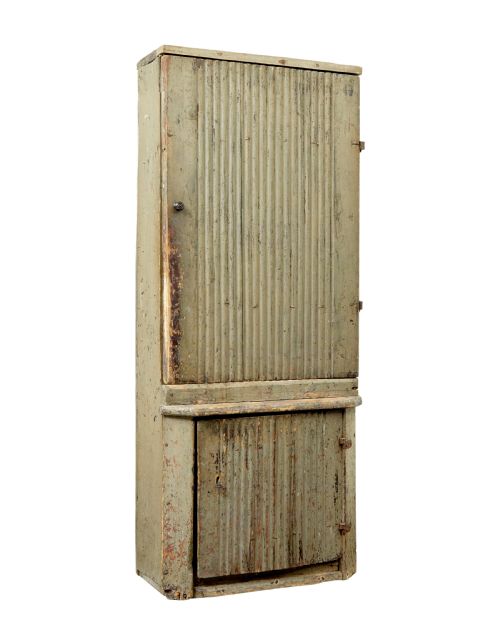
Metal components play a structural and functional role, utilising wrought iron hinges, blacksmith locks and brass fittings. Surfaces often display historic painted finishes, scrubbed pine, wax treatments or traces of folk art decoration.
Materials recorded across the inventory include pine, oak, walnut, chestnut, fruitwood, iron and brass.
What varies in quality
Quality rests upon the integrity of the original timbers and the retention of primary hardware, such as blacksmith-made locks and hinges. Pieces retaining their early painted finishes or natural patination hold greater character than those stripped down or heavily altered over time.
The refinement of regional joinery distinguishes standard utility pieces from finer country craftsmanship. Proportions, the execution of carved details, and the survival of original ventilation panels determine how successfully a cupboard preserves its domestic history.
The Antique Food Safe Cabinet Glossary
- Panetière
- A traditional French food cabinet or bread cage designed to store loaves away from mice and insects. These hanging or standing cupboards typically feature turned spindles or slatted sides for ventilation.
- Vented cupboard
- A storage cabinet fitted with wire mesh, pierced tin or perforated wooden panels to allow air circulation around perishable food. These form the core of kitchen provision storage before modern refrigeration.
- Housekeeper's cupboard
- A large tall storage piece historically used for linens, dry goods and provisions within a country house. They combine deep interior shelving with substantial panelled doors.
- Vernacular furniture
- Domestic pieces made by local craftsmen following regional traditions rather than metropolitan high styles. These objects utilise locally available woods like pine, oak and fruitwood.
- Confiturier
- A small French storage cupboard originally intended for preserving jars of confit and provisions. They usually stand on short legs with a single door and drawer.
Antique Food Safe Cabinet: Frequently Asked Questions
What is an antique food safe cabinet used for?
These cabinets served to store perishables, bread and dry goods in domestic kitchens before refrigeration existed. Ventilation allowed air to circulate while keeping pests away from the contents.
Today, they adapt well to modern homes as kitchen larders, bathroom linen storage or decorative display furniture.
How do I date an antique food safe cabinet?
Dating relies on examining the construction methods, tool marks, timber species and hardware such as hinges and locks. Seventeenth and eighteenth-century pieces typically show hand- cleft oak and forged iron, while nineteenth-century examples often use sawn pine.
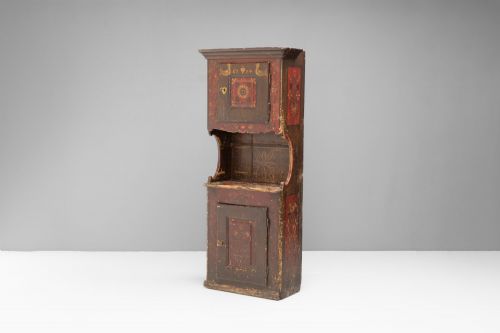
Stylistic traits also point to origin, from French provincial panetières to Scandinavian painted pine cupboards.
Are these cabinets made of solid wood?
Constructed by regional makers and country carpenters, these pieces utilise solid timbers rather than manufactured boards. Common woods include pine, oak, walnut, chestnut and fruitwood.
Surfaces frequently show the marks of heavy domestic use, patination and historic layers of paint or wax.
Why do some food safes have mesh doors?
Wire mesh or pierced wooden panels provided essential airflow to keep stored bread and food fresh in pre-industrial kitchens. This ventilation prevented moisture build-up while blocking insects and rodents.
Survival of original mesh or turned spindles adds significant authenticity to a piece.