
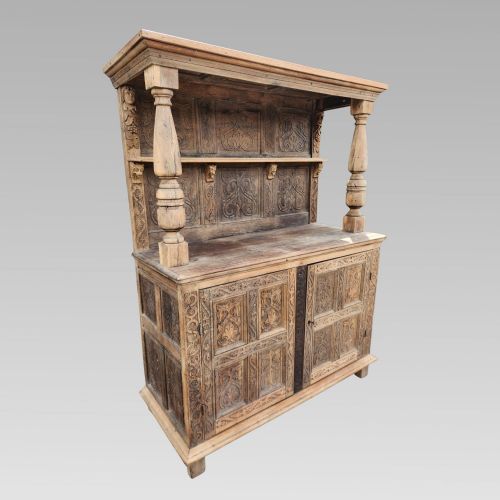


Rustic French Kitchen Cupboard
These rustic french kitchen cupboard pieces bring practical storage and provincial character to interiors, shaped by centuries of French country craftsmanship.
Rustic French Kitchen Cupboard
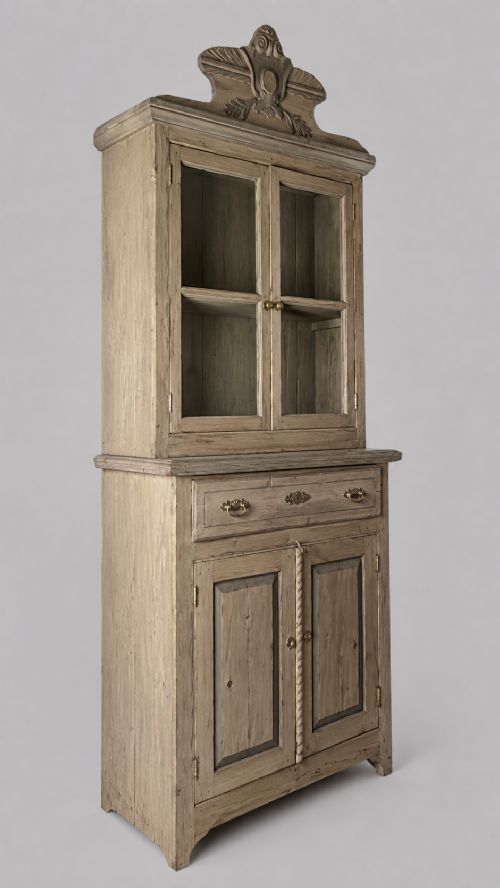
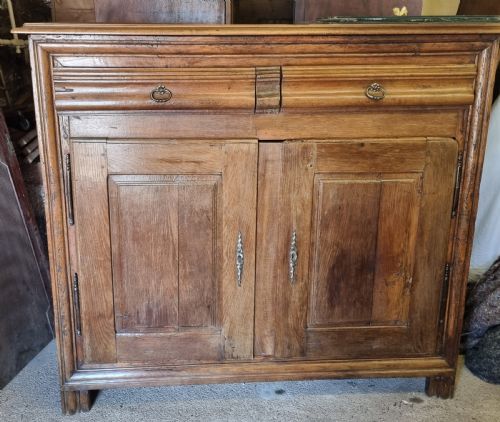
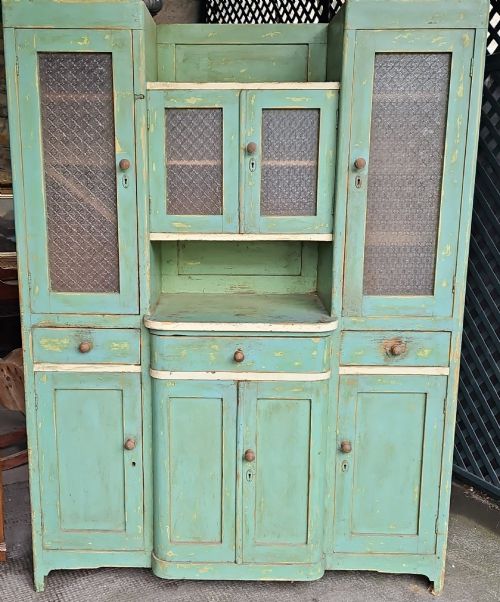
A rustic french kitchen cupboard encompasses a diverse range of provincial storage forms including larder cupboards, jam cupboards, bread safes, and housemaid cupboards. These pieces originate across periods from the eighteenth century to the early twentieth century, reflecting the domestic needs of French country homes.
Provincial utility dictates the form of each cupboard, whether designed for storing bread, tableware, or preserves. They range from low sideboards to tall armoires and two-part dressers suited for modern kitchen or dining spaces.
How they were made
Makers constructed these cupboards primarily using solid timbers such as oak, pine, chestnut, and walnut, often pairing them with fruit wood. Iron and brass hardware, alongside glass panels, completed the functional construction of doors and latches.
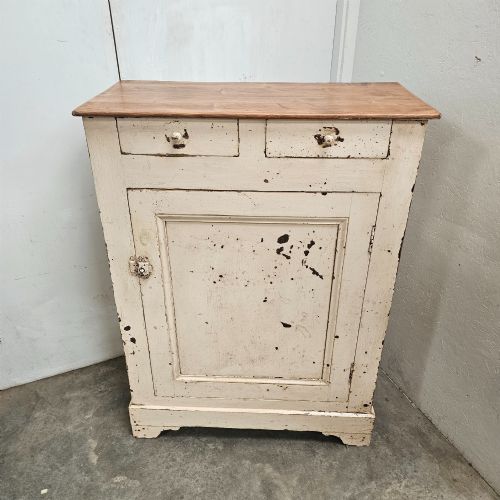
Techniques relied on traditional provincial joinery suited to heavy domestic use. Surfaces were left natural, painted, or finished with a distressed character typical of French country workshops.
The site listings feature eight distinct materials, including painted wood, iron, steel, brass, and glass alongside traditional oak, pine, and chestnut.
What varies in quality
Quality in these pieces rests upon the integrity of the timber and the depth of period character. Earlier eighteenth-century examples exhibit denser native hardwoods and hand-carved details that differentiate them from later industrial or Edwardian pieces.
The sophistication of regional joinery and the survival of original painted finishes or hardware elevate certain cupboards above standard utilitarian storage. The presence of secondary timbers and the authenticity of period surfaces determine the standing of each piece.
The Rustic French Kitchen Cupboard Glossary
- Panetiere
- A traditional French bread safe designed for ventilation, often featuring turned spindles or pierced wooden panels. This form kept loaves away from household pests.
- Confiturier
- A small French jam cupboard used originally for storing preserves and pots. These low-profile pieces fit easily into domestic kitchens.
- Sacristy Cabinet
- A provincial storage piece originally housed in religious buildings but adopted for domestic kitchens or hallways. They typically feature low buffet proportions.
- Vaisseleiere
- A traditional French rack or cupboard designed specifically for displaying and storing plates and tableware. They often incorporate open shelving or enclosed lower sections.
- Armoire
- A large upright cupboard or wardrobe used for general storage. Single or double door formats provided essential volume in provincial homes.
Rustic French Kitchen Cupboard: Frequently Asked Questions
What is a confiturier?
A confiturier is a small French jam cupboard designed for storing preserves in provincial kitchens.
These compact pieces typically feature a single door and drawer, making them practical for modern living spaces as side tables or bedside units.
How do I date an antique French cupboard?
Dating relies on examining the timber species, construction joinery, and hardware used in the piece. Eighteenth-century examples often display hand-carved details and denser native woods.
Later nineteenth and twentieth-century pieces incorporate machine-sawn elements and alternative materials like steel or brass alongside traditional pine and oak.
Where were larder cupboards used?
Larder cupboards were utilised in French country kitchens and pantries for storing perishable foods safely.
Their enclosed compartments and ventilated designs kept provisions organised before the widespread adoption of refrigeration.
What is a bread safe?
A bread safe, or panetiere, is a specialised wooden cabinet featuring ventilated spindle sides to keep baked bread fresh.
These decorative yet functional items originated in regional France and sit well in contemporary kitchens as feature storage units.