
Pine Armoire
A pine armoire brings substantial storage and honest country character to a room, offering versatile utility through tall wardrobes, housekeeper's cupboards, and linen presses.
Pine Armoire
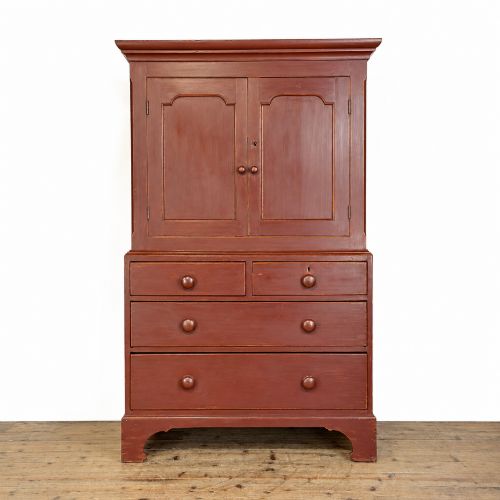
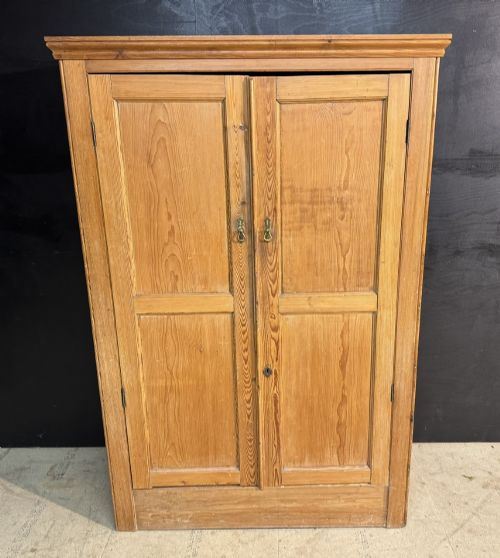
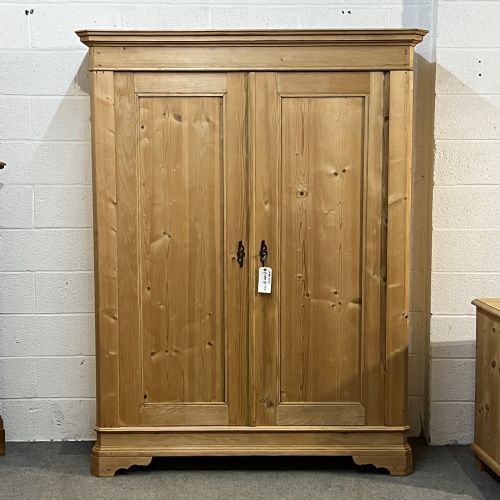
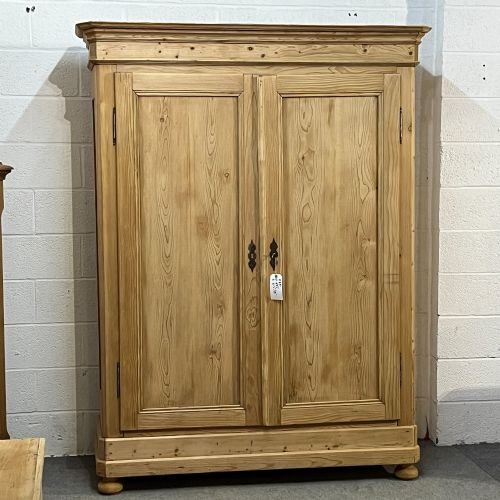
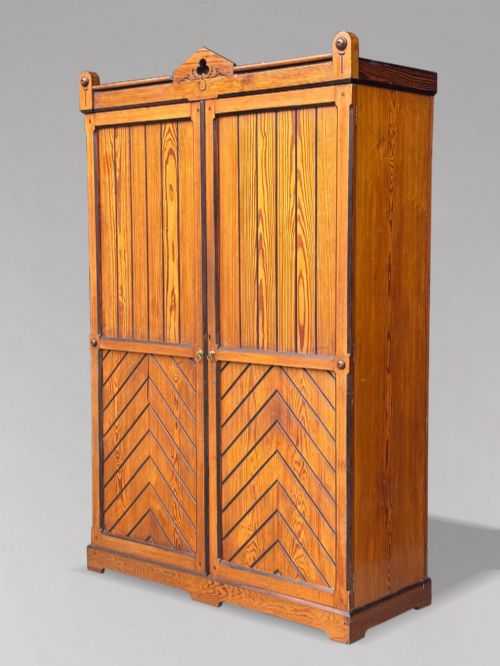
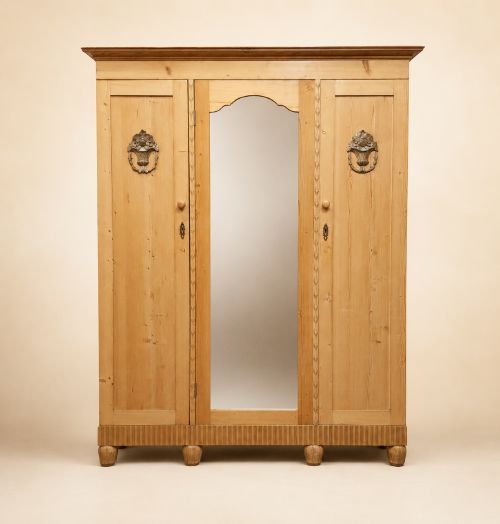
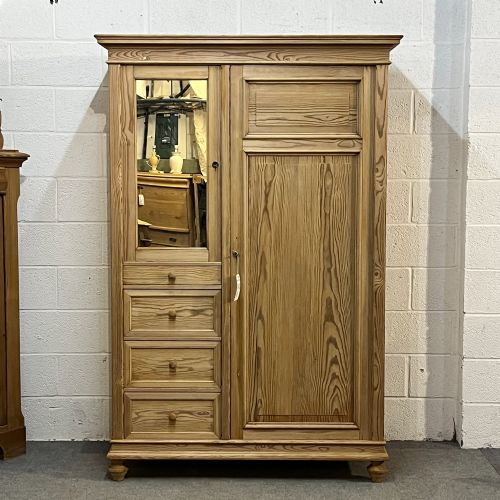
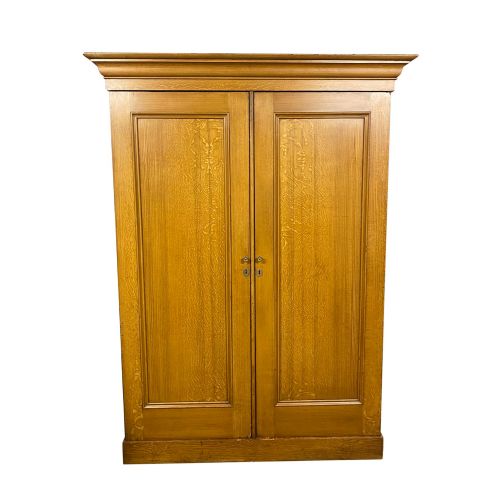
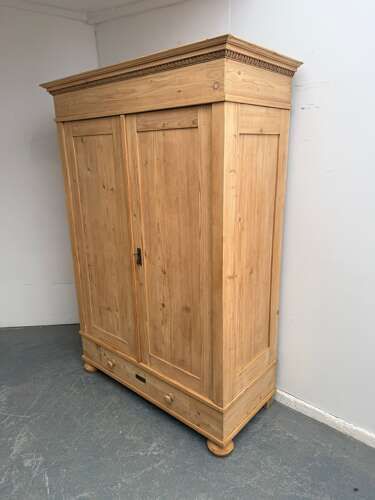
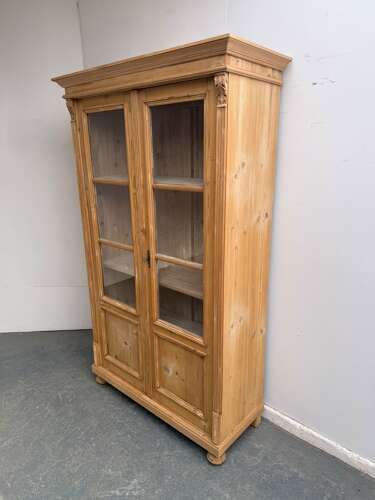
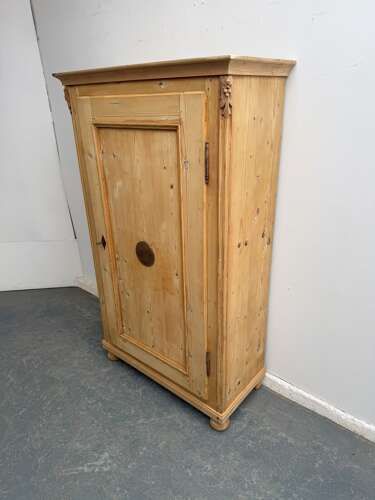
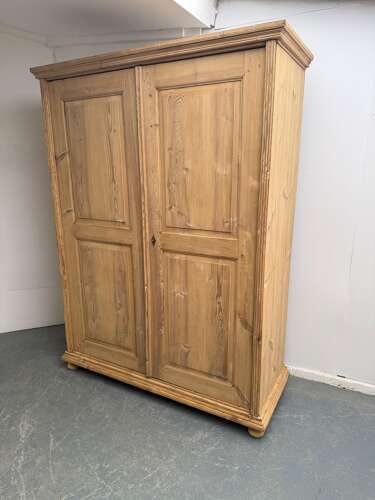
A pine armoire appears in various forms across this selection, ranging from large French and Scottish double wardrobes to Georgian gun cupboards and housekeeper's presses. Buyers seek these pieces for practical bedroom and kitchen storage, appreciating the generous proportions and straightforward utility built by past joiners.
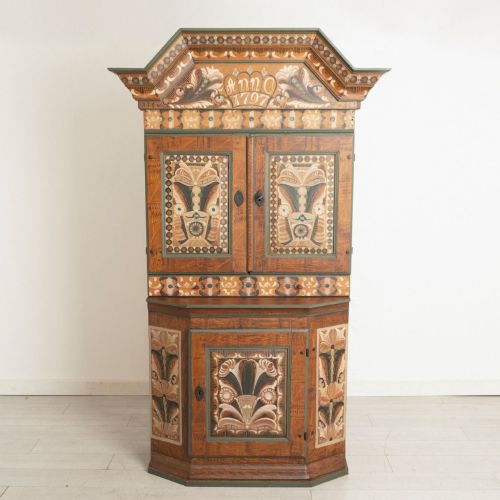
The pieces span multiple periods including Georgian, Victorian, and the early twentieth century, alongside specific regional expressions such as Swedish folk art and French provincial styles. Victorian knockdown wardrobes and tall storage cabinets dominate the selections available, designed for easy transport and assembly in domestic rooms.
Materials and Construction
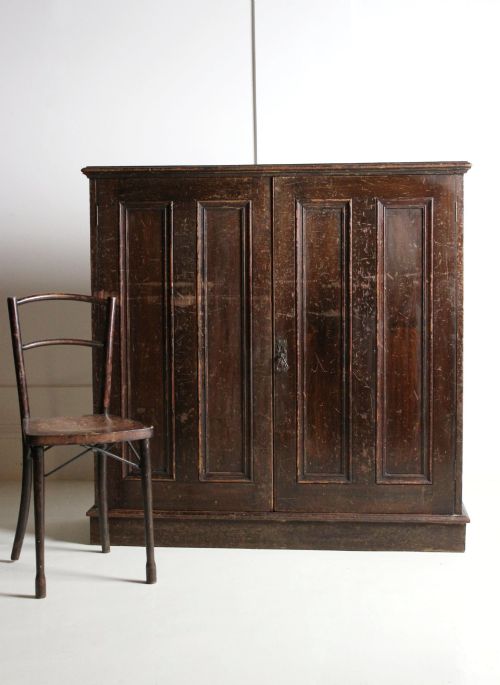
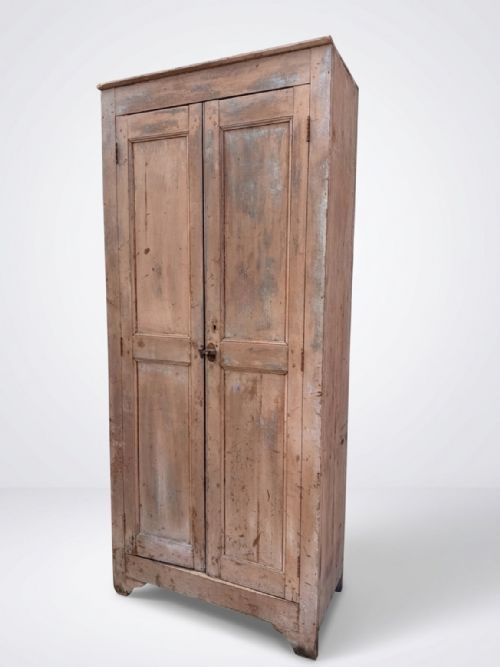
Makers utilised solid pine and pitch pine for carcases and doors, frequently integrating iron, brass, and glass hardware for hinges, handles, and panel inserts. Surfaces display either a natural waxed pine finish or historical paint layers, including original scumble faux oak treatments and decorative Swedish folk art pigments.
Joinery methods encompass heavy mouldings, arched doors, and bead detailing, with many larger Victorian and Arts & Crafts wardrobes constructed as knockdown units held together by internal wooden pins or wedges. Larder cupboards and press cabinets rely on sturdy shelving and deep drawer arrangements to support heavy household storage.
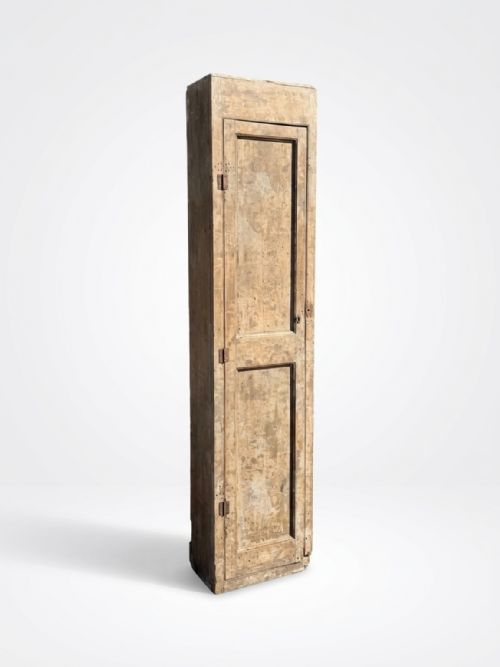
A Japanese larder cupboard sits among traditional European pieces, proving that practical pine storage travelled far across global workshops.
Evaluating the Pieces
Quality rests in the integrity of the original construction, the thickness of the timber, and the survival of untouched surfaces like scumble paint or early folk art decoration. Pieces retain greater character when original hardware, locks, and interior shelving remain unaltered by later alterations.
Proportion and scale dictate the visual success of a wardrobe or cupboard, from shallow arched Victorian storage units to massive French double wardrobes. The cleanliness of the timber grain and the crispness of mouldings distinguish standard utility furniture from finer architectural examples.
The Pine Armoire Glossary
- Knockdown wardrobe
- A large wardrobe designed to dismantle completely for transport, using pegged joints rather than fixed glue.
- Housekeeper's cupboard
- A tall storage piece traditionally used for linens and provisions, combining upper cupboards with lower drawers.
- Scumble paint
- A decorative surface technique applied with a comb or brush over a pale base coat to simulate the grain of oak.
- Compactum wardrobe
- A fitted multi-compartment wardrobe that divides hanging space from internal drawers and smaller shelving sections.
- Linen press
- A tall cupboard featuring sliding trays or shelves behind doors, historically utilised for storing household textiles flat.
Pine Armoire: Frequently Asked Questions
How do I assemble a knockdown pine wardrobe?
Knockdown wardrobes dismantle into separate side panels, top and bottom cornices, doors, and backboards for easy transport through tight stairwells. The sections slot together using internal wooden pegs, wedges, or bolts without requiring complex modern tools.
Take care to label each component as you unpack it, ensuring the panels return to their exact original positions. A rubber mallet helps gently guide tight wooden joints back into alignment during the final build.
What is the difference between a wardrobe and a housekeeper's cupboard?
A wardrobe functions primarily as a hanging space for garments, often fitted with a full-length rail or internal hooks. Housekeeper's cupboards serve a broader utility role, combining enclosed shelving with banks of lower drawers for general household storage.
Housekeeper's cupboards traditionally stood in hallways, kitchens, or utility areas to hold linens and provisions. Wardrobes belong inside bedrooms, designed with deeper carcases to accommodate bulky coats and dresses.
Should I wax or paint a stripped pine cupboard?
Many Victorian cupboards arrive ready for a fresh finish, allowing you to choose between traditional beeswax or a painted surface. Beeswax enriches the natural golden tone of the pine and builds a soft sheen over time.
Paint protects the timber and matches specific interior decorating schemes, echoing historical finishes like scumble or folk art pigments. Avoid painting pieces that retain original historic paint layers, as historical surfaces hold distinct collector interest.
How can I date an old pine wardrobe?
Dating relies on construction methods, hardware types, and distinct stylistic markers from the Georgian, Victorian, or Arts & Crafts periods. Early nineteenth-century pieces often feature hand-planed surfaces, pegged joinery, and simpler iron latches.
Later Victorian and 1930s examples introduce machine-cut mouldings, mirrored doors, and more complex internal configurations like compactum shelving. Match the proportions and decorative details against the recorded production era of the piece.