
Vintage Pantry Cupboard
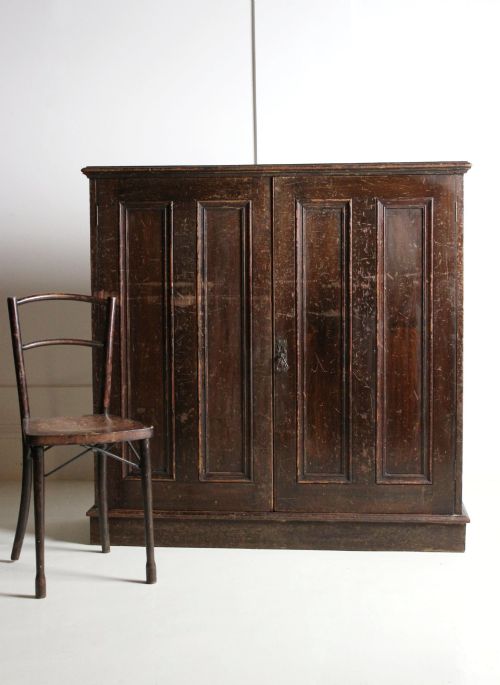
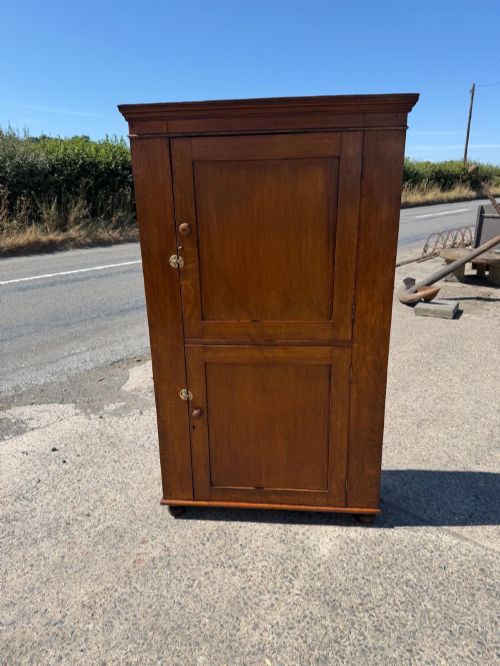
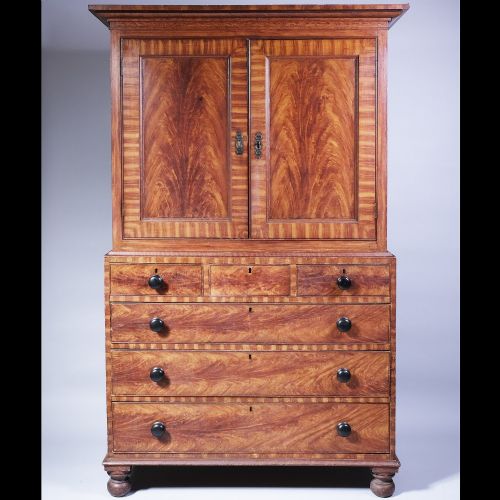
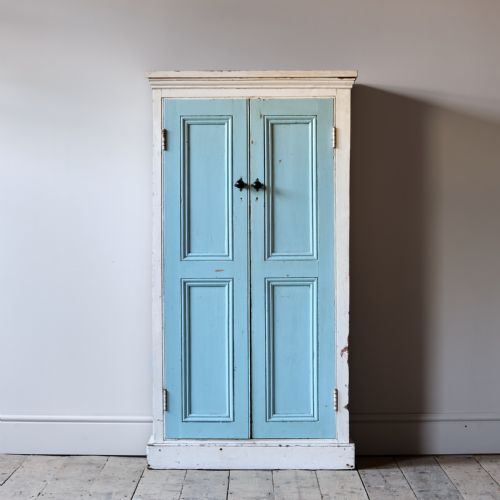
A vintage pantry cupboard provides deep, honest storage for provisions and kitchenware, carrying the honest grain and marks of past domestic use.
Vintage Pantry Cupboard
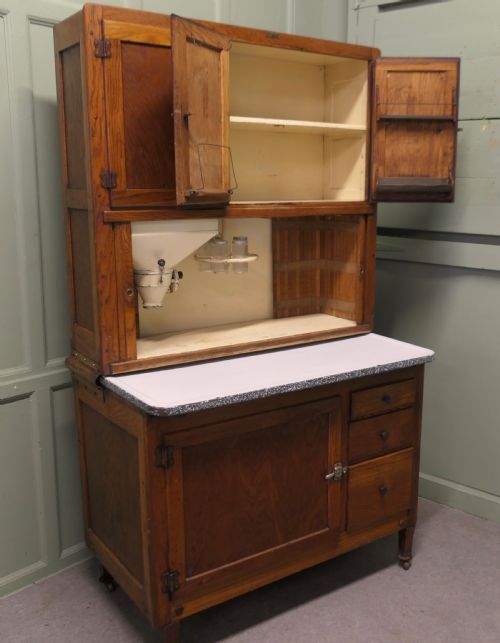
A vintage pantry cupboard encompasses sturdy housekeepers' cupboards, larder cupboards, and kitchen dressers designed for food and linen storage. These pieces emerge primarily from the nineteenth and early twentieth centuries, spanning Victorian, Georgian, and Edwardian periods.
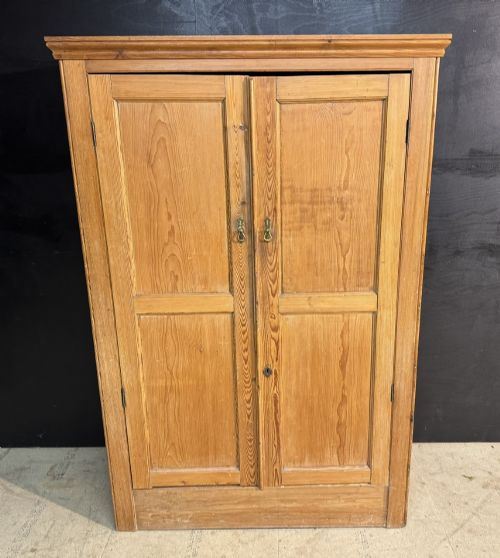
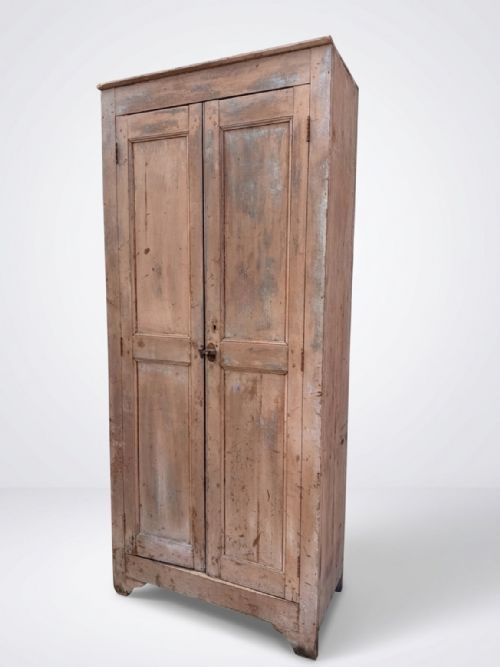
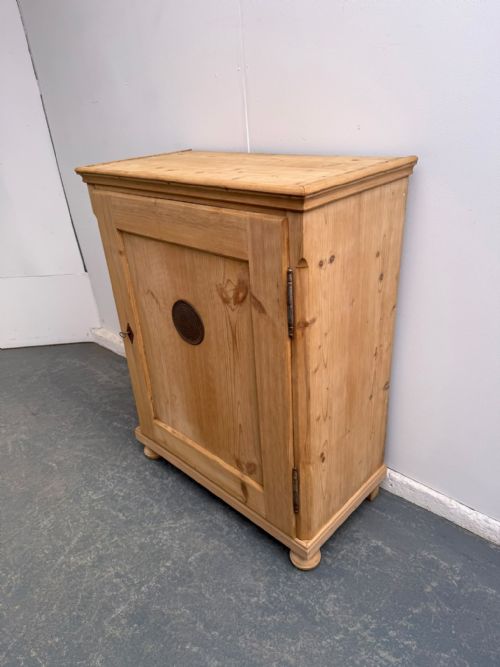
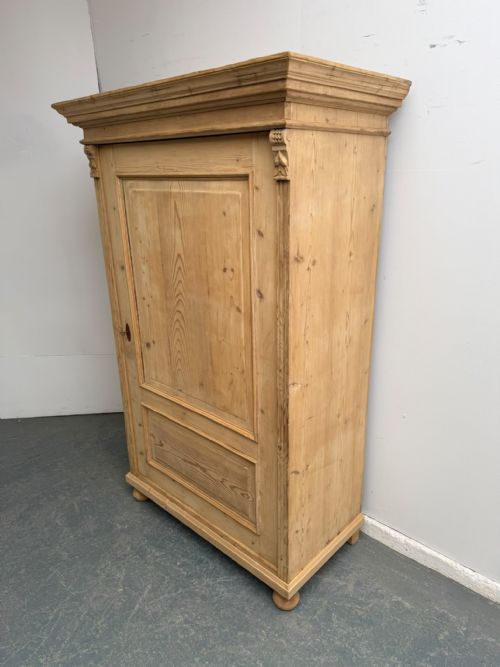
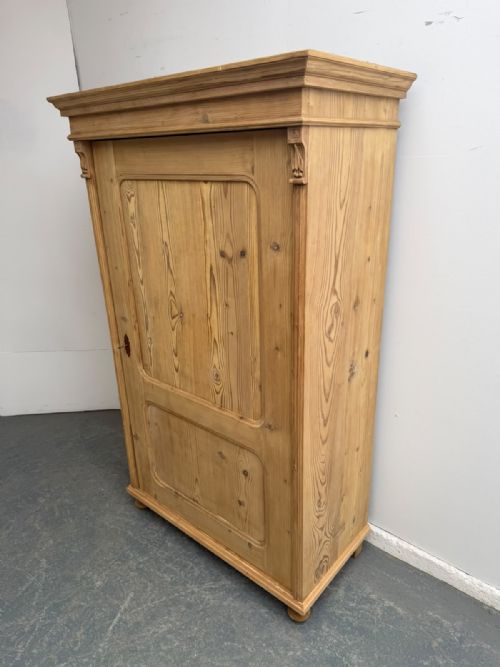
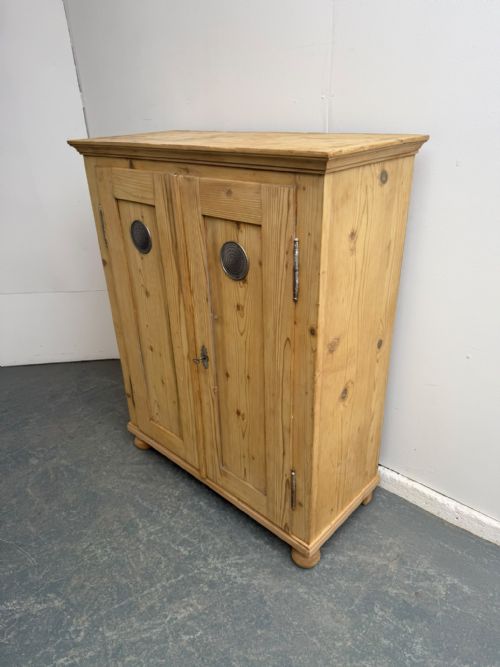
The version most commonly met on this page is constructed from pine, often found painted, scumble-painted, or stripped to reveal the timber. Regional variations reach from English and French country workshops to Baltic, East European, and Austro-Hungarian traditions.
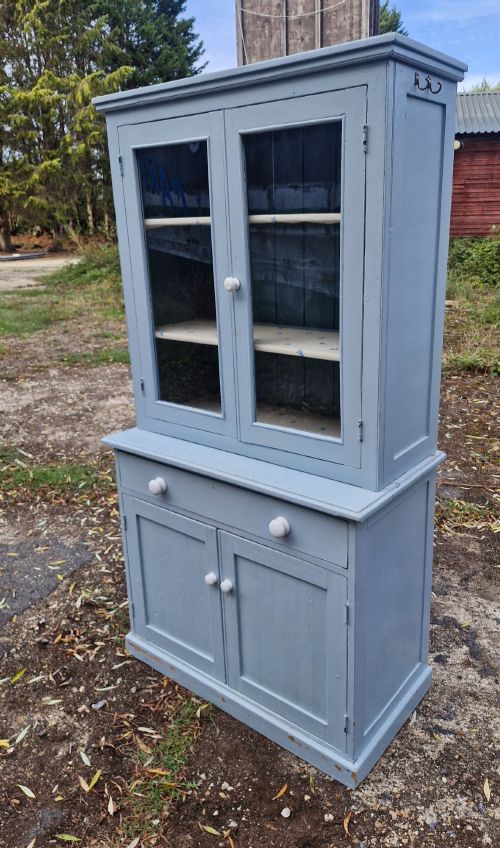
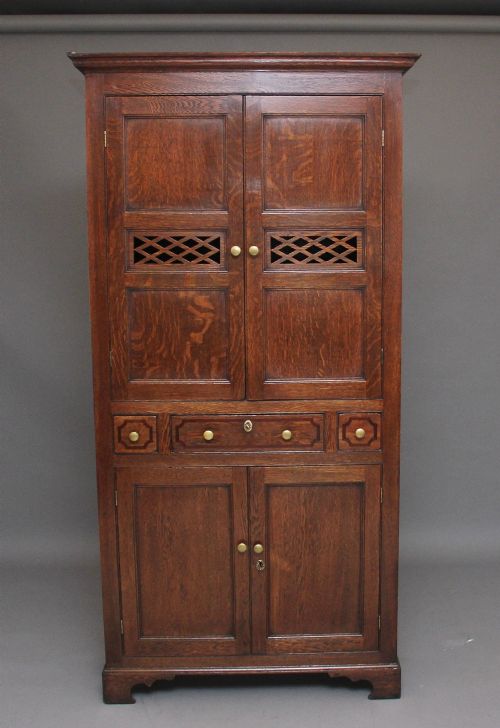
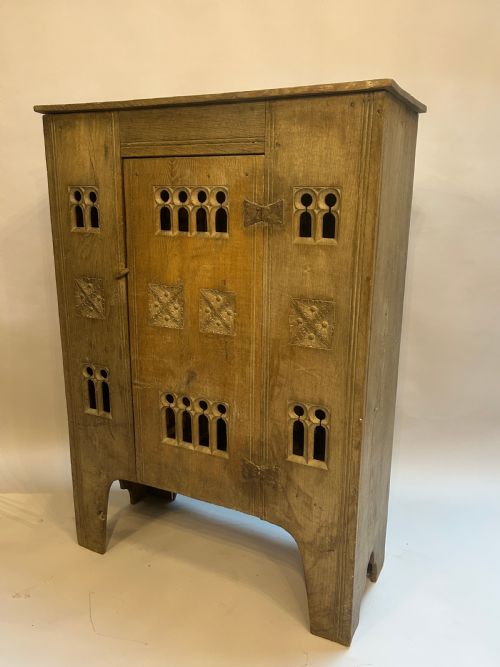
Forms range from single-door vented cupboards and two-part kitchen cabinets to tall three-door school cupboards and breakfront dressers. These utilitarian storage pieces reflect the domestic routines of their era, offering generous shelving behind panelled or glazed doors.
Materials and Construction
Carpenters relied heavily on solid pine and oak for these utilitarian storage pieces, joined with traditional framing methods. Timber selection prioritised utility and durability, resulting in sturdy carcasses designed to bear heavy loads of provisions and crockery.
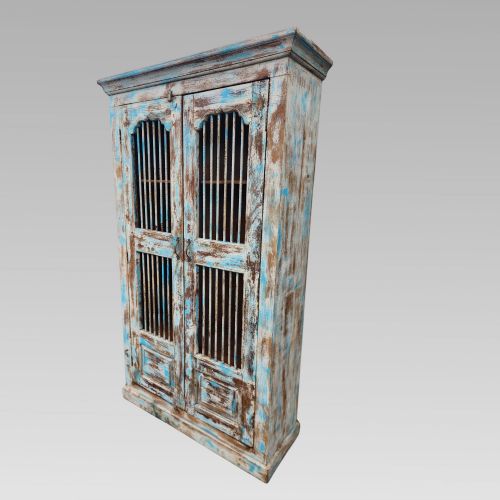
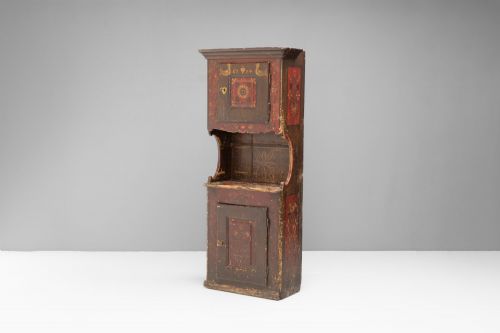
Surfaces received various treatments, from clear wax to layers of paint, scumble glaze, or original hand-painted decoration. Iron and brass hinges, latches, and handles completed the construction, securing doors that often featured ventilation slats for food preservation.
Listings feature pine and oak constructions spanning the eighteenth, nineteenth, and early twentieth centuries, incorporating both British and continental European provincial designs.
Judging Quality in Storage Furniture
Quality rests in the integrity of the original timber and the retention of early or original surface finishes, such as historic paint or scumble work. Pieces retaining their original hardware, uncompromised shelving, and unaltered structural proportions stand apart from heavily restored or altered examples.
Hudson Bros
The Vintage Pantry Cupboard Glossary
- Housekeepers cupboard
- A large storage piece traditionally used in manor houses for linens, dry goods, and tableware. These items usually feature multiple doors and internal shelving.
- Scumble paint
- A decorative surface technique where a translucent glaze is manipulated over a lighter base coat to imitate wood grain or create textured patterns. This finish appears frequently on nineteenth-century country furniture.
- Fielded panel
- A central wood panel with bevelled edges set into a frame, designed to accommodate the natural expansion and contraction of timber. This construction method prevents warping in large cupboard doors.
- Breakfront
- A cabinet design where the central section projects forward from the flanking wings. This architectural arrangement breaks the linear monotony of large storage furniture.
- Vented cupboard
- A storage unit incorporating pierced panels, wire mesh, or slatted doors to allow air circulation. These cabinets kept dairy, bread, and other perishables fresh before refrigeration.
Vintage Pantry Cupboard: Frequently Asked Questions
What is a vintage pantry cupboard?
A vintage pantry cupboard is a freestanding wooden storage unit historically used to keep food, flour, and provisions in domestic kitchens before fitted units existed.
These cabinets usually feature deep shelves and enclosed doors, sometimes with ventilation slats to keep perishables fresh.
How were housekeepers cupboards used?
Housekeepers cupboards served as the central storage hub for large households, housing household linens, dry goods, and kitchen equipment.
The upper sections typically held tableware or provisions, while lower compartments stored bulk goods and heavy textiles.
How do I date a pine cupboard?
Dating relies on examining construction methods, timber preparation marks, hardware types, and the presence of original paint or wax finishes.
Hand-cut nails, pegged joints, and drawer construction details provide clear clues to whether a piece originates from the Georgian, Victorian, or Edwardian era.
Can I paint an antique cupboard?
Many of these pieces spent their working lives under layers of paint or scumble glaze, and numerous examples listed here remain in unstripped painted finishes.
Applying a traditional paint finish aligns with the utilitarian history of these rustic storage items, provided the historic surface is not of exceptional rarity.
Where were these cupboards made?
These cupboards originate from across Britain, France, Germany, and Eastern Europe, reflecting distinct regional vernacular traditions.
Local timber choices and regional decorative painting styles help identify whether a cabinet emerged from an English country workshop or an Austro-Hungarian farmhouse.