


Eighteenth Century Cupboard
An eighteenth century cupboard brings centuries of domestic history into a room, offering robust storage fashioned from native timbers.
Eighteenth Century Cupboard
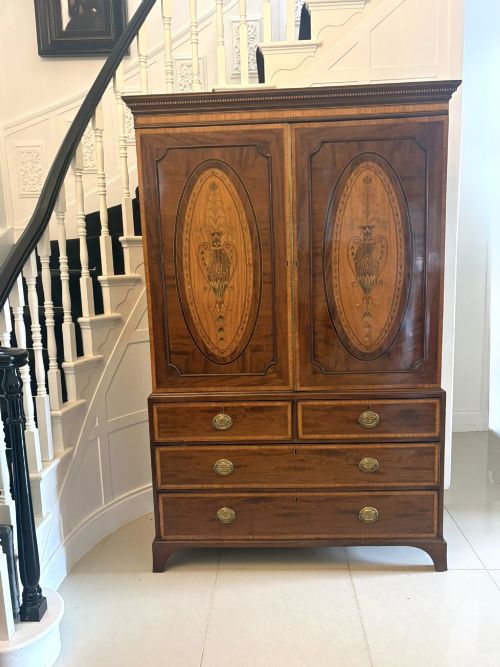
When searching for an eighteenth century cupboard, a buyer encounters a diverse group of practical storage pieces originating from English, Welsh, French, and Dutch workshops. These range from hanging wall corners and pot cupboards to substantial linen presses and regional dressers.
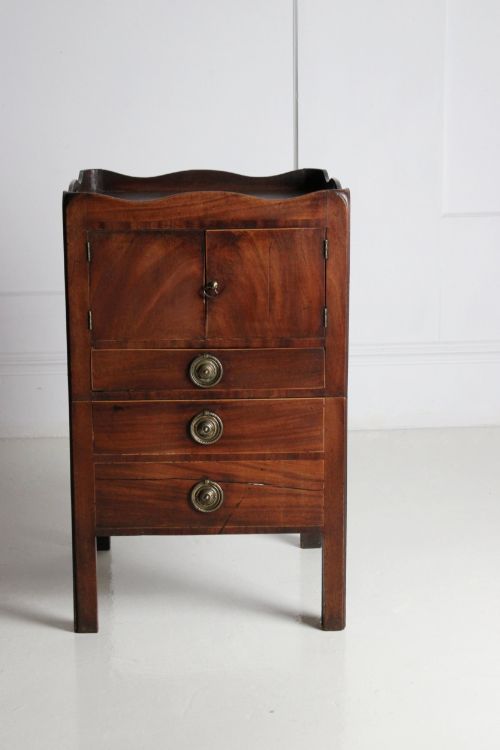
The most common variants on this page include Georgian oak and mahogany corner cabinets alongside provincial European fruitwood, ash, and elm pieces. Each form reflects the specific domestic needs of its period, whether storing household linens, food provisions, or tableware.
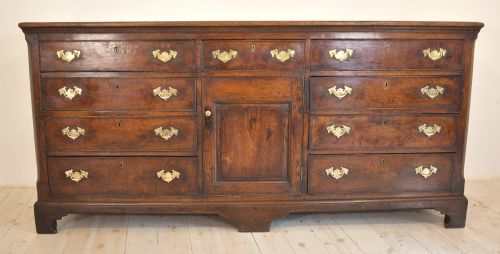
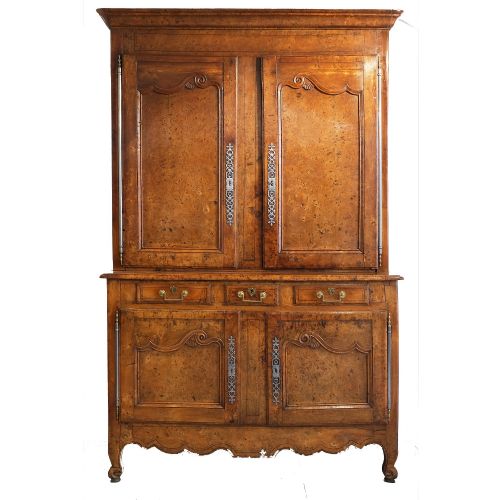
Regional pieces, particularly Welsh country examples and French provincial buffets, display local building traditions using native woods. These items connect directly to domestic interiors of the seventeen-hundreds, providing functional storage with distinct historical character.
Materials and technique
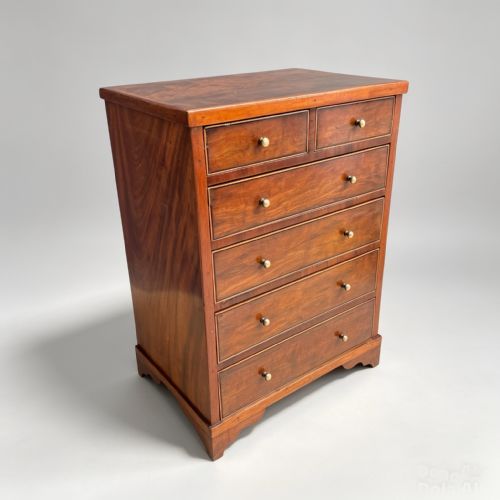
Cabinet makers built these pieces using durable native and imported timbers, predominantly oak, mahogany, walnut, and regional fruitwoods. Timber selection dictated construction methods, with dense oak suited to pegged framework and mahogany allowing finer cabinet work.
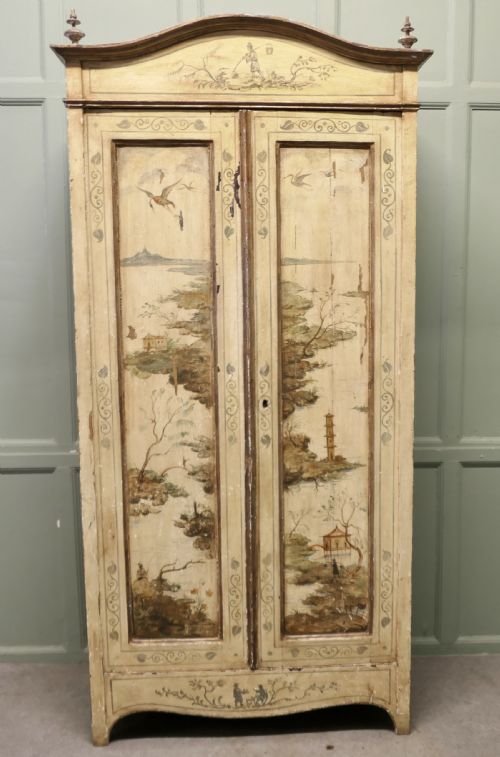
Surface decoration frequently involved brass hardware, iron hinges, and occasionally satinwood inlay or painted lacquer finishes in the Chinoiserie taste. Joinery relied on traditional techniques such as mortise and tenon frames, dovetail drawers, and hand-cut panels designed to accommodate timber movement over time.
Eighteenth Century Cupboard Retail Price Guide 2026
Typical asking prices for eighteenth century cupboard among the pieces listed under this phrase on Sellingantiques today, from the lower quarter to the upper quarter. They describe what is for sale here now, not the wider market.
Some provincial cupboards still retain the faint, lingering scent of dried herbs and centuries of stored kitchen linens inside their dark oak interiors.
Defining quality
Quality in these pieces depends upon the integrity of the timber and the restraint shown in any surface decoration. Superior examples retain their original brass handles, hinges, and patinated timber surfaces without excessive modern intervention or unsympathetic timber replacement.
Construction precision separates standard utility pieces from exceptional cabinet work. Well-made cupboards show tight joints, straight door alignments, and hand-carved mouldings that demonstrate the skill of the original workshop.
The Eighteenth Century Cupboard Glossary
- Linen press
- A tall storage piece comprising upper sliding shelves or hanging space above a base of drawers. This form was traditionally used for storing household linen flat.
- Corner cabinet
- A storage unit designed to fit neatly into ninety-degree room angles. These are found in both standing floor models and smaller hanging wall versions.
- Chinoiserie
- European decorative style imitating Chinese artistic traditions. Pieces often feature hand-painted lacquer scenes depicting figures, landscapes, and floral motifs.
- Marquetry
- Inlay technique where thin slices of various coloured woods are assembled into decorative pictorial patterns. This method frequently appears on Dutch furniture.
- Court cupboard
- An antique double-tiered storage piece used for displaying plate and storing provisions. The upper section is typically recessed behind carved supports.
Eighteenth Century Cupboard: Frequently Asked Questions
What is an eighteenth century cupboard?
These are historical storage pieces built primarily in oak, mahogany, and walnut during the seventeen-hundreds. They include corner cabinets, linen presses, food cupboards, and regional country dressers.
Each piece served a specific domestic purpose in the home, combining practical storage compartments with the distinct decorative styles of the Georgian and provincial European periods.
How were these cupboards used?
Original uses varied widely depending on the specific form and room placement. Large press cupboards and linen presses stored household textiles, while smaller corner cabinets held ceramics or glassware.
Food cupboards and buffet units kept perishable provisions or tableware secure in dining spaces, acting as the primary storage furniture before fitted kitchens existed.
How do I care for antique timber?
Maintaining these pieces requires stable environmental conditions away from direct heat sources and strong sunlight. Sudden humidity changes cause solid timber and historic veneers to split or warp.
Regular dusting with a dry, soft cloth is sufficient for maintenance. Traditional wax polishes can be applied sparingly to nourish dry wood and preserve the surface patina.
How do I identify different regional styles?
Regional identification relies on observing the primary timber used and the structural characteristics of the construction. Welsh and English pieces frequently employ native oak with simple panel work, while Dutch items often utilise walnut and elaborate marquetry.
French provincial examples display local fruitwoods and regional carving motifs, reflecting the specific timber availability and aesthetic preferences of their makers.