
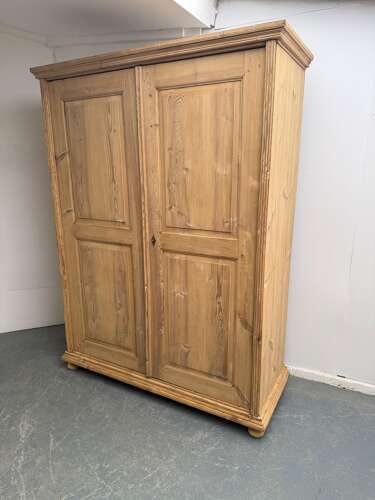
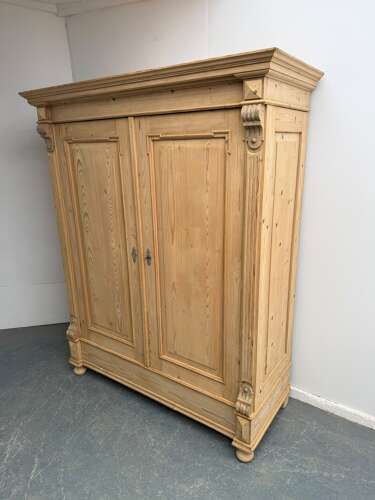
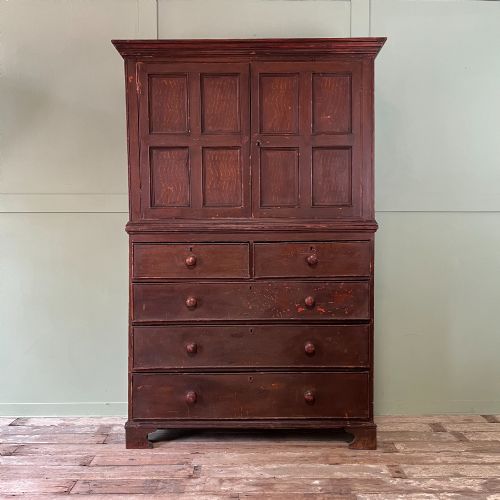
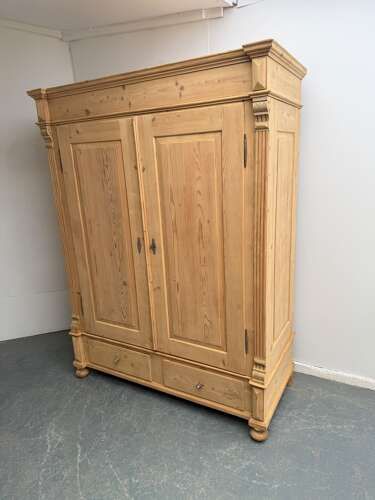
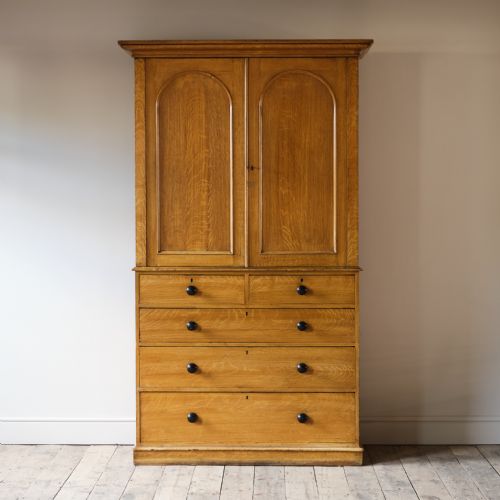
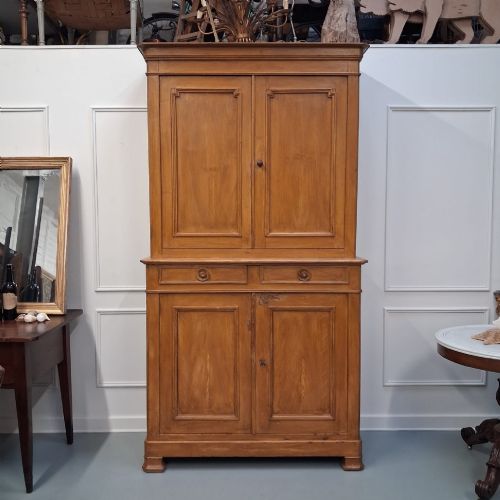
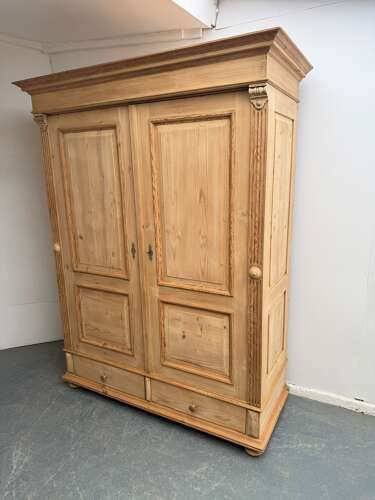
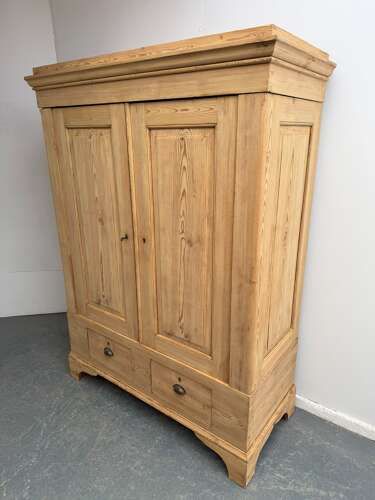
Painted Pine Linen Press
A painted pine linen press offers honest rural storage with the character of aged surfaces and simple timber construction.
Understanding painted pine linen presses
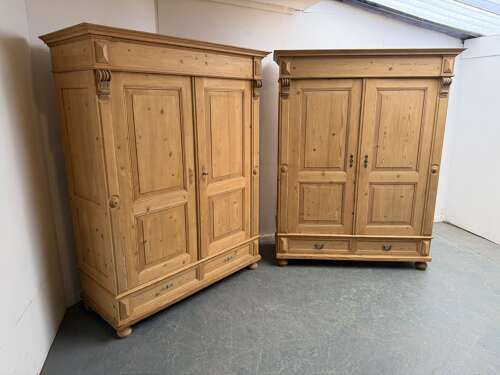
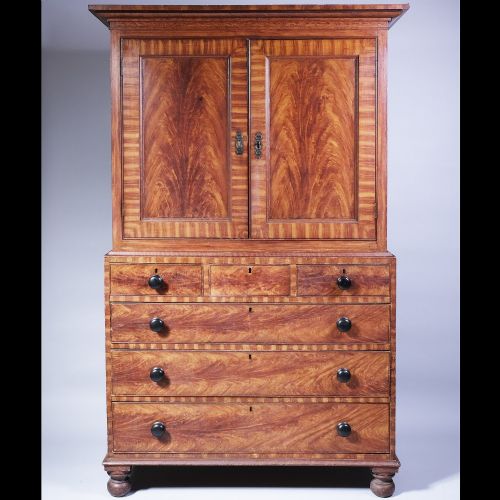
A painted pine linen press is a substantial storage piece built primarily for household textiles and garments, combining upper cupboard space with lower drawers or shelving. When you browse this selection, you encounter pieces originating from English, Irish, and Scandinavian traditions, dating predominantly through the nineteenth century.
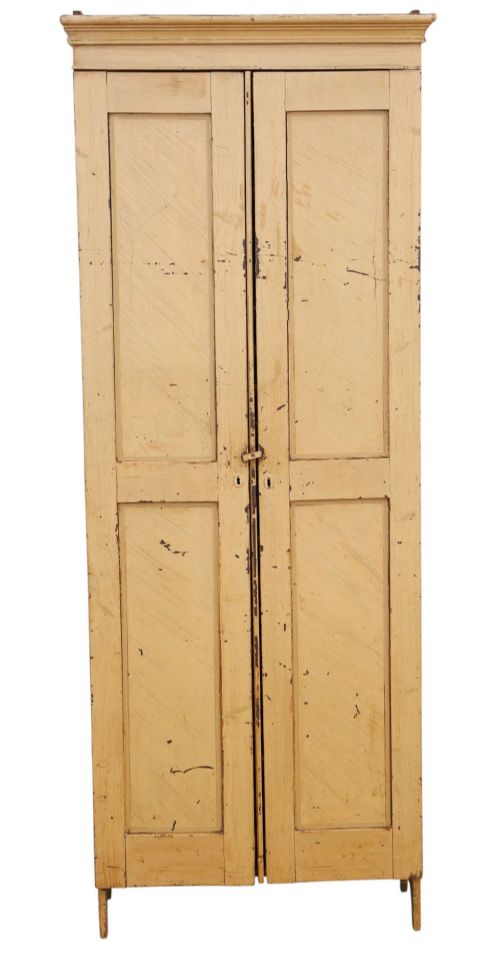
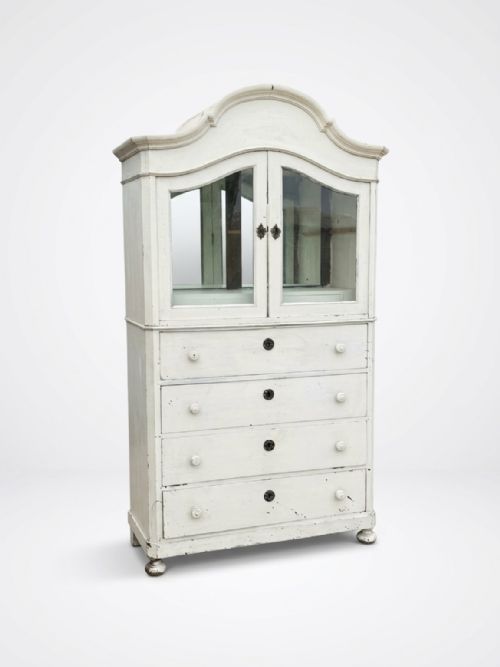
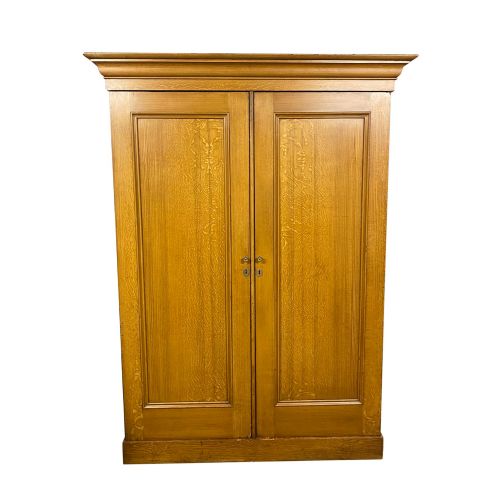
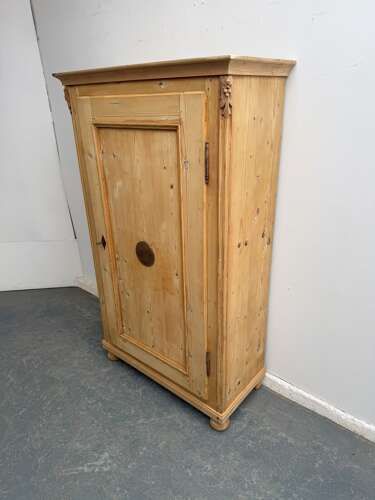
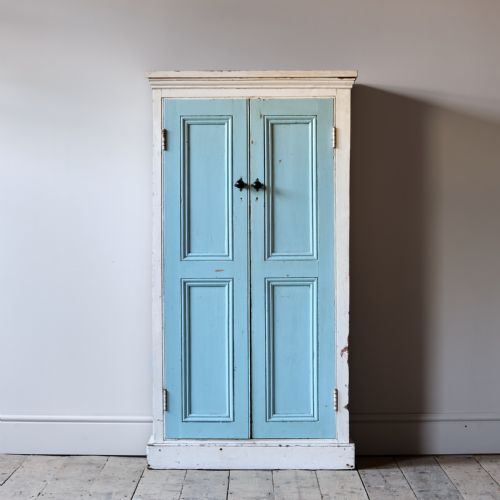
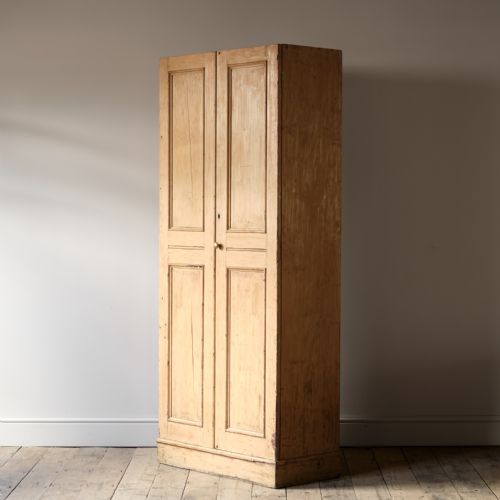
The category encompasses varied regional interpretations, from Gustavian Swedish kitchen cabinets and ragwork cupboards to English housekeepers cupboards and Westmoreland linen presses. These pieces reflect vernacular cabinetmaking where utility dictated the form, resulting in sturdy double door cupboards and tall presses on chests.
Surviving examples showcase the evolution of domestic storage before fitted wardrobes became common, serving bedrooms, landings, and large farmhouse kitchens. Buyers choose these items for their architectural presence and the tactile warmth of pine softened by historic layers of paint.
Materials and construction
Makers constructed these presses using deal and pine timber, selected for availability and workability rather than prestige, often joining panels with traditional pegged mortise and tenon joints. Iron and brass hardware such as hinges, escutcheons, and drawer pulls secure the heavy doors and drawers.
Surface finishes applied over the bare softwood include scumble glazes, traditional ragwork patterns, and historic flat oil paints. These decorative treatments were applied to mimic finer hardwoods or simply to protect the porous pine while brightening dimly lit domestic interiors.
Retail Price Guide 2026
Typical UK retail prices for painted pine linen press, calculated from the Sellingantiques database of over a million retail prices indexed since 2003. This retail price guide relies exclusively on Sellingantiques data; no external sources or auction records are used, so the figures do not describe the wider market.
Painted finishes documented in the inventory include scumble glaze, traditional ragwork, and regional flat oil paint.
Assessing quality and character
Quality in a painted pine linen press rests upon the survival of authentic early surface finishes and the integrity of the original timber frame. Pieces retaining their initial scumble, ragwork, or regional paint layers without excessive later overpainting command greater interest from collectors.
Proportion and regional vernacular detailing distinguish standard utility items from finer country workshop production. Well-balanced cornices, robust bracket feet, and original brass or iron fittings elevate the piece beyond a purely functional storage box.
The Painted Pine Linen Press Glossary
- Scumble painted
- A decorative technique where a translucent glaze is dragged or brushed over a lighter base coat to simulate wood grain or create mottled texture. This finish appears frequently on nineteenth-century country furniture.
- Ragwork
- A patterned paint effect created by manipulating wet pigment with rags or cloths to produce soft, mottled textures on the surface of the timber. It was popular in Scandinavian vernacular design.
- Housekeepers cupboard
- A large storage cabinet traditionally used to store linen, dry goods, and domestic supplies in large country houses. They often feature multiple doors and internal shelving.
- Linen press
- A tall piece of furniture designed specifically to store folded sheets and garments, traditionally combining upper cupboard doors with sliding trays or shelves above a chest of drawers.
- Gustavian
- The Swedish neoclassical style spanning the late eighteenth and nineteenth centuries, characterised by restrained carving, pale painted finishes, and functional elegance.
Frequently Asked Questions
What is a painted pine linen press?
A painted pine linen press is a large nineteenth-century storage cabinet made from softwood and finished with historic decorative paint. It typically combines upper cupboard storage with lower drawers for textiles.
These pieces originate from various regional traditions including English, Irish, and Scandinavian country workshops. Their enduring appeal lies in practical storage capacity combined with aged decorative surfaces.
How were these cupboards used historically?
Historically, households utilised these presses and cupboards to store household linens, freshly laundered garments, and bedding away from dust and damp. They stood in bedrooms, landings, and large farmhouse kitchens where extra storage was essential.
Housekeepers and family members accessed the deep shelves and drawers daily for household management. Their robust construction handled heavy textiles with ease.
Are the paint finishes original?
Survival of original paint varies significantly across pieces, with some retaining their first scumble or flat oil finish and others showing historic layers of later decoration. Examining the wear patterns and pigment integration helps determine surface age.
Many country pieces were repainted periodically as fashions changed or rooms were redecorated. Collectors often prize pieces that show undisturbed patination and honest signs of age.
How do I fit a tall press into a modern room?
Integrating a tall linen press into a contemporary interior requires measuring ceiling height and clearance carefully, as these pieces were built for high-ceilinged period properties. Placing them in bedrooms, hallways, or spacious living areas provides substantial vertical storage.
Because they feature neutral or coloured painted finishes, they complement minimalist schemes as well as traditional rustic decors. Their calm timber presence anchors a room without overwhelming the floor space.
What is the difference between a press and a cupboard?
A traditional linen press specifically incorporates internal sliding trays or shelves designed to keep folded textiles flat behind upper doors, often sitting upon a base of lower drawers. A general cupboard focuses on open shelving or hanging space without the specific press mechanism.
Both forms utilise pine construction and painted surfaces within nineteenth-century country vernacular furniture. The terminology often overlaps depending on regional cataloguing traditions.