



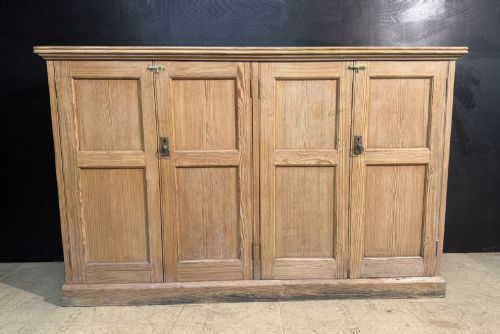
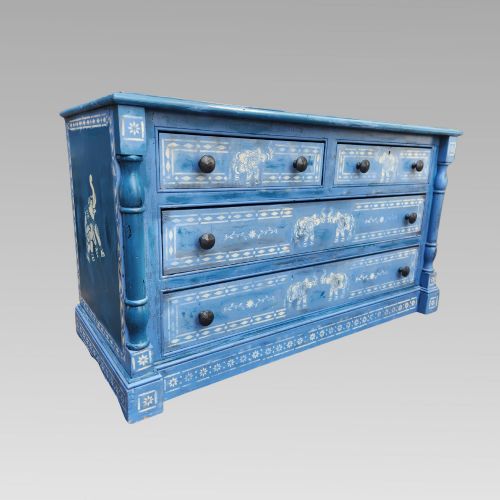
Pine Storage Sideboard
These pine storage sideboard pieces offer practical utility through traditional joinery, bringing historic character and generous surface space into modern rooms.
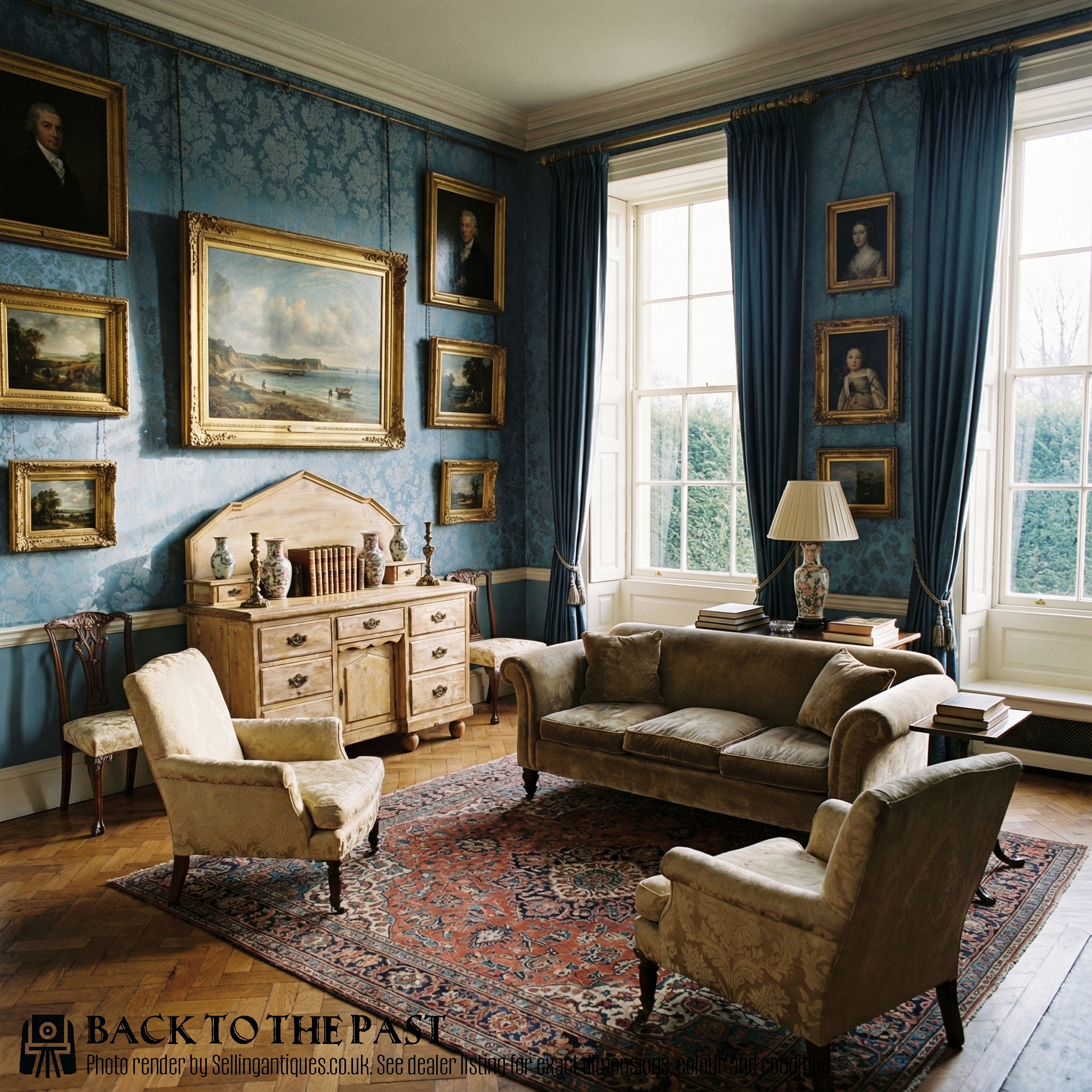
Pine Storage Sideboard
A pine storage sideboard brings together sturdy timber construction and ample capacity, serving practical functions in kitchens, dining rooms and hallways. Buyers searching for a pine storage sideboard frequently encounter nineteenth-century dresser bases, cupboards and low cabinets designed for everyday domestic use.
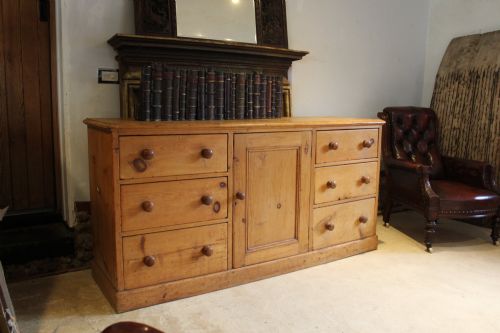
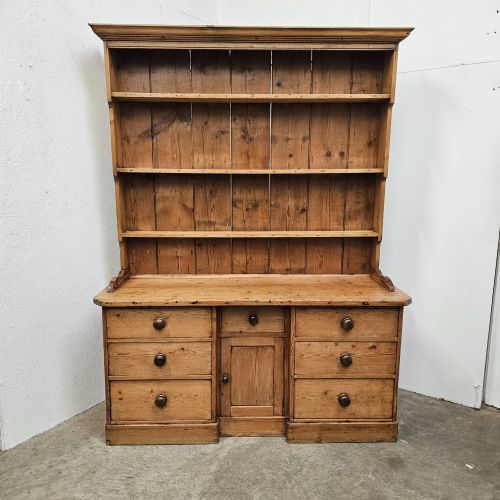
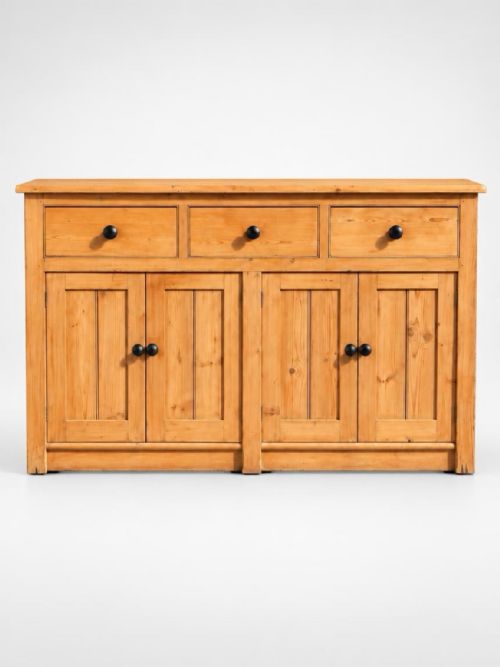
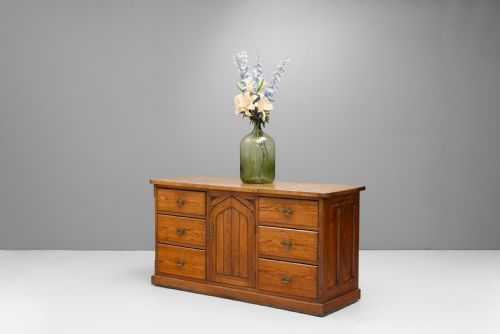
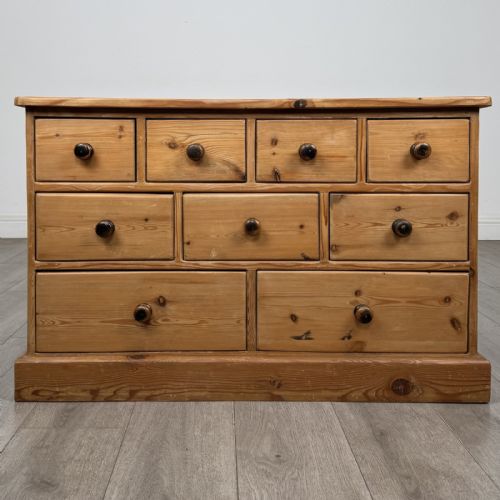
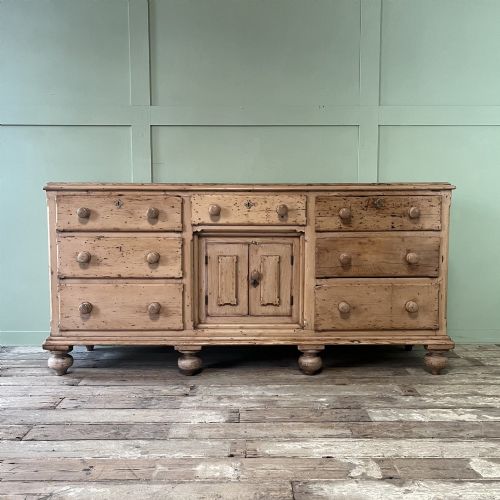
The selections span distinct regional styles including Victorian, English Country, Rustic Country and Scandinavian Country. Pieces range from compact hall cupboards and jam cupboards to wide two-door two-drawer dresser bases and large kitchen dressers.
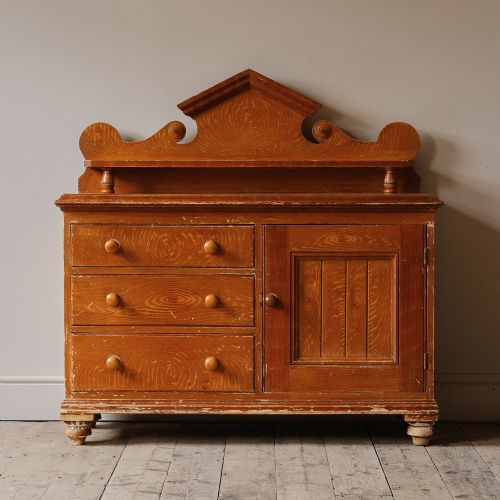
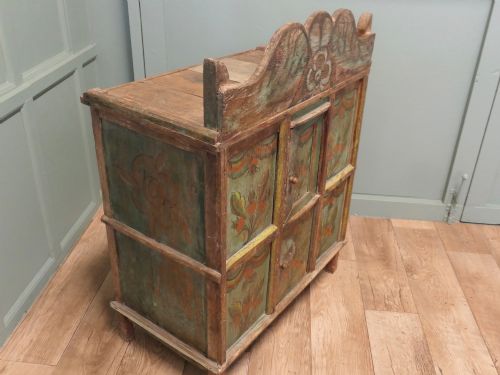
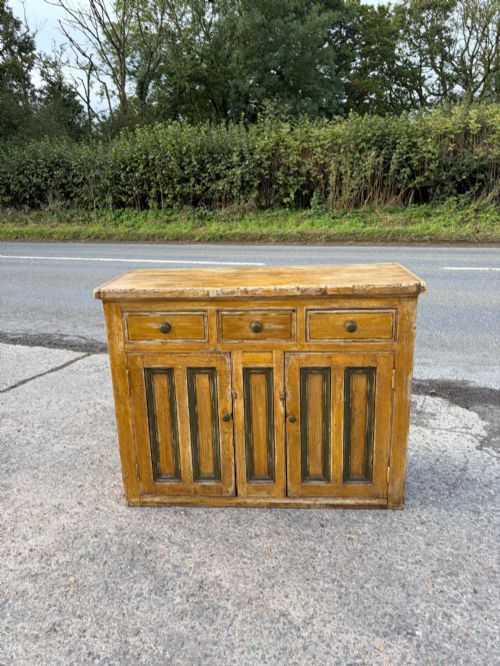
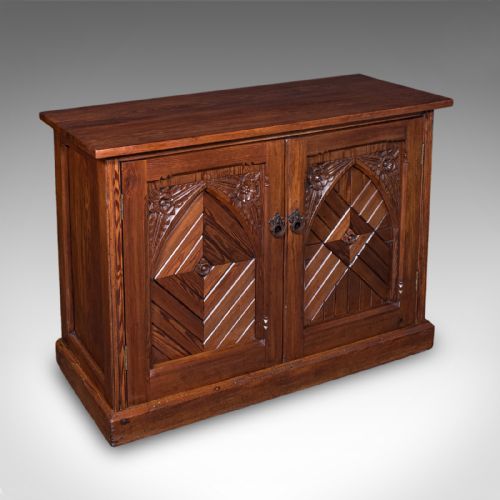
Many examples emerge from the Victorian era alongside nineteenth-century pieces, featuring either waxed pine finishes or original paintwork. Forms vary from simple utilitarian kitchen storage to carved Hungarian dressers and faux bamboo cabinets.
Materials and Construction
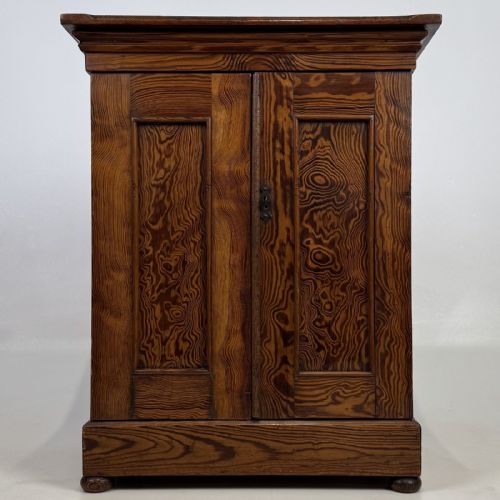
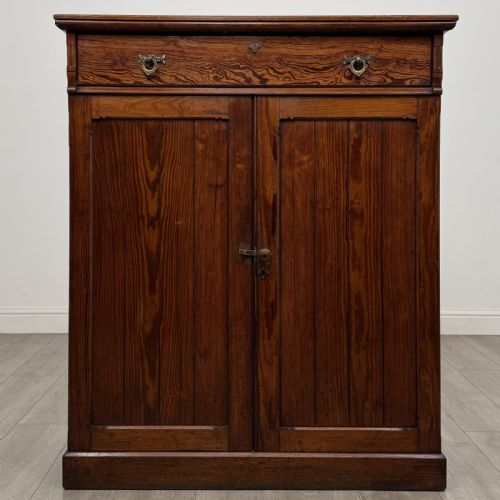
Construction relies heavily on solid pine, occasionally utilising pitch pine for added durability and distinct grain patterns. Iron and brass hardware such as hinges, handles and drawer pulls provide structural reinforcement and mechanical function.
Surfaces are finished in varied ways, including traditional clear wax to preserve the natural grain, simulated rosewood paint, or original layers of coloured paint. Joinery techniques reflect period workshop practices, utilising pegged joints, dovetails and hand-planed panels.
Pine Storage Sideboard Retail Price Guide 2026
Typical asking prices for pine storage sideboard among the pieces listed under this phrase on Sellingantiques today, from the lower quarter to the upper quarter. They describe what is for sale here now, not the wider market.
Assessing Quality and Character
Quality rests in the integrity of the original timber, the preservation of early surface treatments such as original paint or period wax, and the tautness of the joinery. Superior examples retain their original backboards, brass or iron fittings, and unaltered proportions without excessive timber replacement.
The presence of factory or regional markers, such as specific country house provenance or specialist finishes like faux bamboo or simulated rosewood, elevates a piece beyond standard utility furniture. Proportion and scale also dictate value, with smaller low cupboards or exceptionally wide bases commanding particular attention.
The Pine Storage Sideboard Glossary
- Dresser base
- A lower cabinetry unit featuring drawers, cupboards or a combination of both, traditionally used for kitchen and dining room storage.
- Pitch pine
- A dense, resinous variety of pine timber known for its durability and strong grain pattern.
- Faux bamboo
- A decorative technique where pine timber is carved or painted to imitate the segmented stalks of bamboo.
- Confiturier
- A French term for a small jam cupboard, typically featuring a single door and compact proportions.
- Waxed finish
- A protective treatment applied to timber using natural wax to nourish the wood and provide a soft sheen.
Pine Storage Sideboard: Frequently Asked Questions
What rooms suit a pine storage sideboard?
These pieces fit naturally into kitchens, dining rooms and hallways where substantial storage and surface space are required. Their utilitarian roots make them adaptable for stashing tableware, linens or household goods.
Lower wide cupboards and dresser bases also function well as living room media units or boot room organizers, blending historic charm with everyday utility.
How do I care for a waxed pine finish?
Maintain waxed surfaces by applying a quality beeswax paste periodically to nourish the timber and prevent drying out. Buff the surface gently with a soft cloth to restore the natural lustre.
Avoid placing these items in direct sunlight or near direct heat sources, which can cause the pine timber to warp or the wax to discolour.
What is the difference between pitch pine and standard pine?
Pitch pine contains a higher resin content, making it noticeably heavier, harder and more durable than standard white or yellow pine. It often displays a more pronounced, amber-toned grain pattern.
Standard pine was more widely used for general domestic furniture and painted finishes, whereas pitch pine was frequently selected for heavy-use furniture.
How do I identify a Victorian piece?
Victorian items typically exhibit robust construction methods, such as hand-cut dovetails on drawer boxes and heavier timber proportions. Look for period hardware like brass drop handles or iron butt hinges.
Documentation or stylistic cues such as Arts and Crafts influences, specific moulding profiles and original painted surfaces also help date the cabinetry to the nineteenth century.