
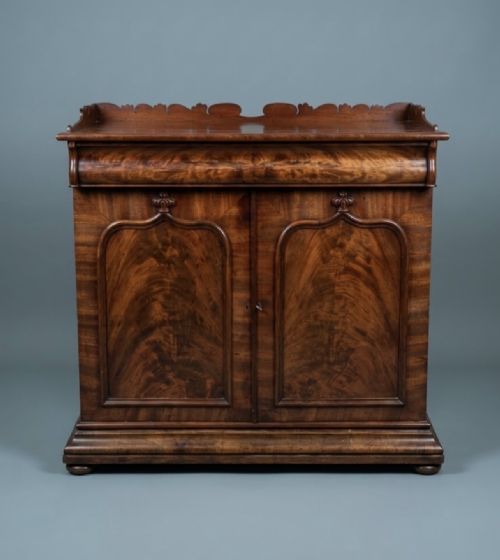
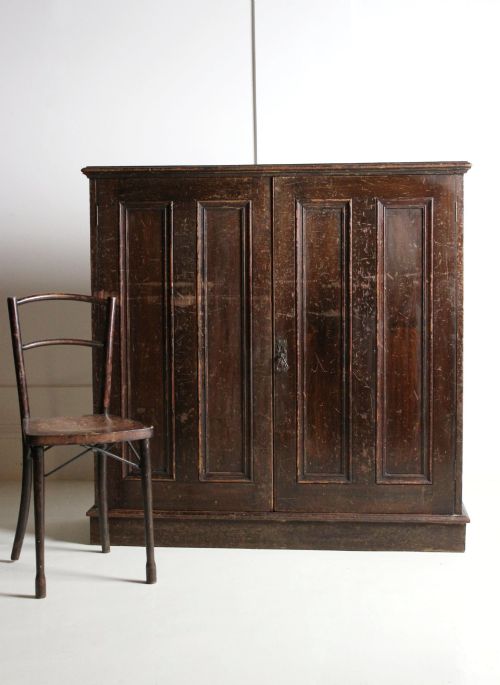
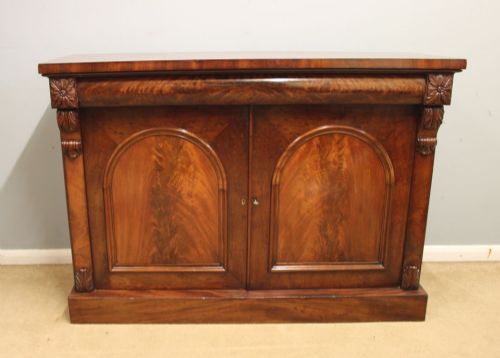
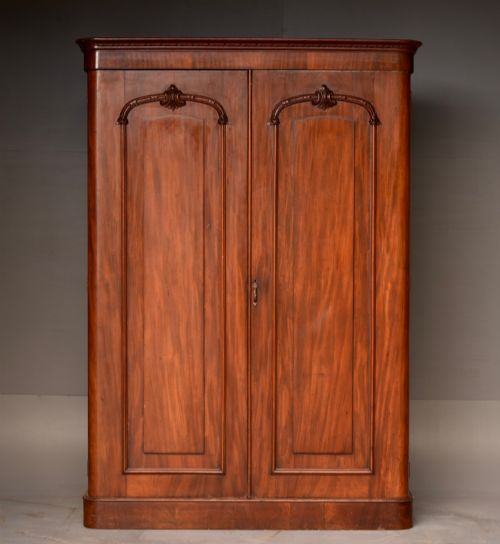
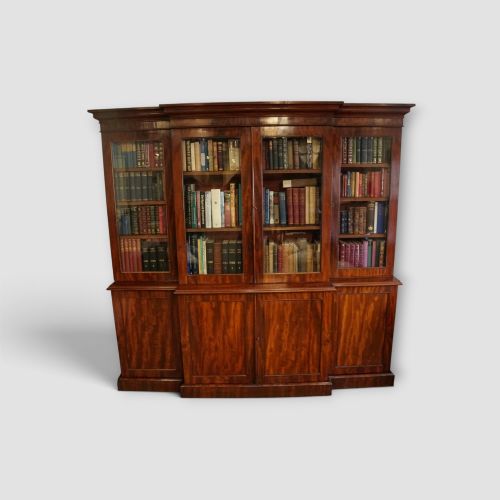
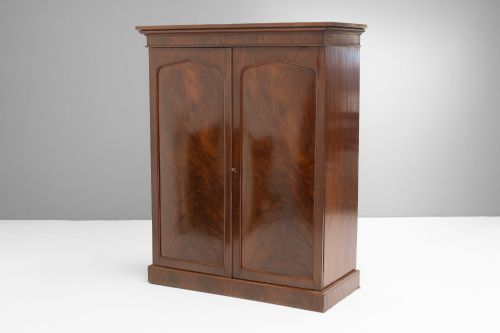
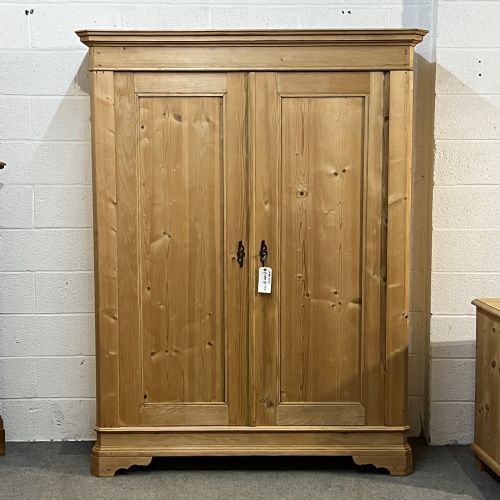
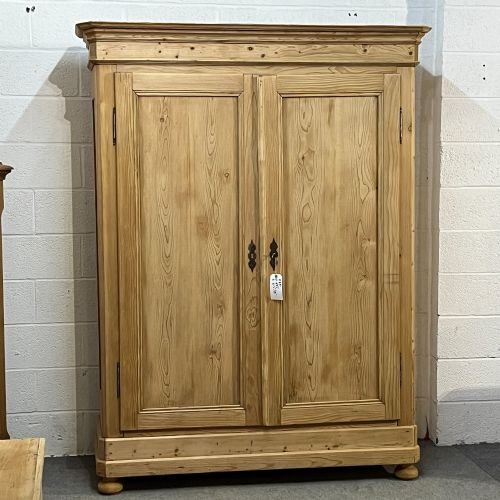
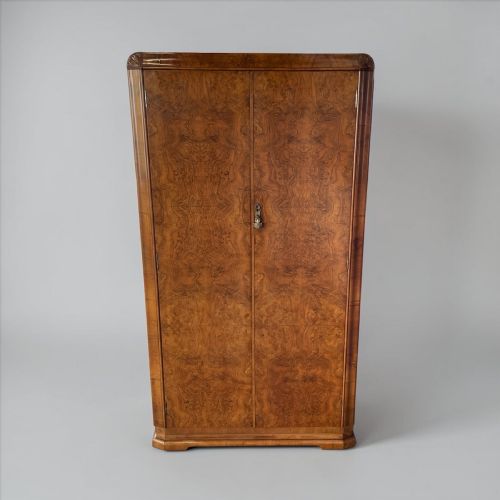
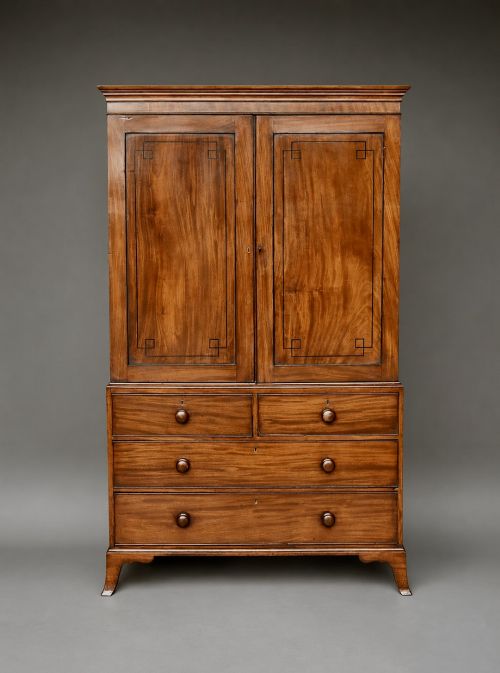
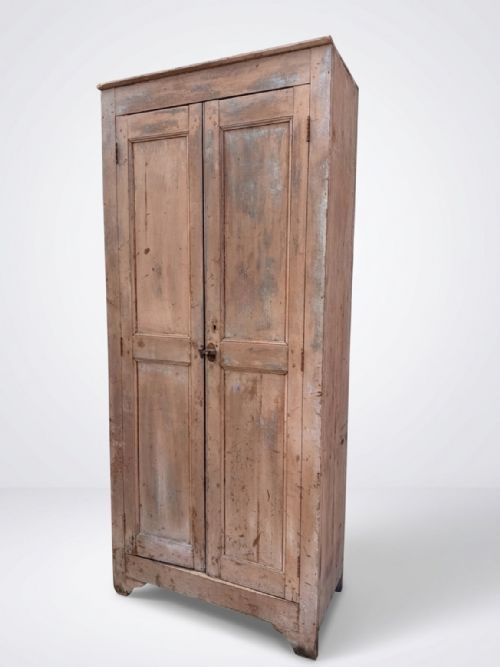
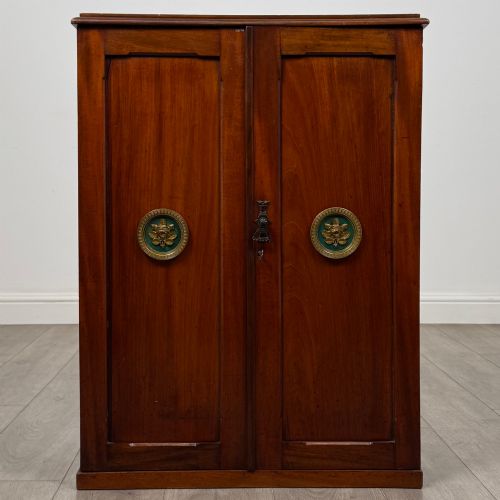
Antique Double Door Cupboard
An antique double door cupboard offers robust architectural presence and deep storage, grounding a room with centuries of timber character.

Identifying the antique double door cupboard
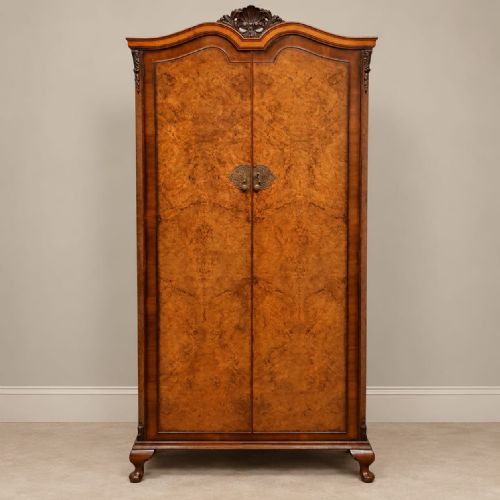
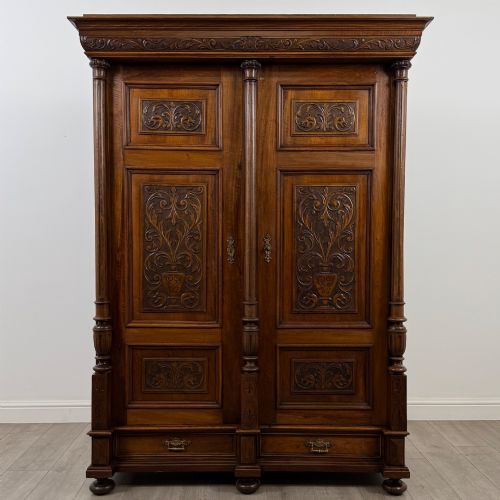
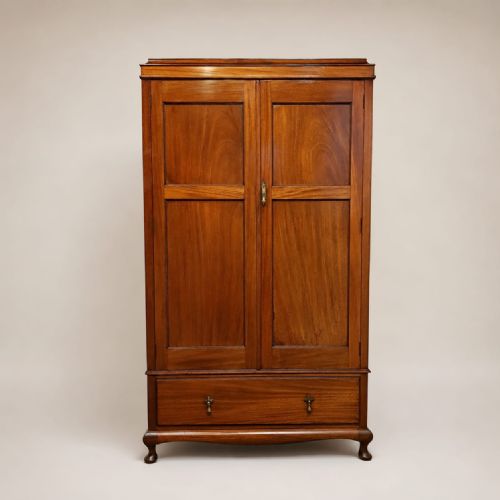
When you search for an antique double door cupboard, you encounter substantial storage furniture spanning the Georgian, Regency, and Victorian eras alongside continental workshops. These pieces appear as low cupboards, tall linen presses, and housekeepers cupboards designed to hold household textiles and provisions.
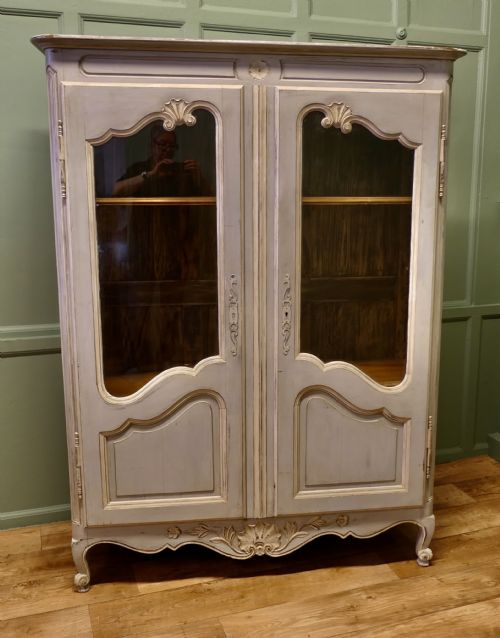
The most frequent forms on this page include mahogany bedroom cupboards and painted pine double door cupboards from Scandinavian country traditions. Examples range from simple 18th century French mountain cupboards to cross-banded oak pieces and marquetry inlaid formats.
Origins stretch across British, French, and Scandinavian workshops, showing both formal classical proportions and rustic provincial utility. Buyers select these items to anchor a room with functional period architecture.
Materials and construction methods
Cabinet makers utilised dense hardwoods like mahogany, oak, and cherry wood, frequently applying flame mahogany veneer and boxwood stringing for decorative contrast. Secondary framing timbers often include pine, reflecting traditional carcass construction.
Surface embellishment incorporates marquetry inlay and painted finishes, while structural integrity relies on brass and iron hardware hinges and locks.
Retail Price Guide 2026
Typical UK retail prices for double door cupboard, calculated from the Sellingantiques database of over a million retail prices indexed since 2003. This retail price guide relies exclusively on Sellingantiques data; no external sources or auction records are used, so the figures do not describe the wider market.
Listings feature woods including mahogany, oak, cherry wood, and painted pine alongside brass and iron hardware.
Distinguishing quality across pieces
The hierarchy of quality rests on the selection of timber veneers and the crispness of cabinet joinery, separating utilitarian regional pieces from sophisticated urban commissions. Finely figured flame mahogany and precise cross-banding elevate a carcass above plain utility builds.
Proportion and decorative restraint dictate visual success, where integrated brass fittings and subtle marquetry inlay outclass heavy-handed later alterations.
The Antique Double Door Cupboard Glossary
- Cross-banded
- A border technique where thin strips of veneer are laid perpendicular to the grain of the main surface, creating a neat framed edge. This adds formal definition to Georgian panels.
- Linen Press
- A tall double door storage piece traditionally housing sliding trays for folded textiles in the upper section and deeper drawers below. They provide substantial vertical volume.
- Marquetry
- The art of forming decorative patterns using fitted wood veneers of various colours and grains. It transforms a simple flat door into a pictorial surface.
- Housekeepers cupboard
- A large utilitarian storage unit historically kept in large domestic offices for linen, dry goods, and china. These pieces display honest provincial proportions.
- Flame mahogany
- Timber harvested from the branch crotch of the mahogany tree, displaying a distinctive flickering wave pattern. Cabinet makers reserved this for primary focal surfaces.
Frequently Asked Questions
What is an antique double door cupboard?
These are large wooden storage pieces featuring two hinged doors, built across the eighteenth and nineteenth centuries in Britain and continental Europe.
They serve as focal storage units in bedrooms, hallways, and living spaces, offering deep internal capacity behind panelled or glazed timber doors.
How were these cupboards used?
Historically, households utilised these cabinets to store folded linens, garments, tableware, and dry goods before fitted wardrobes became standard.
Today, buyers repurpose them as wardrobe storage, kitchen larders, or media cabinets while retaining their historical presence.
How do I date an antique cupboard?
Dating relies on timber selection, construction methods, hardware types, and stylistic vocabulary such as Georgian cross-banding or Victorian proportions.
Examining internal timber boards, back panels, and screw types helps distinguish eighteenth-century regional pieces from later nineteenth-century factory production.
How do I live with one?
Living with these pieces involves allowing for their generous depth and substantial weight within a modern room layout.
Regular polishing with beeswax maintains the timber surface, while environmental humidity control protects older veneers and solid wood panels from movement.