
Victorian Two Door Cabinet
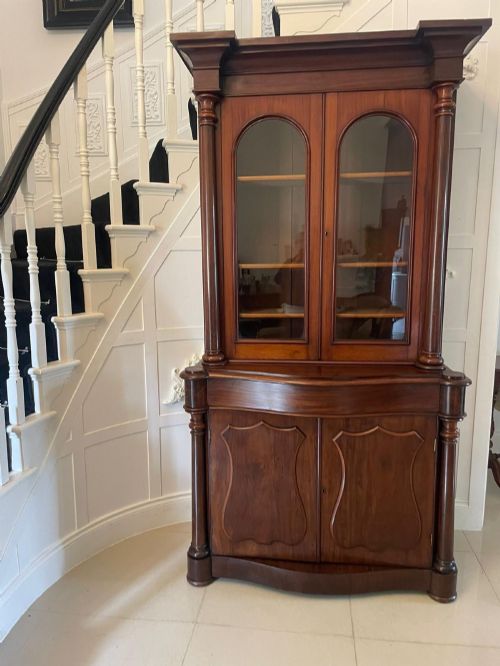
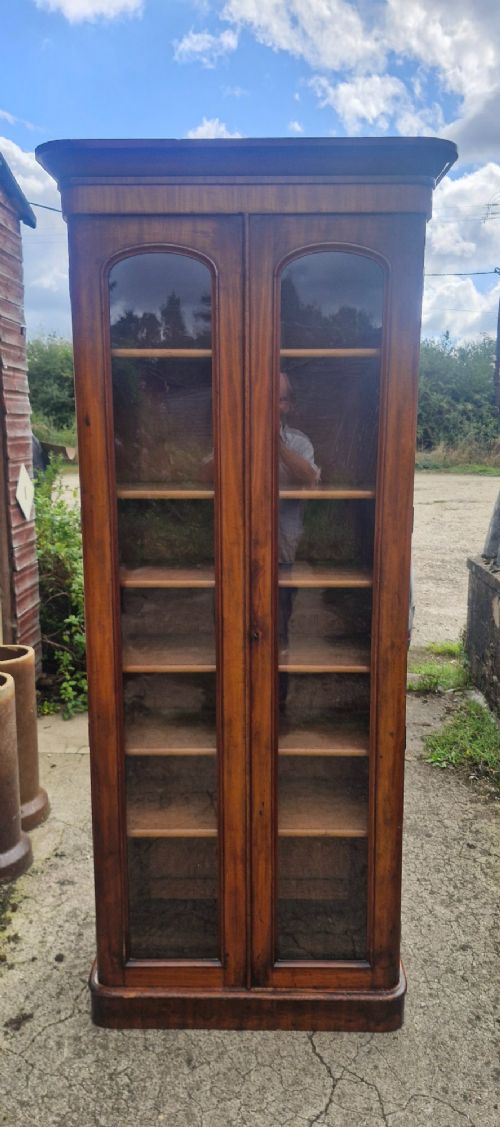
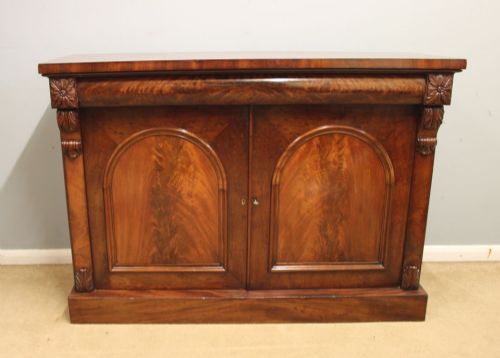
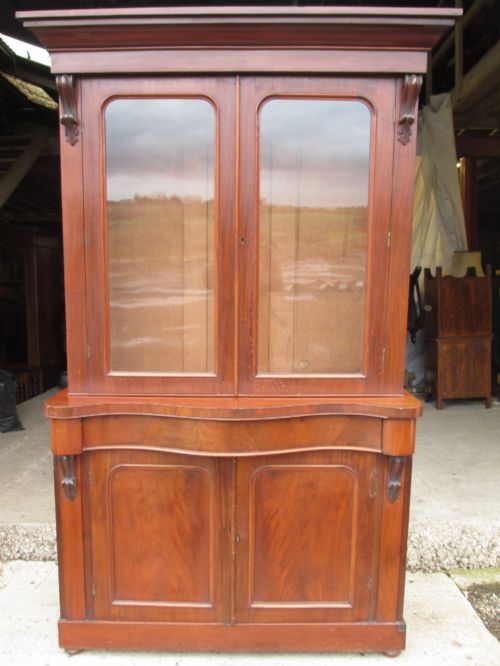
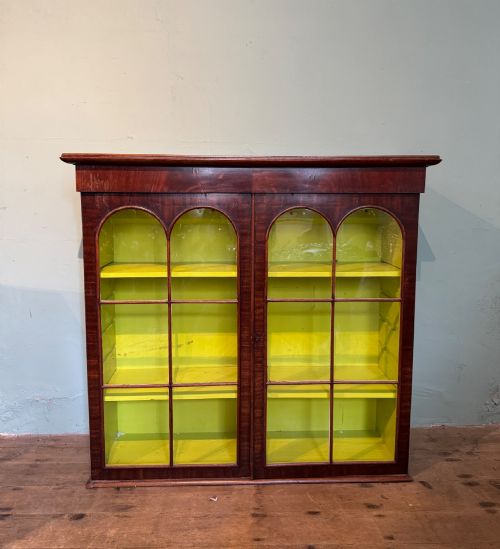
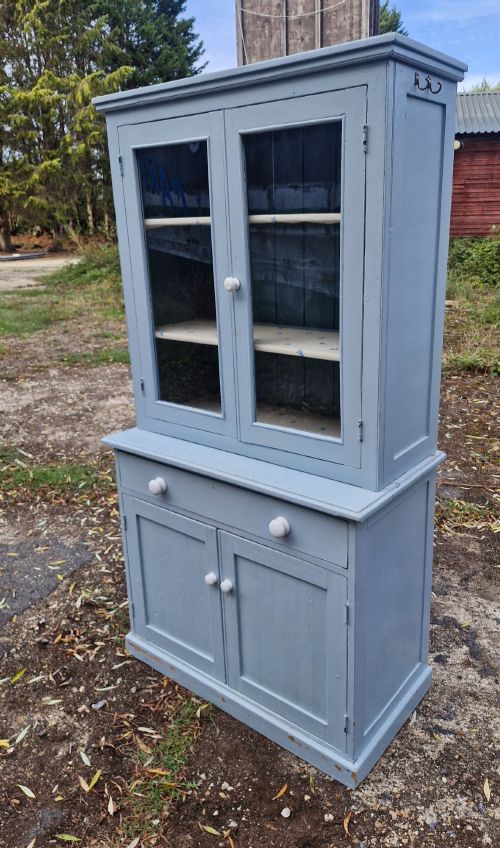
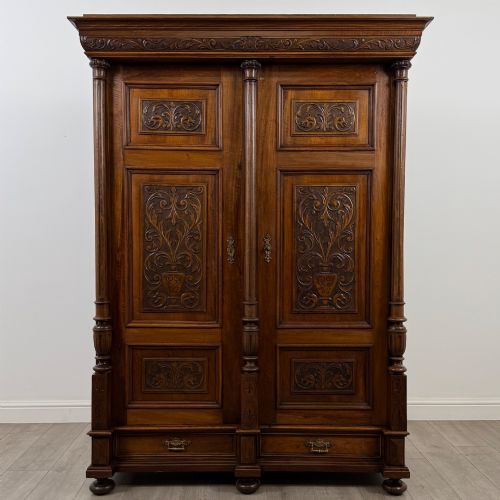
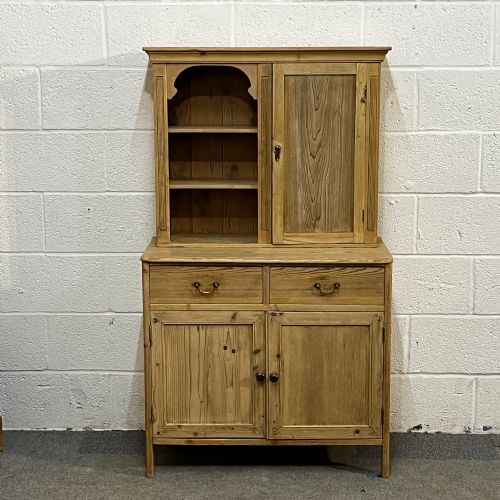
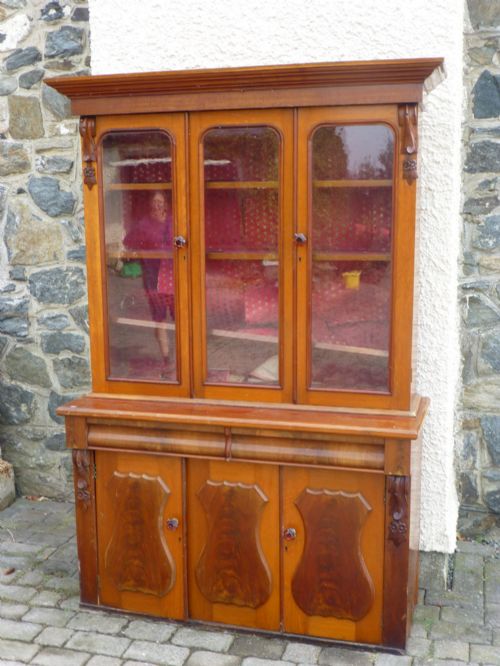
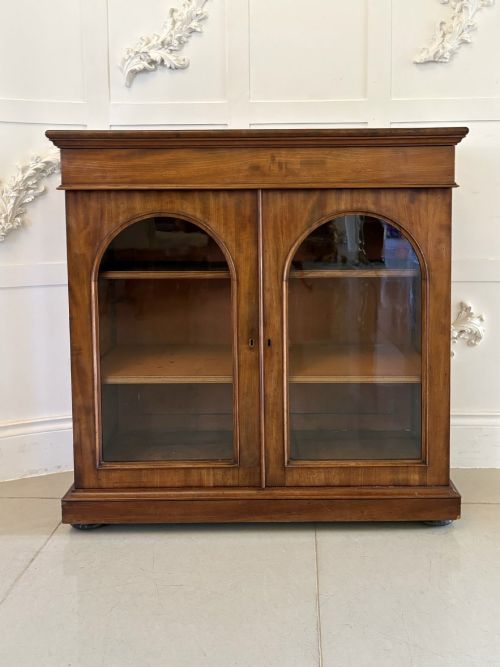
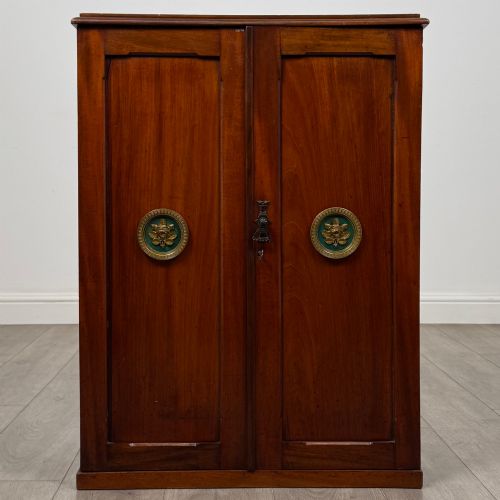
These Victorian two door cabinet examples range from mahogany bookcases to burr walnut side cabinets, offering practical enclosed storage with period character.

Victorian Two Door Cabinet
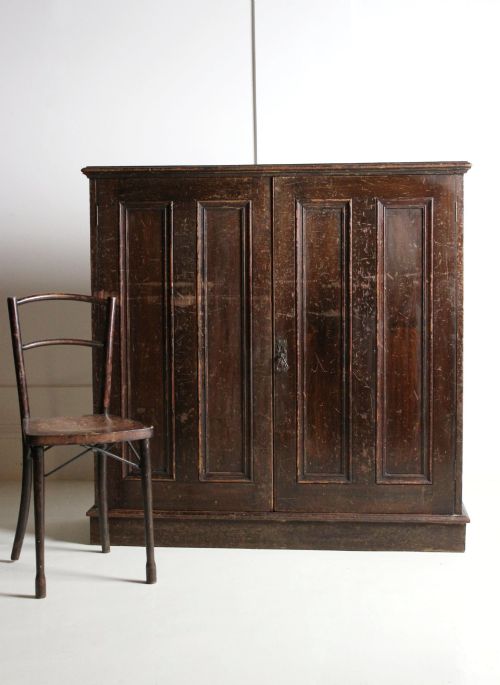
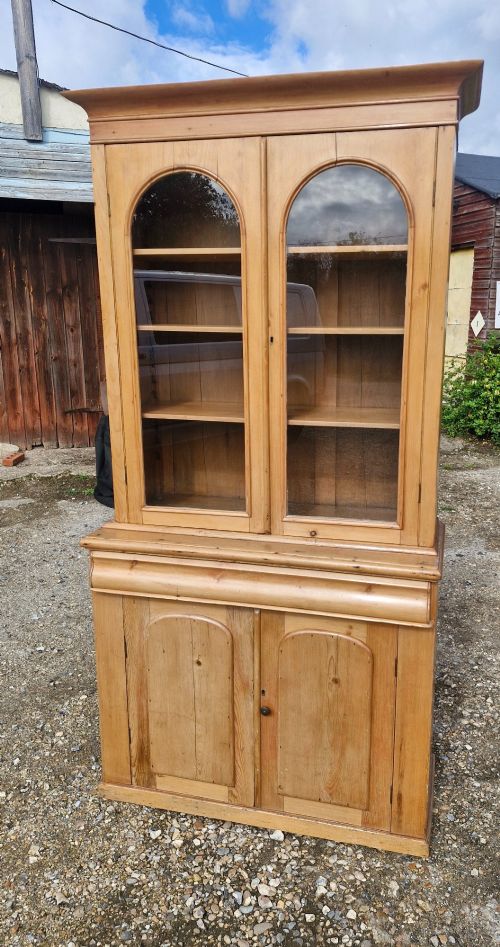
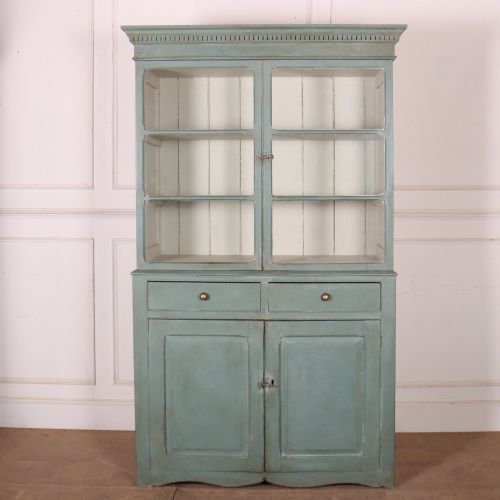
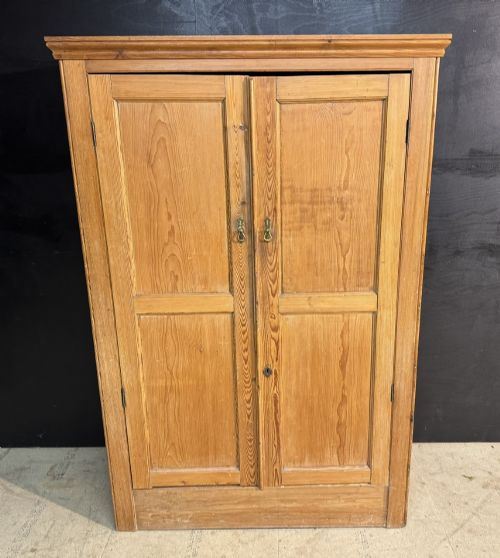
A Victorian two door cabinet provides enclosed storage through a pair of hinged doors, appearing in forms such as side cabinets, bookcases, and wall-mounted cupboards.
The pieces listed on this page originate predominantly from the Victorian period, including specific dates like 1860 and 1870, alongside general nineteenth-century examples.
Buyers most frequently encounter side cabinets and bookcases among these listings, alongside wall cupboards and standard bedroom or general storage cupboards.
Materials and Construction
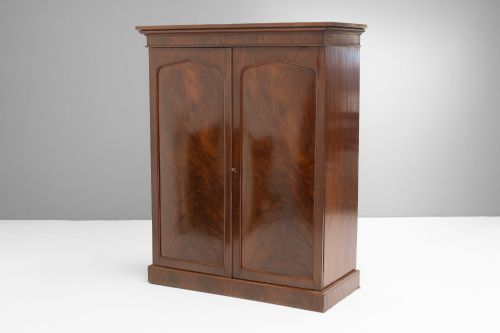
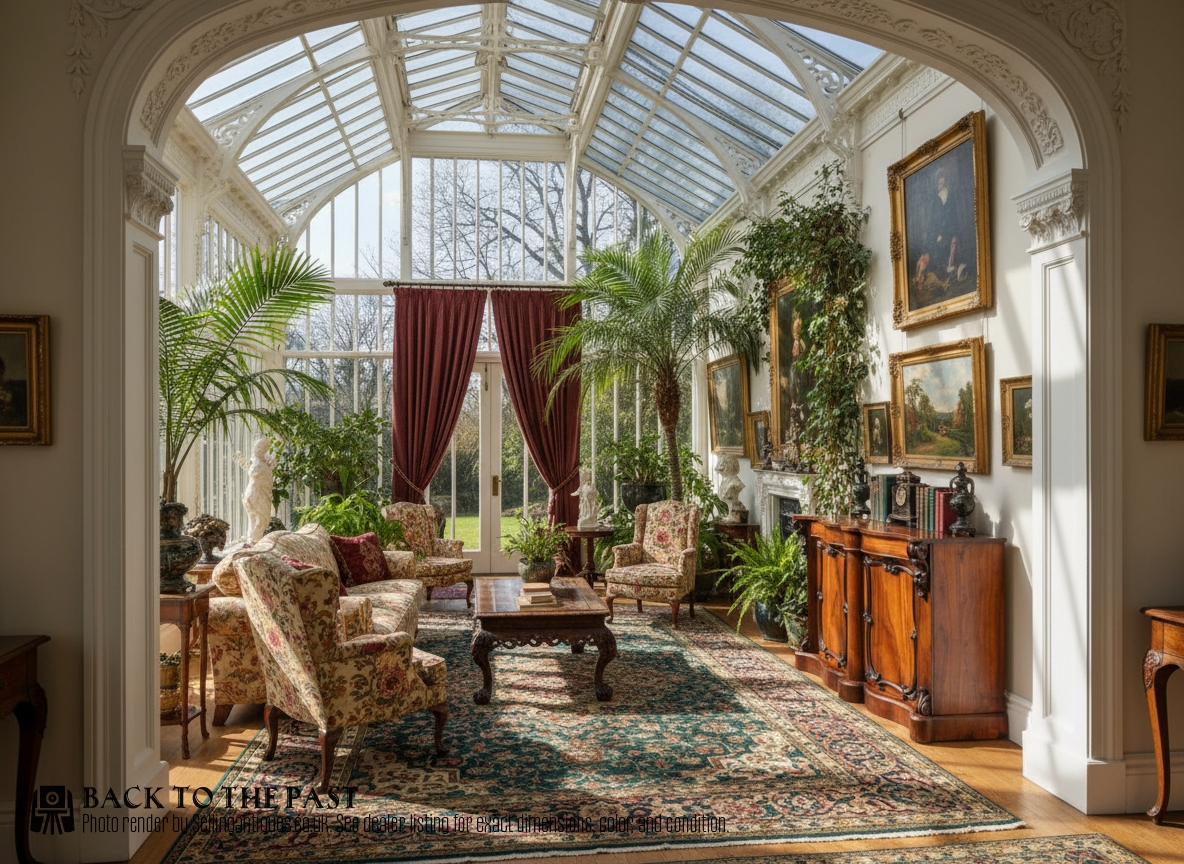
Cabinet makers utilised primary timbers such as mahogany, walnut, burr walnut, rosewood, and pitch pine, often applying flame mahogany veneer or figured walnut surfaces.
Decoration and structural detailing incorporated brass, boxwood stringing or inlay, marquetry, mirror glass, or glazed panels depending on the intended function of the piece.
Retail Price Guide 2026
Typical UK retail prices for victorian two door cabinet, calculated from the Sellingantiques database of over a million retail prices indexed since 2003. This retail price guide relies exclusively on Sellingantiques data; no external sources or auction records are used, so the figures do not describe the wider market.
Early cabinet makers occasionally tucked secret compartments behind burr walnut doors, ensuring even the paperwork stayed delightfully mysterious.
Assessing Quality
The choice of timber creates a distinct visual hierarchy, where plain mahogany gives way to figured walnut, burr walnut, and rich rosewood veneers.
Secondary enrichment elevates certain pieces above standard utility furniture, through the addition of ormolu mounts, marquetry inlay, boxwood details, or mirror backs.
The Victorian Two Door Cabinet Glossary
- Burr walnut
- A highly figured timber veneer prized for its swirling grain patterns. It comes from the knotted growths of the walnut tree.
- Marquetry
- The art of applying decorative veneer pieces to form intricate patterns. Craftsmen use various woods to create pictorial or geometric designs.
- Ormolu
- Gilded bronze mounts used as decorative highlights on furniture. This French technique became popular in high-status nineteenth-century pieces.
- Pier cabinet
- A low display cabinet designed to fit against a wall space between windows. These pieces often feature glass doors for exhibiting collections.
Frequently Asked Questions
What were Victorian two door cabinets used for?
These cabinets served various domestic functions ranging from displaying books and decorative objects to storing household items behind solid or glazed doors.
Different room settings required specific forms, such as wall-mounted cupboards in smaller spaces or large side cabinets in principal living areas.
How do I identify a Victorian cabinet?
Identification relies on observing characteristic nineteenth-century timber choices like mahogany and burr walnut combined with period construction methods.
Details such as brass hardware, boxwood inlay, and specific door configurations help confirm the era of manufacture.
Are these cabinets made from solid wood?
Many examples combine solid structural frames with decorative veneers applied to the primary visible surfaces. Timbers like flame mahogany and burr walnut appear frequently as veneers over stable secondary woods.
Inlay work and marquetry further demonstrate the sophisticated veneer techniques utilised by nineteenth-century cabinet makers.
How do I care for a walnut cabinet?
Maintenance involves keeping the timber away from direct heat sources and strong sunlight to protect the walnut veneer from drying and fading.
Gentle cleaning with appropriate furniture care products preserves the finish of the polished wood and any brass or ormolu mounts.