



Vintage Wooden Cabinet
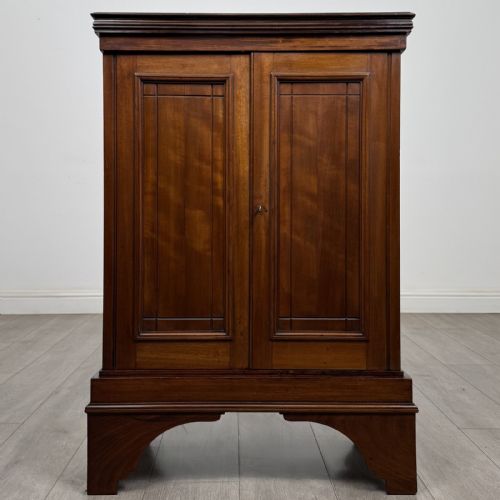
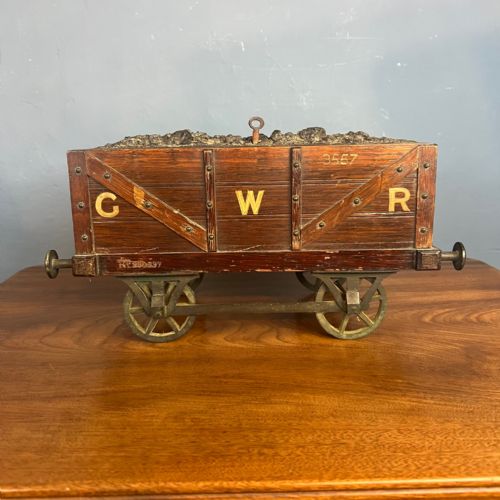
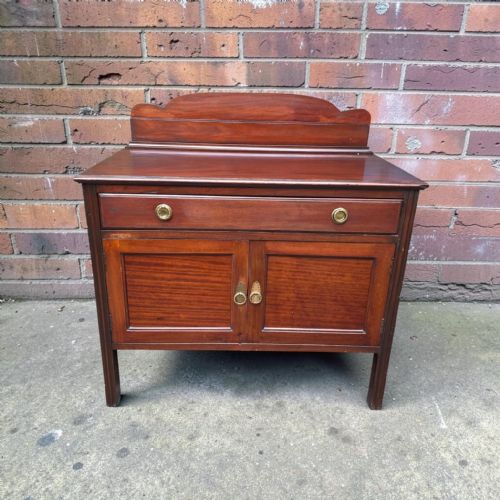
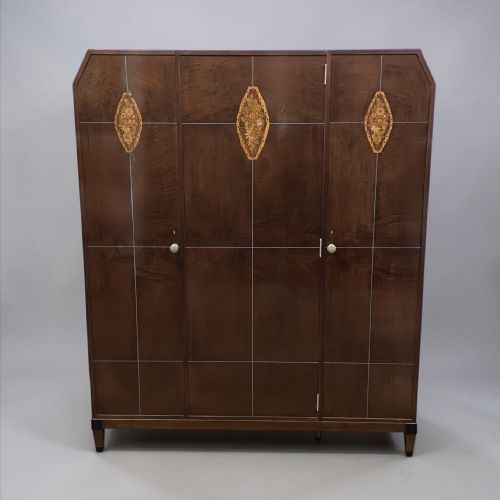
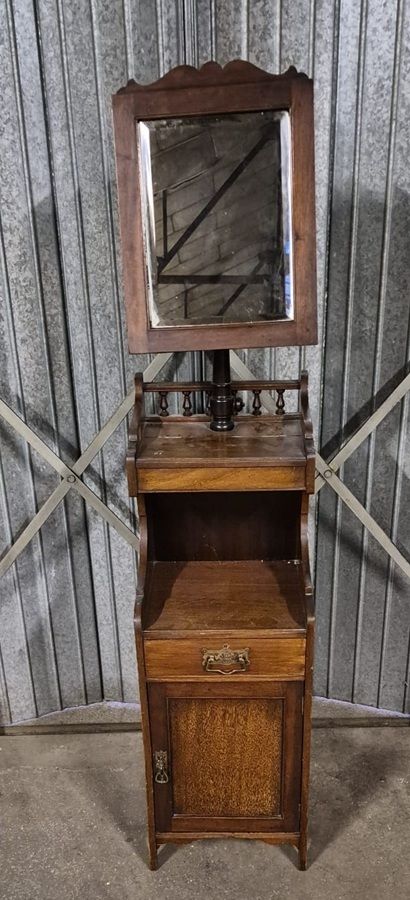
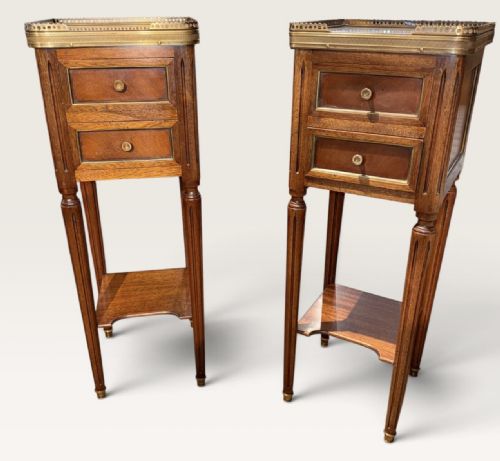
A vintage wooden cabinet brings warmth and practical storage to a room, ranging from Edwardian oak filing units to Georgian mahogany wardrobes.
Vintage Wooden Cabinet
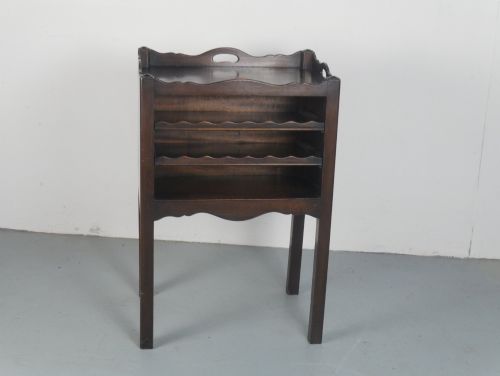
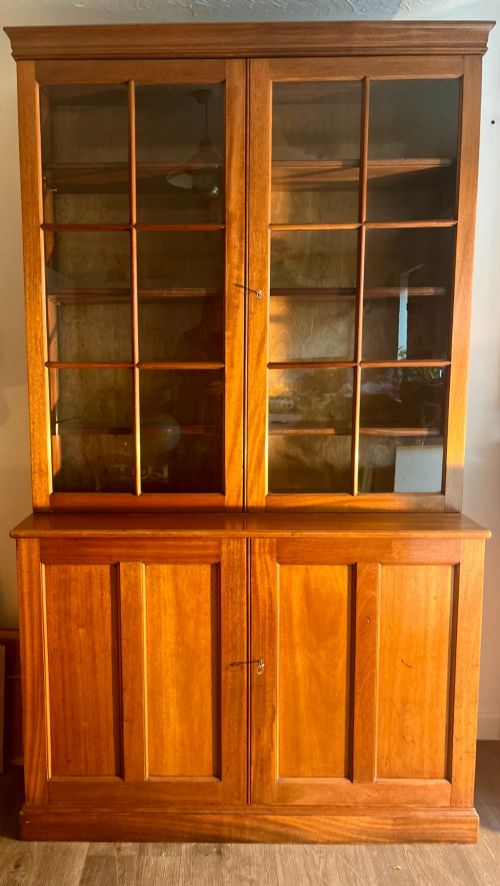
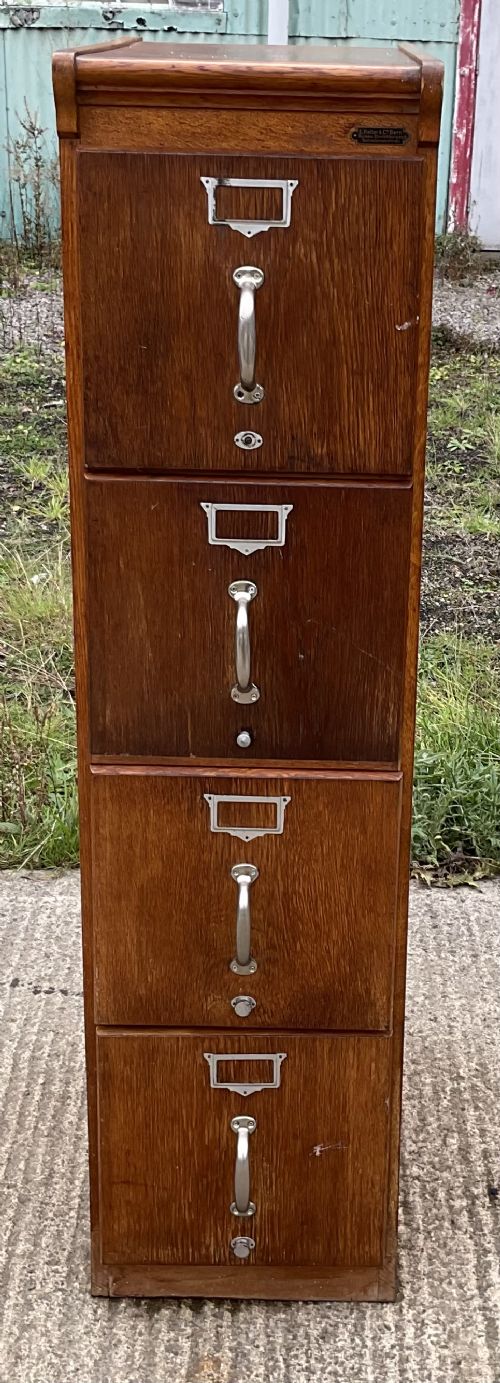
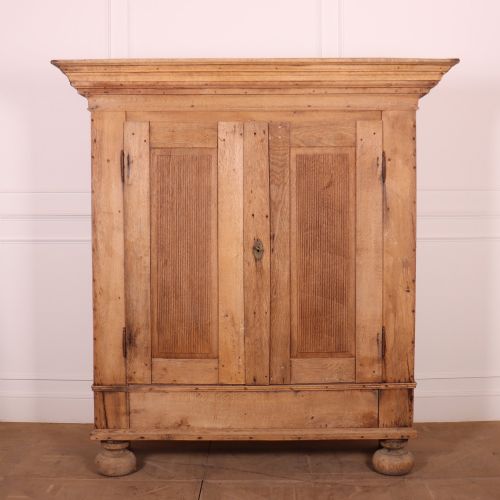
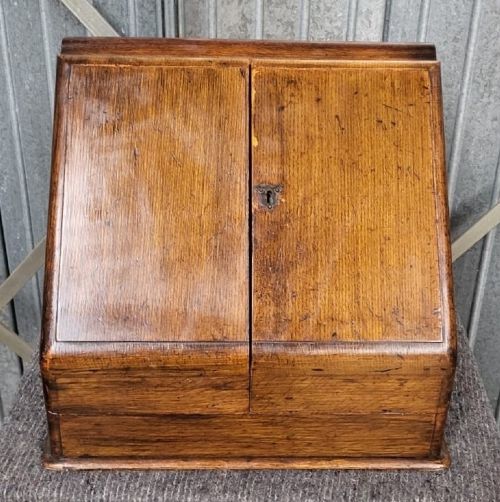
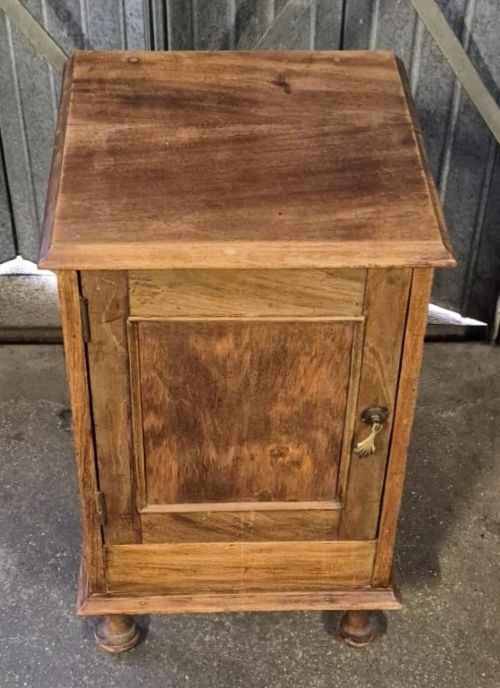
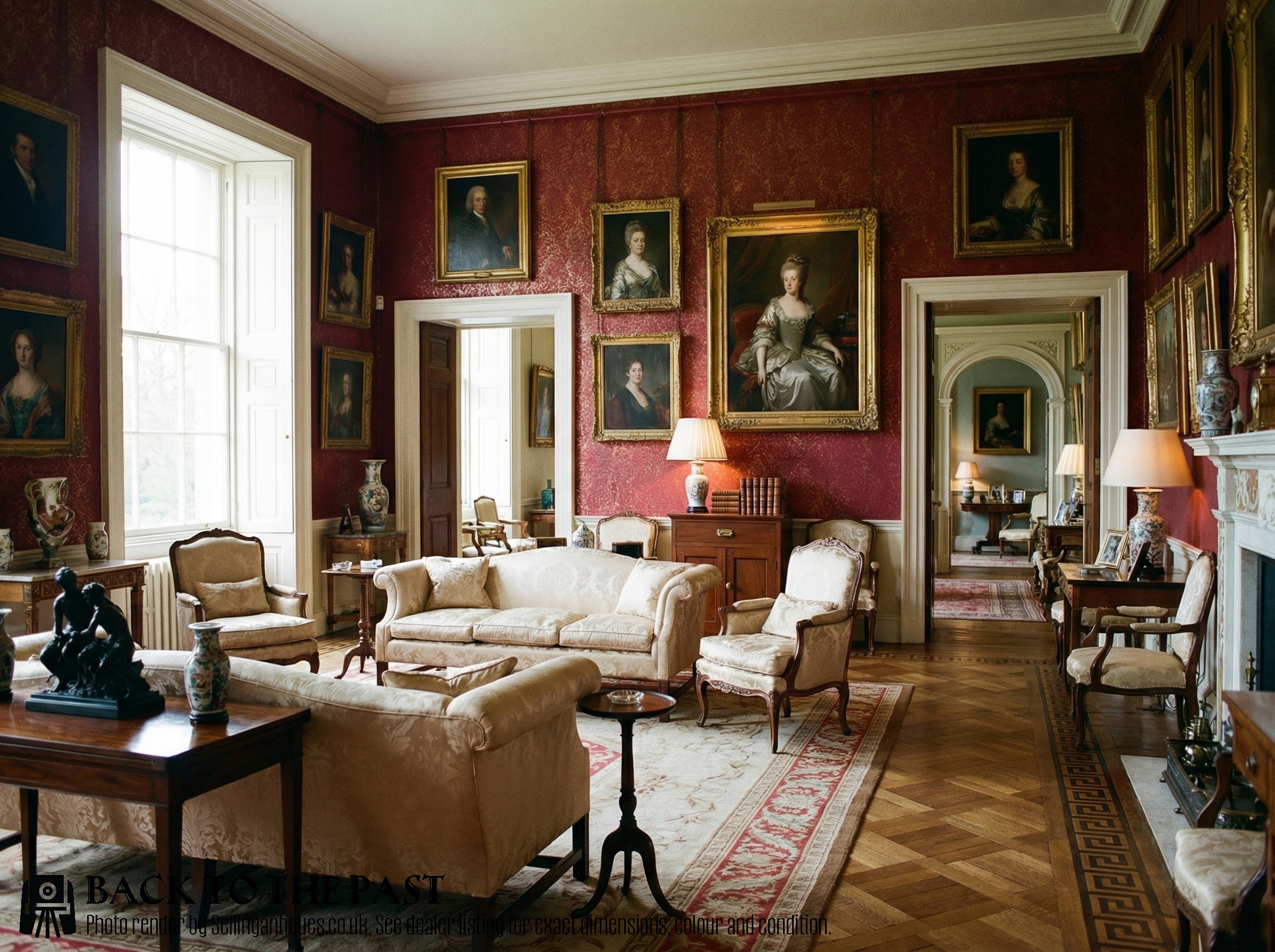
A vintage wooden cabinet covers a wide range of functional storage furniture spanning the 18th century to the 1930s, including sideboards, bookcases, filing cabinets, and chests of drawers. Buyers seeking these pieces will encounter diverse regional styles and formats, from Edwardian oak filing units to Georgian mahogany wardrobes and Art Deco sideboards.
The selection reflects distinct eras such as Victorian, Edwardian, and the 1930s, alongside earlier Georgian and Regency designs. Common forms include sideboards, wardrobes, bookcases, and specialised items like wine chests, tambour front filing cabinets, and compactum wardrobes.
Construction materials vary across these periods, appearing in solid timbers and veneered surfaces. Pieces range from simple utilitarian lockers and pine cupboards to serpentine-shaped satinwood sideboards and burr walnut drinks cabinets.
Materials and Construction
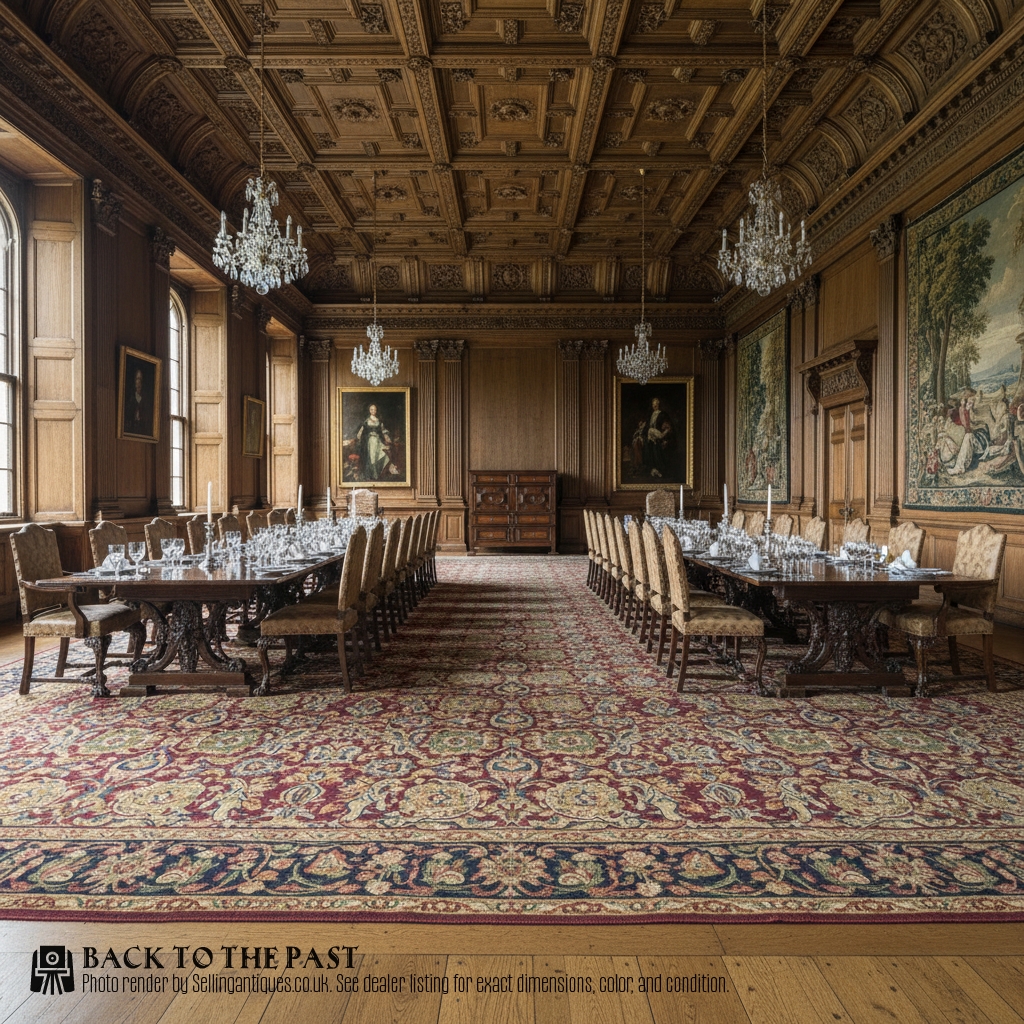
Cabinet makers relied primarily on hardwoods such as mahogany, oak, and walnut, frequently utilising burr walnut, satinwood, and padouk for decorative surfaces. These timbers were selected for their durability and grain patterns, often enhanced through polishing or staining.
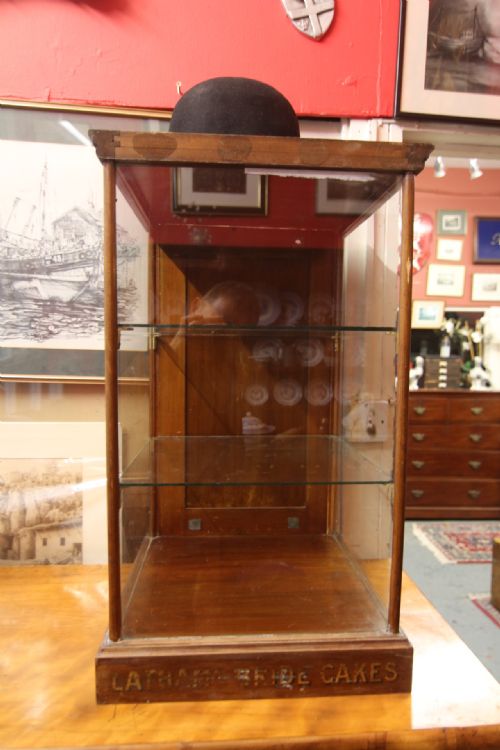
Secondary woods like pine appear in carcases and drawer linings, whilst brass hardware provides structural and decorative detailing on handles, hinges, and mounts. Glass panels feature on bookcases and display cabinets, and tambour mechanisms appear on specialised filing furniture from the early 20th century.
Vintage Wooden Cabinet Retail Price Guide 2026
Typical asking prices for vintage wooden cabinet among the pieces listed under this phrase on Sellingantiques today, from the lower quarter to the upper quarter. They describe what is for sale here now, not the wider market.
Listings span multiple centuries, incorporating solid oak, mahogany, walnut, and pine across styles from Georgian to Art Deco.
Standards of Execution
Quality in these cabinets is determined by the selection of timber and the precision of the joinery, particularly in drawer construction and door fitting. Superior examples display carefully matched veneers, such as burr walnut or satinwood, and retain original brass fittings and working locks.
The integrity of the carcase, smooth operation of sliding tambour shutters or drawers, and refined carving or inlay work distinguish finer production. Simpler pieces, such as pine lockers or stained oak cupboards, rely on robust utility rather than decorative embellishment.
GM Elwood for JS Henry·Maurice Adams·maples & co
The Vintage Wooden Cabinet Glossary
- Tambour
- A series of narrow wooden slats glued to a canvas backing, allowing a cabinet door to slide around a curved track. This mechanism is frequently found on early 20th-century filing cabinets and desks.
- Compactum
- A large fitted wardrobe combining hanging space, sliding trays, and drawers within a single multi-section unit. Edwardian examples often feature substantial mirrored doors and inlaid decoration.
- Serpentine
- A curved furniture front characterised by a convex centre flanked by concave sides. This shape demands considerable skill from the cabinet maker and appears on fine Victorian and Georgian sideboards.
- Cellarette
- A dedicated cabinet or box designed to store bottles of wine and spirits securely. 19th-century versions often stand on independent frames or feature internal dividers.
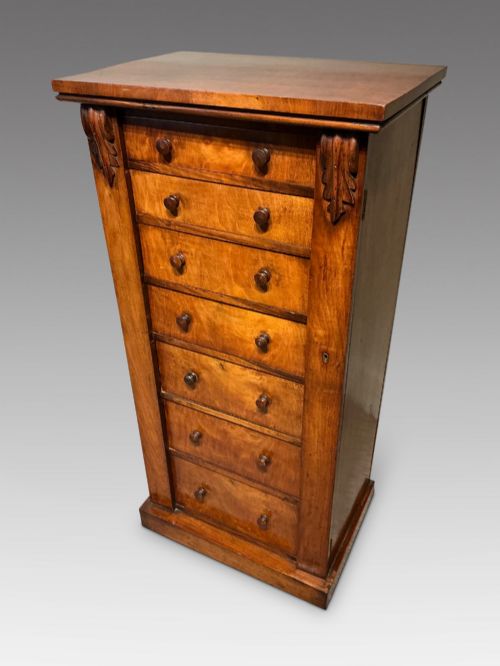
- Wellington chest
- A tall, narrow chest of drawers secured by a hinged locking side stile that fastens with a key. They typically contain six or seven graduated drawers.
Vintage Wooden Cabinet: Frequently Asked Questions
How do I date a wooden cabinet?
Dating relies on examining construction methods, timber choices, and stylistic details associated with periods like the Georgian era, Victorian times, or the 1930s. Secondary woods, drawer dovetailing, and hardware often provide clear chronological indicators.
Secondary characteristics such as finish types and specific design motifs further help narrow the decade of manufacture. Comparing the piece against documented examples from the same period ensures greater accuracy.
What is a tambour front cabinet?
A tambour front cabinet uses flexible wooden slats mounted on fabric to create a sliding door that curves around the side of the furniture. This clever mechanism became popular on early 20th-century office and filing furniture.
These cabinets offer efficient access to contents in confined spaces without requiring clearance for swinging doors. They are commonly found on oak filing cabinets and specialist storage units.
Where should I place a wardrobe?
A large wardrobe or compactum requires a stable wall with sufficient clearance for opening doors and internal drawers. Keeping timber furniture away from direct heat sources prevents the wood from drying out and warping.
Placing cabinets in rooms with moderate humidity levels helps preserve veneered surfaces and solid hardwood carcases. Ensure the floor is level so that heavy doors hang properly.
How do I care for antique wood?
Maintain antique wood by dusting regularly with a soft, dry cloth and avoiding silicone-based polishes that build up over time. Natural wax applied sparingly helps nourish the timber and preserve the polish.
Protect the surface from liquid spills and hot items by using coasters and mats. Consistent indoor temperatures minimise the risk of splitting in older timbers.