
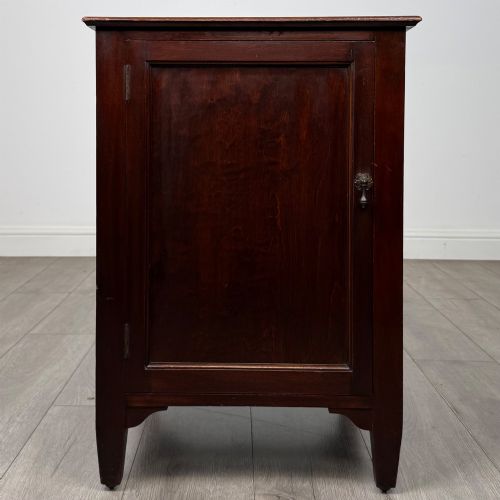
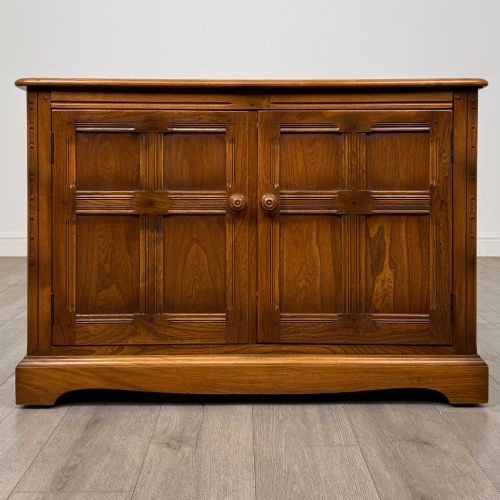
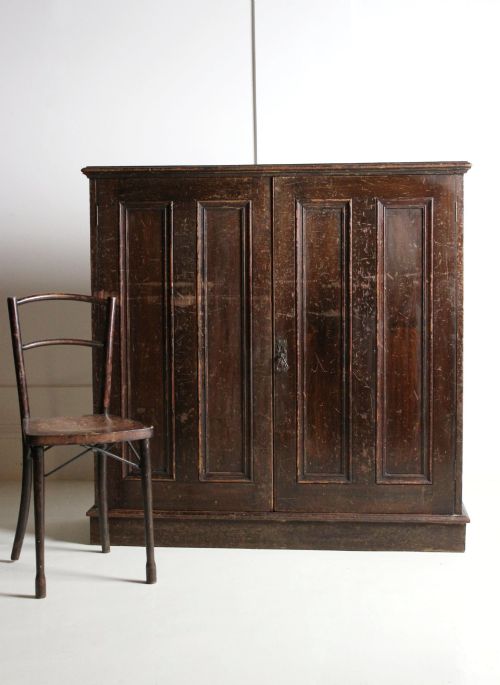
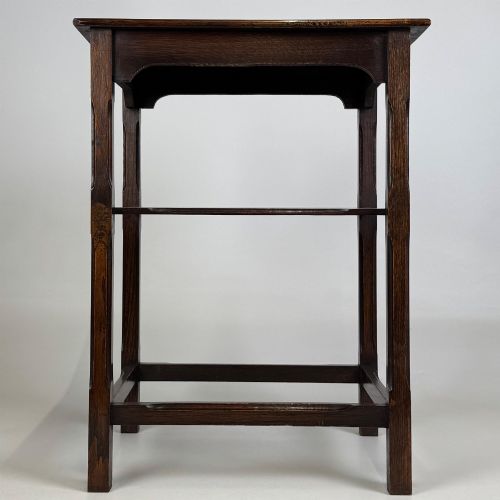
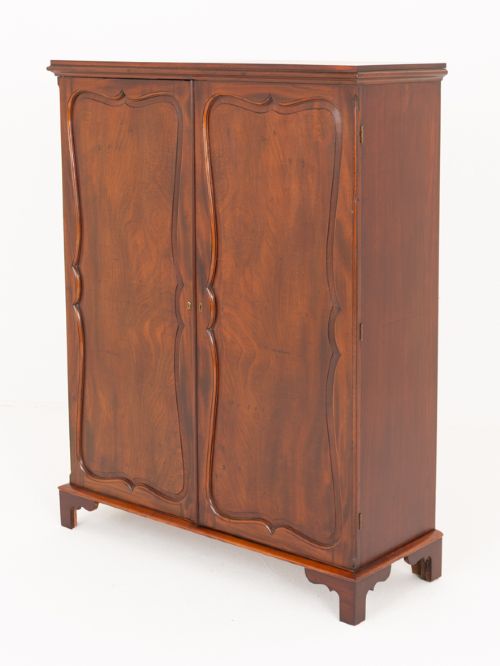
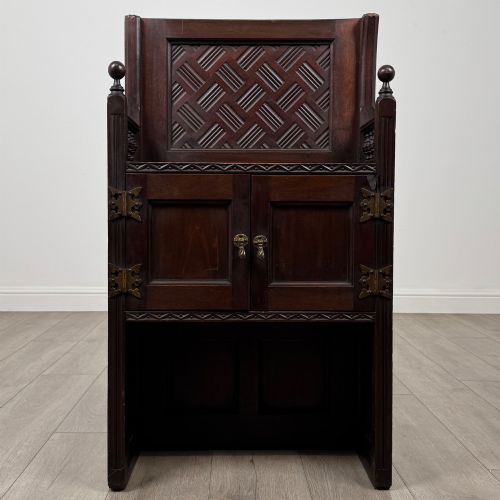
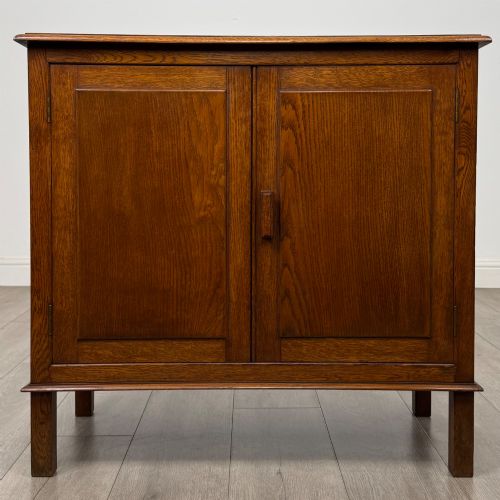
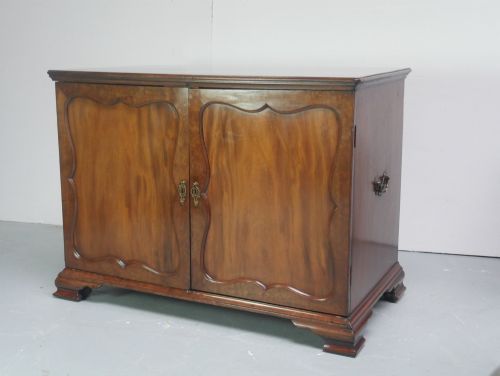
Wooden Hall Cabinet
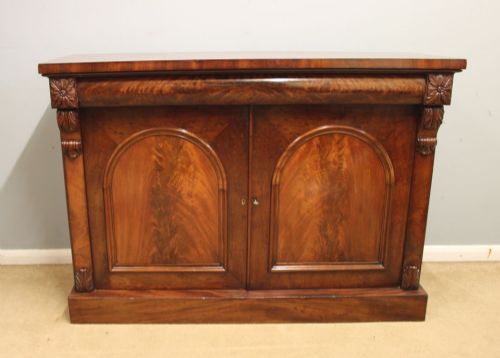
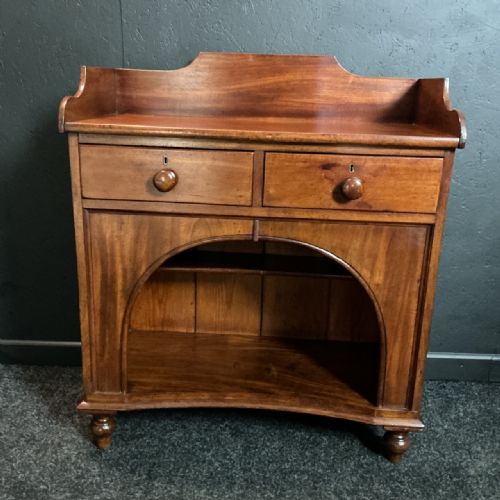
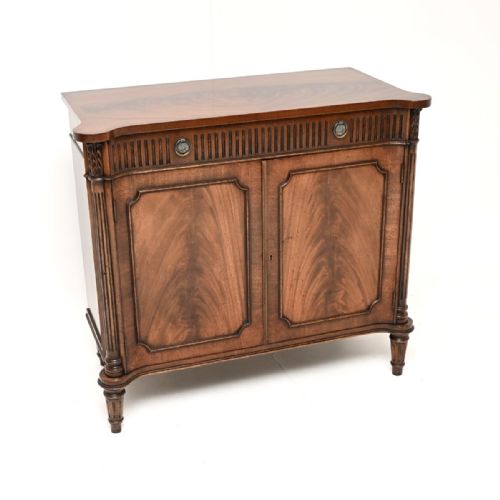
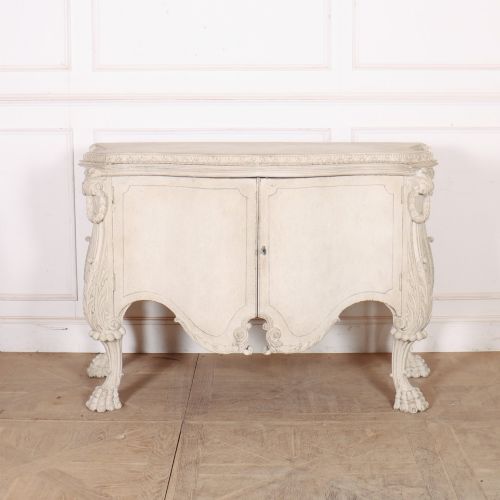
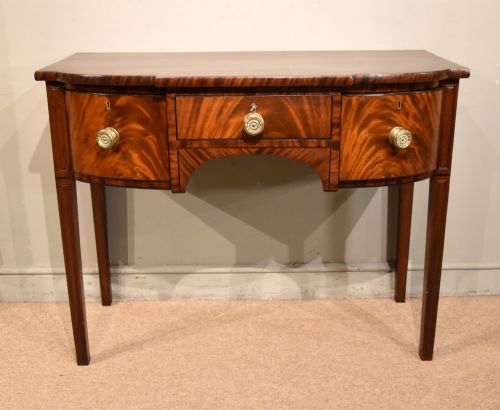
A wooden hall cabinet provides practical storage for entranceways, merging sturdy timber construction with period character from the eighteenth, nineteenth and twentieth centuries.
Wooden Hall Cabinet
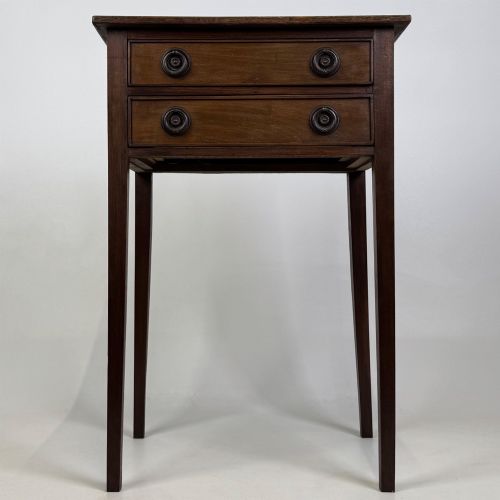
When searching for a wooden hall cabinet, you examine a variety of storage forms including sideboards, side cabinets, cupboards and linen cupboards designed for transitional spaces. These pieces emerge from periods spanning Georgian, Regency, Victorian, Edwardian and the twentieth century, reflecting shifting domestic needs over hundreds of years.
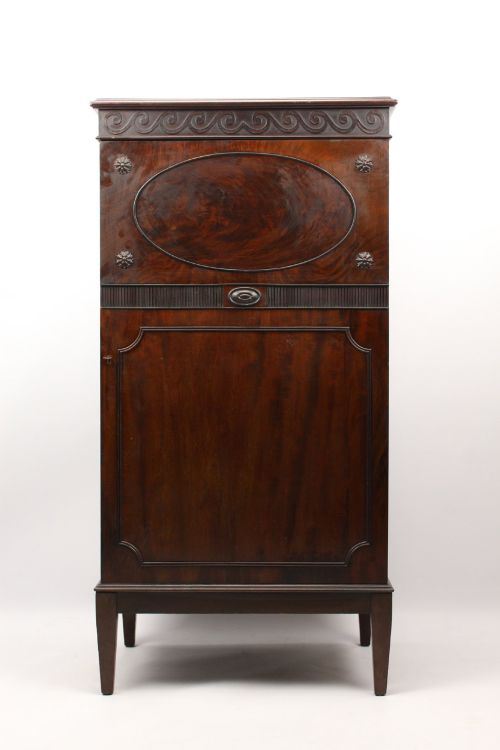
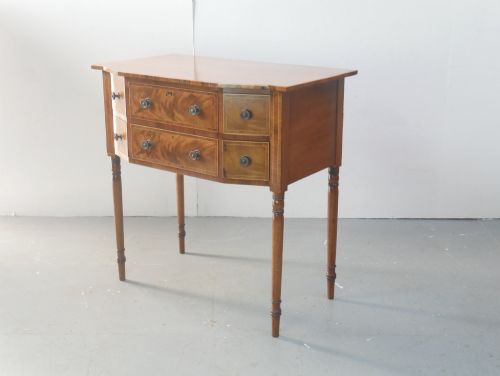
The version you most frequently encounter on this page is the Edwardian or nineteenth-century oak or mahogany cupboard, often built with compact proportions to suit narrow entranceways. Alongside these, Georgian mahogany sideboards and painted pine storage cupboards appear, offering alternative configurations of shelving and doors.
Origins vary widely across the inventory, ranging from English workshops to Italian, French and North European makers. The object types stretch from simple single-door pine cupboards to sophisticated inlaid mahogany side cabinets and fitted hall seats.
How they were made
Cabinet makers utilised dense hardwoods such as mahogany, oak, walnut and cherrywood for structural integrity and refined surfaces, alongside pine for functional carcass work. Timber selection dictated the character of the piece, with figured grains and satinwood stringing applied to elevate visual appeal in formal settings.
Construction relied on traditional joinery techniques complemented by functional hardware, including original brass handles and blacksmith-made iron locks and hinges on earlier primitive examples. Surfaces received varied finishes, from polished mahogany and golden oak to painted and waxed treatments on pine and cherrywood.
Materials span six primary timbers including mahogany, oak, pine, satinwood, cedar and cherrywood, supplemented by brass and iron hardware.
What varies in quality
The grade of timber and the crispness of inlaid detail separate standard utility cupboards from finer reception room pieces. Well-figured mahogany veneers, balanced proportions and sophisticated stringing indicate a higher tier of craftsmanship.
Hardware integrity and structural joinery mark the division between basic storage boxes and superior cabinet work. Original brass mounts, robust locking mechanisms and carefully fitted doors demonstrate the original maker's investment in longevity.
Denby & Spinks·Walker & Hall
The Wooden Hall Cabinet Glossary
- Chiffonier
- A low sideboard or cabinet featuring a raised tier or shelf at the back. This form gained popularity during the Regency and Victorian periods for dining and living spaces.
- Bowfront
- A curved cabinet front projecting outward in a convex arc. This styling appears frequently on Georgian mahogany sideboards to soften rectangular room angles.
- Linenfold
- A carved wood panel motif resembling folded linen fabric. It is commonly found on Edwardian oak cupboards drawing inspiration from earlier Gothic styles.
- Satinwood
- A durable exotic timber with a lustrous yellowish-brown sheen. Craftsmen utilised it for contrasting inlay work and banding on mahogany cabinets.
Wooden Hall Cabinet: Frequently Asked Questions
Where should a wooden hall cabinet go?
These pieces suit entranceways, corridors and narrow landings where floor space is limited. Their shallow depths allow passage while offering storage for everyday items.
Selecting a compact sideboard or single-door cupboard prevents congestion in high-traffic zones while introducing period character to otherwise plain walls.
How do I date a wooden hall cabinet?
Dating relies on observing timber choices, structural forms and hardware styles across different eras. Georgian and Regency pieces favour solid mahogany and clean classical lines, while Edwardian examples often feature lighter oak and inlaid satinwood details.
Examining internal construction and lock mechanisms also provides clues to the manufacturing decade, distinguishing eighteenth-century primitive work from later industrial production.
What is the difference between a cupboard and a sideboard?
Cupboards primarily provide enclosed vertical storage behind hinged doors, often fitted with internal shelving for linens or general items. They range from tall slim pine units to low Georgian linen storage.
Sideboards generally offer a broader, lower surface profile designed for serving or display, frequently combining drawer space with lower cabinet compartments.
How do I care for antique wood furniture?
Maintain timber surfaces by dusting regularly with a soft, dry cloth and avoiding placement near direct heat sources or strong sunlight. Wax finishes benefit from occasional nourishing applications suited to the specific timber.
Protecting the surface from moisture and extreme humidity fluctuations preserves both the original polish and the underlying wood structure over time.