

Antique Cupboard with Drawers
When you search for an antique cupboard with drawers, you are looking for functional timber storage that pairs enclosed shelving with internal or base compartments.
Antique Cupboard with Drawers
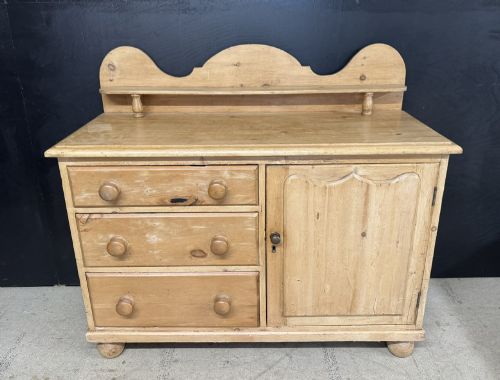
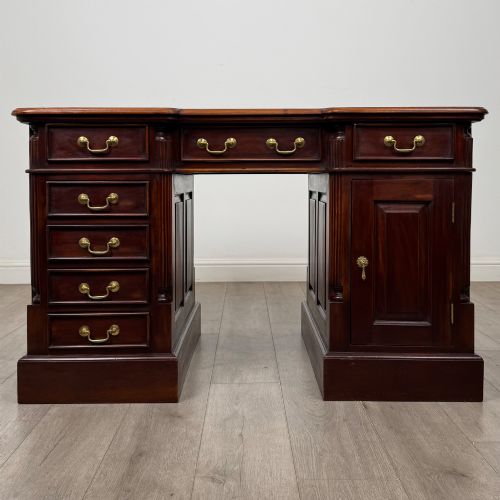
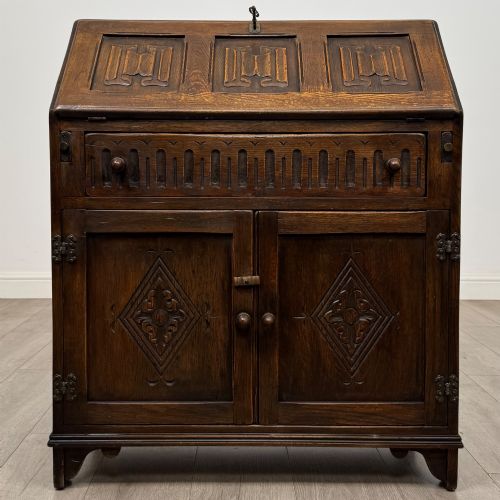
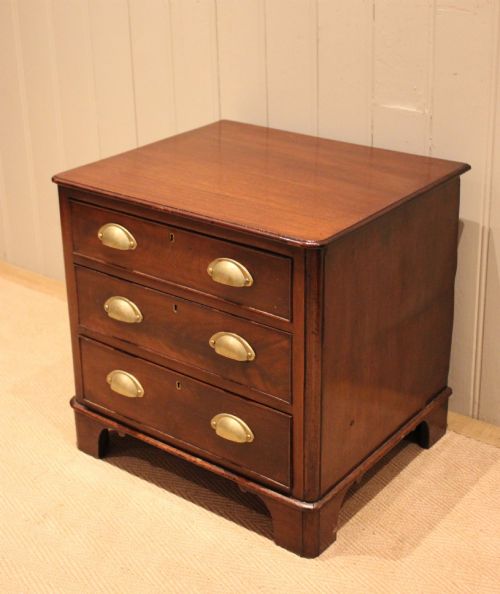
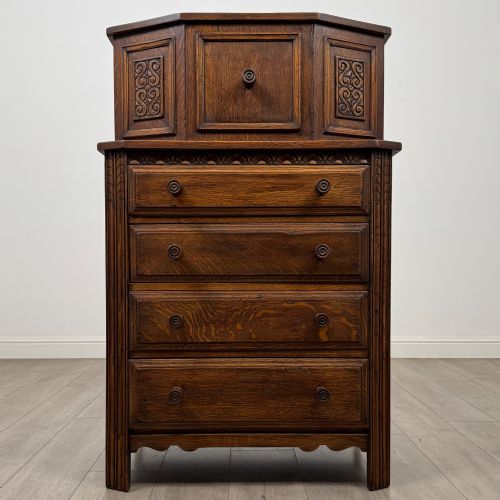
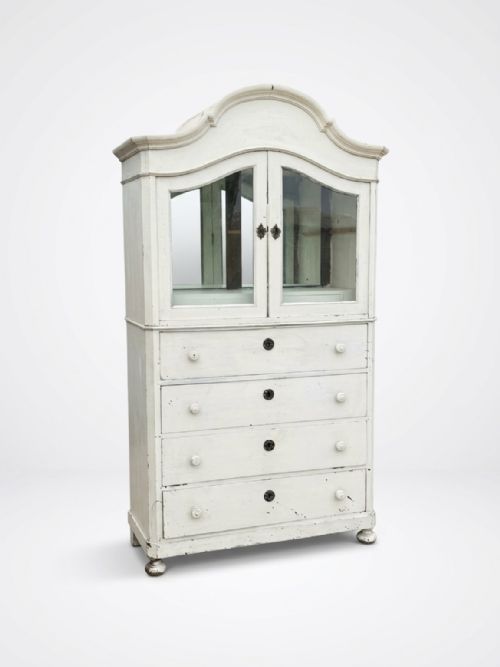
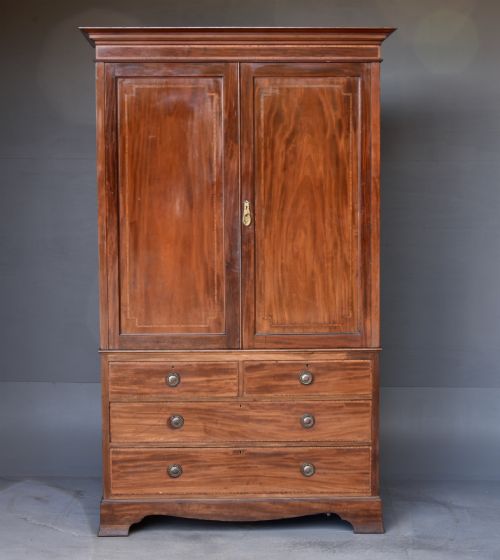
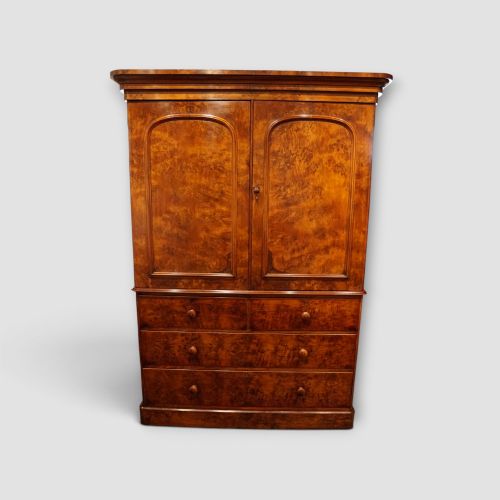
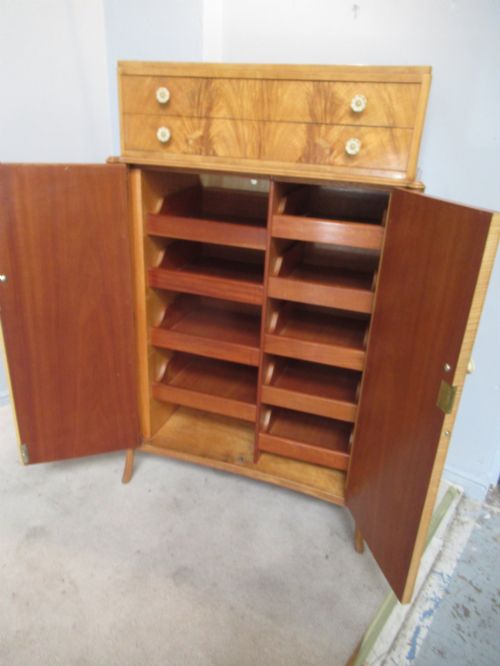
The search for an antique cupboard with drawers brings up a wide selection of functional storage furniture originating across the Victorian, Georgian, and Edwardian eras. Buyers frequently encounter pine larder cupboards, mahogany linen presses, and oak compactums that combine upper cabinet doors with integrated drawer storage below or inside. These pieces served practical domestic purposes in kitchens, bedrooms, and halls, resulting in forms that prioritise utility alongside traditional craftsmanship.
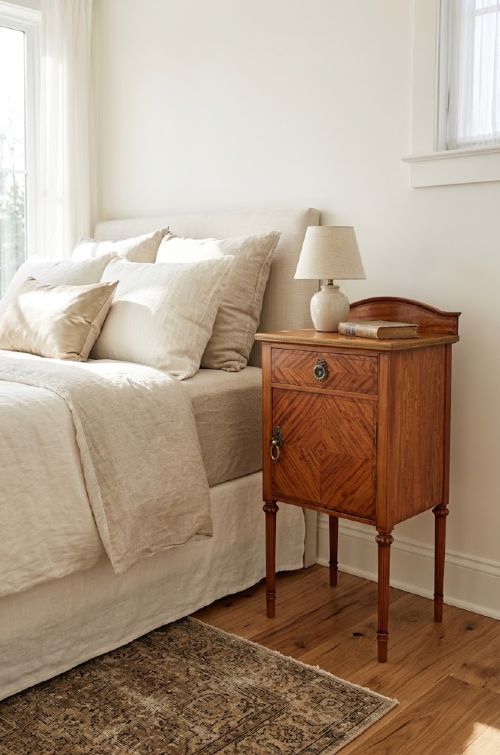
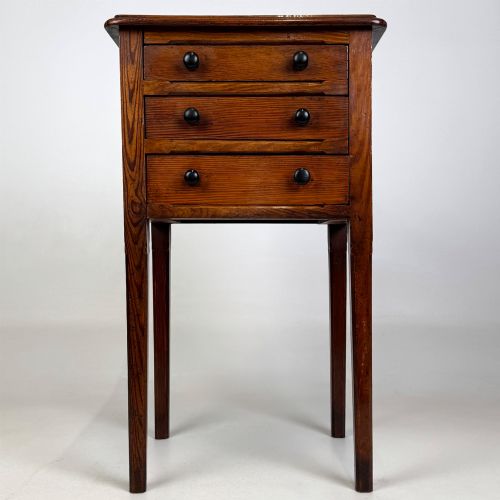
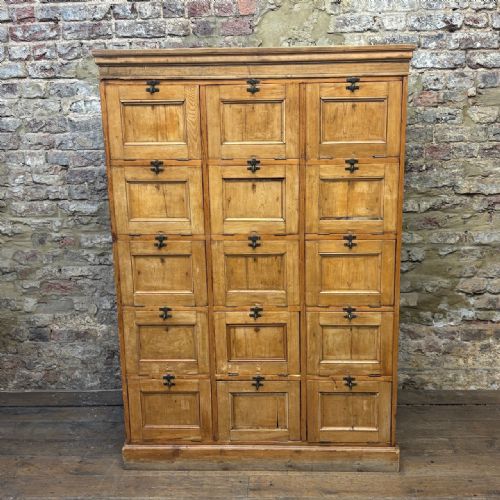
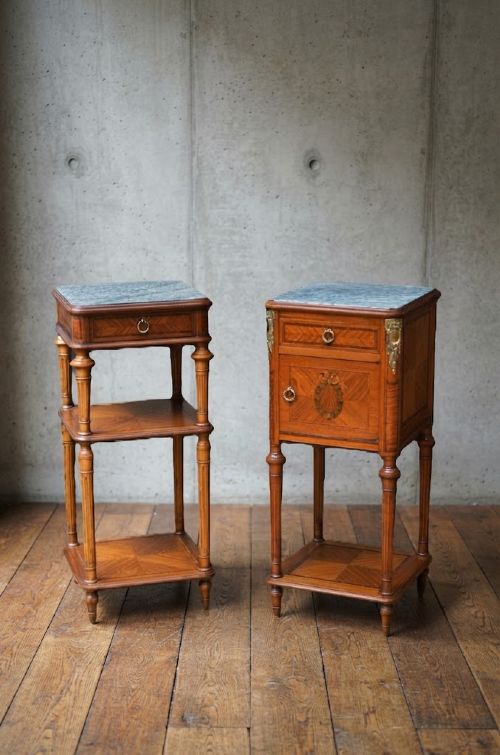
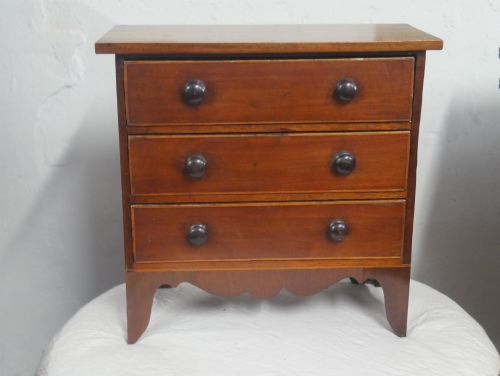
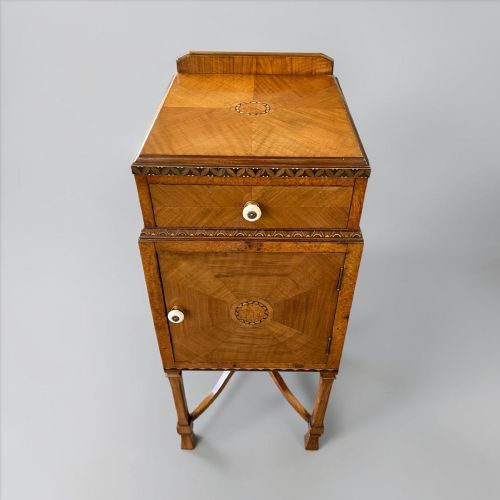
Pine versions dominate the archival records, often appearing as larder or food cupboards fitted with multiple deep drawers, whereas formal reception rooms yielded refined mahogany and walnut side cupboards and linen presses. Smaller bedside cabinets and tabletop chests also surface, showing how domestic scale varied from grand Georgian country houses to compact Edwardian chambers. The range extends across styles from English Country and Victorian Country to formal Regency and Arts and Crafts designs.
Materials and construction methods
Cabinet makers relied primarily on solid timbers such as oak, mahogany, and pine, frequently enhanced by decorative veneers including walnut, burr walnut, birds-eye maple, and satinwood. Structural integrity relied on traditional joinery methods, while secondary elements incorporate brass hardware, iron fittings, and glass panelling for display doors.
Surface treatments range from waxed and painted finishes on utilitarian pine pieces to polished flame mahogany and ebonised surfaces on formal cabinetwork. Details such as blind fretwork cornices, marquetry inlay, and brass drawer inlays appear across Georgian and Victorian iterations, demonstrating the specific decorative vocabulary of each period.
Listings feature pieces spanning from the 18th century through to the 1930s, constructed in pine, oak, mahogany, walnut, and satinwood.
Distinctions in construction and finish
Quality in these pieces depends on the selection of timber and the precision of the underlying joinery rather than mere decorative flourish. Finer examples display carefully matched grain patterns in mahogany or burr walnut veneers, well-fitted drawers with hand-cut joints, and original brass hardware or locks that remain fully operational.
Utility pieces in pine show variation in timber selection and the retention of original surfaces, where untreated or later painted finishes contrast with honest period wax patination. The integration of drawers into the primary cabinet structure reveals the maker's hand, distinguishing standard workshop production from signed items by notable cabinet makers.
maples & co·Gillows·Heals·Harris Lebus
The Antique Cupboard with Drawers Glossary
- Linen press
- A large wardrobe-like cabinet traditionally used for storing folded linens, typically featuring upper shelving enclosed by doors above a bank of drawers at the base.
- Compactum
- A multi-functional wardrobe or storage cabinet designed to maximise interior space by combining hanging sections, shelves, and multiple drawers in one unit.
- Larder cupboard
- A tall storage unit originally designed for food preservation and kitchen provisions, frequently constructed from pine and fitted with multiple internal or external drawers.
- Cornice
- The ornamental moulding running around the uppermost edge of a piece of furniture, which can range from simple plain timber to carved blind fretwork.
- Marquetry
- Decorative veneer work created by fitting small pieces of wood, shell, or ivory into patterns to ornament the surface of a cabinet or book-case.
Antique Cupboard with Drawers: Frequently Asked Questions
What is a compactum wardrobe?
A compactum is a multi-functional storage unit designed to combine various domestic needs within a single footprint. These pieces typically integrate hanging space, shelving, and multiple drawers.
They emerged strongly by the Edwardian period to offer comprehensive bedroom storage without requiring separate chests and wardrobes.
How do I identify a linen press?
A linen press is characterised by upper cabinet doors that open to reveal sliding trays or shelves, paired with a chest of drawers forming the lower section. They were engineered for storing textiles flat before modern wardrobes became common.
Most surviving examples date from the Georgian and Victorian eras in mahogany or oak.
Are pine cupboards contemporary to the Georgian era?
Pine was widely utilised throughout the 18th and 19th centuries for utilitarian furniture such as larder cupboards, dressers, and kitchen storage. These pieces were often scrubbed, waxed, or painted for practical domestic use.
While oak and mahogany served formal rooms, pine fulfilled functional roles in pantries and utility spaces.
How should I care for a waxed pine cabinet?
Waxed pine benefits from occasional application of traditional beeswax to nourish the timber and maintain a soft lustre. Avoid placing wooden cabinets in direct sunlight or near heat sources to prevent timber movement.
Regular dusting with a dry cloth protects the historic wax finish without stripping the natural patina.