
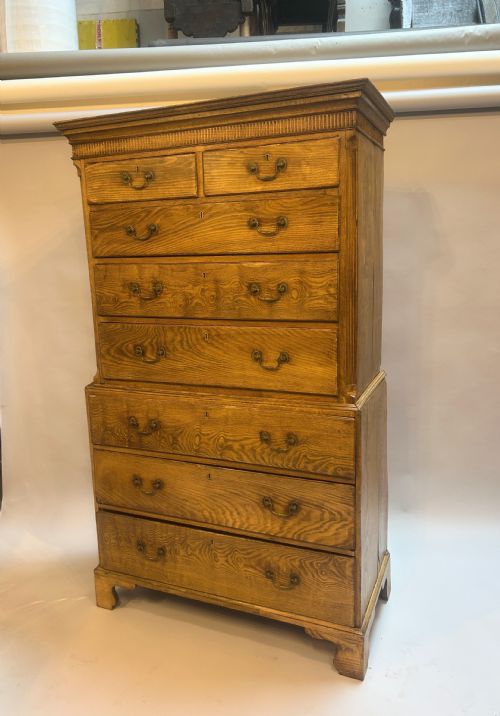
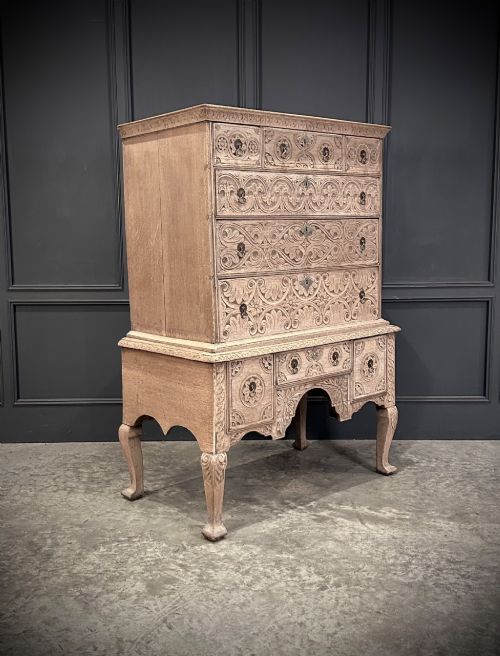
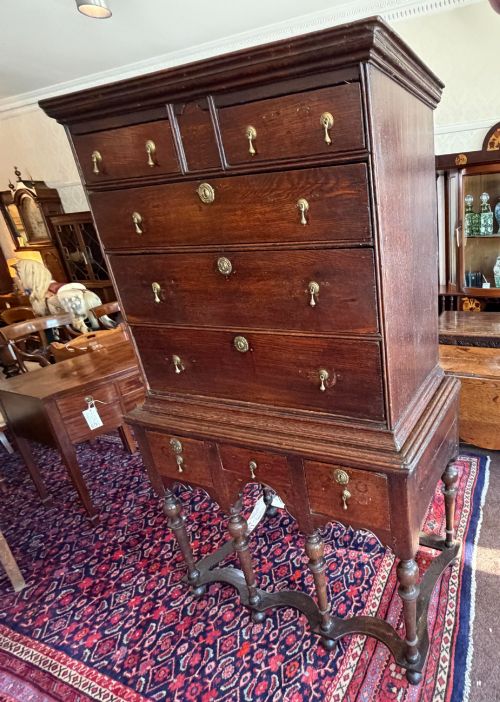
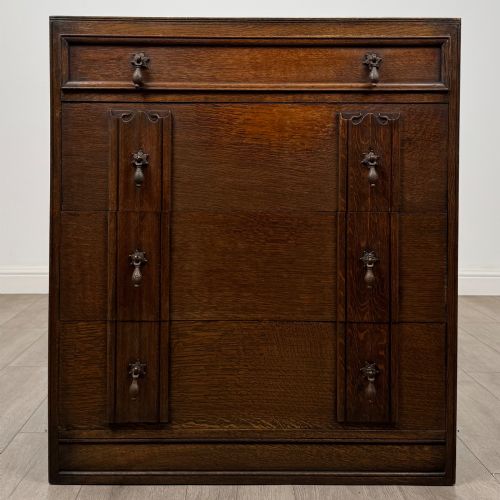
Oak Tallboy Cabinet
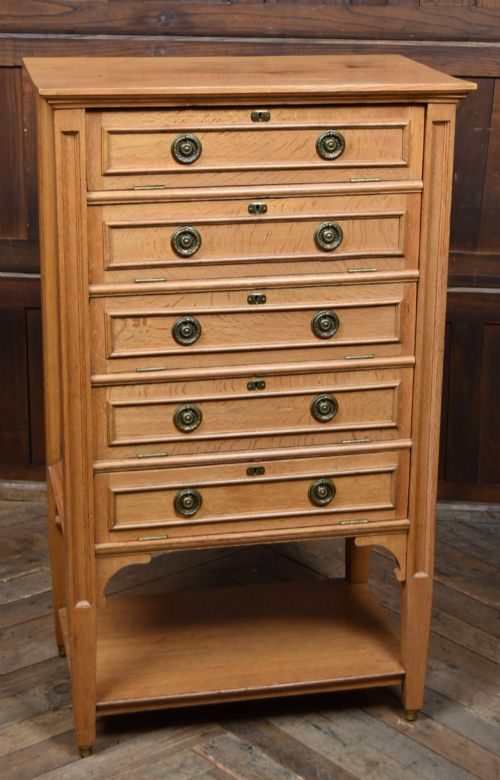
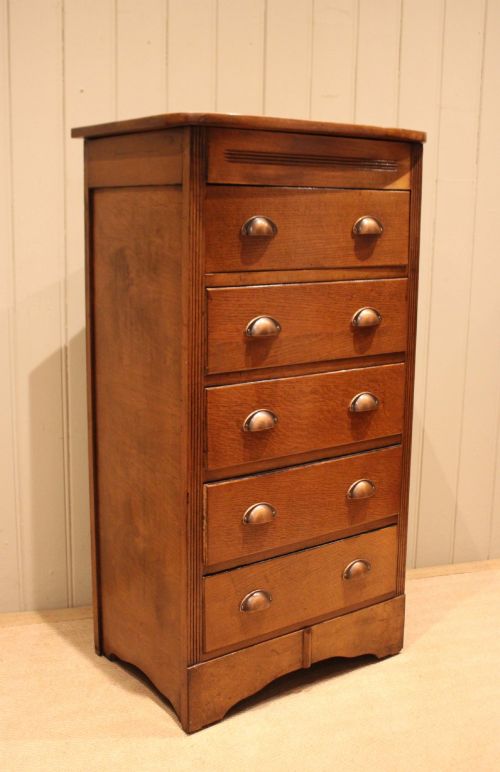
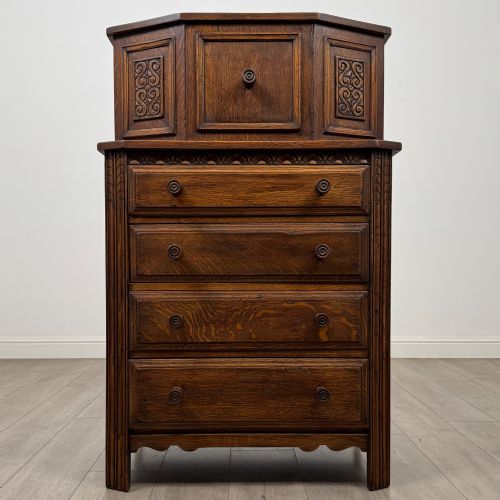
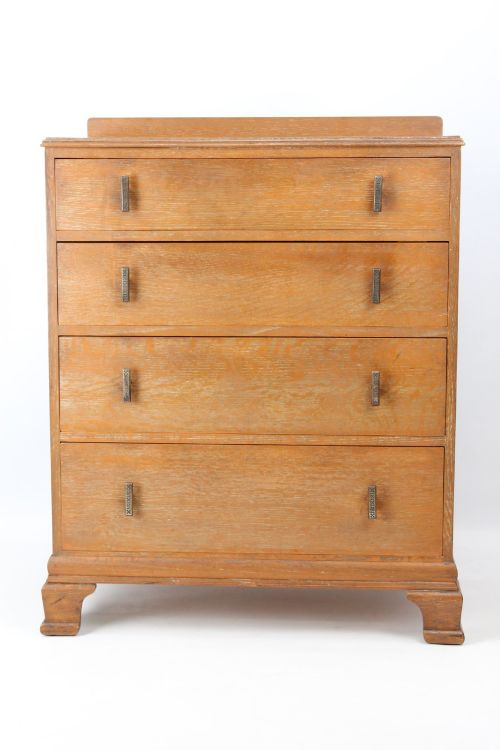
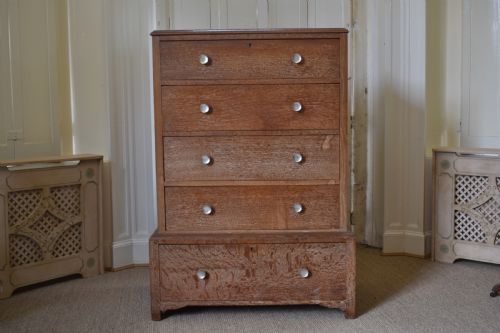
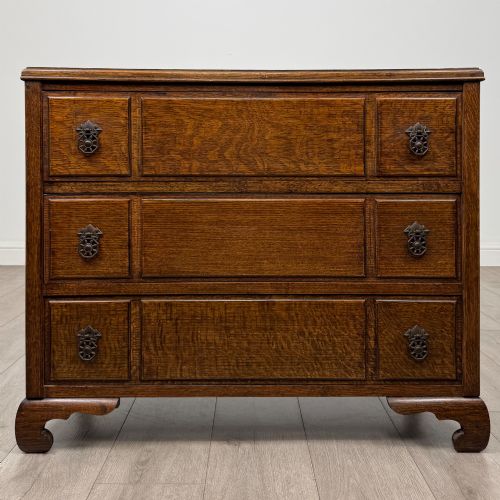
An oak tallboy cabinet provides serious vertical storage with the distinct grain of hardwood.

What oak tallboy cabinet examples exist
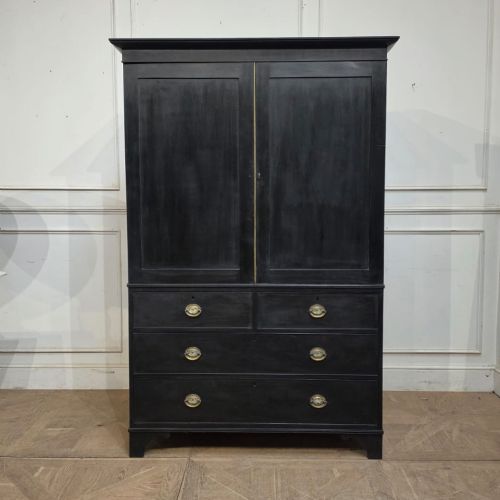
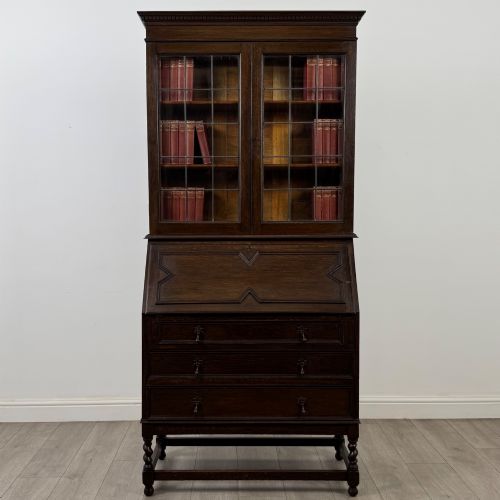
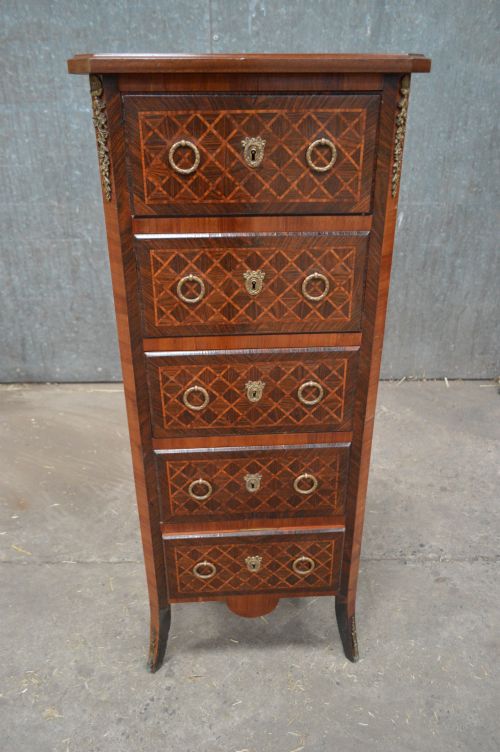
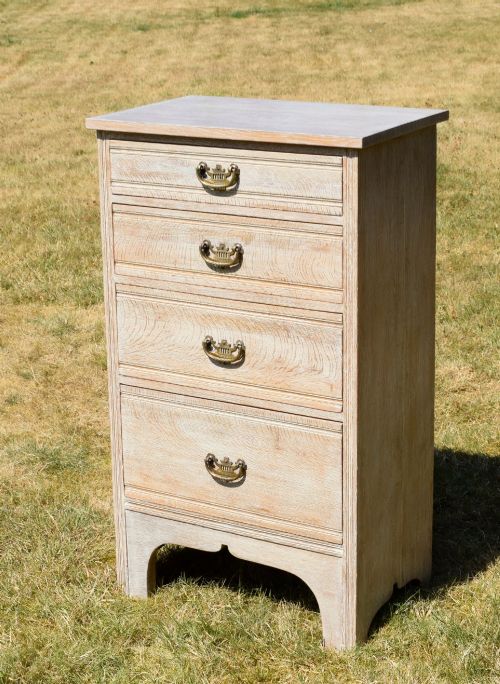
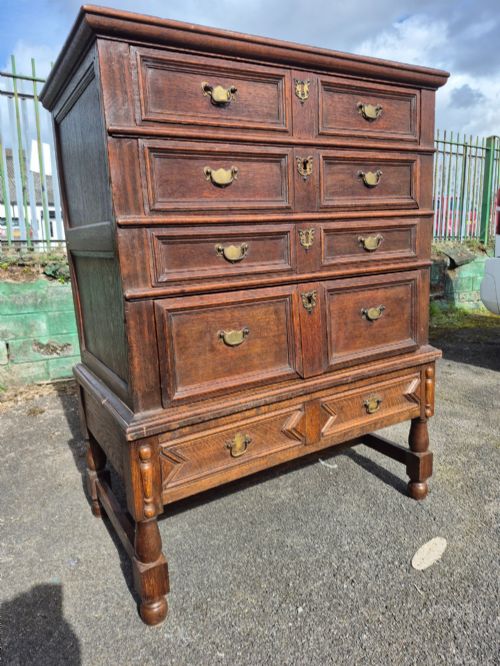
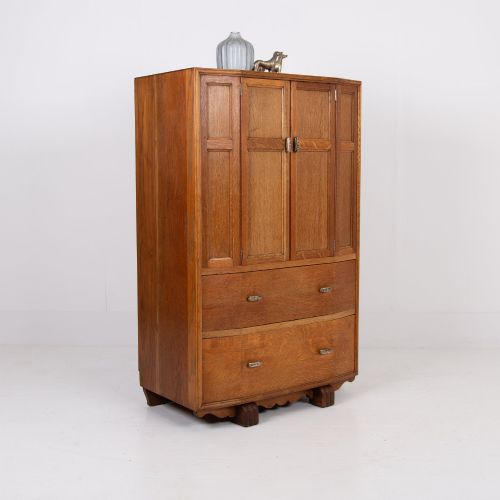
An oak tallboy cabinet combines generous storage capacity with a compact footprint, making it a practical choice for rooms requiring vertical organisation. The selections span multiple eras including Georgian, Regency, Edwardian, and Art Deco periods, alongside pieces dating to the nineteenth and early twentieth centuries.
The forms encompass tall chests of drawers, filing cabinets, and distinct cabinet-on-chest configurations. These pieces frequently utilise solid oak timbers, occasionally paired with burr walnut or brass hardware for contrast and function.
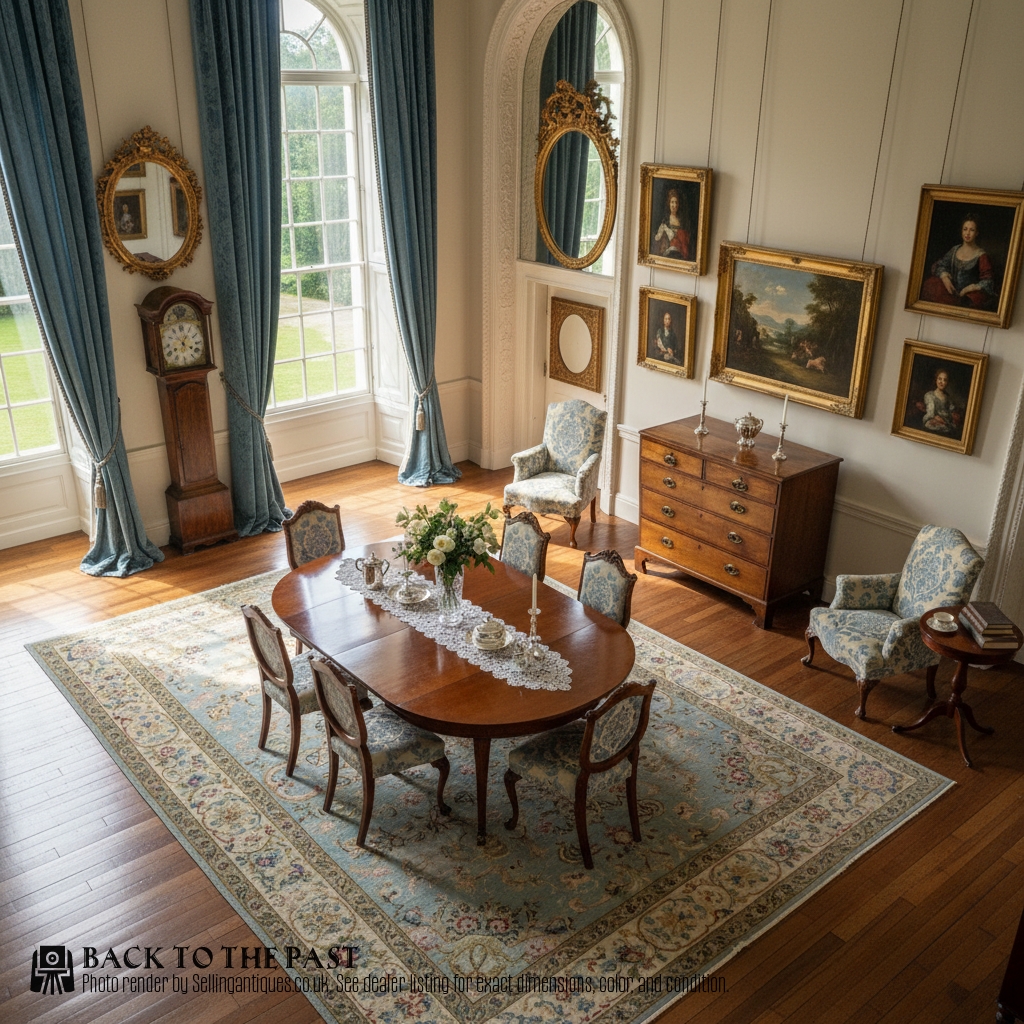
Materials and construction
Cabinet makers utilised oak as the primary timber, valued for its durability and prominent grain pattern. Selected pieces incorporate burr walnut details alongside brass fittings.
Construction techniques span traditional cabinet making traditions, resulting in sturdy chests of drawers and tall storage units designed to endure daily use.
Retail Price Guide 2026
Typical UK retail prices for oak tallboy cabinet, calculated from the Sellingantiques database of over a million retail prices indexed since 2003. This retail price guide relies exclusively on Sellingantiques data; no external sources or auction records are used, so the figures do not describe the wider market.
Materials recorded across these cabinets include oak, burr walnut, brass, and general metal fittings.
Assessing quality in tallboy cabinets
Quality in these cabinets rests upon the selection of timber and the precision of the joinery. Finer pieces demonstrate careful attention to grain matching, particularly where burr walnut or banded oak details are applied.
The sophistication of the hardware, from brass handles to working locks, distinguishes standard utilitarian pieces from workshop productions like those by Whytock and Reid.
Whytock and Reid of Edinburgh
The Oak Tallboy Cabinet Glossary
- Tallboy
- A tall chest of drawers, typically comprising a chest placed upon another chest or built as a single high unit. This form maximises vertical storage space.
- Banded
- Featuring a narrow strip of contrasting timber inlaid around the edges or drawer fronts. This technique frames the wood grain.
- Burr walnut
- Wood taken from a walnut tree growth, producing intricate, swirling grain patterns. It is often used for decorative veneer.
- Regency
- A style period dating from the early nineteenth century. Furniture from this era often incorporates classical restraint and clean lines.
Frequently Asked Questions
What is an oak tallboy cabinet?
An oak tallboy cabinet is a tall storage unit built primarily from oak, designed to hold clothing or papers within a vertical footprint.
These pieces combine the utility of a chest of drawers with an elevated profile suited to period and twentieth-century interiors.
How do I date an oak cabinet?
Dating relies on observing construction methods, hardware types, and stylistic indicators such as Art Deco geometric lines or Georgian banded detailing.
Comparing the timber preparation and secondary woods helps place a piece within periods from the nineteenth century through the 1930s.
Where should I place a tallboy?
A tallboy suits bedrooms, studies, or hallways where floor space is limited but vertical storage is required.
The tall proportions allow the cabinet to fit comfortably against walls without dominating the room's footprint.
Are these cabinets purely decorative?
These cabinets are functional storage items featuring multiple drawers or filing spaces designed for daily utility.
Their decorative qualities derive from the natural oak grain, brass accents, and period craftsmanship rather than surface ornamentation alone.