





19th Century Country House Cabinet
A 19th century country house cabinet brings practical domestic storage and regional vernacular character to a room.
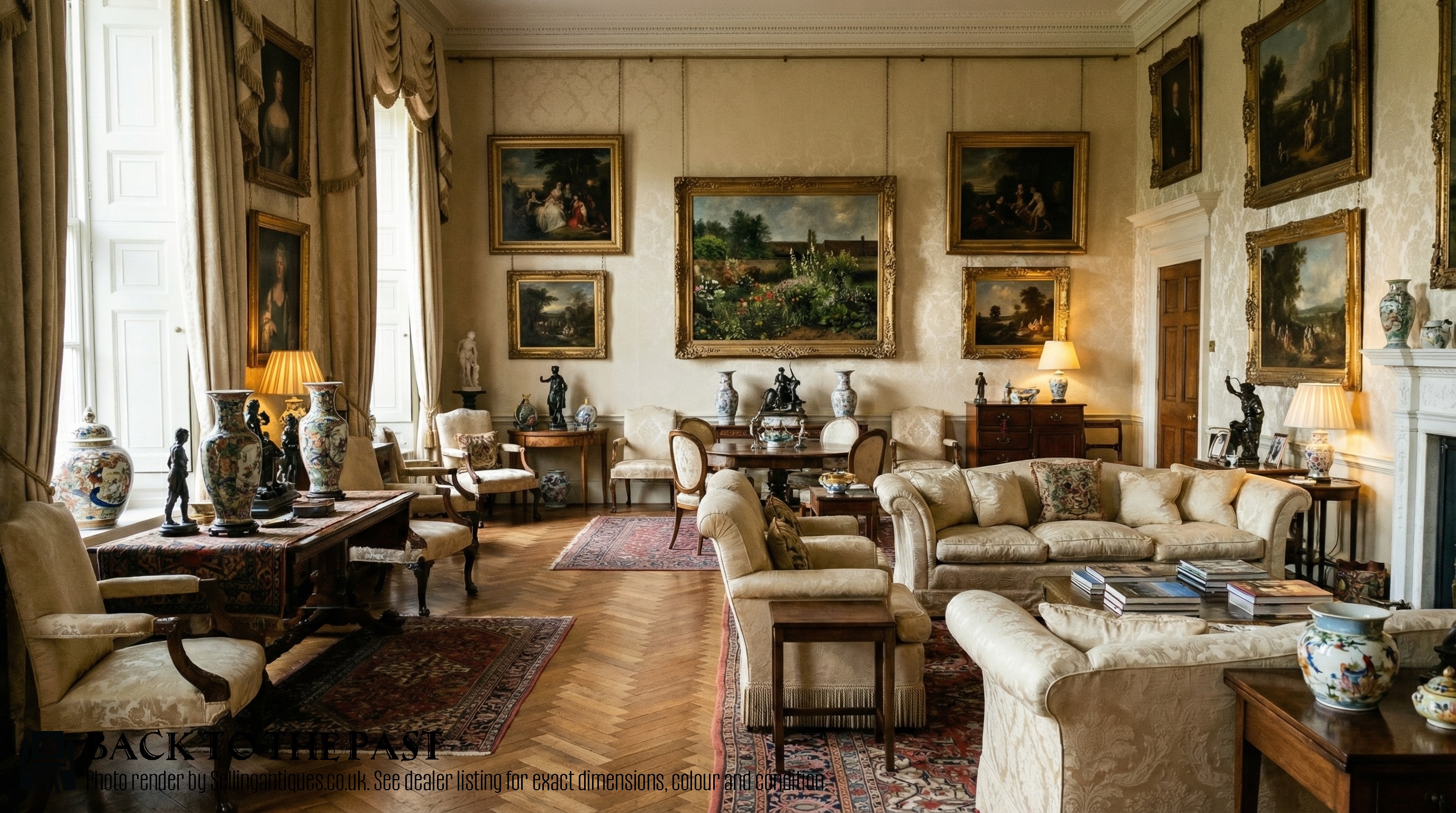
19th Century Country House Cabinet
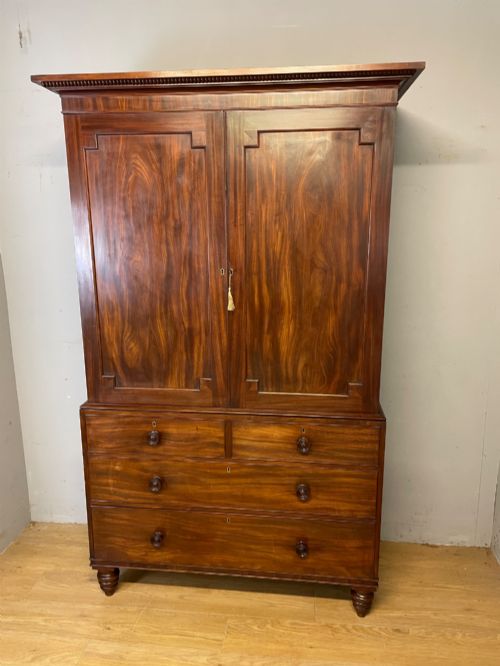
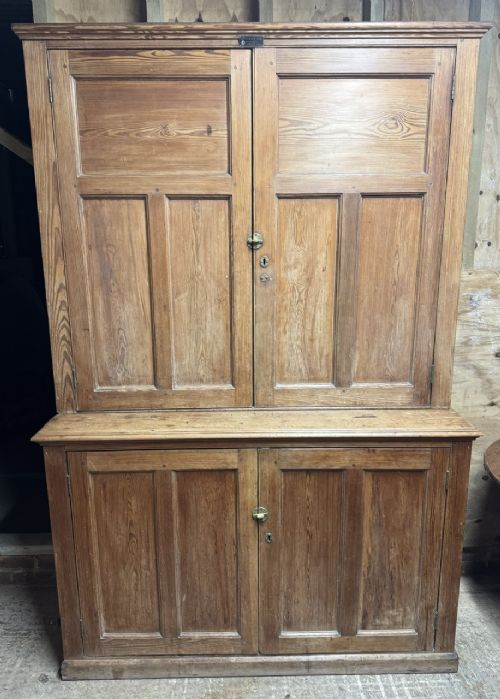
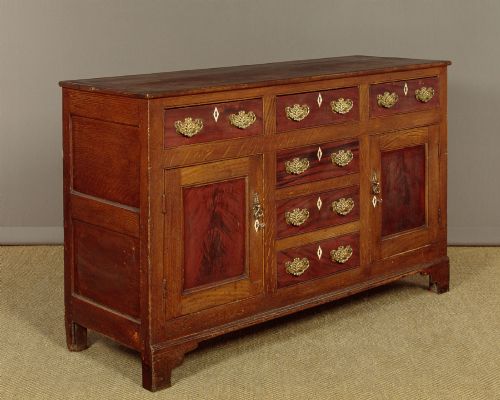
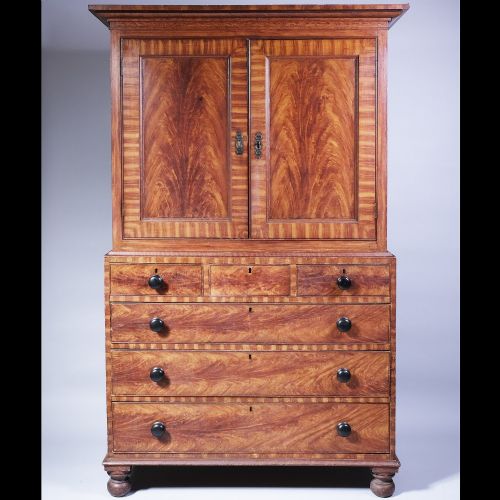
A 19th century country house cabinet encompasses large storage pieces designed for domestic utility in country houses, farmhouses, and estates. Buyers exploring this category encounter a variety of functional forms, including housekeepers cupboards, larder cupboards, kitchen dressers, bookcases, and linen cupboards.
The pieces on this page span several stylistic categories, reflecting the broad geography of rural domestic furniture. Scottish, English, French Provincial, and Scandinavian country styles appear alongside Victorian designs, each showing distinct regional timber choices and construction methods.
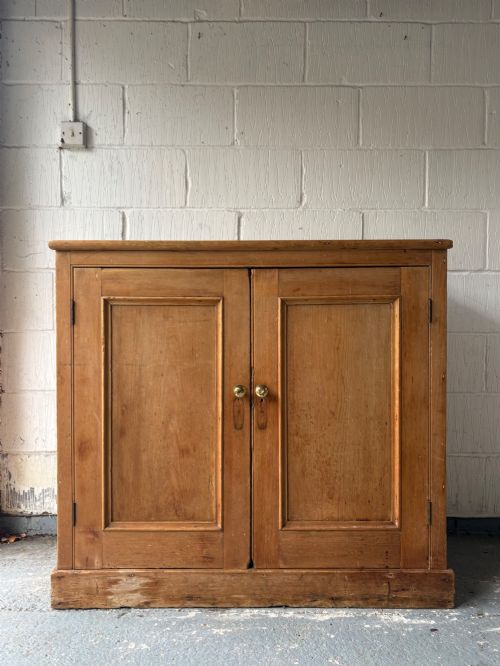
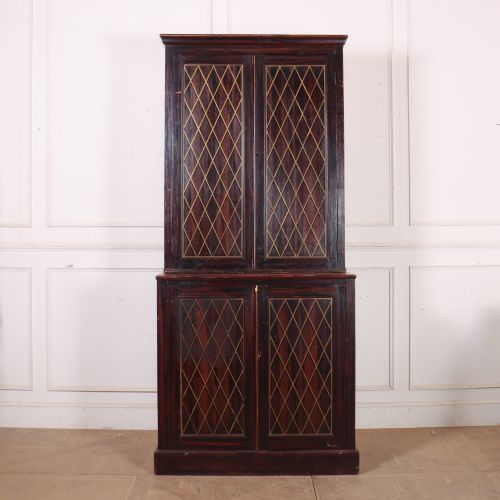
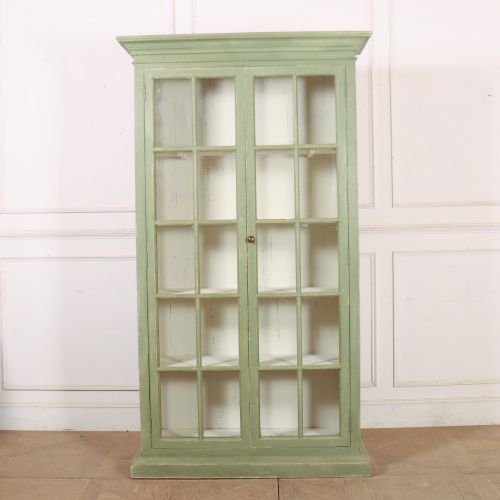
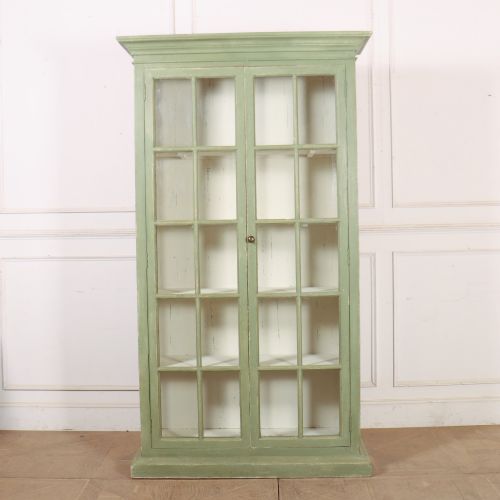
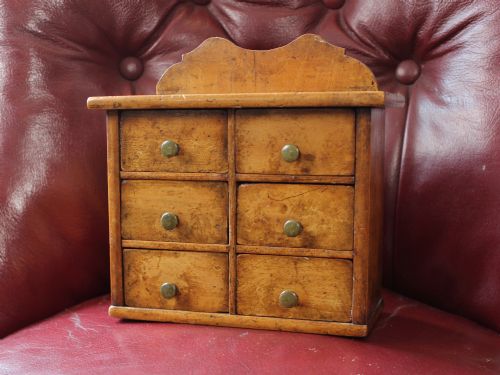
Storage furniture from this era ranges from tall glazed bookcases and display cabinets to robust pine or oak cupboards and drawer units. These utilitarian forms served the daily operations of large households, resulting in durable construction and practical internal compartments.
Materials and construction methods
Makers utilised solid timbers dictated by local availability, frequently employing pine, oak, mahogany, fruitwood, and walnut for carcases and doors. Many pieces incorporate secondary softwoods like pine for interior shelving and drawer linings.
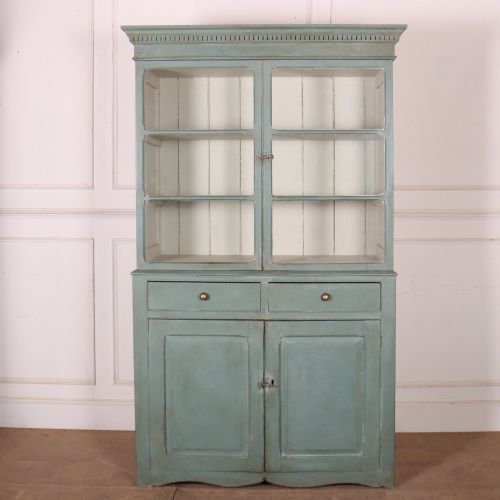
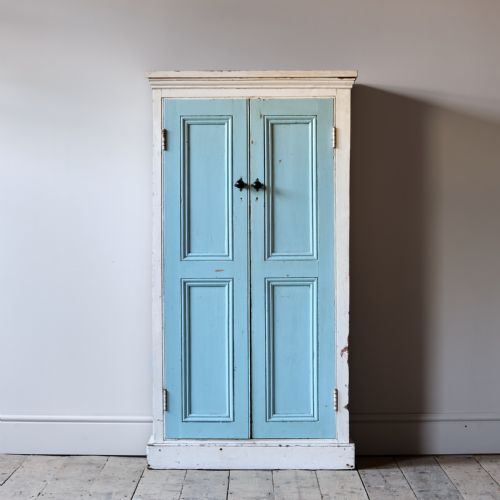
Surface treatments play a significant role in the appearance of these furnishings, with scumble paint, original paint finishes, and clear polish highlighting the grain. Iron and brass hardware, such as hinges and drawer pulls, secure the structural joints and operational doors.
19th Century Country House Cabinet Retail Price Guide 2026
Typical asking prices for 19th century country house cabinet among the pieces listed under this phrase on Sellingantiques today, from the lower quarter to the upper quarter. They describe what is for sale here now, not the wider market.
Listings feature pine, oak, mahogany, walnut, and fruitwood alongside brass, iron, and glass elements.
Evaluating quality and proportion
Quality in these domestic pieces rests upon the integrity of the timber selection and the retention of original surface finishes. Pieces retaining untouched paintwork or rich patinated mahogany stand apart from those with later alterations.
Structural proportion and joinery execution determine the standing of an item within its type. Refined cabinet making in estate libraries contrasts with the robust, straightforward carpentry found in rural utility cupboards.
John Taylor And Sons
The 19th Century Country House Cabinet Glossary
- Scumble paint
- A decorative surface technique where a translucent glaze is manipulated over a lighter base coat to imitate the grain of more expensive hardwoods.
- Housekeeper cupboard
- A large storage piece with upper and lower compartments designed for linens, dry goods, and household provisions.
- Dresser base
- The lower section of a kitchen or dining room storage unit, typically featuring a combination of drawers and cupboards beneath a solid top.
- Commode
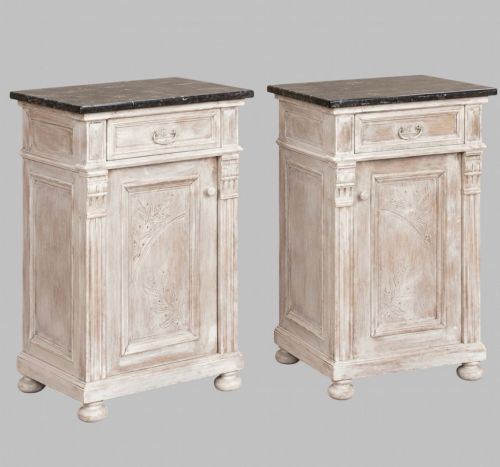
- A low chest of drawers or cabinet, often featuring decorative marble tops in French provincial examples.
- Glazed bookcase
- A cabinet fitted with glass panelling in the doors to display books while protecting them from dust.
19th Century Country House Cabinet: Frequently Asked Questions
What is a country house cabinet?
A country house cabinet is a large utility piece of furniture made during the nineteenth century for storage in domestic settings. These items include cupboards, dressers, and bookcases built from regional timbers.
Such furnishings served practical roles in organising household goods, provisions, and libraries across British and European estates.
How do I identify a Victorian cupboard?
Victorian cupboards are identified by their nineteenth-century date, typically utilising dense timbers like mahogany or oak alongside structural pine. Their forms often reflect the period interest in utilitarian domestic organisation.
Many examples feature original painted surfaces, brass hardware, or glazed doors suited to formal estate rooms or rural kitchens.
Where were these cabinets made?
These cabinets originate from various regions across Britain, France, and Scandinavia. Local workshops utilised native woods such as pine, fruitwood, and oak.
Regional differences appear in the decorative finishes, painted styles, and construction details characteristic of local vernacular furniture traditions.
How do I care for painted pine?
Painted pine furniture requires stable indoor humidity and protection from direct sunlight to preserve the historic surface layer. Cleaning should involve only a dry or slightly damp soft cloth.
Avoid chemical polishes that can soften or lift original scumble or painted finishes on nineteenth-century pieces.