

Edwardian Walnut Cupboards
Edwardian walnut cupboards bring warmth and practical storage into a room, featuring rich burr veneers and traditional joinery.
Edwardian Walnut Cupboards
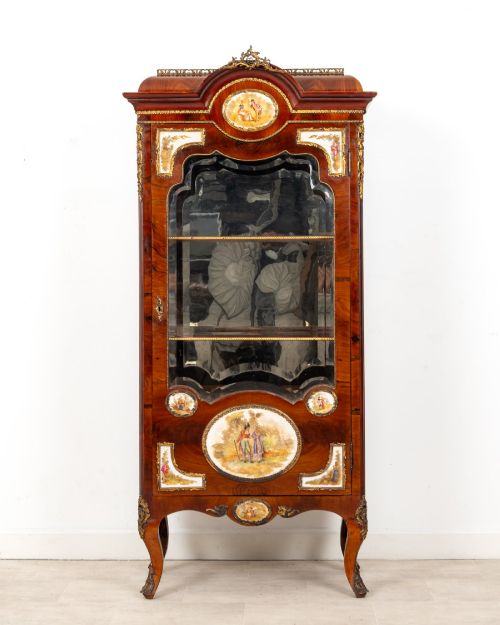
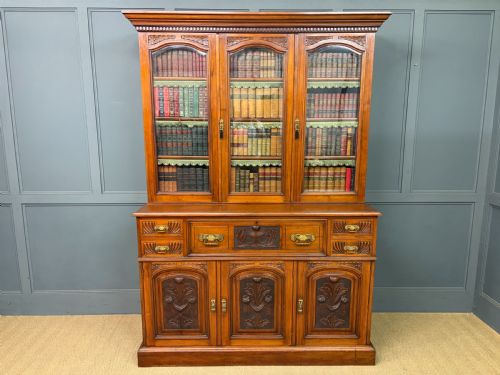
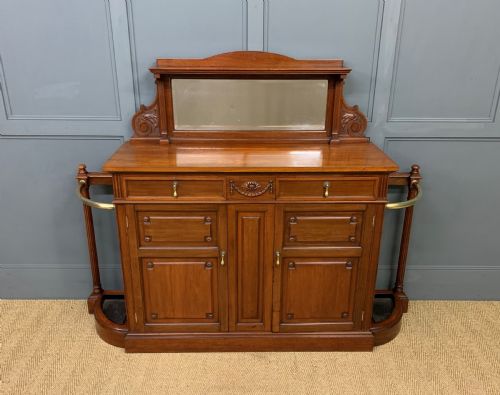
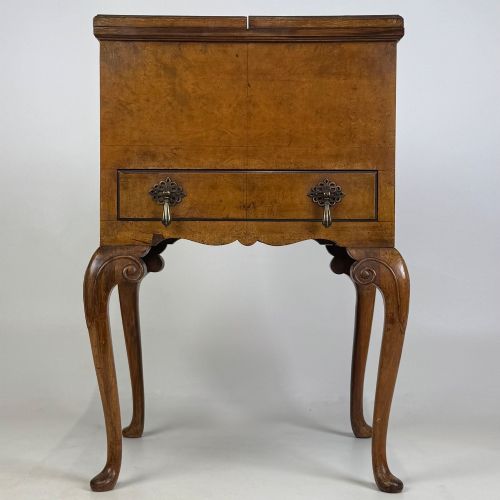
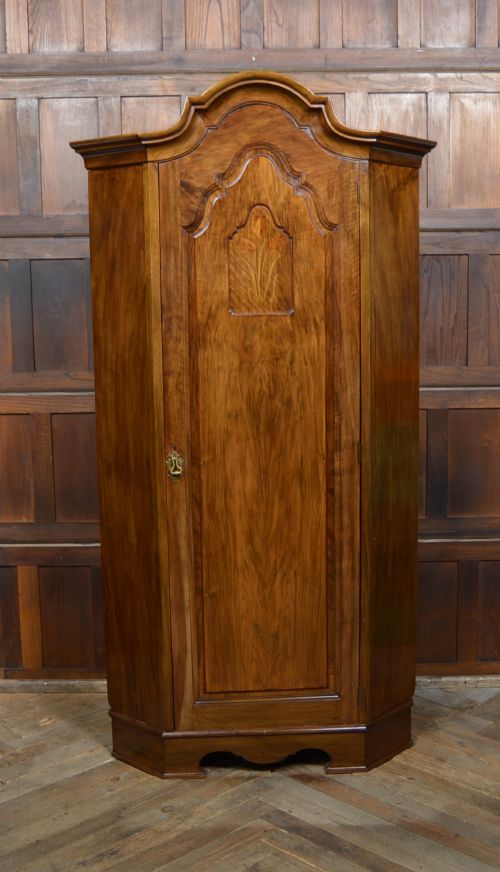
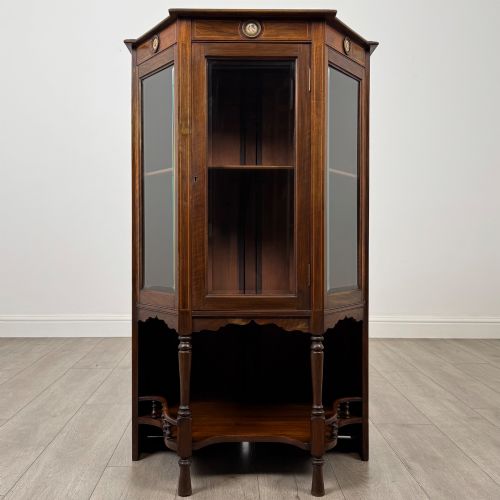
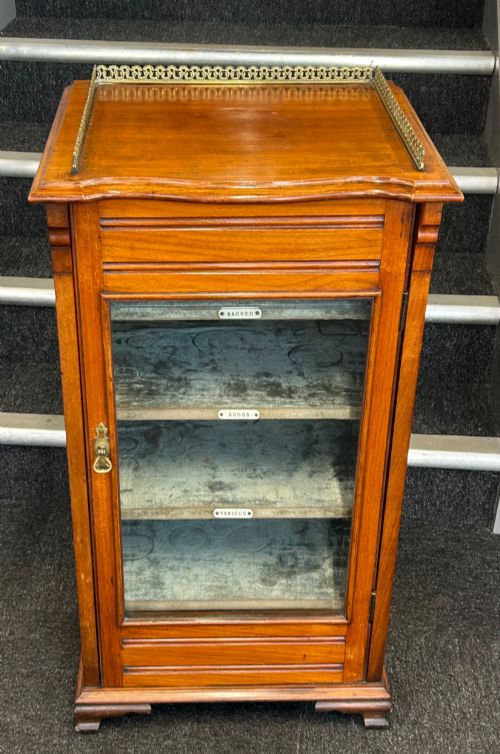
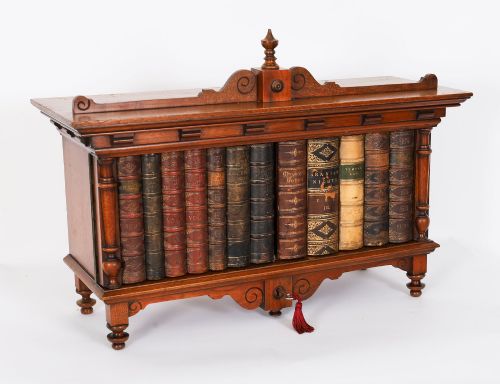
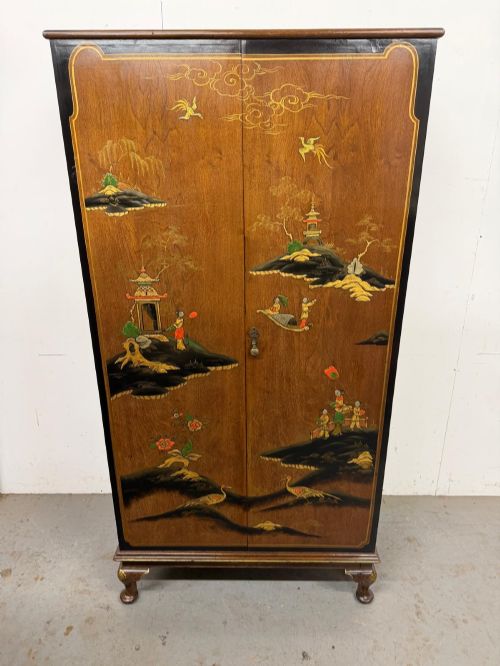
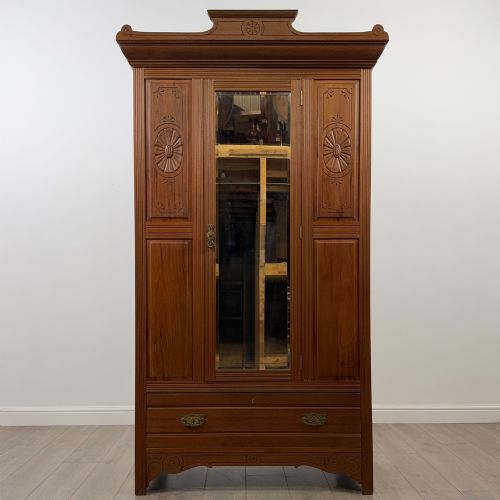
When you search for edwardian walnut cupboards, you encounter a variety of practical storage furniture produced during the early twentieth century alongside related Victorian and revival pieces. These items serve multiple domestic functions, ranging from bedside tables and music cabinets to tall display vitrines and compact wardrobes.
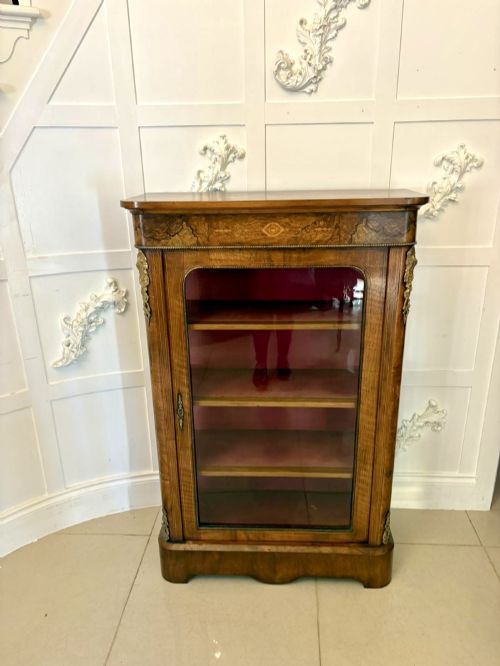
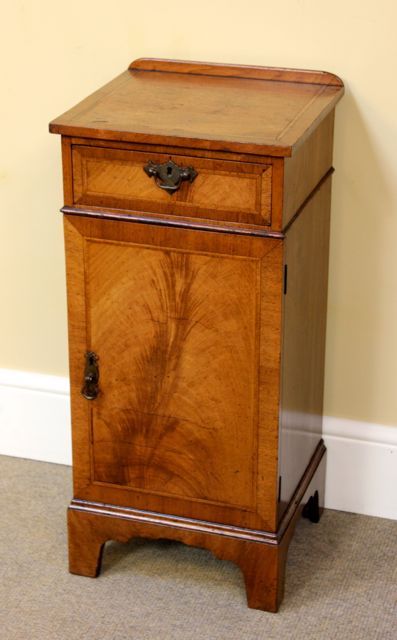
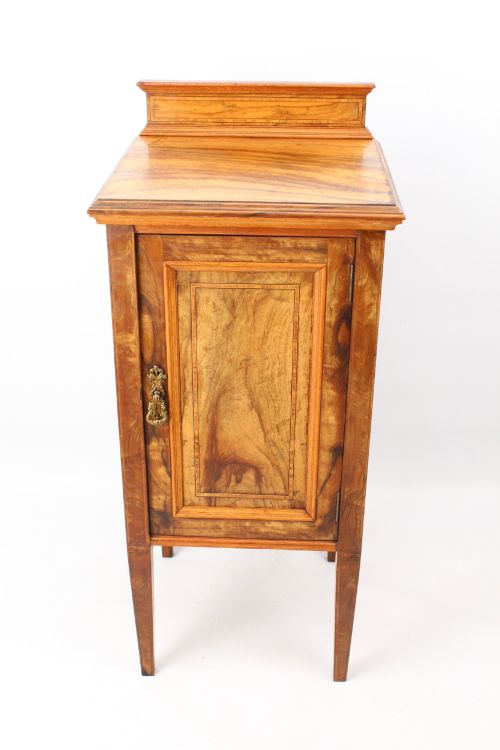
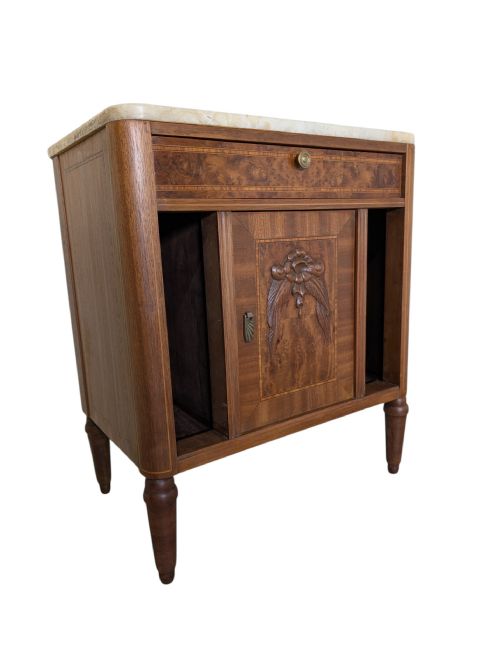
The version you are most likely to meet on this page is the compact bedside cabinet or smaller music cabinet in figured or burr walnut. These pieces frequently exhibit simple rectilinear proportions or subtle stylistic nods to earlier periods like Queen Anne.
Makers such as Maple and Co. and Shoolbred contributed to this output, alongside independent workshops producing functional domestic furniture. The selection reflects both dedicated Edwardian manufacture and late nineteenth-century precedents using the same timber.
How they were made
Cabinet makers utilised solid walnut and decorative walnut veneer over secondary timbers like ash or pine to achieve rich grain patterns without excessive weight. Burr walnut sections were carefully selected for door panels and top surfaces to create striking visual movement.
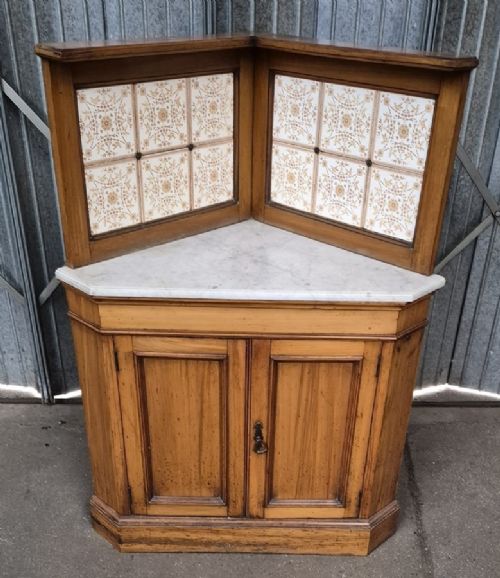
Hardware typically included cast brass handles, escutcheons, and hinges that complemented the dark tones of the wood. Glazed doors incorporated individual glass panes held by slender timber glazing bars, while marble tops occasionally appeared on bedside and washstand variants.
Many Edwardian music cabinets still retain their internal vertical wooden partitions, once designed for sorting sheet music by evening.
What varies in quality
The distinction between standard utility items and finer examples lies in the selection and book-matching of the walnut veneers. Finer cabinets display symmetrical grain patterns across door panels and drawer fronts, demonstrating deliberate planning by the maker.
Construction methods also set pieces apart, seen in the neatness of drawer dovetails, the smoothness of internal shelving, and the retention of original brass fittings and locks. Pieces bearing stamps or labels from known retailers tend to reflect higher standards of workshop execution.
Shoolbred and Co·Maple and Co·Arthur Simpson·Walker and Sons
The Edwardian Walnut Cupboards Glossary
- Burr walnut
- A figured wood grain obtained from the growths or burrs of a walnut tree, highly prized for decorative veneer panels on cabinet doors.
- Vitrine
- A glass-fronted display cabinet or showcase designed for exhibiting porcelain, books, or small decorative objects.
- Pier cabinet
- A low freestanding cabinet traditionally placed against the narrow section of wall between two windows.
- Compactum
- A large fitted wardrobe or multi-compartment cupboard combining hanging space, drawers, and shelving within a single footprint.
- Veneer
- A thin layer of superior walnut timber applied over a sound secondary wood base to provide decorative richness while ensuring structural stability.
Edwardian Walnut Cupboards: Frequently Asked Questions
Where should I place an edwardian walnut cupboard?
These cupboards adapt easily to various rooms, working effectively as bedside storage in a bedroom or as a compact bookcase in a study.
Their rich timber tones also suit hallways and living areas where they provide concealed storage without dominating the floor space.
How do I care for walnut veneer surfaces?
Maintain walnut furniture by dusting regularly with a soft cloth and avoiding placement near direct heat sources or strong sunlight that can dry the timber.
Apply a traditional beeswax polish occasionally to nourish the grain and protect the finish without building up heavy residues.
How do I tell Edwardian pieces from Victorian ones?
Edwardian items generally exhibit lighter, more restrained proportions compared to the heavier, highly carved formats often found in mid-Victorian furniture.
Design influences during the Edwardian era frequently leaned towards revival styles like Queen Anne or simpler utility forms rather than elaborate ornamentation.