



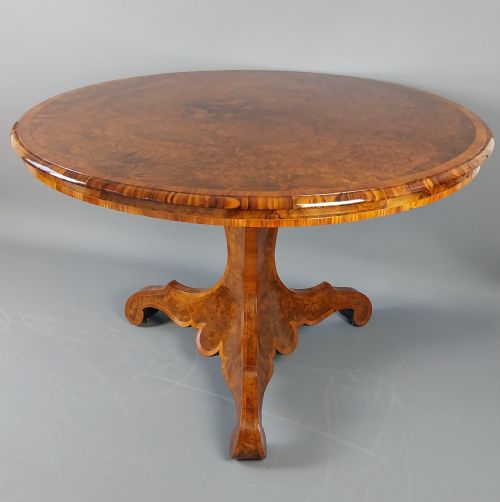


Golden Walnut Pedestal
Golden walnut pedestal pieces bring warm, honeyed timber tones and substantial weight to an interior, built to serve as practical desks or display surfaces.
Golden Walnut Pedestal
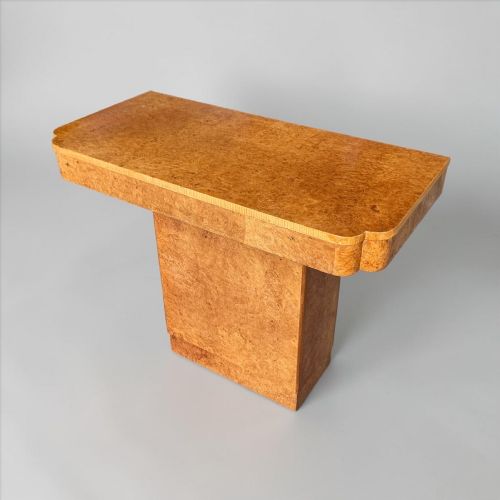
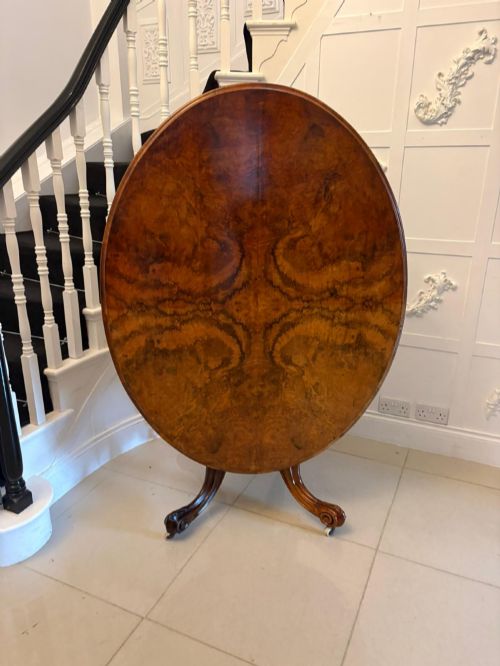
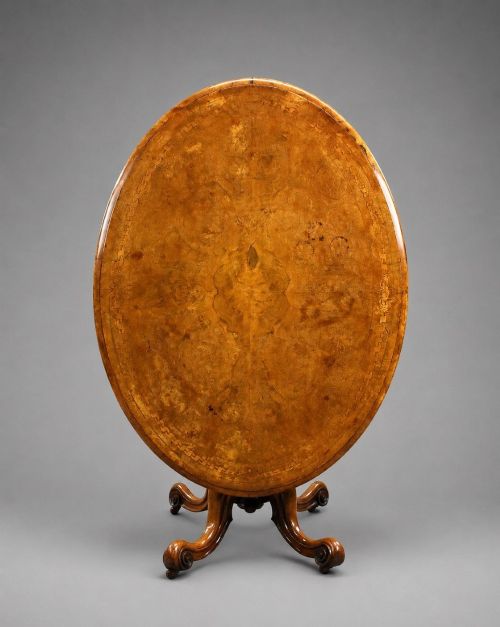
When you search for golden walnut pedestal items, you encounter furniture built around central columns or twin upright supports, rendered in pale, glowing walnut timbers. The evidence shows these predominantly as Victorian and late nineteenth-century pedestal desks, alongside occasional tables resting on tripod bases or central pillars.
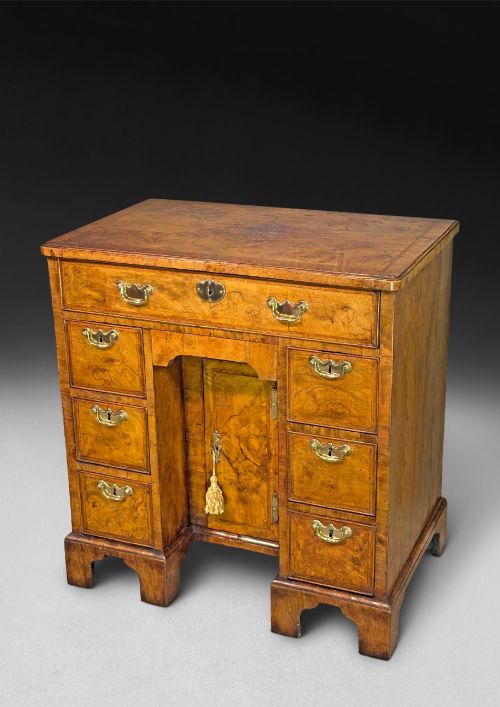
The objects span multiple eras, stretching from Georgian kneehole desks through to Victorian and Edwardian pedestal forms. Victorian examples frequently utilise golden walnut or burr walnut veneers, offering deep figuring across the upper writing surfaces and cupboard doors.
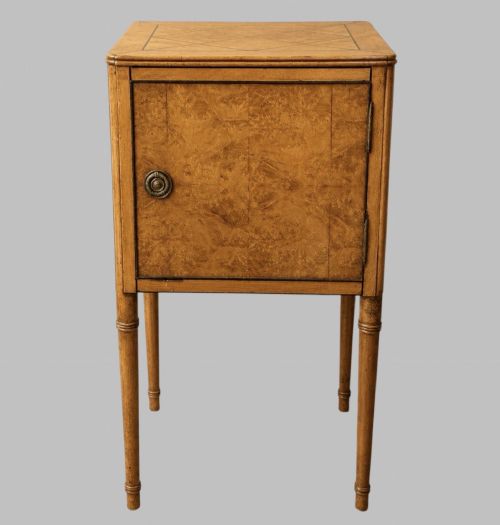
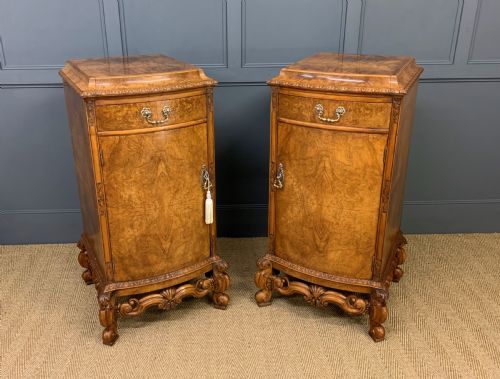
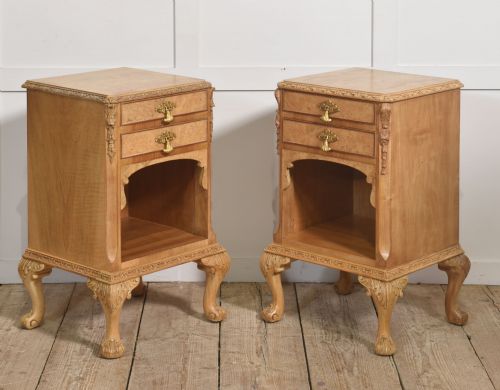
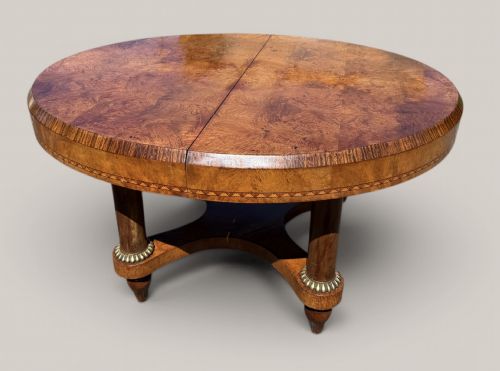
Beyond desks, the forms include centre tables, bedside cabinets and console tables derived from nineteenth-century and Art Deco workshops. Each piece employs the pedestal or pillar format to anchor its proportions firmly to the floor.
What varies in quality
Quality rests heavily on the selection and matching of the walnut veneer, where symmetrical grain patterns across large surfaces command greater attention. The depth of the natural colour and the crispness of any inlaid details further separate standard utility pieces from finer commissions.
Construction methods also dictate standard, visible in the thickness of the solid timber margins, the smoothness of drawer operation, and the integrity of the pedestal joints. Original brass fittings and untouched surface patination elevate the standing of a piece.
Listings demonstrate that golden walnut pedestal forms span the Georgian, Victorian, and Edwardian periods, frequently paired with burr walnut veneers.
Walter Carter Harrods·Harry and Lou Epstein·Holland and Sons·Gillows·James Winter and Son
The Golden Walnut Pedestal Glossary
- Pedestal
- A structural support beneath a desk, table, or cabinet, often containing drawers or cupboards. It elevates the main body while grounding the piece visually.
- Burr Walnut
- A timber harvested from the warted excrescences of walnut trees, yielding highly twisted, ornamental grain patterns. Cabinet makers prized it for decorative veneering on prominent surfaces.
- Kneehole Desk
- A compact writing desk featuring a central recess for the sitter's legs, flanked by pedestals of small drawers. This form appeared frequently in Georgian and Victorian workshops.
- Tilt-Top Table
- A table with a tabletop that hinges to a vertical position when not in use, saving floor space. The mechanism sits atop a central pedestal and tripod base.
- Inlay
- A technique where pieces of contrasting material, such as satinwood or brass, are inserted into recessed cavities in the walnut surface to form decorative patterns.
Golden Walnut Pedestal: Frequently Asked Questions
What is a golden walnut pedestal desk?
A golden walnut pedestal desk is a writing table built with two supporting banks of drawers beneath the main top surface, constructed using pale walnut timbers.
These desks date primarily from the nineteenth and early twentieth centuries, offering both a substantial working area and decorative grain patterns.
How do I date a pedestal table?
Dating relies on observing construction methods, timber choices, and decorative styles visible in the legs, top, and internal framing.
Earlier pieces from the Georgian era display different joinery and proportions compared to Victorian burr walnut examples or later Art Deco designs.
What is burr walnut?
Burr walnut is a specialised wood veneer taken from the growth growths of the walnut tree, creating intricate, swirling patterns.
Cabinet makers used these figured veneers on the primary surfaces of desks and tables to catch the light and add visual depth.
How do I care for golden walnut?
Caring for golden walnut involves keeping the wood away from direct heat sources and strong sunlight to prevent the timber from drying out.
Routine maintenance requires only gentle dusting and occasional waxing to preserve the natural lustre of the polished surface.