


Carved Walnut Pedestals
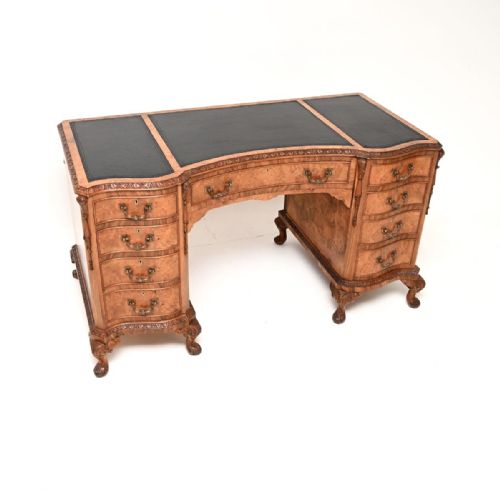
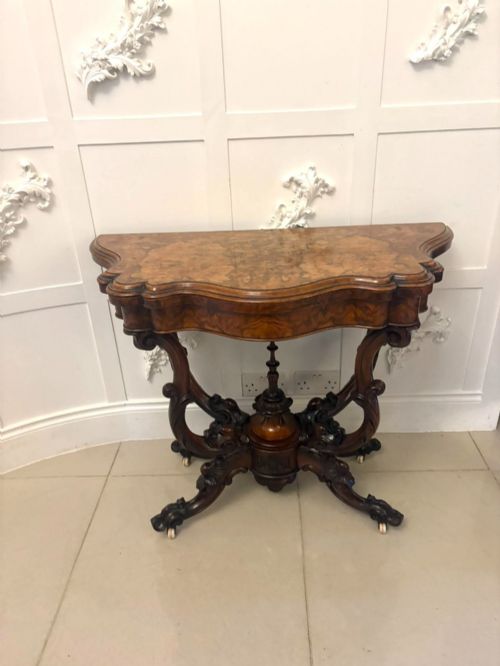
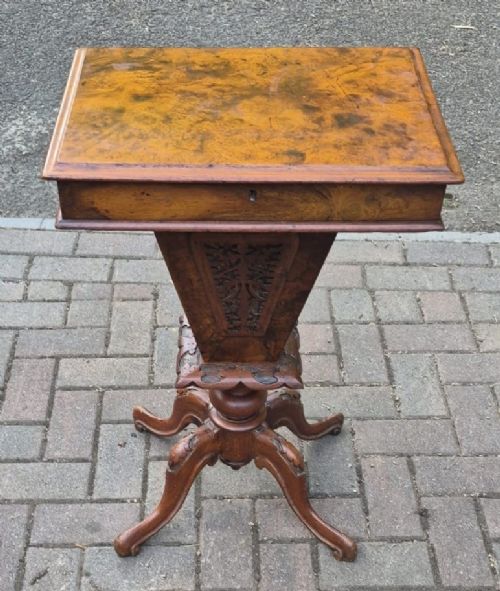
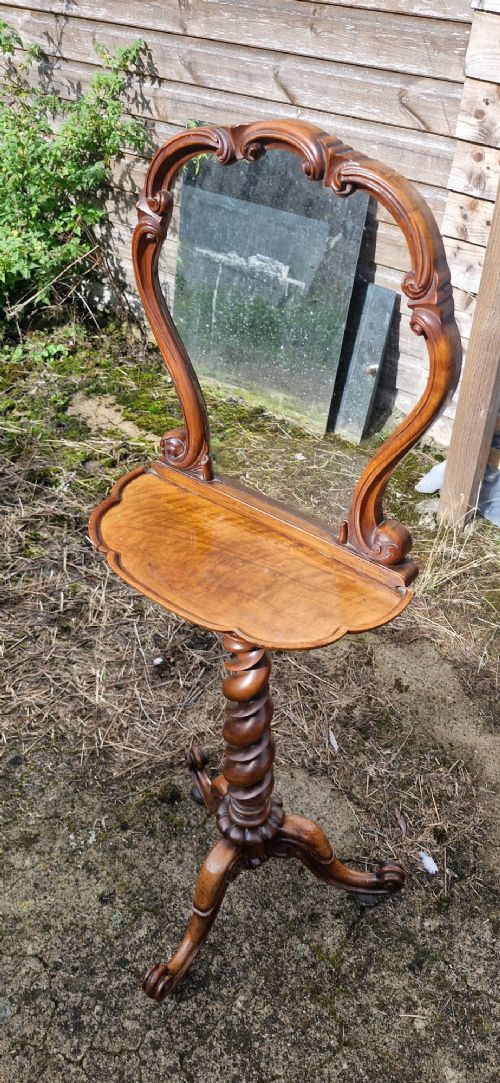
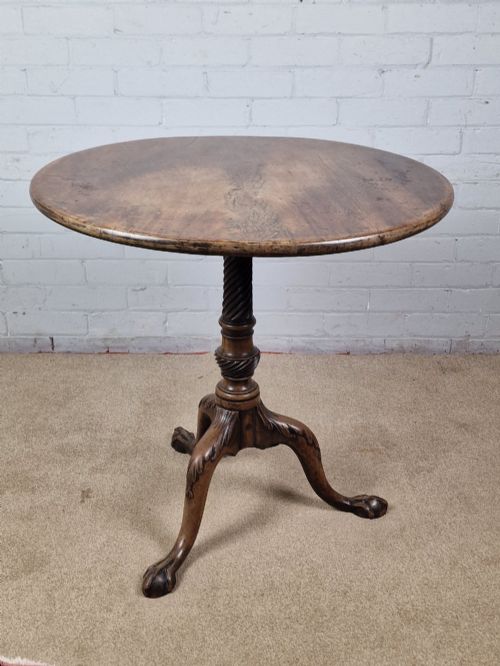
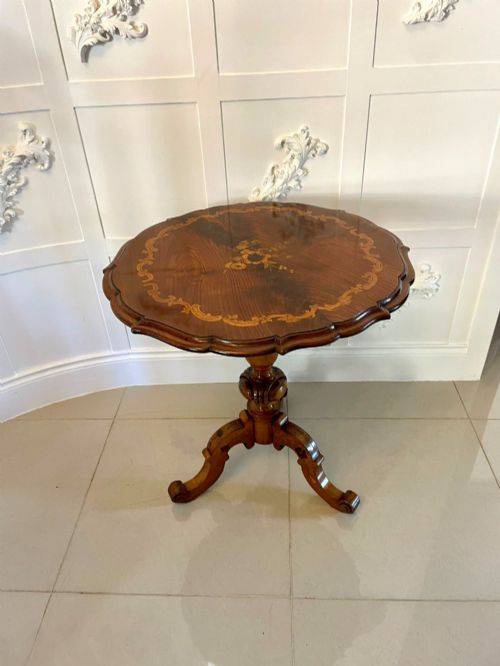
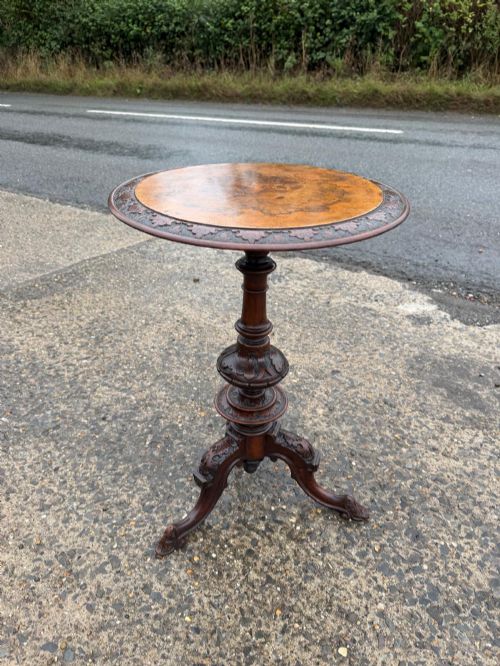
These carved walnut pedestals and related pedestal tables combine substantial timber figures with intricate carving from the Victorian and later eras.
Carved Walnut Pedestals
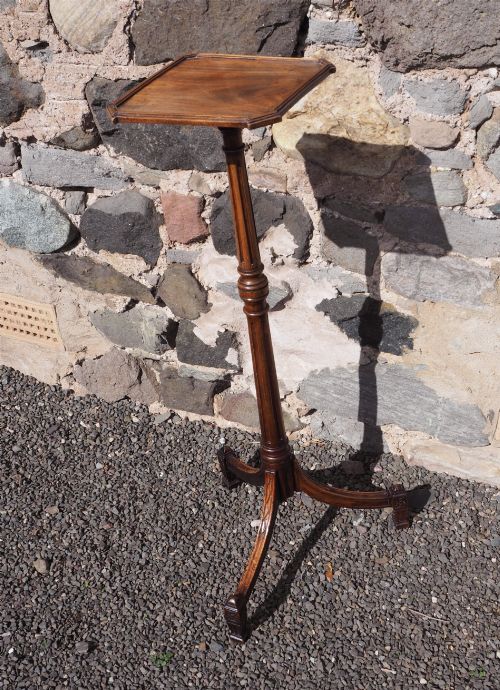
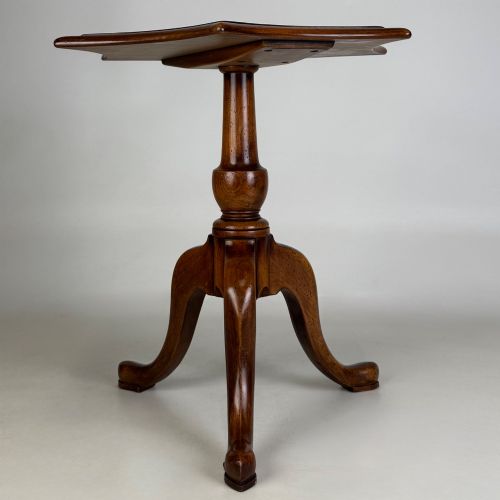
Carved walnut pedestals span utilitarian supports and decorative display stands originating from the eighteenth to the early twentieth century. Buyers seeking carved walnut pedestals typically encounter occasional tables, centre tables, and torchieres mounted on column or pedestal bases rather than freestanding classical columns alone.
How they were made
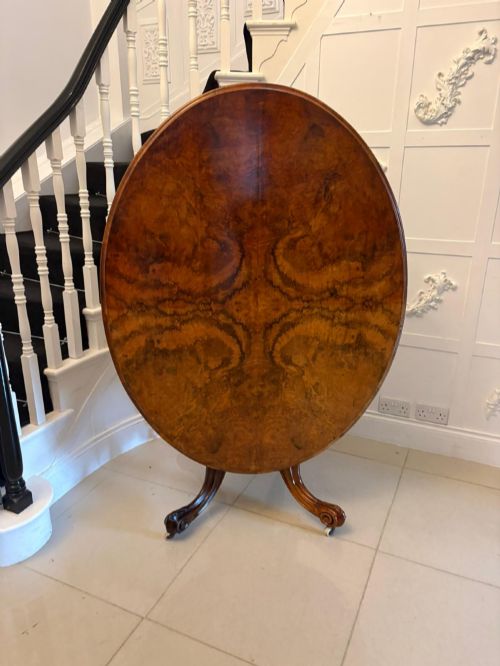
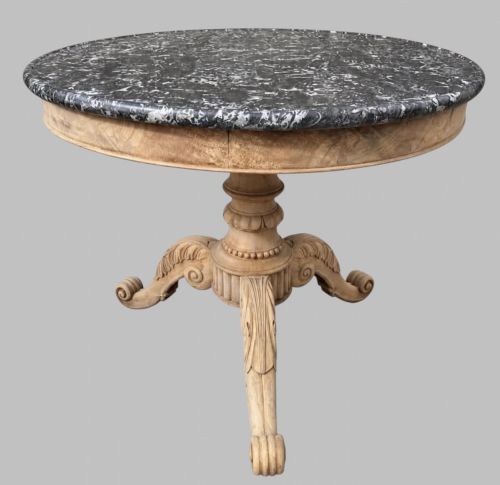
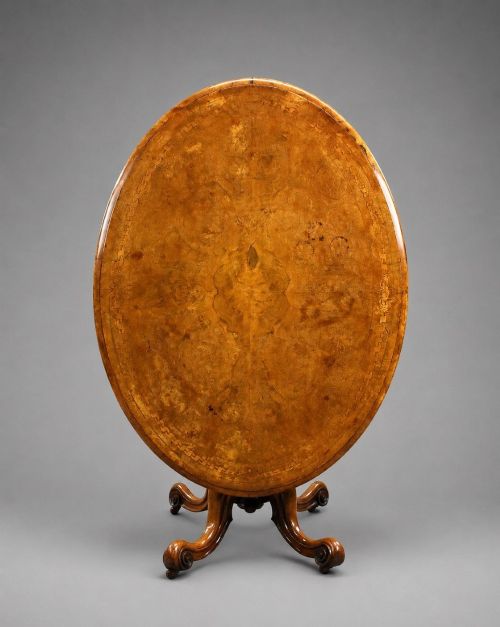
Cabinetmakers utilised solid walnut and figured burr walnut veneers applied to secondary timbers, shaping supports through turning and hand carving. Surfaces often received marquetry inlay utilising boxwood, while specific tables integrated inset leather writing surfaces and marble tops.
Structural joints relied on traditional cabinetmaking techniques suited to pedestal construction, supporting tilt-top mechanisms, quadrapod bases, and heavy central columns without losing stability.
Carved Walnut Pedestals Retail Price Guide 2026
Typical asking prices for carved walnut pedestals among the pieces listed under this phrase on Sellingantiques today, from the lower quarter to the upper quarter. They describe what is for sale here now, not the wider market.
Venetian torchiere bases occasionally employ three carved putti to shoulder the weight of the world, or at least a heavy lamp.
What varies in quality
The grade of timber selection largely dictates a piece's standing, with richly figured burr walnut veneers commanding greater visual depth than plain walnut boards. Crispness and depth in hand-carved pedestal bases, figural supports, and marquetry details distinguish superior examples from simpler production items.
Integration of secondary materials such as figured marble tops, tooled leather writing surfaces, and fine brass hardware elevates the overall execution of desks and tables.
Maple and Co
The Carved Walnut Pedestals Glossary
- Burr walnut
- A veneer sliced from the knotty growths of walnut trees, prized for its swirling, highly figured grain patterns. It appears frequently on tabletops and desk surfaces from the Victorian period.
- Torchere
- A tall stand or pedestal designed to support a lamp or candle, often featuring elaborate carving. Italian and Dutch examples frequently display sculptural figural elements.
- Marquetry
- The art of applying decorative pieces of veneer to a structure to form intricate patterns. Boxwood inlay is often incorporated into these designs on walnut surfaces.
- Tilt-top
- A tabletop hinged to its pedestal base, allowing the surface to fold vertically when not in use. This mechanism is common on nineteenth-century loo tables and breakfast tables.
- Gueridon
- A small circular table supported by a central column or figures. These French-influenced forms often incorporate marble tops and walnut frames.
Carved Walnut Pedestals: Frequently Asked Questions
How do I date a walnut pedestal?
Dating relies on examining construction methods, timber choice, and stylistic markers such as Victorian marquetry or Italian Baroque carving. Secondary woods and hardware also help narrow the period of origin.
Comparing the turning and base design against documented pieces provides further chronological context.
Where were these pieces used?
These pieces traditionally occupied principal rooms such as libraries, drawing rooms, and hallways. Torcheres held lighting, while pedestal tables functioned as centrepieces or wine stands.
Their robust construction suited domestic use across grand English and continental homes.
How do I care for burr walnut?
Burr walnut requires stable indoor humidity levels and protection from direct sunlight to prevent veneer drying or fading. Regular dusting with a soft cloth maintains the polished finish.
Avoid placing damp items directly onto exposed wood or leather surfaces.