

Vintage Bedroom Tables
Vintage bedroom tables offer functional charm and historical character, ranging from compact bedside cabinets to elaborate dressing tables that anchor a sleeping space.
Vintage Bedroom Tables
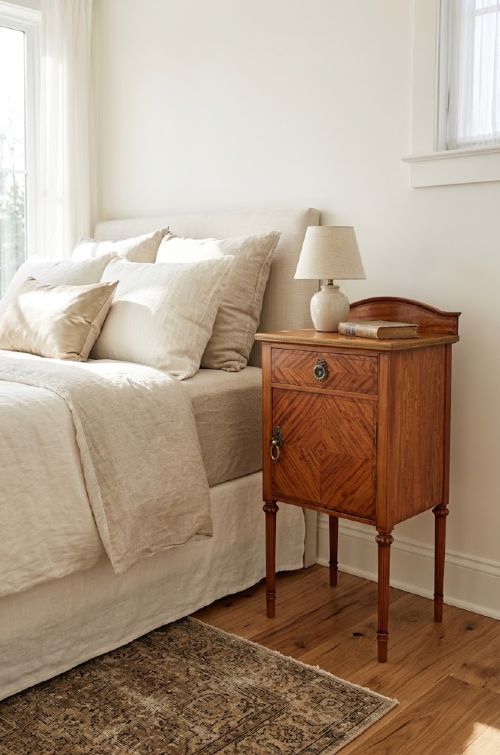
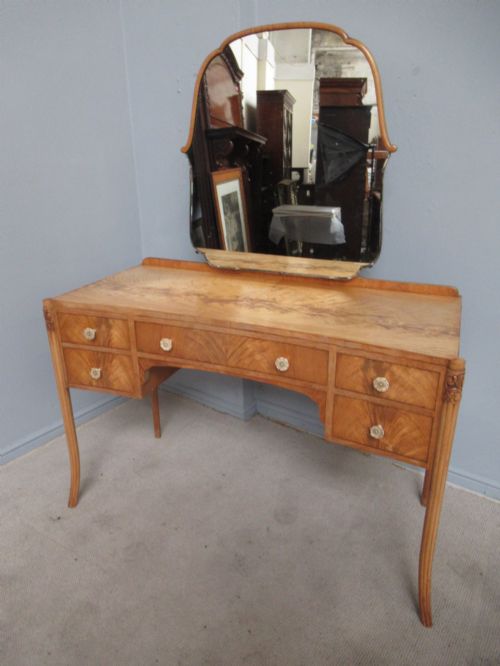
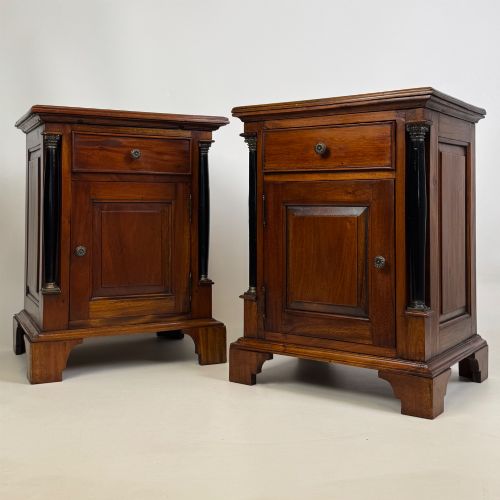
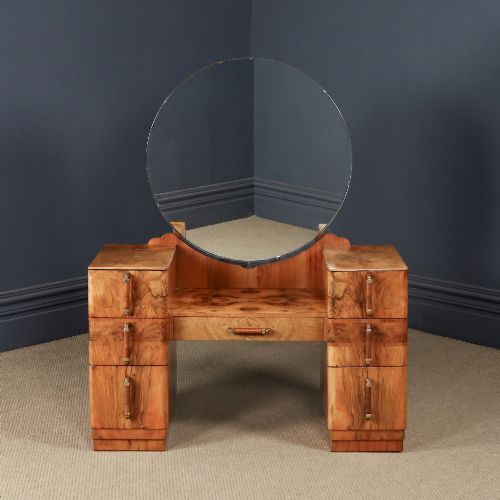
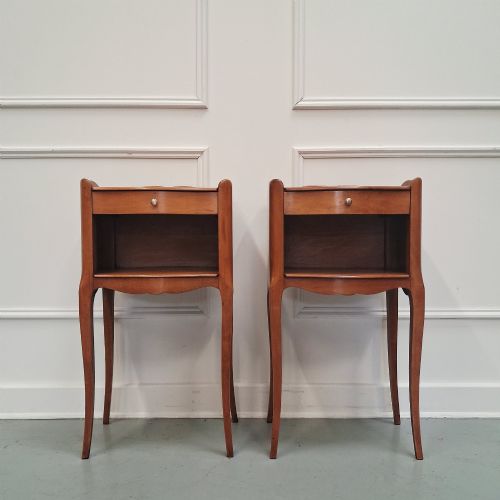
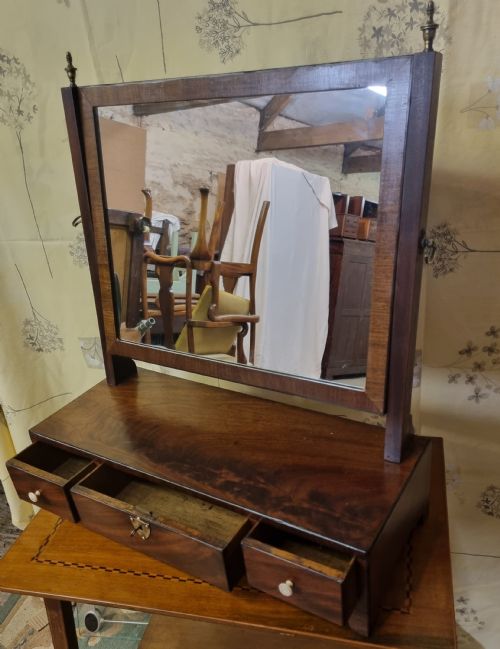
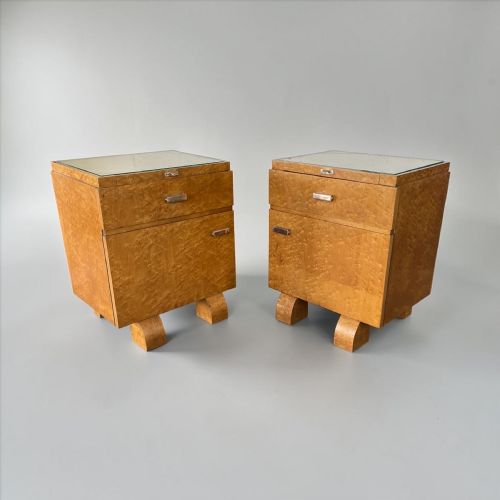
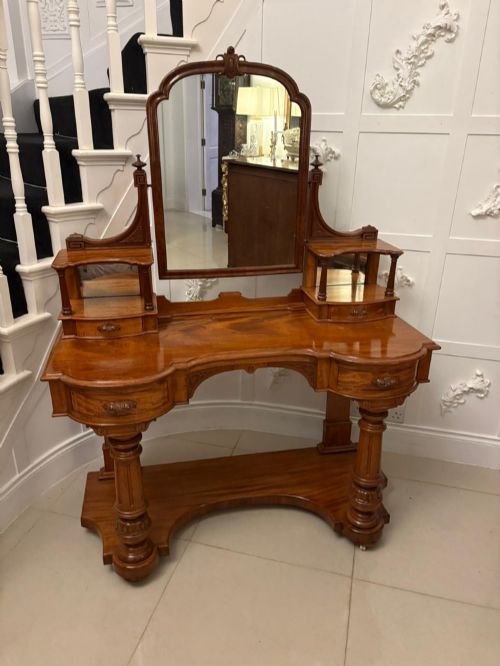
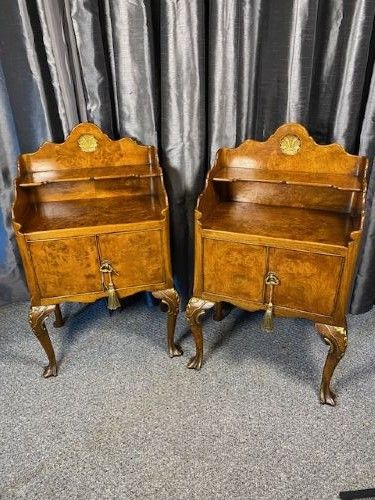
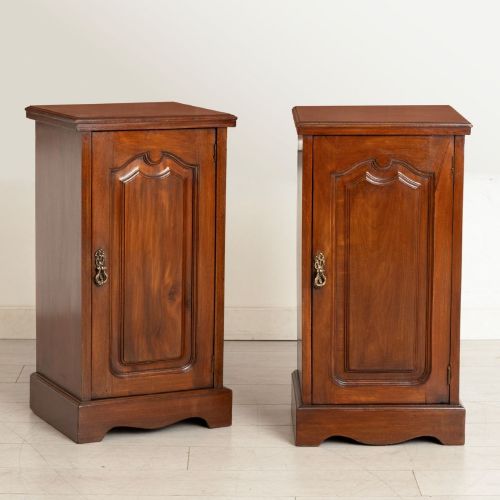
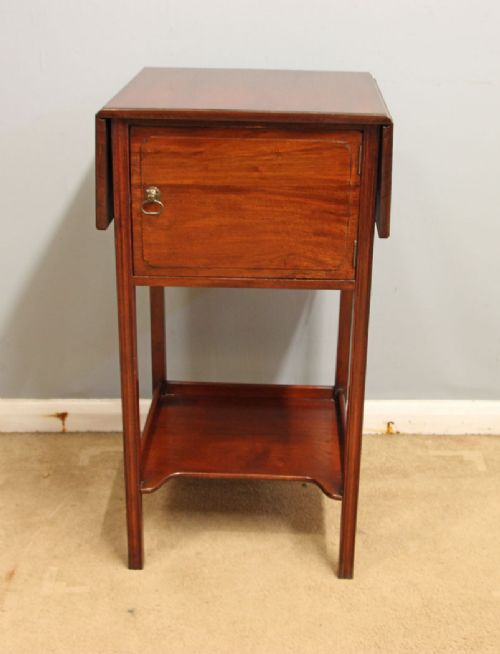
Vintage bedroom tables encompass practical furniture designed for sleeping quarters, specifically bedside tables, nightstands, and dressing tables spanning from the nineteenth century into the twentieth century. These pieces emerge in various forms, including enclosed bedside cupboards, open lamp tables, pedestal dressing tables, and tall bedside chests.
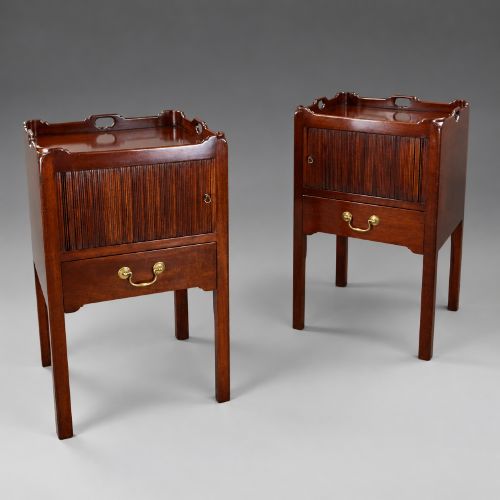
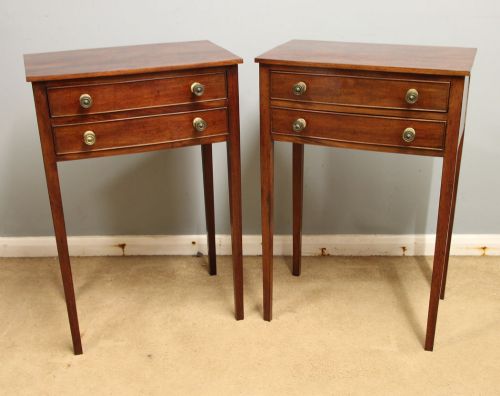
Buyers seeking vintage bedroom tables most frequently encounter mahogany and walnut constructions dating from the nineteen-thirties and the Edwardian era. Alongside single pieces, pairs of bedside cabinets appear regularly, often reflecting revival styles such as Georgian, Queen Anne, or distinct Art Deco designs.
The selection extends to related chamber furnishings like dressing table mirrors, stools, and complete bedroom furniture suites. Origins stretch across English workshops and French makers, providing a broad spectrum of domestic utility from past decades.
How they were made
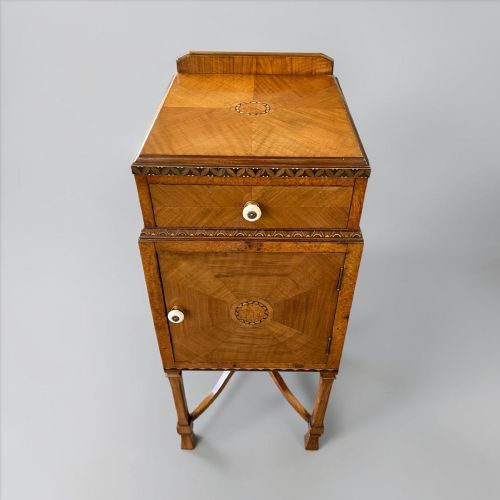
Cabinet makers utilised dense hardwoods such as mahogany and walnut, frequently selecting figured and burr veneers to create striking grain patterns on drawer fronts and cabinet doors. Satinwood and maple also appear alongside these primary timbers, sometimes combined with contrasting inlay work or brass fittings.
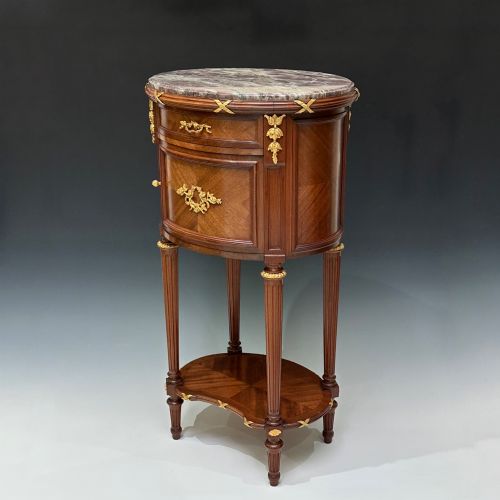
Surface treatments and structural details define the construction methods of the period, including carved cabriole legs on Victorian examples and geometric veneering on Art Deco pieces. Marble inserts, glass tops, and integrated mirrors complete the fabrication of dressing tables and French bedside chests.
Vintage Bedroom Tables Retail Price Guide 2026
Typical asking prices for vintage bedroom tables among the pieces listed under this phrase on Sellingantiques today, from the lower quarter to the upper quarter. They describe what is for sale here now, not the wider market.
Listings feature mahogany, walnut, and satinwood across periods spanning from Georgian craftsmanship through to nineteen-thirties Art Deco designs.
What varies in quality
The distinction between standard and superior pieces rests on the selection of timber, particularly the richness of burr walnut figures and the grain consistency in solid mahogany. Finer examples display meticulous matching of veneers across multiple drawers and cabinet doors.
Construction refinement marks the upper tier, seen in integrated dovetail joints, substantial brass hardware, and the crisp execution of carved elements like cabriole legs or inlay. Maker attribution, such as work associated with established houses, further separates exceptional pieces from standard utility furniture.
François Linke·Maples of London and Paris·Harrods·Walter Carter Harrods
The Vintage Bedroom Tables Glossary
- Bedside cabinet
- A small enclosed cupboard placed beside a bed to hold personal items. These pieces often feature a single door and a drawer above.
- Burr walnut
- A prized timber harvested from walnut tree growths that produces swirling, highly decorative grain patterns. Cabinet makers select these veneers for prominent surfaces on high-end furniture.
- Cabriole leg
- A furniture leg that curves outward in a convex arc and then bends inward in a concave arc, terminating in a foot. This form appears frequently on Victorian and revival pieces.
- Dressing table
- A low table equipped with drawers and a mirror, utilised for grooming and personal care. Surviving examples range from Georgian mirrors to Art Deco pedestal vanities.
- Satinwood
- A durable, light-coloured tropical timber yielding a satin-like sheen, used extensively during the Edwardian period for fine cabinet work and inlay details.
Vintage Bedroom Tables: Frequently Asked Questions
How do I match bedside tables?
Matching vintage bedside tables relies on pairing pieces that share consistent timber tones, such as mahogany or walnut, and similar period characteristics like Edwardian inlay or Art Deco geometry. Height and depth proportions matter just as much as the primary material when placing them alongside a bed frame.
Pairs often emerge from the same workshop, but symmetrical placement of complementary single cabinets can create a balanced scheme if the scale and wood finish align harmoniously.
What is a bedside table de nuit?
A bedside table de nuit is a French term for a night table or cabinet designed specifically for nighttime storage beside a bed. These European pieces often incorporate enclosed cupboards and small drawers to conceal personal belongings.
Many examples feature marble tops or delicate wood veneers, reflecting continental tastes from the nineteenth century and the nineteen-thirties.
How do I date a mahogany table?
Dating mahogany bedroom furniture involves examining construction techniques, hardware styles, and the specific tone of the timber. Pieces from the Georgian era display hand-cut joinery and simpler lines, whereas Victorian examples often incorporate heavier carved details or cabriole legs.
Twentieth-century iterations, including Edwardian and Art Deco pieces, introduce distinct veneer patterns and machine-assisted construction methods that help narrow the manufacturing window.
Can I use a dressing table as a desk?
Many vintage dressing tables function effectively as desks due to their generous surface area and integrated drawer space for stationery. Pedestal designs and kneehole vanity tables offer sufficient legroom for comfortable daily seating.
Consider the height of the drawers and the presence of attached mirrors, as some dressing table mirrors detach easily while others remain fixed to the main structure.