


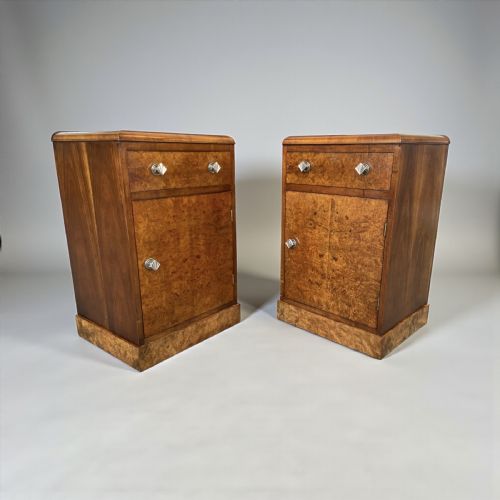
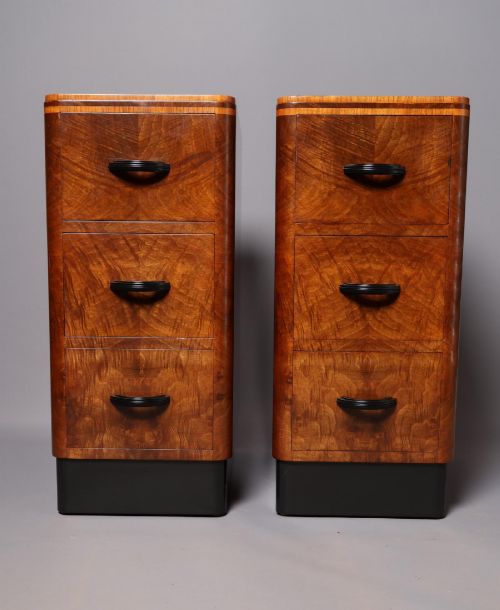


Pair 1930s Art Deco Cabinets
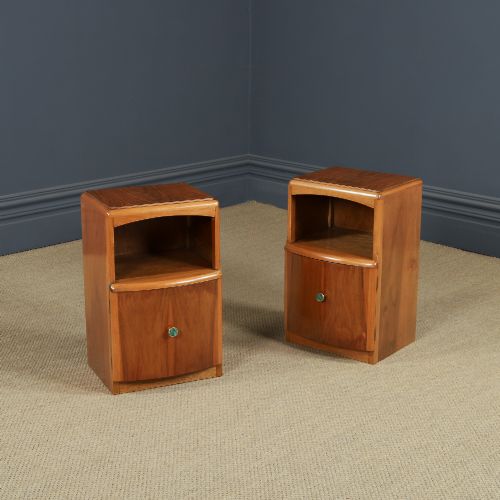
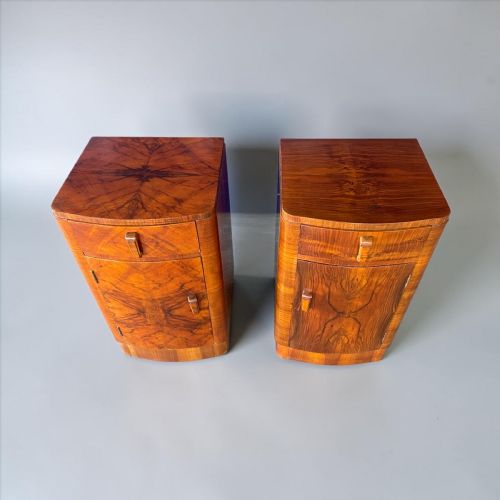
These pair 1930s art deco cabinets bring symmetry and striking geometric forms to an interior.
Pair 1930s Art Deco Cabinets
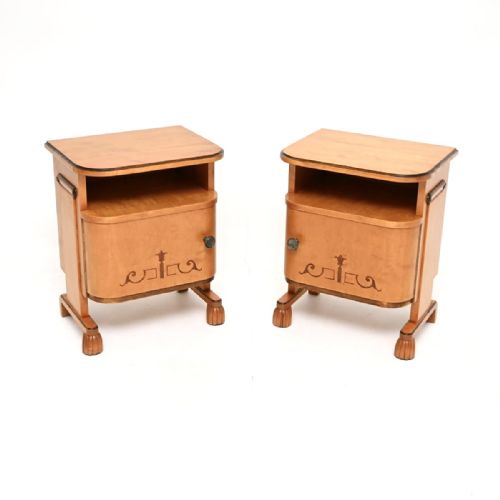
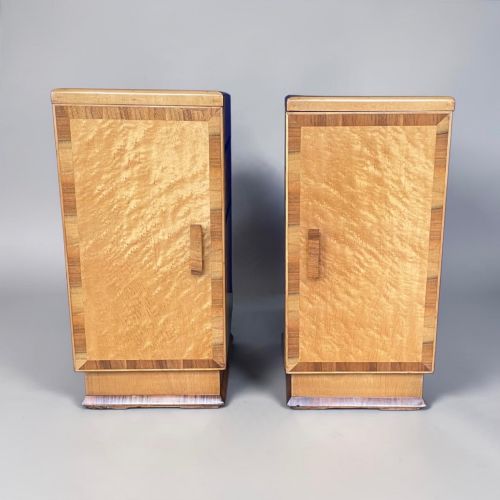
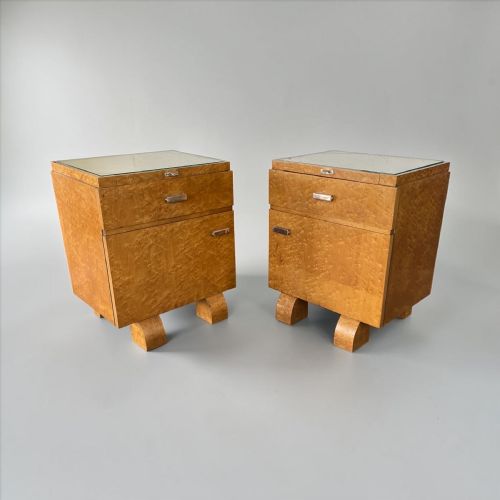
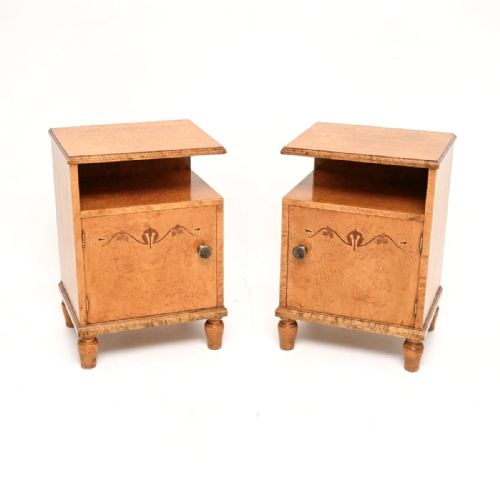
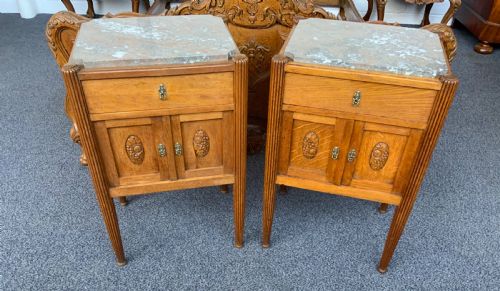
When you examine pair 1930s art deco cabinets on this page, you mostly encounter matching bedside tables, nightstands and small bedside chests designed for symmetrical placement in a bedroom. These twin pieces emerge predominantly from the interwar period, spanning the nineteen-twenties, nineteen-thirties and occasionally the nineteen-forties.
Alongside compact bedroom furniture, the selection encompasses larger matched forms such as glazed bookcase cabinets, display cabinets, side cabinets and occasional side tables. English, French, Italian and Scandinavian workshops contributed to this variety, often pairing matching left-hand and right-hand opening configurations.
How they were made
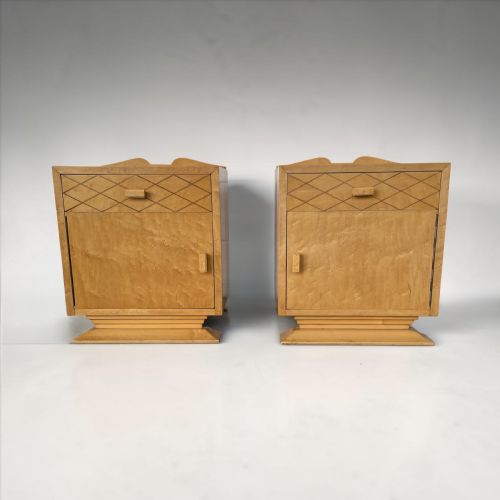
Cabinetmakers utilised sturdy foundational timbers such as oak, mahogany and solid wood, upon which they laid decorative wood veneers including walnut, burr walnut, burr elm, blonde birdseye maple and satinwood. These figured veneers were carefully arranged to display symmetrical grain patterns across door fronts and drawer faces.
Metal elements like brass handles, hinges and trim frequently accent the wooden structures, while glass doors appear on bookcase and display variants. Construction methods combine traditional cabinetry joinery with the streamlined geometric shapes characteristic of the period.
Pair 1930s Art Deco Cabinets Retail Price Guide 2026
Typical asking prices for pair 1930s art deco cabinets among the pieces listed under this phrase on Sellingantiques today, from the lower quarter to the upper quarter. They describe what is for sale here now, not the wider market.
The inventory records regional British, French, Italian and Scandinavian interpretations of the interwar aesthetic.
What varies in quality
The degree of refinement in timber selection and veneer matching defines the upper tier of these cabinets. Examples utilising highly figured burr walnut, exotic maple or matched satinwood demonstrate superior decorative ambition compared to plain oak or standard mahogany constructions.
Execution of the characteristic geometric lines and the integration of original brass hardware elevate the distinction of specific pieces. Cohesion between the matched pair dictates overall desirability, as genuine matching sets display consistent grain continuation and uniform proportions.
Maurice Adams·Hille
The Pair 1930s Art Deco Cabinets Glossary
- Art Deco
- A design style emerging in the interwar period characterised by sleek geometric shapes, streamlined forms and modern industrial motifs. It dominated decorative arts throughout the nineteen-twenties and nineteen-thirties.
- Veneer
- A thin slice of decorative wood adhered to a sturdier secondary timber base. Cabinetmakers applied figured veneers like burr walnut or maple to create symmetrical patterns on furniture surfaces.
- Burr Walnut
- A specialised wood grain harvested from walnut tree growths, producing swirling, complex patterns. It gained high favour among cabinetmakers for creating decorative focal points on drawer and cupboard fronts.
- Nightstand
- A small low bedside table or cabinet positioned next to a bed for holding lamps and personal items. In matched pairs, these pieces mirror each other in design and orientation.
- Birdseye Maple
- A figured timber showing tiny swirling dots resembling bird eyes across the grain. This pale wood featured prominently in blonde furniture variations from the period.
Pair 1930s Art Deco Cabinets: Frequently Asked Questions
What rooms suit these cabinets?
Bedside tables and nightstands naturally find their place flanking a bed, providing balanced surface space and enclosed storage for nighttime essentials. Their compact dimensions also allow them to function effectively as lamp stands in living spaces.
Larger variants such as display cabinets and bookcases suit reception rooms or studies. Their matched nature creates visual symmetry when placed along a wall or in an alcove.
How do I identify the period?
Pieces from this era typically exhibit characteristic geometric symmetry, stepped profiles and streamlined silhouettes associated with interwar design. The presence of specific veneers like burr walnut and blonde maple points directly to this timeframe.
Construction details, original brass hardware and prevailing wood choices reinforce the nineteen-twenties and nineteen-thirties attribution. Maker marks or labels, when present, provide definitive chronological confirmation.
Are pairs always identical?
Matching pairs usually mirror each other in overall dimensions, timber selection and decorative veneer placement. Cabinetmakers often constructed left-hand and right-hand opening doors to maintain symmetry across a bed or room.
Minor variations in wood grain naturally occur due to the organic nature of timber veneers. However, the foundational design, proportions and hardware remain consistent across both pieces.
How do I care for the veneer?
Polished wood surfaces benefit from regular dusting with a soft, dry cloth to prevent particulate accumulation. Avoiding direct sunlight and sustained moisture protects the delicate veneers from fading or lifting.
Occasional application of appropriate wax polish maintains the lustre of the timber. Gentle handling of brass handles and glass doors preserves the original components.