


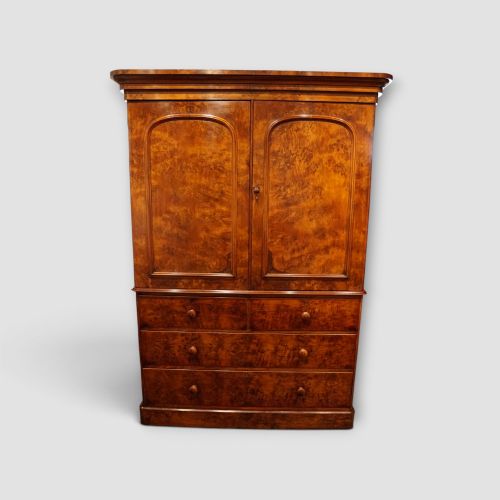
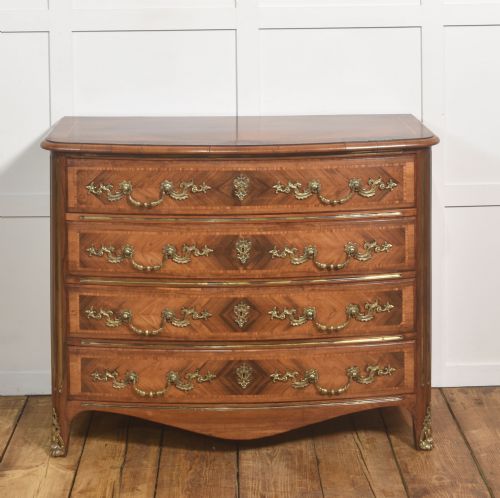
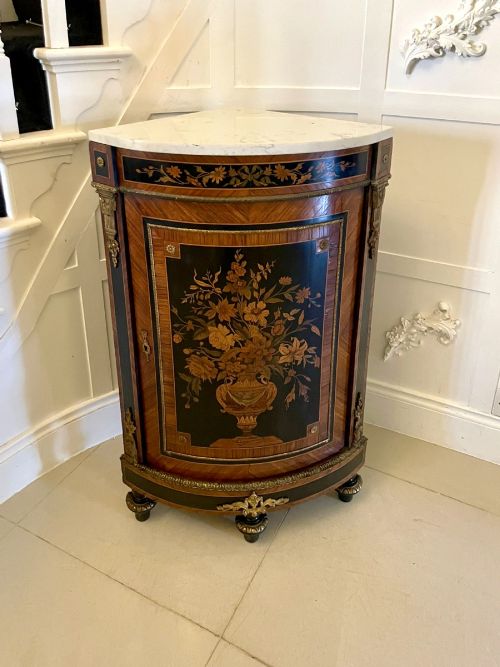
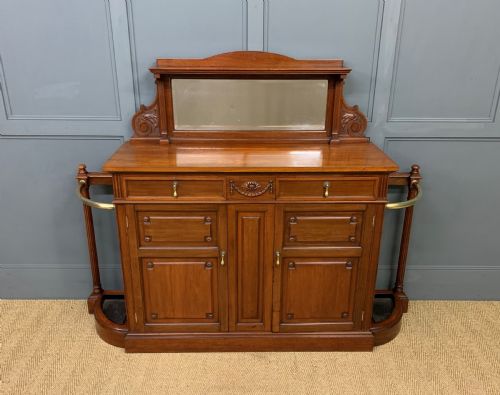
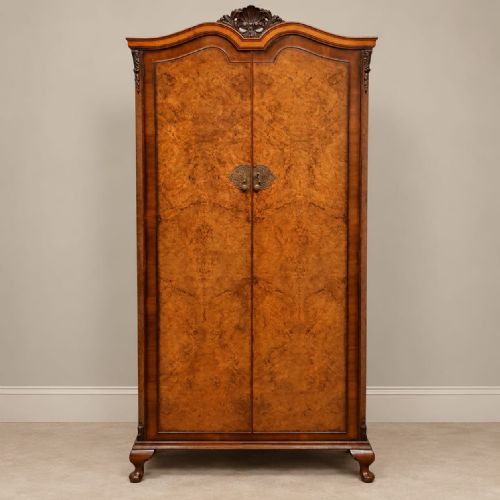
Antique Walnut Storage Cabinet
An antique walnut storage cabinet brings rich timber and practical depth to a room, offering functional space wrapped in figured grain and warm historical character.
What they are
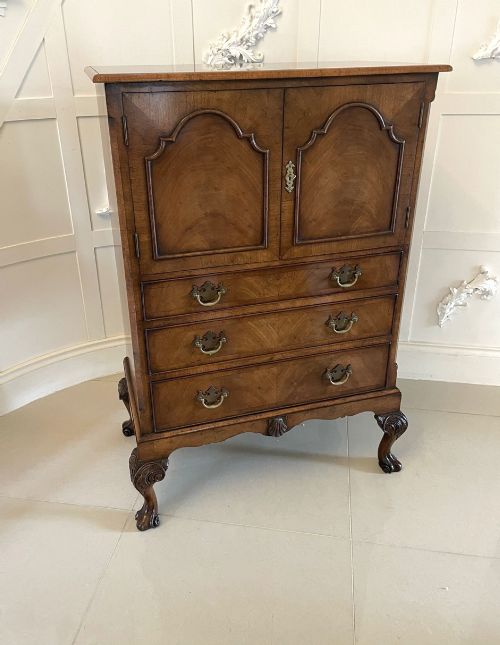
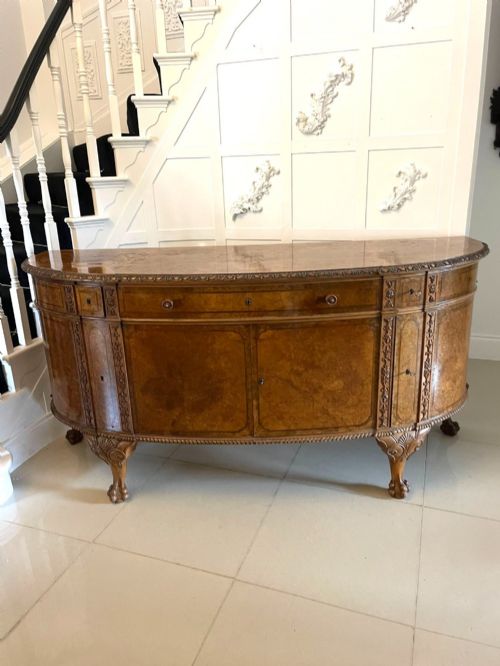
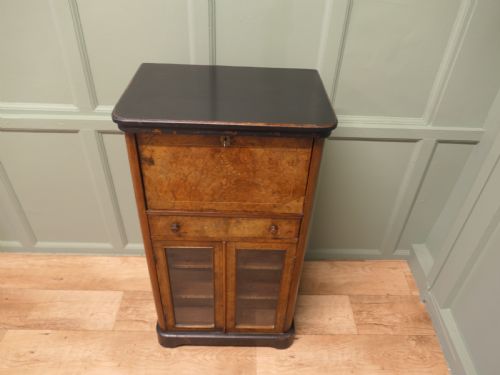
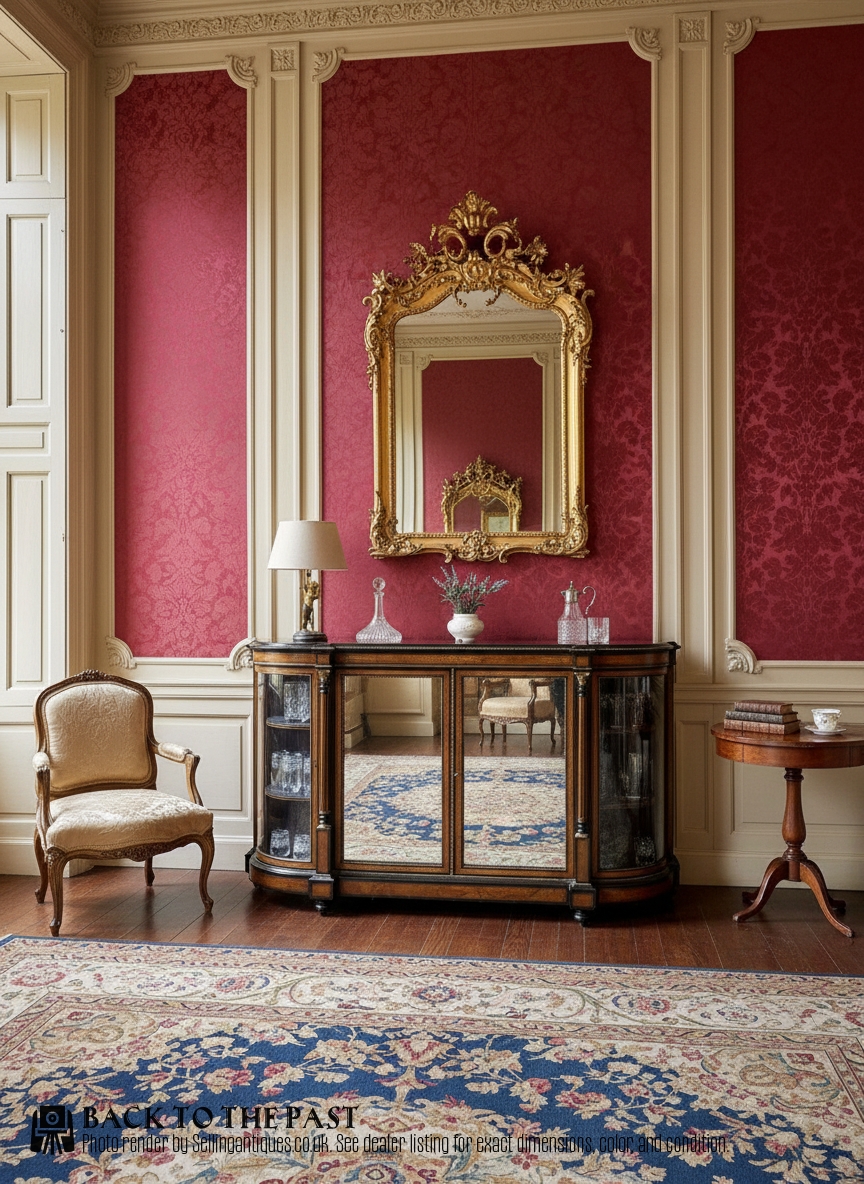
When you search for an antique walnut storage cabinet, you find pieces ranging from compact bedside units to expansive credenzas and wall shelves. The selection on this page spans Victorian items alongside earlier 18th Century examples.
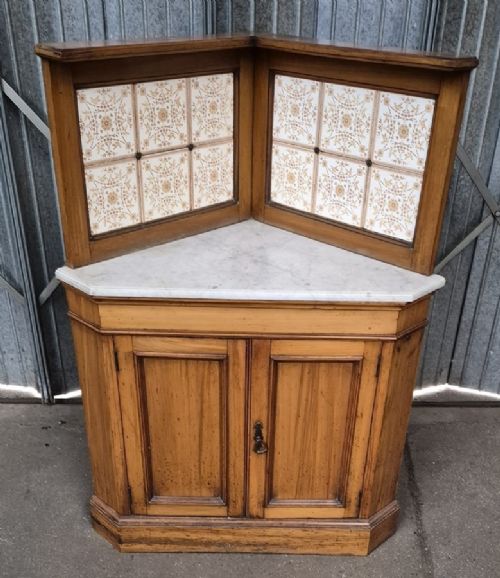
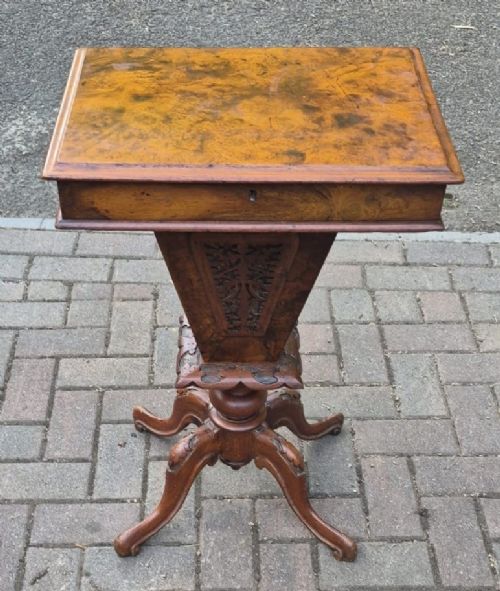
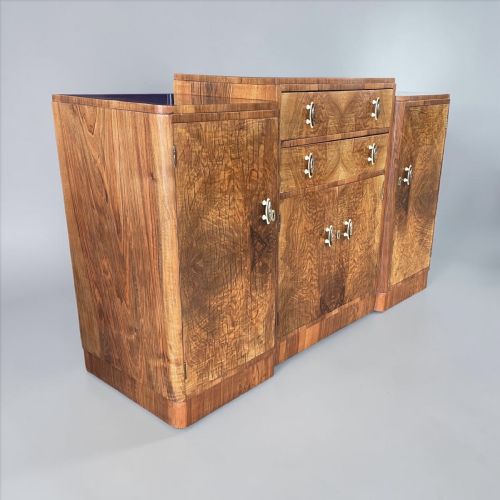
The forms vary considerably across the periods represented. You encounter sideboards, bedside cabinets, and side cabinets, alongside Italian walnut shelves and George I examples.
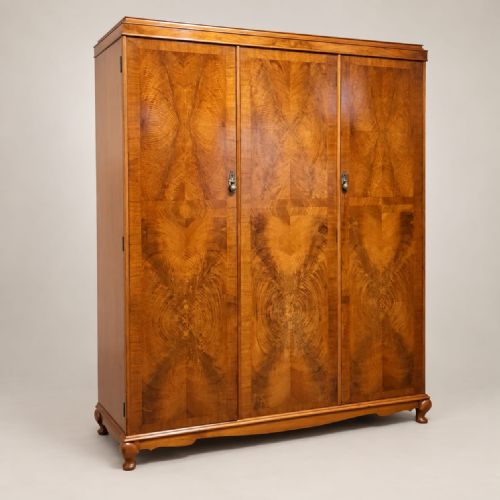
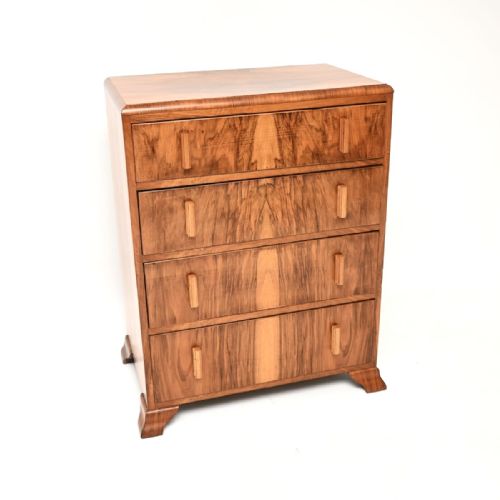
The primary material uniting these forms is walnut, often enriched with burr walnut figuring, amboyna, or brass and gilt metal highlights. These pieces serve as functional storage while displaying the varied aesthetics of the Victorian and 18th Century eras.
How they were made
Cabinet makers utilised walnut timber, frequently selecting burr walnut for its complex, swirling grain patterns. Secondary structural elements incorporate timbers such as oak.
Construction techniques include intricate inlay work, often combining amboyna and other decorative veneers. Metalwork components such as brass handles and gilt metal mounts are integrated to accent the wooden facades.
Surface treatments and glazing are utilised where glass doors or mirrored elements appear in wall cabinets and sideboards. These varied construction methods reflect the cabinet maker's mastery across different periods.
Retail Price Guide 2026
Typical UK retail prices for walnut storage cabinet, calculated from the Sellingantiques database of over a million retail prices indexed since 2003. This retail price guide relies exclusively on Sellingantiques data; no external sources or auction records are used, so the figures do not describe the wider market.
Burr walnut grain patterns are so unpredictable that cabinet makers spent hours matching opposing sides like a leafy green jigsaw puzzle.
What varies in quality
Quality rests in the selection of the timber and the sophistication of the figuring. The finest pieces display exceptionally rich burr walnut veneer laid with precision across the primary surfaces.
The refinement of the secondary materials also dictates the standing of a piece. The integration of amboyna inlay, brass handles, and gilt metal mounts demonstrates a higher tier of craftsmanship than plain timber constructions.
The Antique Walnut Storage Cabinet Glossary
- Burr Walnut
- A specialised veneer taken from the growth growths of the walnut tree, prized for its swirling, organic patterns. It transforms a simple storage front into a decorative focal point.
- Credenza
- A low cabinet or sideboard used for storage and display. Victorian examples often combine extensive inlay with glass doors.
- Amboyna
- An exotic timber utilised for contrasting inlay work on fine cabinets. Its warm, dotted grain complements darker walnut surfaces.
- George I
- A design period from the early 18th century known for proportion and the restrained use of walnut. Pieces from this era exhibit architectural clarity.
- Gilt Metal
- Cast or applied metal finished with a gold-coloured surface. It highlights structural mounts and key escutcheons.
Frequently Asked Questions
What is an antique walnut storage cabinet used for?
These pieces serve as functional furniture for holding household items while adding decorative presence to a room.
Depending on the specific form, such as a bedside unit, side cabinet, or credenza, they organise books, tableware, or personal belongings.
How do I identify a Victorian walnut cabinet?
Victorian pieces frequently feature rich burr walnut veneers combined with intricate inlay work. They often include elements like glass panels or amboyna highlights.
The overall scale and heavier proportions distinguish them from lighter 18th Century furniture.
What is the difference between burr walnut and plain walnut?
Plain walnut exhibits a straight or gently curving grain pattern across the surface of the cabinet. Burr walnut comes from the gnarled burl of the tree, creating chaotic, highly decorative swirls.
Makers reserved burr veneer for the most prominent display areas of fine furniture.
How should I care for antique walnut furniture?
Keep walnut cabinets away from direct sunlight and steady heat sources to prevent the wood and delicate veneers from drying out. Dust them gently with a dry, soft cloth.
Avoid modern chemical polishes that can damage the historical finish.