

Victorian Wooden Cabinet
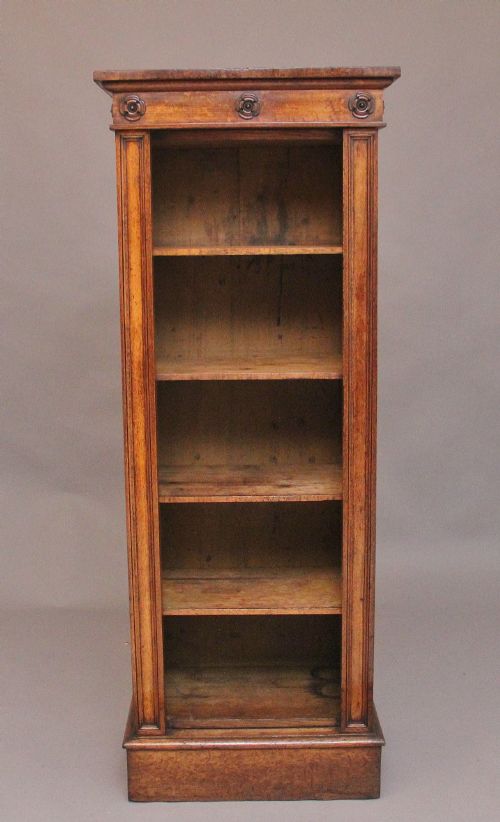
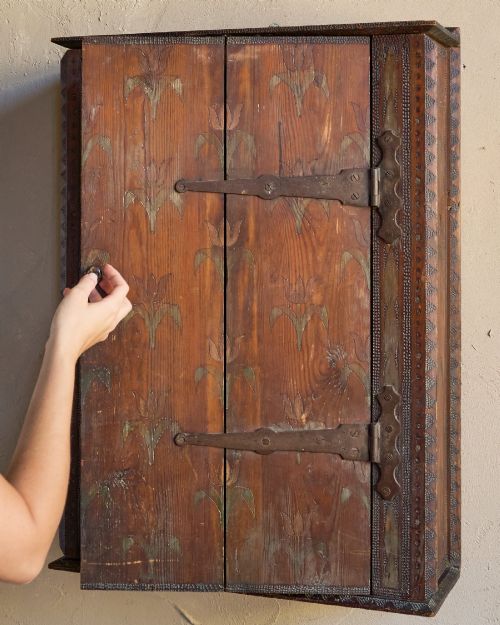
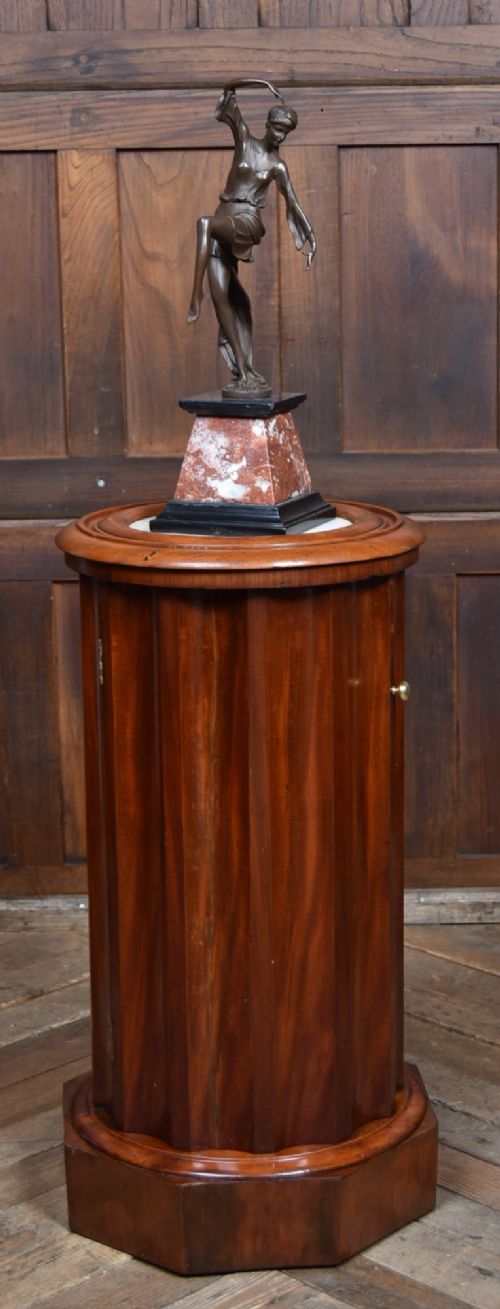
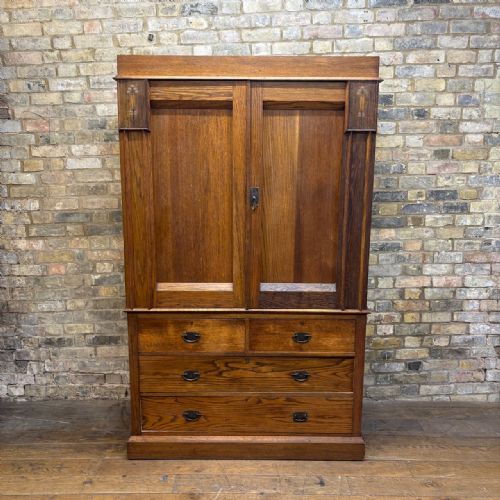
A victorian wooden cabinet brings nineteenth-century craftsmanship into a room, offering practical storage disguised in rich mahogany, walnut, or oak.
Victorian Wooden Cabinet
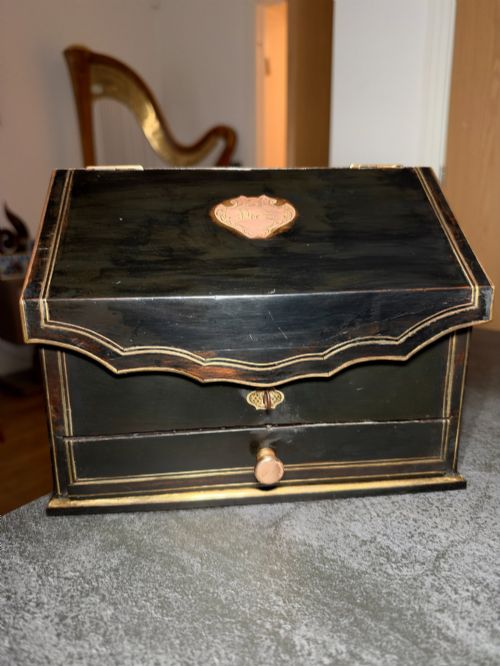
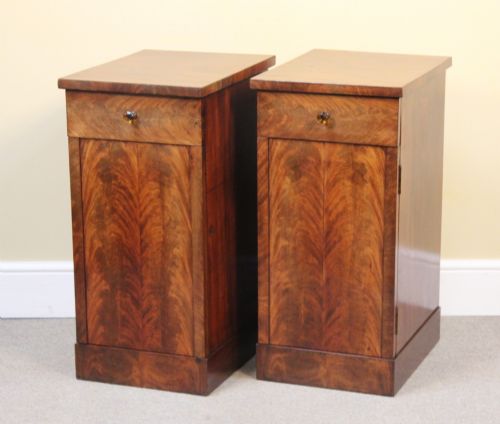
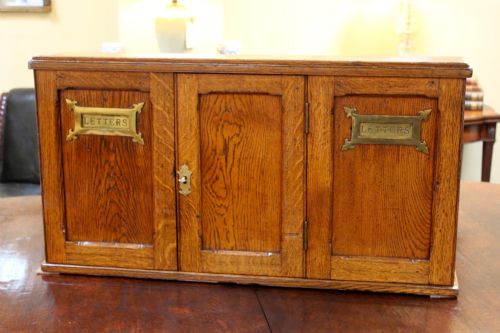
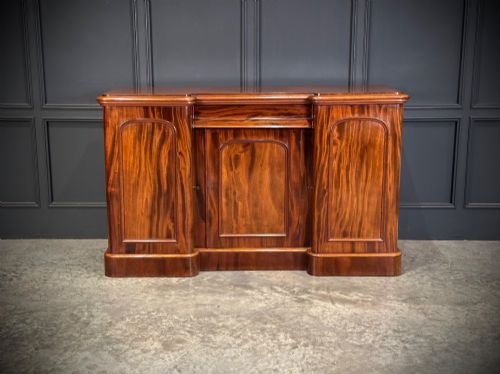
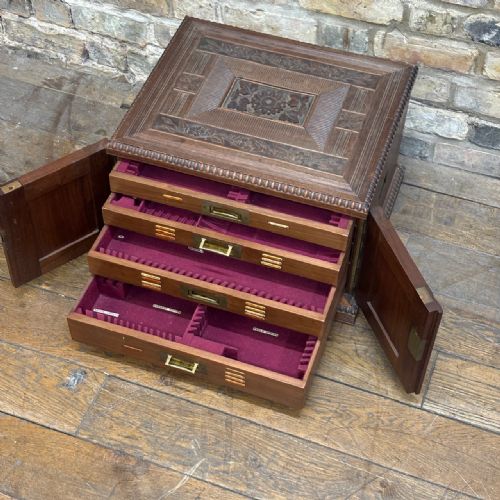
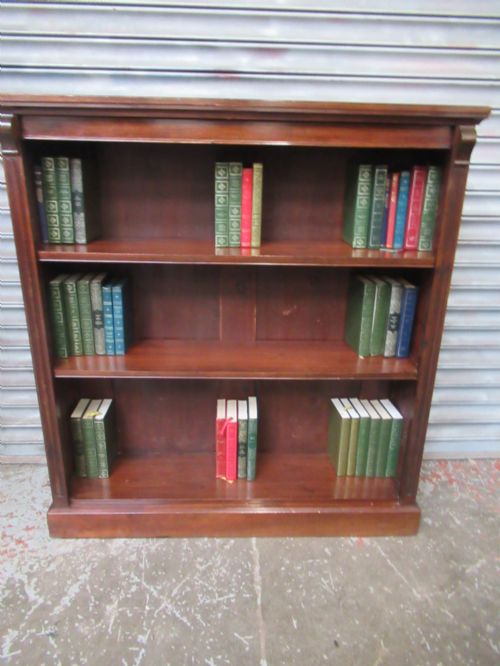
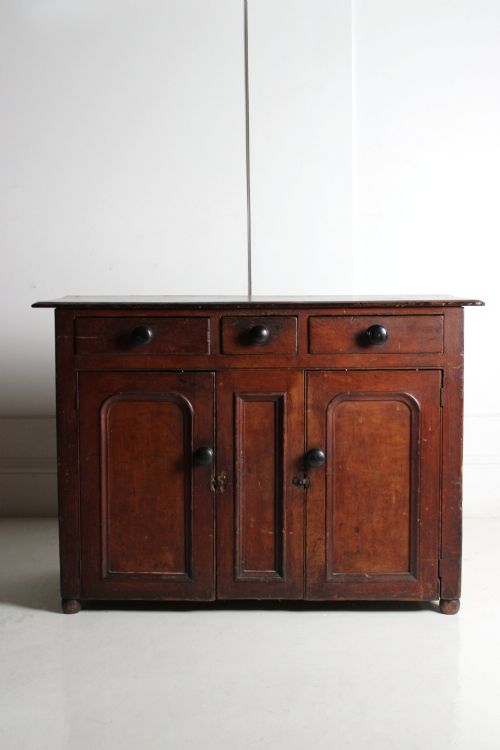
A victorian wooden cabinet encompasses a broad variety of domestic storage forms, ranging from tall bookcases and sideboards to smaller bedside chests and music cabinets. Pieces span the nineteenth century and extend into the Edwardian era, showing both standard domestic utility and specialist purposes like stationery organisation or games compendiums.
The materials used reflect the tastes of the period, drawing on timbers such as mahogany, burr walnut, oak, satinwood, and pine. Styles vary from straightforward Victorian country and industrial designs to more elaborate Chinoiserie, Anglo-Indian colonial, and Arts and Crafts expressions.
Buyers encounter everything from compact apprentice chests and work tables to large breakfront bookcases and housekeeper's cupboards. This selection provides functional storage solutions shaped by distinct regional and stylistic influences across Britain and beyond.
Materials and construction methods
Cabinet makers relied heavily on solid hardwoods and decorative veneers, applying figured mahogany, burr walnut, and pollard oak over sturdy pine or oak carcases. Surfaces frequently incorporated brass hardware, marble tops, glass panels, and delicate marquetry inlays.
Construction techniques balanced structural integrity with aesthetic flourish, utilising tambour fronts, serpentine shapes, and hand-carved details. Ormolu mounts and painted finishes further decorated pieces intended for formal reception rooms.
Victorian Wooden Cabinet Retail Price Guide 2026
Typical asking prices for victorian wooden cabinet among the pieces listed under this phrase on Sellingantiques today, from the lower quarter to the upper quarter. They describe what is for sale here now, not the wider market.
Fifteen doors stand ready on a single pine locker cabinet, offering an unusual surplus of small nineteenth-century compartments.
Distinctions in craftsmanship
The standard of a piece rests on the selection of timber and the precision of its joinery. Cabinets featuring highly figured veneers, intricate carvings, and original brass fittings demonstrate superior workshop standards compared to simpler utility items.
Design ambition also separates examples, with pieces carrying specific stylistic movements or documented maker attribution holding distinct visual and historical weight. The integrity of the polish and the retention of original glass or hardware complete the distinction.
GM Elwood for JS Henry·maples & co·JOHNSTONE AND JEANES·Edwards and Roberts
The Victorian Wooden Cabinet Glossary
- Wellington chest
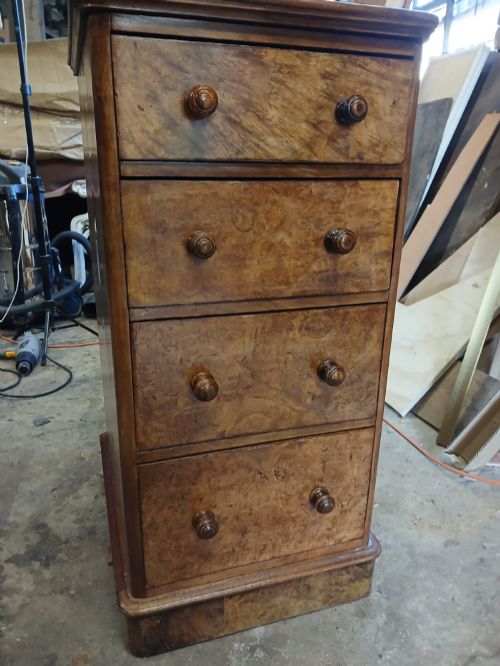
- A tall, slender set of drawers secured by a hinged locking side flap fastened with a key. This form originated in the nineteenth century and maximises vertical storage space.
- Chiffonier
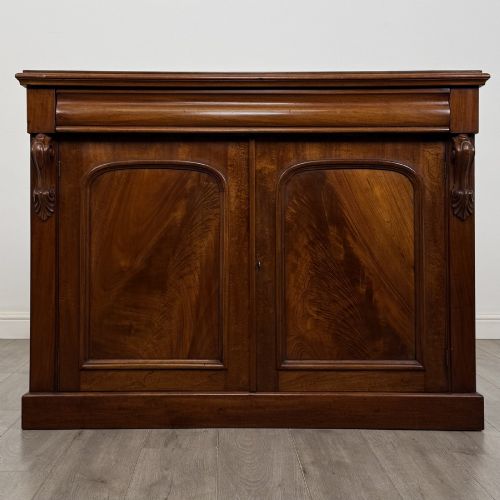
- A low sideboard or cabinet equipped with enclosed cupboards beneath a drawer or tiered shelf. It gained popularity during the Victorian period for dining and drawing rooms.
- Compendium
- A multi-purpose cabinet or box designed to house various items such as games, stationery, or writing materials. These pieces often contain internal compartments and folding surfaces.
- Ormolu
- Gilded bronze ornamentation applied to furniture for decorative effect. It appears frequently on high-status Victorian side cabinets and bookcases.
- Tambour
- A flexible shutter formed of narrow strips of wood glued to canvas, allowing doors to slide smoothly around curved cabinet corners. It is commonly found on filing cabinets and desks.
Victorian Wooden Cabinet: Frequently Asked Questions
How do I identify a Victorian cabinet?
Identification relies on observing characteristic timbers such as mahogany and burr walnut, alongside construction methods like hand-cut dovetails and traditional timber framing. Stylistic cues such as carved mirror backs or ormolu mounts typically point toward nineteenth-century origin.
Examining the interior secondary woods, such as pine or oak drawer linings, helps confirm the period when combined with overall design proportions.
Where were these cabinets used?
These pieces served functional roles across different areas of the nineteenth-century home, from libraries and drawing rooms to bedrooms and kitchens. Larger cupboards and sideboards managed household provisions and dining linen, while smaller chests and music cabinets organised personal items.
Specialised forms like stationery cabinets and tantalus bars were kept in studies or entertaining spaces for ready access by the household.
How do I care for antique wood?
Maintenance involves keeping wooden surfaces away from direct heat sources and strong sunlight to prevent the timber and veneers from drying out or splitting. Regular dusting with a soft, dry cloth preserves the finish without requiring heavy polishes.
Applying a traditional beeswax periodically helps nourish the wood and maintain a gentle sheen on antique surfaces.
What is the difference between a chiffonier and a sideboard?
A chiffonier is generally smaller and more compact than a sideboard, often featuring a tiered shelf or back structure above a low cupboard base. It was designed for smaller parlours and sitting rooms during the Victorian period.
Sideboards are larger dining room pieces built to store heavy tableware, featuring extensive drawers and deeper cupboards below a broad serving surface.