


Warm Brown Timber Cupboard
A warm brown timber cupboard brings deep colour and grounded utility to a room, holding centuries of regional craftsmanship in its solid frame.
Warm Brown Timber Cupboard
When you search for a warm brown timber cupboard, you are looking at storage pieces fashioned from varied woods like mahogany, ash, pine, cherrywood, cedar, elm, oak, and walnut. These range from corner units and pot cupboards to enfilades, armoires, and architectural cupboard doors.
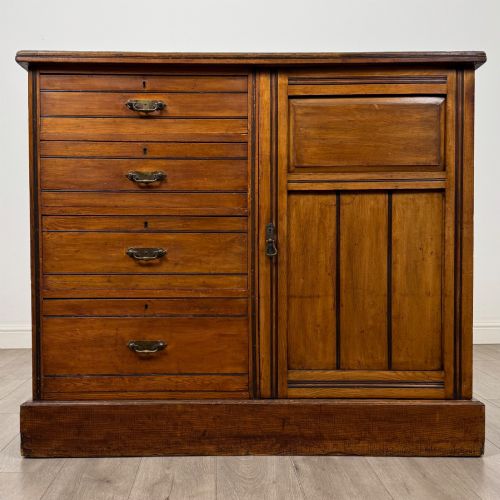
The versions most likely to meet you on this page span the eighteenth and nineteenth centuries, including Victorian, Georgian, Edwardian, and Gothic Revival styles. They appear in forms as varied as tall wardrobes, sideboards, bedside cabinets, and multi-drawer storage units.
Origins stretch across English country workshops, French provincial houses, Irish houses, and Asian colonial spaces, offering a diverse array of domestic and shop-fitting utility. Each piece demonstrates the enduring practicality of timber storage built for daily use.
How they were made
Makers constructed these cupboards using solid timbers such as mahogany, ash, cherrywood, and cedar, often pairing the main body with brass hinges, iron fittings, and glass panels. Surfaces were shaped through carving and architectural joinery, resulting in substantial frames designed to endure.
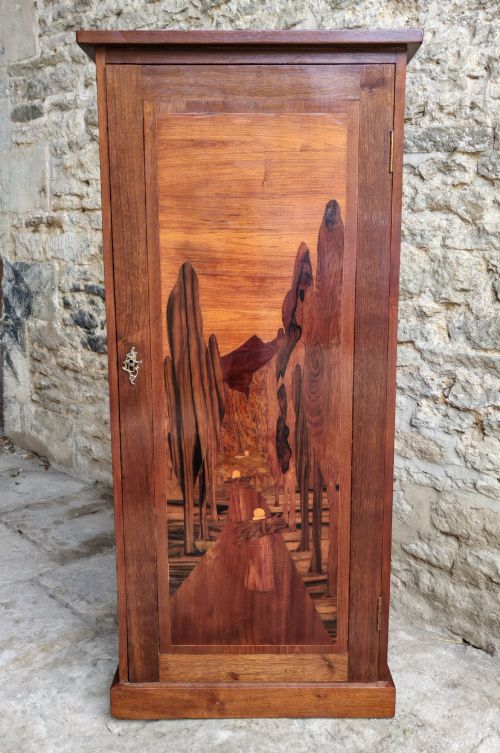
Construction techniques include panelled doors, dovetailed drawers, and two-part designs, sometimes enhanced with inlay work or scumbled paint finishes mimicking faux oak. Regional methods dictated whether a piece took the form of a Breton armoire, a corner cabinet, or a shop-fitting bookcase.
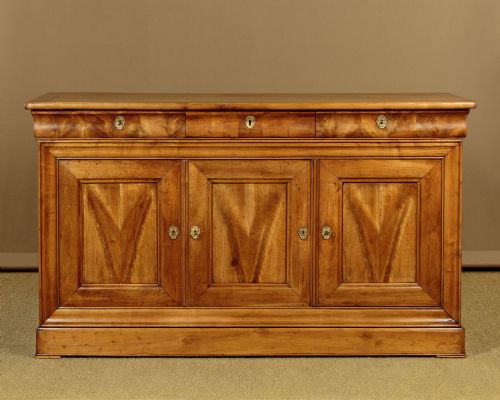
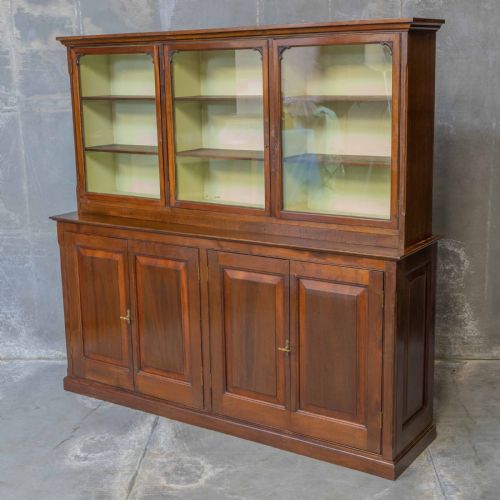
Forms range from multi-drawer teak storage units and shop-fitting bookcases to architectural corner cupboards and French cherrywood enfilades.
What varies in quality
Quality rests upon the selection of the timber, whether richly grained mahogany, figured walnut, or solid cherrywood, and the integrity of the original construction. Superior pieces display thoughtful proportions, refined decorative carving, and well-fitted architectural details such as cornices and panelled doors.
The standard of the hardware, from brass handles to iron hinges, and the preservation of original surfaces also distinguish finer examples. Lesser versions might show simpler construction or utilitarian pine and ash frames built purely for straightforward storage rather than display.
G. Bartholomew & Co
The Warm Brown Timber Cupboard Glossary
- Armoire
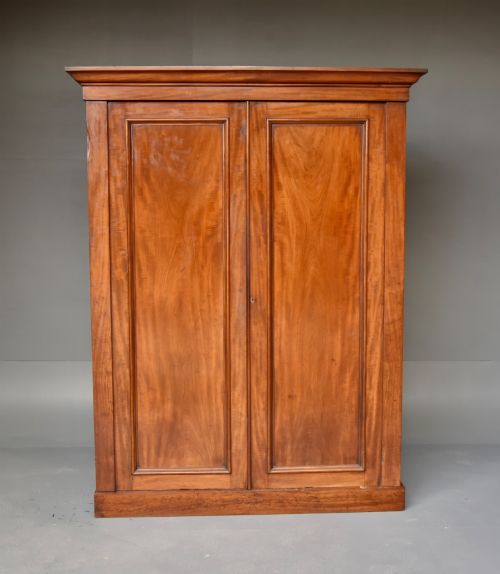
- A large wardrobe or cupboard used primarily for hanging clothes or storing household linens. These pieces often feature grand panelled doors and substantial cornices.
- Scumbled
- A paint finish applied in translucent layers to imitate the grain of a more expensive timber like oak. It was frequently used on pantry or alcove doors.
- Dresser base
- A low wooden sideboard fitted with drawers and cupboards, originating as a functional kitchen or dining room workspace. Early examples often employ cedar or oak.
- Pot cupboard
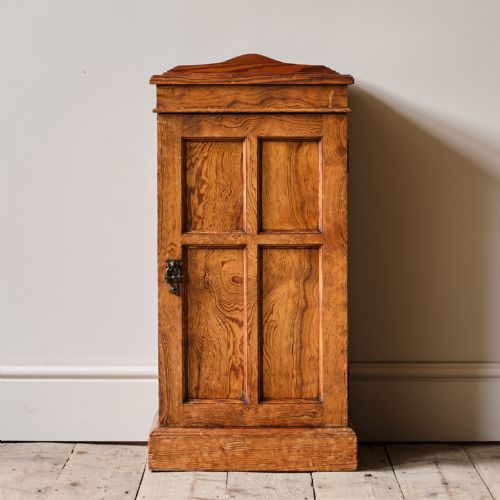
- A small bedside cabinet designed originally to house a chamber pot behind a single door. They frequently date from the nineteenth century.
Warm Brown Timber Cupboard: Frequently Asked Questions
What woods are common?
Listings feature a wide variety of timbers, including mahogany, ash, Oregon pine, elm, cherrywood, cedar, teak, oak, and walnut. Each material lends a distinct tone and weight to the furniture.
Selection often depended on the region of origin and the intended function of the cupboard, ranging from formal mahogany sideboards to rustic fruitwood corner units.
Where were they made?
The pieces originate from diverse stylistic traditions, including English country workshops, French provincial settings, Irish houses, and Asian colonial environments. Styles span Georgian, Victorian, Edwardian, and Gothic Revival.
This geographical spread means construction methods and decorative details vary considerably, reflecting local materials and domestic needs of the eighteenth and nineteenth centuries.
How do I use a corner cupboard?
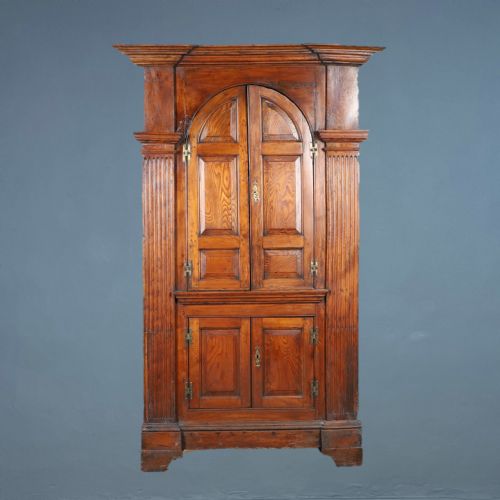
Standing and hanging corner cupboards are designed to fit neatly into domestic room angles, maximising floor space while offering enclosed shelving. They work well in dining rooms, hallways, or living spaces for displaying crockery or storing books.
Architectural architectural corner units add vertical interest and focal depth to previously neglected wall junctions.
What is a two-part cupboard?
A two-part cupboard consists of a distinct upper and lower section that separate for easier transport and installation. This construction method was common in large pieces like gun cabinets, dressers, and large wardrobes.
It allows substantial timber furniture to be moved between rooms while maintaining structural stability when assembled.