




Whytock and Reid Furniture
Whytock and Reid furniture represents Edinburgh cabinetmaking at its finest, offering timeless form and material depth.
What Whytock and Reid furniture is
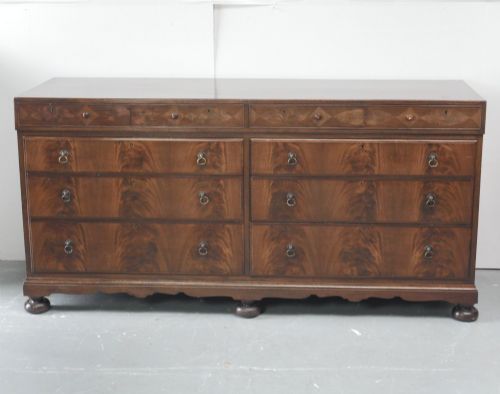
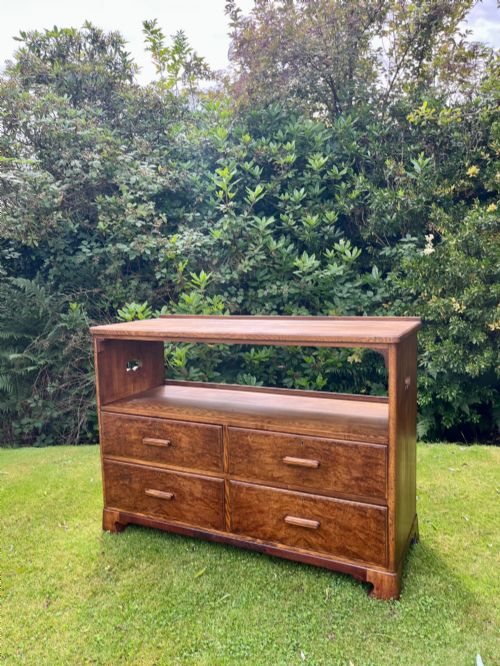
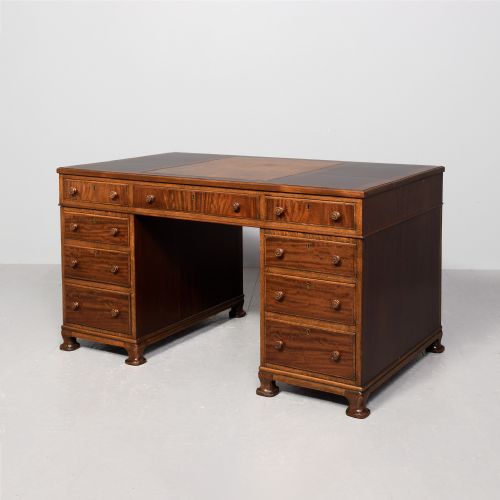
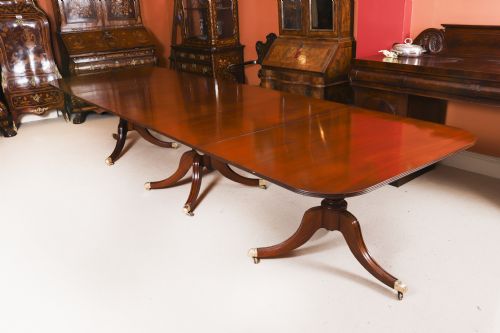
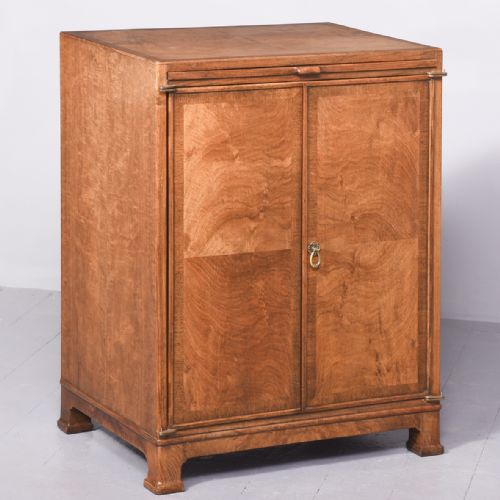
Whytock and Reid furniture encompasses cabinetmaking produced by the Edinburgh firm, drawing on traditional forms from the Edwardian period through the 1930s. Buyers searching for whytock and reid furniture frequently encounter dining tables, library desks, folio cabinets, and cellerettes.
The pieces on this page span several stylistic revivals, notably Regency Revival, Queen Anne Revival, Georgian Revival, and Arts and Crafts. Walnut, mahogany, burr walnut, and oak dominate the construction, often enhanced by marquetry and brass details.
How they were made
Makers utilised solid timbers alongside figured veneers, applying crossbanding and detailed marquetry across surfaces. Brass fittings and mounts appear on functional elements such as desks and cellerettes.
Joinery techniques reflect early twentieth-century workshop standards in Edinburgh, pairing sturdy structural hardwoods with decorative secondary timbers.
Retail Price Guide 2026
Typical UK retail prices for whytock and reid furniture, calculated from the Sellingantiques database of over a million retail prices indexed since 2003. This retail price guide relies exclusively on Sellingantiques data; no external sources or auction records are used, so the figures do not describe the wider market.
Listings feature pieces spanning from 1900 to 1930, utilising mahogany, walnut, burr walnut, oak, and brass.
What varies in quality
Quality rests in the choice of timber figure, particularly the depth and movement in burr walnut and mahogany veneers. Pieces displaying refined crossbanding and balanced proportions command greater appreciation.
The integration of brass hardware and the precision of marquetry inlay separate standard workshop output from exhibition pieces.
Whytock and Reid
The Whytock and Reid Furniture Glossary
- Crossbanding
- A narrow strip of veneer applied to the border of a furniture surface, running perpendicular to the grain of the central panel.
- Marquetry
- Decorative patterns formed by fitting together small pieces of veneer into timber surfaces.
- Burr Walnut
- A figured wood grain derived from walnut tree growths, valued for its swirling patterns.
- Cellerette
- A lockable container or cabinet designed for storing wine bottles, frequently raised on legs or stands.
- Folio Cabinet
- A specialised storage piece built to hold large papers, prints, or books flat.
Frequently Asked Questions
Which materials were used?
Makers relied heavily on mahogany, walnut, burr walnut, and oak for their structural and decorative surfaces.
Brass fittings and marquetry details frequently complement these primary timbers.
How do I identify periods?
Dating relies on stylistic cues drawn from Regency, Queen Anne, and Georgian revivals, alongside Arts and Crafts influences.
Construction methods and timber selection also help locate a piece within the Edwardian or 1930s window.
Where were they made?
The firm operated out of Edinburgh, establishing a reputation for high-standard regional cabinetmaking.
Their output supplied domestic interiors and exhibition spaces alike.