
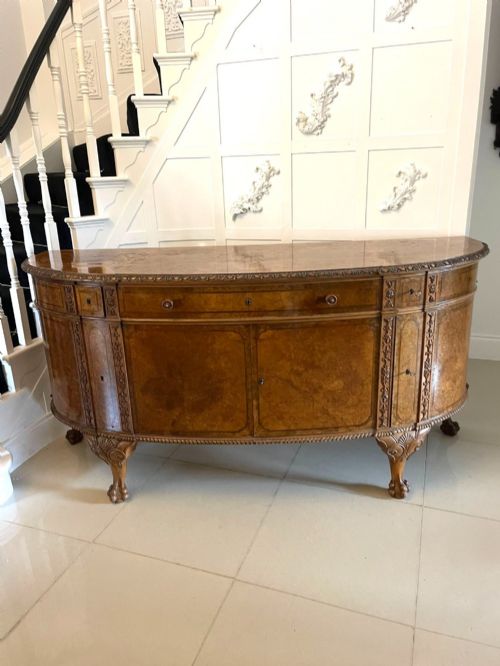
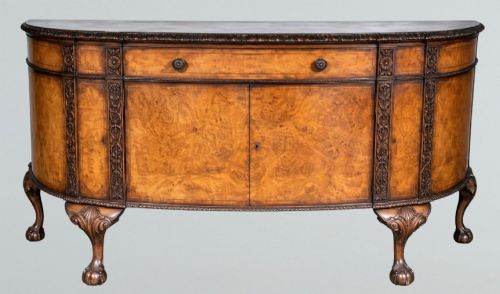
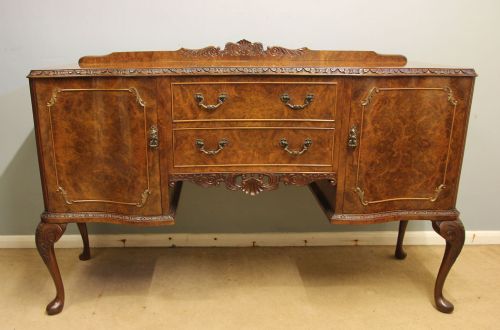
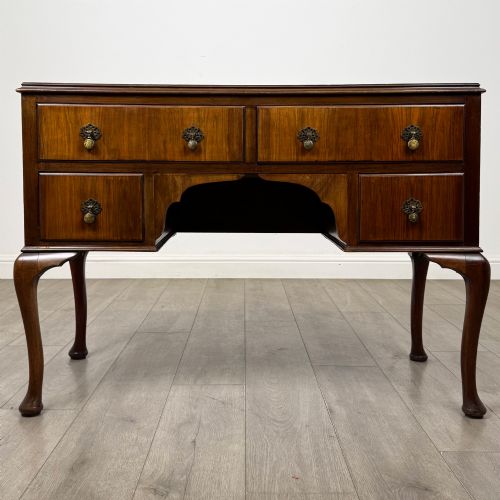
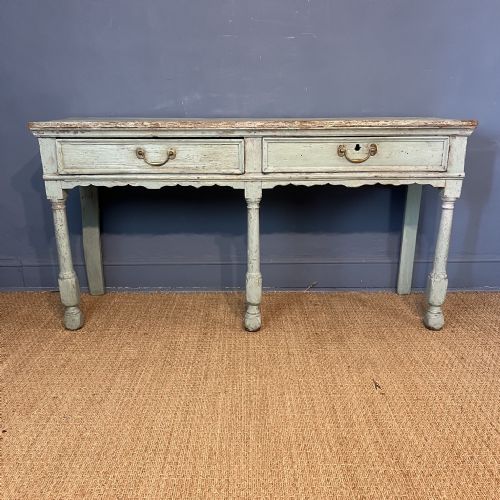
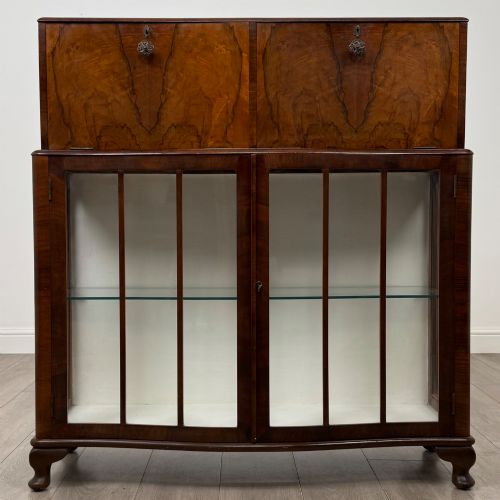
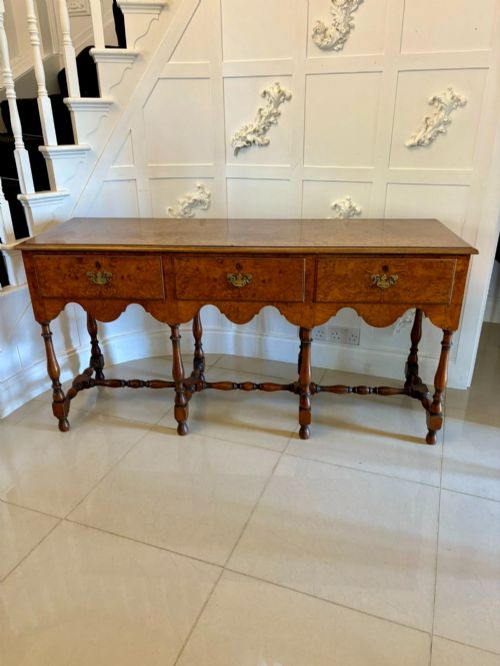
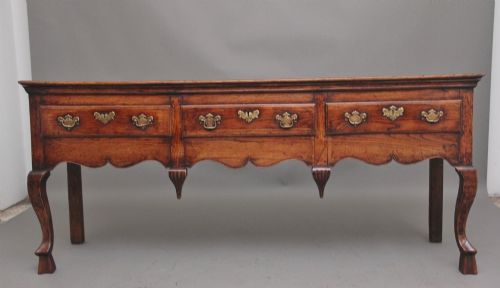



Queen Anne Sideboard
These queen anne sideboard examples bring remarkable figured timber and revival craftsmanship into domestic dining rooms.
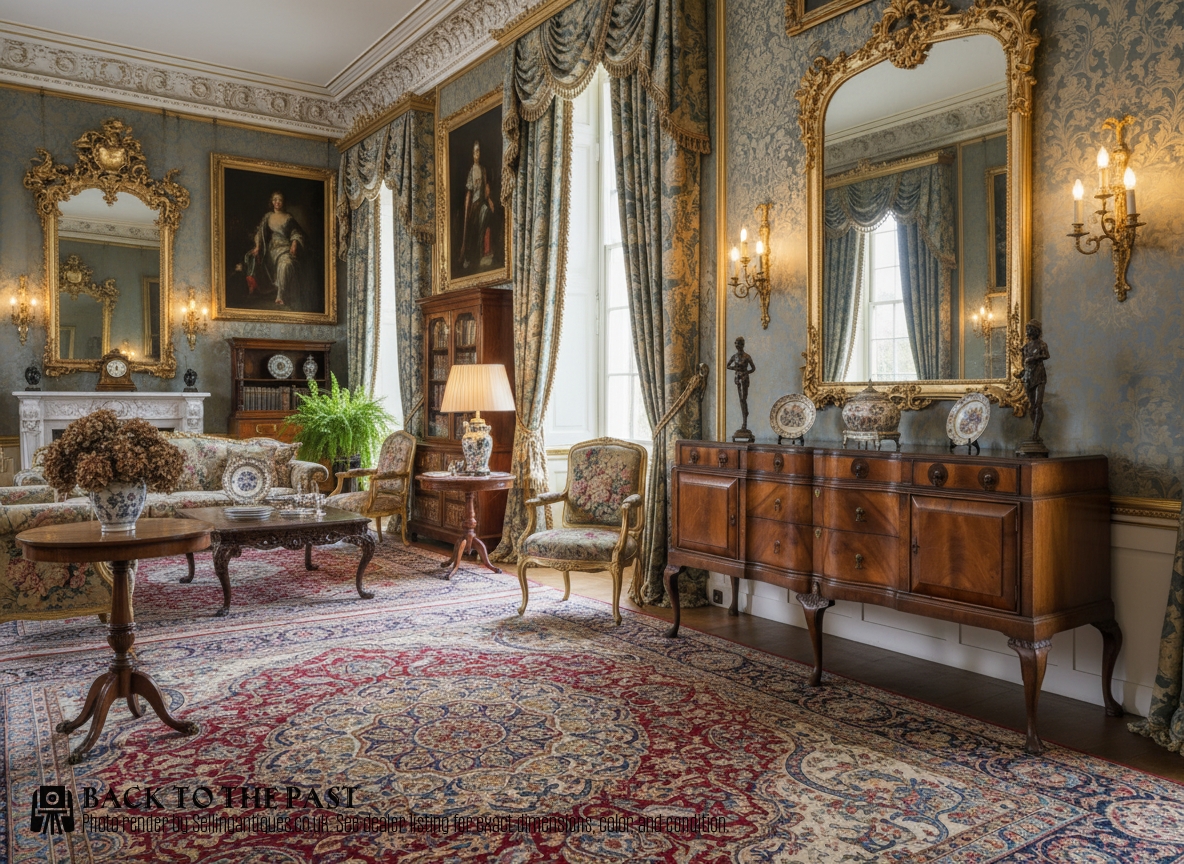
Identifying your queen anne sideboard
A queen anne sideboard unites early eighteenth-century revival design with twentieth-century dining room storage requirements. The pieces here predominantly emerge from the early decades of the twentieth century, specifically between nineteen hundred and nineteen thirty.
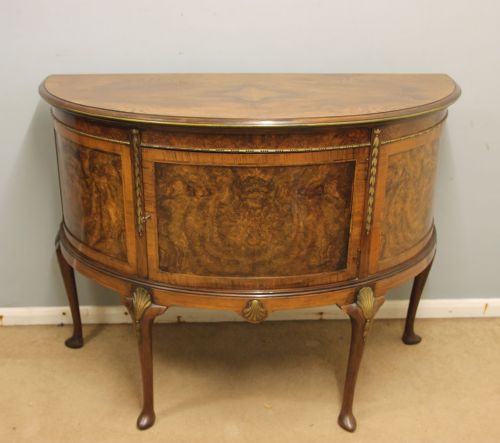
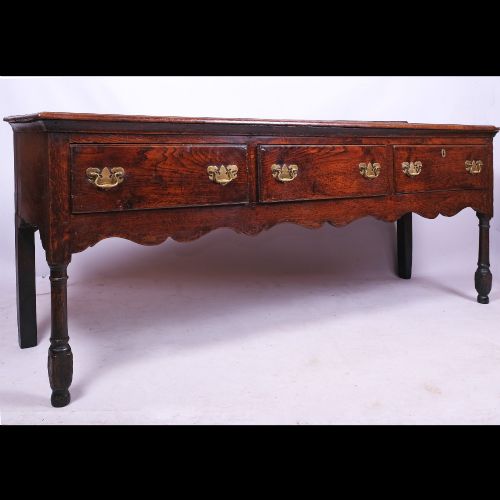
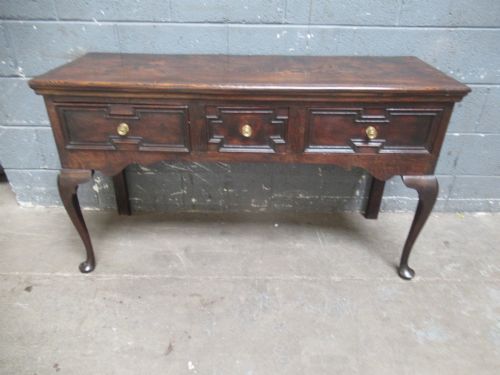
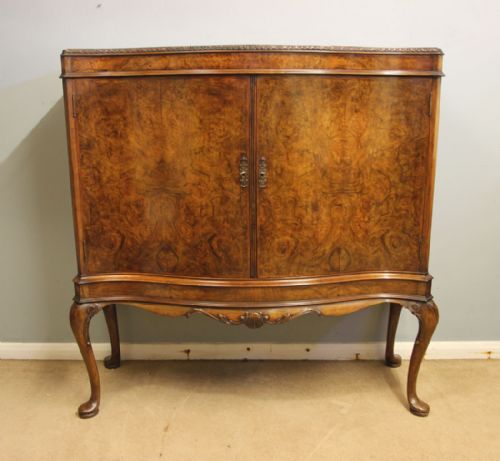
Most examples appear in the form of servers, consoles, and shaped cabinets rather than authentic period case furniture. Walnut and burr walnut dominate the selection, accompanied by occasional mahogany and hardwood constructions.
Materials and construction
Cabinet makers utilise rich veneers of burr and figured walnut over solid timber carcases, often applying crossbanding to accentuate the serpentine or shaped fronts. Brass hardware provides functional drawer pulls and cabinet fittings.
Joinery techniques follow traditional revival methods, supporting substantial server tables, cupboards, and chiffonier formats. Interiors frequently accommodate fitted cutlery sets alongside general dining storage.
Retail Price Guide 2026
Typical UK retail prices for queen anne sideboard, calculated from the Sellingantiques database of over a million retail prices indexed since 2003. This retail price guide relies exclusively on Sellingantiques data; no external sources or auction records are used, so the figures do not describe the wider market.
The listings span the period from nineteen hundred to nineteen thirty, showing a strong preference for burr walnut and mahogany.
Judging the range
The visual impact rests upon the selection and matching of burr walnut veneer across the top and drawer fronts. Superior specimens demonstrate harmonious grain patterns and precise crossbanding.
Structural refinement distinguishes finer iterations, visible in shaped front profiles and the integration of brass mounts. Simpler mahogany cupboards represent a more restrained approach to the same revival aesthetic.
Maples and Co
The Queen Anne Sideboard Glossary
- Burr walnut
- A prized timber veneer showing swirling knot formations. It creates highly decorative patterns across cabinet doors and top surfaces.
- Crossbanding
- A narrow strip of veneer laid perpendicular to the surrounding grain. This technique frames drawer fronts and table edges with precise borders.
- Chiffonier
- A compact sideboard or low cabinet equipped with shelving or cupboards. It serves as traditional dining room storage for tableware.
- Serpentine
- A gently undulating front curve popular in revival cabinetmaking. This contour softens the rectangular mass of heavy timber furniture.
Frequently Asked Questions
What is a queen anne sideboard?
These pieces are twentieth-century revival dining room furniture items. They adopt eighteenth-century design characteristics for modern domestic utility.
Craftsmen build them primarily in burr walnut and figured walnut. They function as servers, consoles, and storage cabinets.
How do I date a queen anne sideboard?
Physical evidence points to an early twentieth-century origin for these revival pieces. Look to the construction methods and timber preparation typical of nineteen hundred to nineteen thirty.
Distinguishing revival work from original eighteenth-century furniture requires examining internal secondary woods and hardware. Most examples on this page date firmly from the Edwardian and interwar eras.
Where should I place a sideboard?
Dining rooms provide the traditional setting for these servers and console tables. Their surface area accommodates serving dishes while internal cupboards store cutlery and linens.
Living spaces also suit these cabinets, offering display space for lamps and decorative objects. Ensure adequate wall space for shaped and serpentine front profiles.
How do I care for walnut veneer?
Protect burr walnut surfaces from direct sunlight and excessive heat fluctuations. These environmental controls prevent the delicate veneers from drying or splitting.
Apply suitable furniture wax sparingly to maintain the timber lustre. Avoid liquid cleaners that might penetrate hairline cracks in the polished finish.