



Art Deco Storage Unit
An art deco storage unit brings architectural lines and striking period geometry directly into a room, offering practical containment with distinct visual presence.
Art Deco Storage Unit
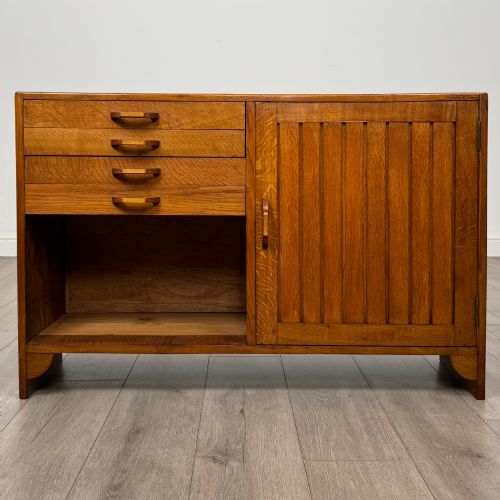
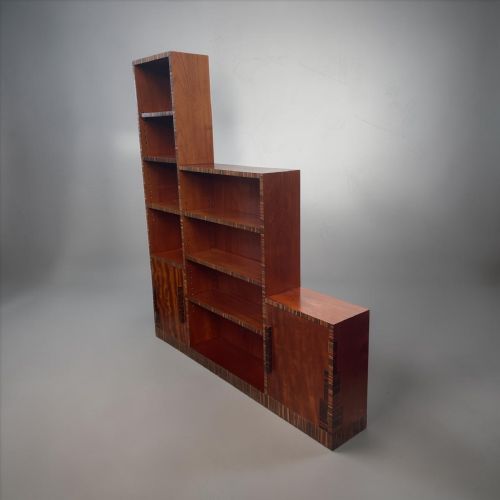
An art deco storage unit encompasses a variety of functional forms, including bookcases, sideboards, cabinets, tallboys, filing cabinets, and wall cabinets designed primarily during the 1930 period. These pieces provide substantial interior space while displaying characteristic stepped profiles, clean architectural silhouettes, and geometric arrangements.
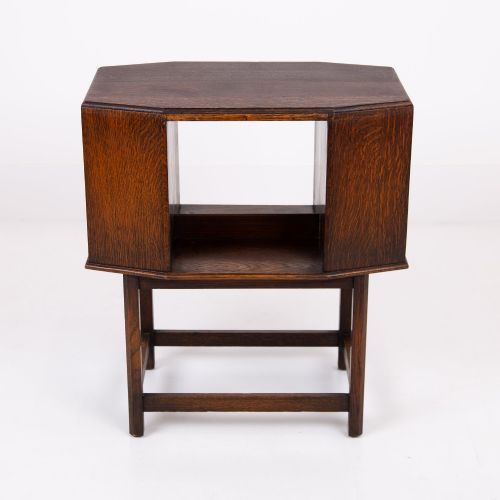
Buyers encountering this selection will frequently find items executed in oak, walnut, or mahogany, alongside specialised shop display forms such as haberdashery cabinets and tambour fronted filing units. The pieces range from restrained modernist oak side tables to striking aluminium-clad aviator designs.
The assortment bridges domestic storage and commercial display, capturing the stylistic transition from earlier Edwardian sensibilities towards the bold modernism of the twentieth century.
How they were made
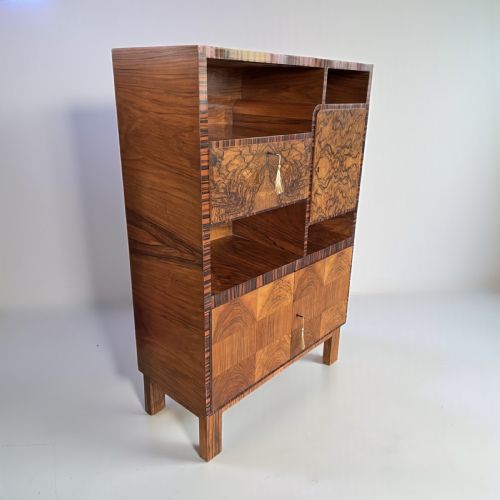
Construction relies heavily on traditional cabinet-making timbers such as oak, walnut, and rosewood, frequently utilised as rich veneers over stable hardwood cores to create striking grain patterns across flat drawer fronts and cupboard doors.
Metal components, including brass, chrome, and aluminium, appear as structural framing, handles, and distinctive trim, contrasting against polished timber surfaces and reinforcing the industrial and modernist influences of the era.
Art Deco Storage Unit Retail Price Guide 2026
Typical asking prices for art deco storage unit among the pieces listed under this phrase on Sellingantiques today, from the lower quarter to the upper quarter. They describe what is for sale here now, not the wider market.
One exceptional aviator sideboard brings gleaming aluminium airman style straight from the thirties hangar into the living room.
What varies in quality
Quality reveals itself in the fidelity of the timber selection and the precision of veneer matching across expansive surfaces like sideboard doors and cabinet fronts, where symmetrical grain alignment elevates the visual impact.
The sophistication of the joinery and the integration of specialised mechanisms, such as tambour doors or drop centres, distinguish standard utility furniture from finer workshop pieces.
Betty Joel
The Art Deco Storage Unit Glossary
- Tambour
- A flexible door constructed from narrow strips of wood glued to a canvas backing, allowing it to slide smoothly around a curved track on filing cabinets.
- Tallboy
- A tall storage chest combining drawer storage with cupboard space, rising higher than a standard sideboard to maximise vertical capacity in compact rooms.
- Veneer
- A thin slice of figured wood applied over a secondary timber base to create decorative surfaces without excessive weight or cost.
- Stepped
- A structural profile featuring descending or ascending horizontal tiers, which defines the characteristic architectural silhouette of period bookcase designs.
Art Deco Storage Unit: Frequently Asked Questions
What rooms suit an art deco storage unit?
These units suit living spaces, home offices, and bedrooms where their distinct geometric forms and warm timber tones can serve as focal points while concealing everyday items.
Their varied footprints, ranging from compact wall cabinets to expansive sideboards, allow them to fit into both generous architectural interiors and smaller modern rooms.
How do I identify a 1930 piece?
Pieces from this period typically display characteristic stepped outlines, bold geometric veneers, and minimal ornamentation that distinguishes them from heavier Victorian or Edwardian designs.
The integration of industrial materials like chrome and aluminium alongside traditional oak and walnut also points directly to the modernist aesthetic of the decade.
Were these units used in shops?
Certain forms, particularly haberdashery cabinets and specialised display units, were originally manufactured for commercial retail environments to organise and showcase small wares.
Over time, these functional shop fittings transitioned into domestic settings for specialised storage of collections, sewing materials, or general household items.
How do I care for wooden surfaces?
Maintenance involves dusting with a soft cloth and applying appropriate beeswax or polish sparingly to nourish the timber and preserve the natural grain of the walnut or oak veneer.
Keeping the pieces away from direct heat sources and strong sunlight prevents the timber from drying and protects the finish from fading.