
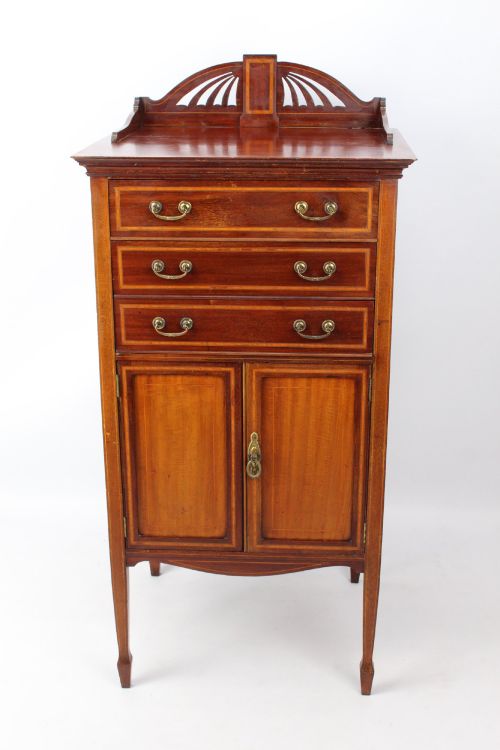
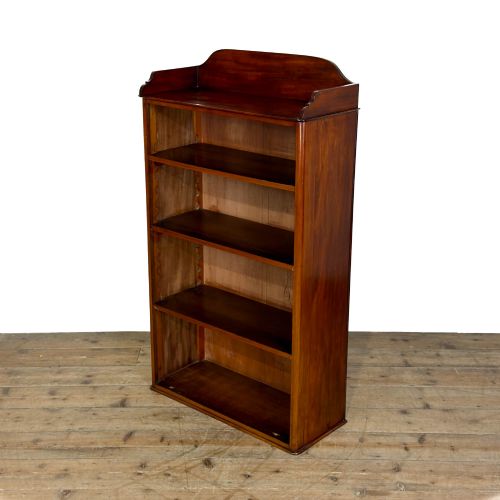
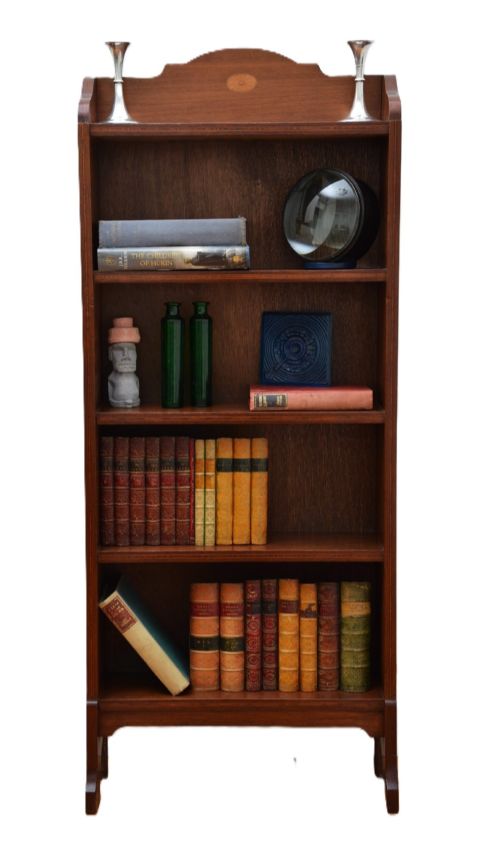
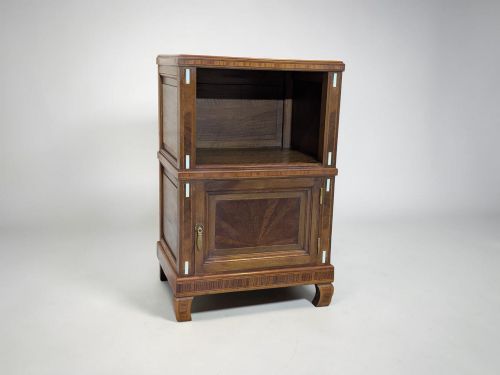
Vintage Standing Cabinet
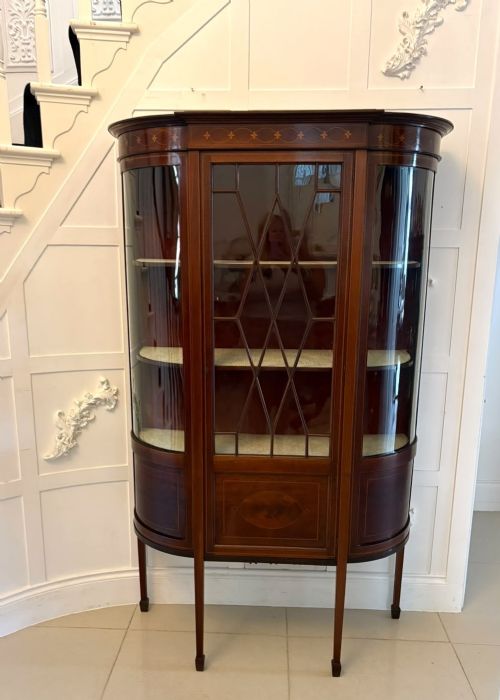
When you select a vintage standing cabinet, you choose an upright piece of furniture designed for display or storage that brings period character to a room.
Vintage Standing Cabinet
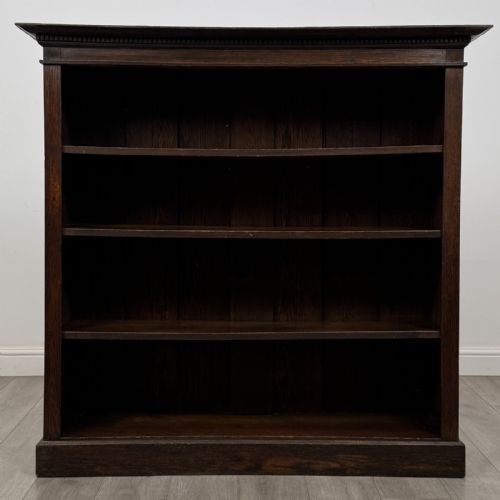
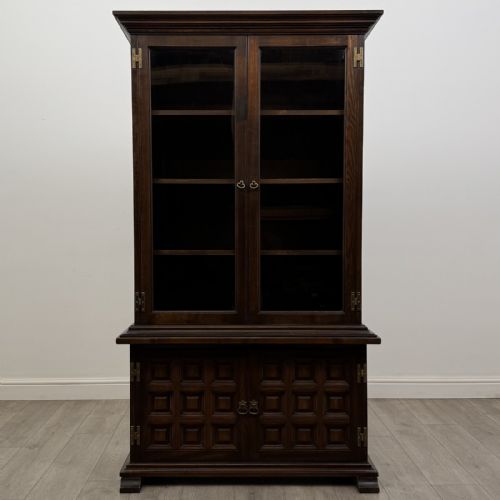
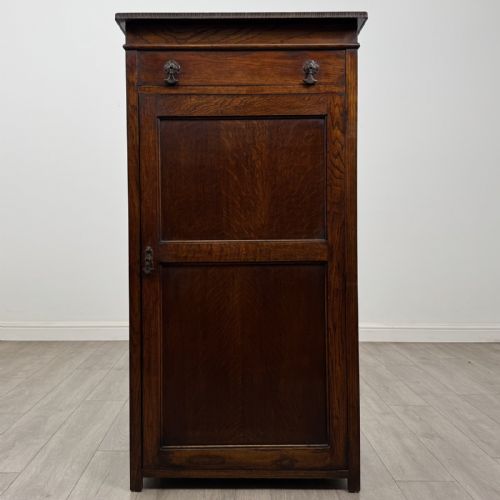
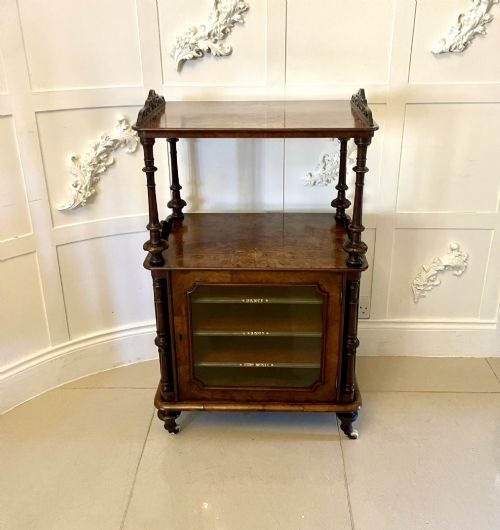
A vintage standing cabinet is an upright piece of furniture designed to hold books, display porcelain, or store household items off the floor. When searching this phrase, buyers encounter forms ranging from tall bookcases and display cabinets to music cabinets, tallboys, and chests on stands.
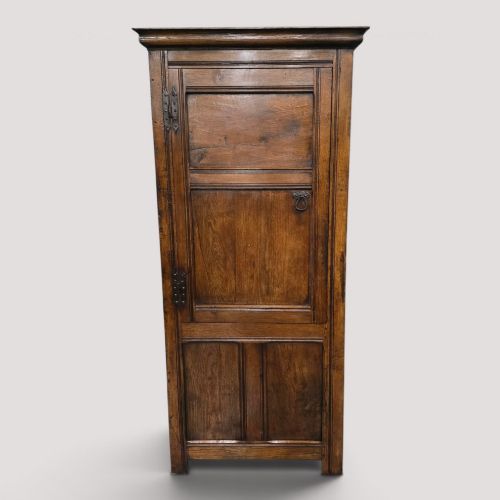
The pieces appearing on this page span several eras, crossing the Edwardian period, the Victorian era, the Georgian period, and the 1920s and 1930s. Oak and mahogany predominate, alongside walnut and burr walnut.
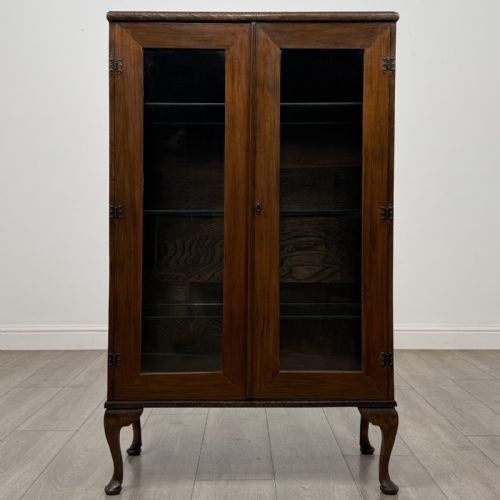
The most common versions met here are Edwardian and Victorian floor-standing bookcases, display cabinets, and bedside tables in mahogany or oak. These upright forms anchor a room while providing vertical storage space without taking up a large floor area.
How they were made
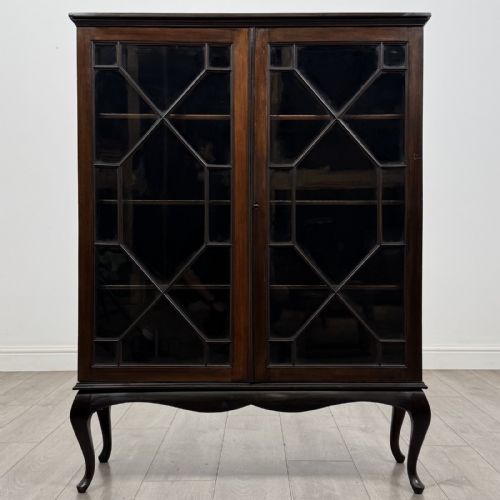
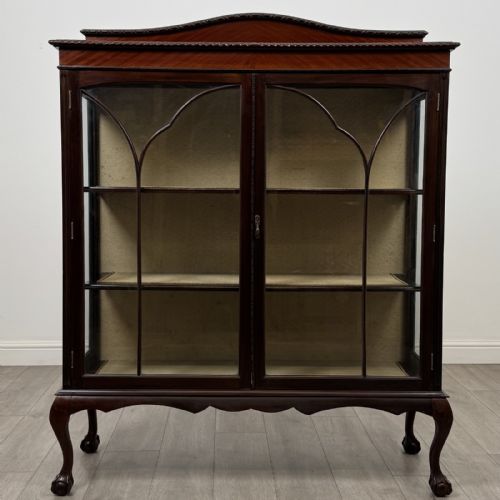
Cabinet makers constructed these pieces using dense hardwoods such as mahogany, oak, and walnut, often applying burr walnut veneers or satinwood inlay for decorative contrast. Glass panels feature in display cabinets and bookcases, sometimes held by intricate wooden glazing bars.
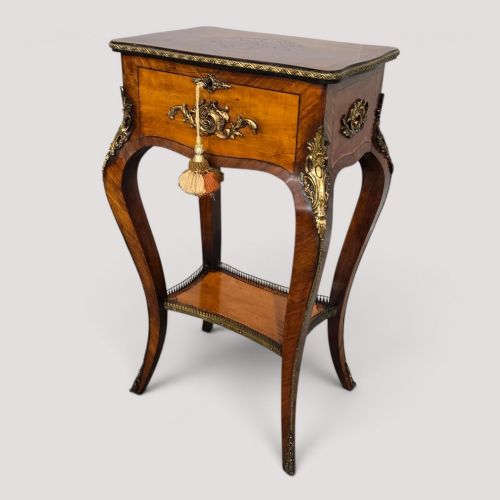
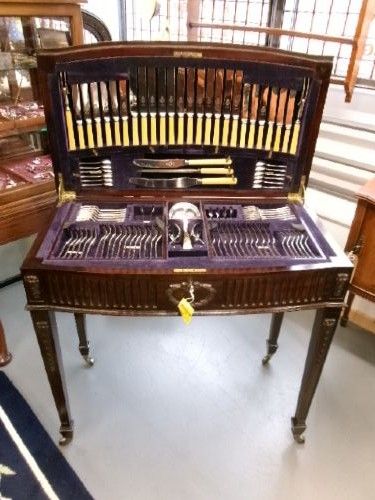
Makers integrated functional details like brass hardware, marble tops, and mother of pearl inlay depending on the style and period. Construction methods rely on traditional joinery suited to upright carcases, standing firmly on plinths, bracket feet, or pedestal bases.
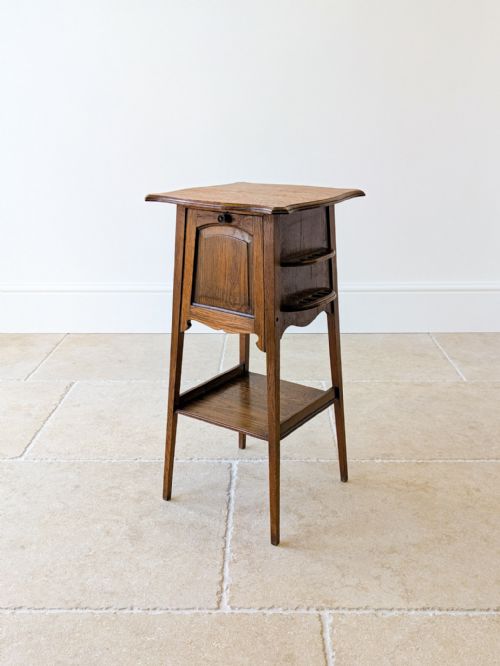
Smokers cabinets and music cabinets appear among these standing forms, proving our ancestors took both their tobacco and their sheet music rather seriously.
What varies in quality
Quality in a standing cabinet shows in the selection of timber figures, such as the rich grain of burr walnut or the depth of polished mahogany. Superior examples display refined proportions and crisp inlay work rather than heavy or plain execution.
The integrity of the construction, the weight and finish of brass fittings, and the clarity of glazed doors separate standard utility pieces from finer cabinet work. Original surfaces and well-executed period details elevate the standing of any piece within its period.
Walker & Sons·GM Elwood for JS Henry·Bruno Zach·Denby & Spinks
The Vintage Standing Cabinet Glossary
- Tallboy
- A tall chest of drawers, often consisting of one chest stacked upon another chest or stand. This form provides substantial vertical storage capacity.
- Vitrine
- A glass-fronted display cabinet used for showing porcelain, curiosities, or fine books. These pieces protect objects from dust while allowing all-round visibility.
- Astral Glazed
- A style of window or door framing where wooden bars divide the glass into smaller panes. This technique is typical of finer Georgian and Victorian bookcases.
- Burr Walnut
- Timber taken from a walnut tree growth, yielding swirling and intricate grain patterns. Cabinet makers utilised this veneer on prominent surfaces for decorative impact.
- Chest on Stand
- A drawer carcase raised on an open frame or low stand with legs. This form lightens the visual weight of heavy storage furniture.
Vintage Standing Cabinet: Frequently Asked Questions
What is a standing cabinet?
A standing cabinet is an upright furniture piece that rests directly on the floor, providing vertical storage or display space. These pieces include bookcases, display cabinets, music cabinets, and tallboys.
They differ from wall-mounted cupboards or low side tables by anchoring the vertical plane of a room. Buyers use them to organise books, display collections, or store items while adding period character.
How do I identify an Edwardian cabinet?
Edwardian cabinets typically date from the period around 1901 to 1910 and often feature light oak or mahogany timbers. They frequently incorporate satinwood inlay or simpler Arts and Crafts influences.
Compared to heavier Victorian designs, Edwardian standing cabinets tend to have lighter proportions and brighter wood tones. Their construction reflects industrial improvements combined with traditional cabinet making.
Where were standing cabinets placed?
Historically, standing cabinets were placed in reception rooms, libraries, hallways, and bedrooms depending on their specific function. Bookcases and display cabinets belonged in living spaces and studies.
Bedside tables and smaller cupboards served bedrooms, while music cabinets held sheet music in parlours. Their upright formats allowed them to fit against walls without occupying excessive floor space.
What is the difference between a vitrine and a bookcase?
A vitrine is specifically designed for display, featuring glass panels on the front and often the sides to showcase objects from multiple angles. Bookcases focus primarily on open or glazed shelving for holding books.
While both stand upright on the floor, vitrines often display finer decorative arts, whereas bookcases prioritise functional shelf space for volumes.