
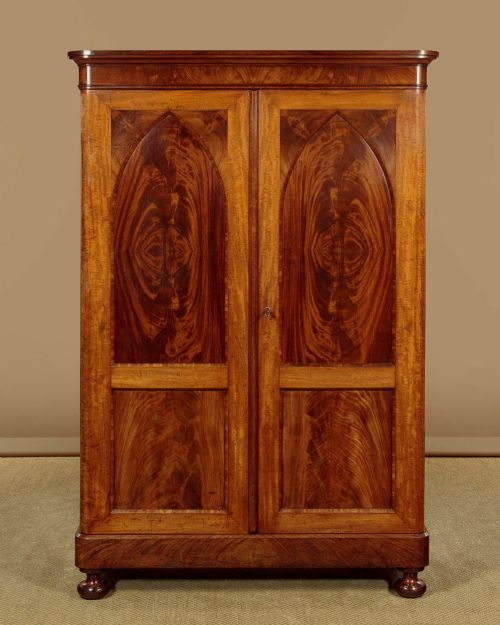
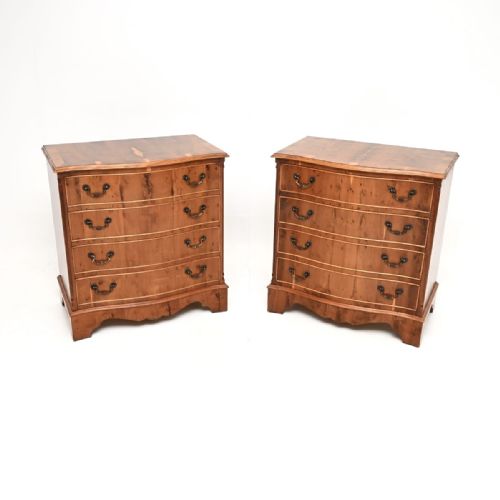
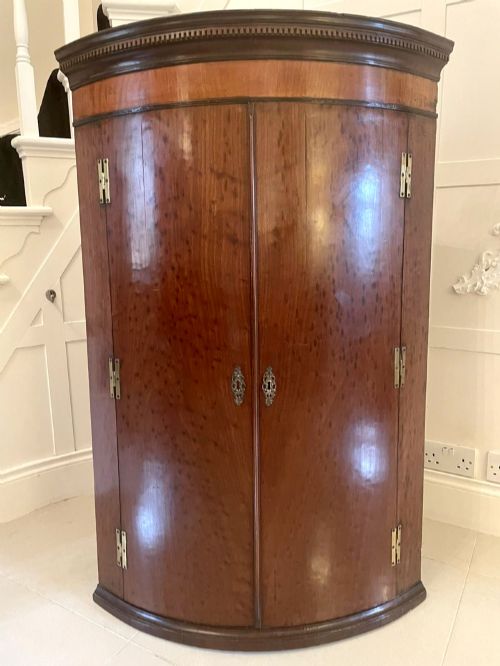

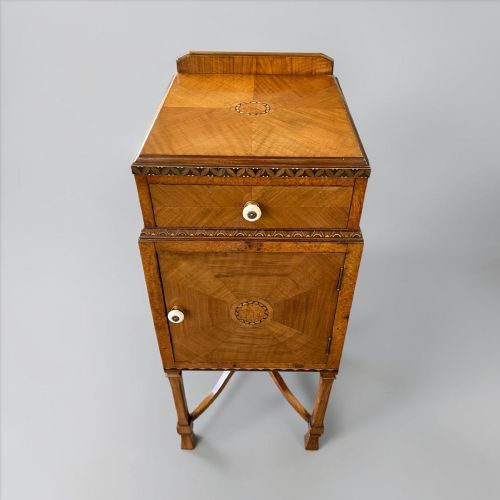
Brown Veneered Cabinet
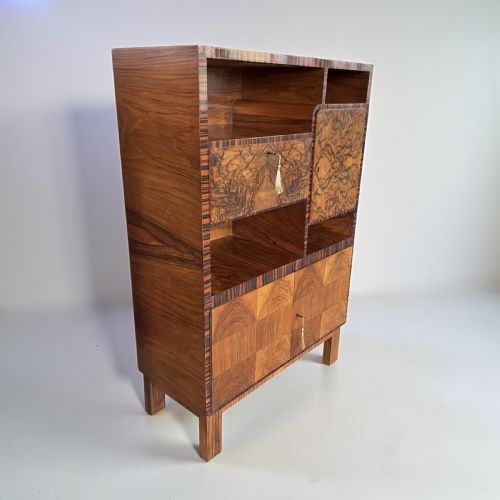
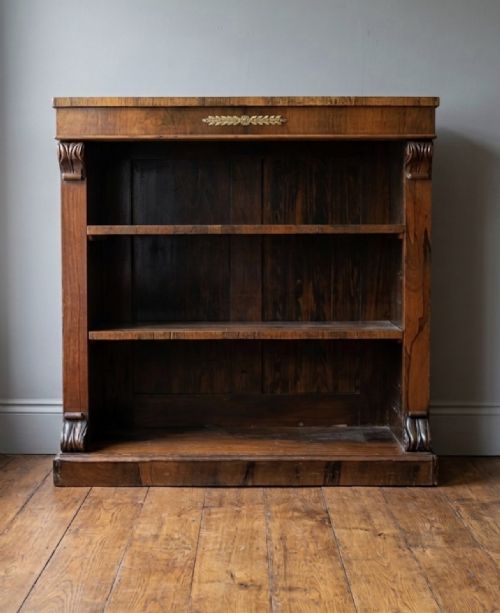
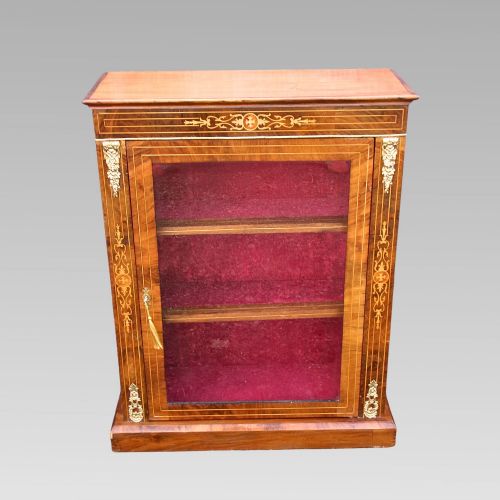
A brown veneered cabinet brings rich timber grain and structured storage to a room, ranging from restrained walnut designs to striking Art Deco pieces.
Brown Veneered Cabinet
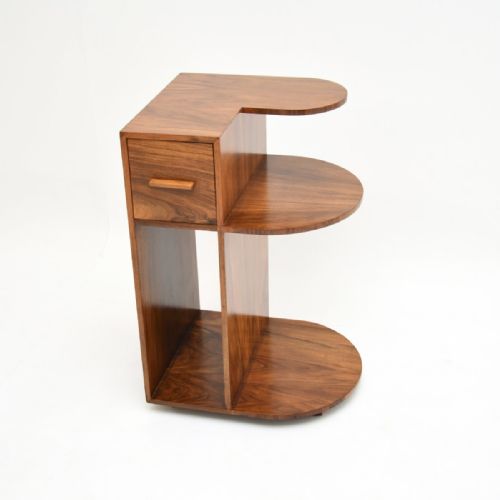
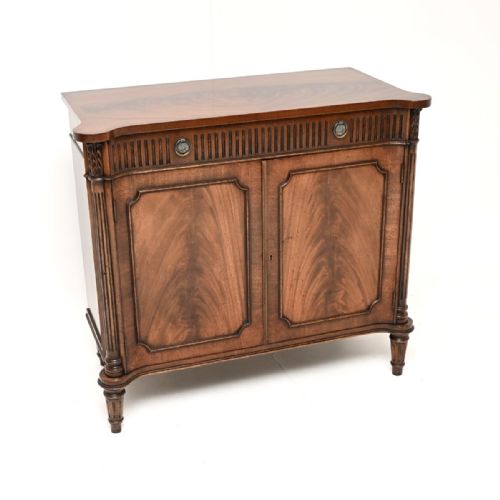
A brown veneered cabinet encompasses a diverse group of storage furniture spanning several centuries, unified by figured wood surfaces over a supporting timber carcass. The brown veneered cabinet appears most frequently in twentieth-century Art Deco interpretations, alongside significant examples from the seventeenth, eighteenth, and nineteenth centuries.
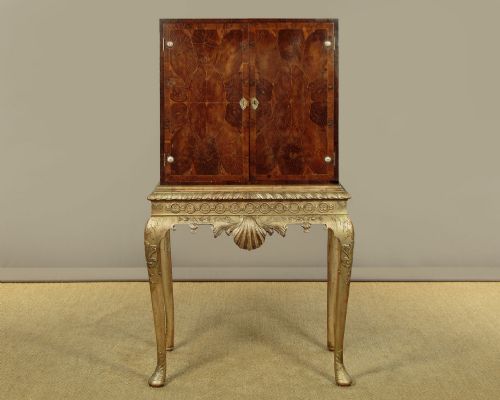
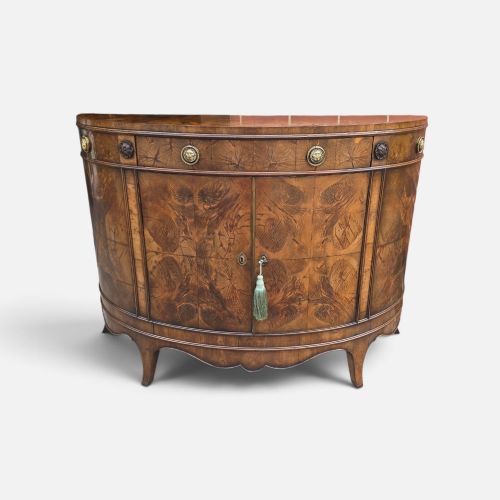
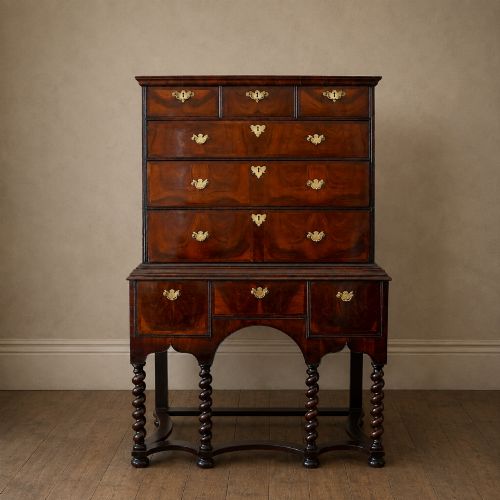
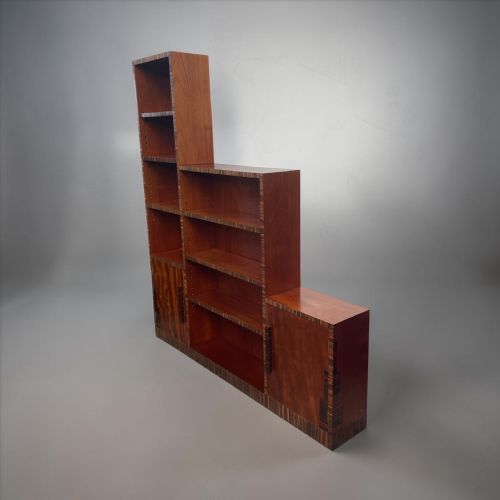
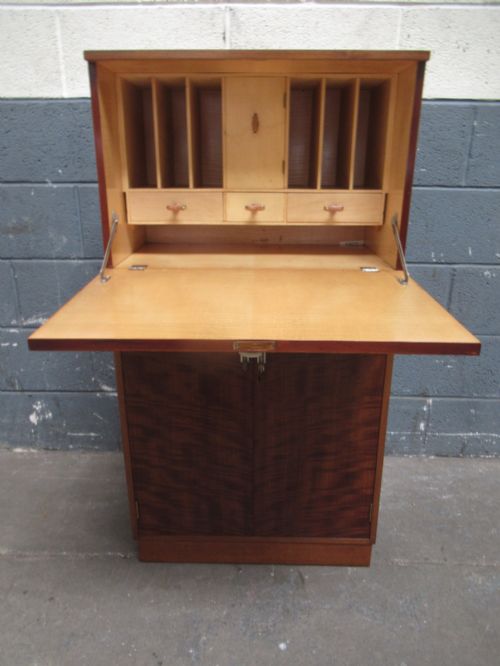
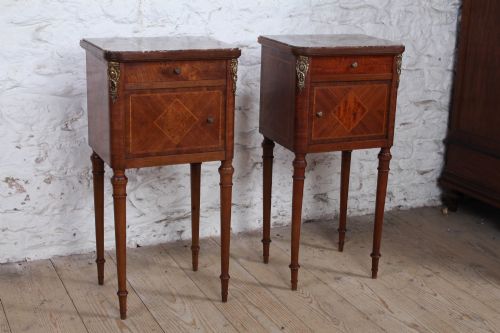
The category covers a wide array of functional forms, including display cabinets, chests on stands, sideboards, bedside tables, and writing bureaux. Surviving pieces display various regional characteristics and stylistic revivals, drawing on William and Mary, Queen Anne, Louis XV, and Biedermeier traditions.
Makers utilised decorative wood layers to create visual interest on surfaces that might otherwise appear plain. Buyers encounter everything from compact bedside units to large armoires, tallboys, and bookcases designed for domestic utility and display.
How they were made
Cabinetmakers applied thin sheets of decorative timber over solid secondary woods such as oak or pine, utilising grain patterns for maximum visual impact. Common facing materials include walnut, burr walnut, mahogany, kingwood, amboyna, yew, laburnum, and fruitwood.
Techniques such as oyster cutting arranged small branch cross-sections into repeating geometric patterns, while book-matching mirrored symmetrical grain figures across doors and drawer fronts. Carcasses incorporated traditional joinery methods, sometimes complemented by marble tops, brass mounts, and glass panels.
Listings feature brown veneered cabinets spanning the seventeenth century through to 1930, constructed in walnut, mahogany, kingwood, and oak.
What varies in quality
The standard of a brown veneered cabinet rests upon the selection and pairing of the timber veneers, where balanced grain alignment demonstrates superior craftsmanship. Pieces featuring continuous figure flow across multiple drawers or doors show deliberate planning by the maker.
Underlying construction methods also distinguish standard production from exceptional works, visible in the choice of secondary timbers and the precision of the joinery. Original hardware, intact glass, and well-fitted internal components elevate the integrity of the piece.
Maurice Adams·The Bowman Brothers
The Brown Veneered Cabinet Glossary
- Veneer
- A thin layer of figured wood applied to a solid timber base to provide decorative surfaces. This technique allowed makers to utilise exotic grains efficiently while preventing the warping associated with solid exotic boards.
- Oyster veneer
- Circular slices cut from small branches and arranged to form patterned surfaces resembling oysters. This technique is particularly characteristic of late seventeenth-century and early eighteenth-century English furniture.
- Burr walnut
- Timber taken from the abnormal growth of a walnut tree, yielding highly twisted and intricate grain patterns. It was favoured for high-status cabinet doors and drawer fronts.
- Secretaire abattant
- A tall cabinet featuring a drop-front writing surface that conceals fitted interior compartments and pigeonholes. It combines vertical storage with a practical desk.
- Chest on stand
- A drawer unit elevated on a separate framework with legs, common in seventeenth and eighteenth-century designs. This form lightened the visual weight of large storage pieces.
Brown Veneered Cabinet: Frequently Asked Questions
What is a brown veneered cabinet?
A brown veneered cabinet is a storage piece surfaced with decorative wood layers over a solid timber framework. These items range from antique chests on stands to twentieth-century Art Deco sideboards.
They provide enclosed space for household goods while displaying natural wood grain patterns across doors and drawer fronts.
How do I date a veneer cabinet?
Dating relies on carcass construction, hardware styles, and the specific choice of veneer patterns. Seventeenth-century examples often feature oyster veneers on stands, while 1930s pieces display geometric waterfall or stepped Art Deco lines.
Secondary woods inside drawers and the presence of hand-cut versus machine-cut elements offer further chronological clues.
Where should I place my cabinet?
These cabinets suit living rooms, dining spaces, or hallways, depending on whether the internal configuration is designed for books, linen, or display. Side cabinets and bedside tables function well against neutral walls that allow the timber grain to stand out.
Direct sunlight and extreme temperature changes should be avoided to protect the delicate surface veneers.
How do I care for antique veneer?
Care involves maintaining stable indoor humidity levels and keeping the wood away from direct heat sources. Gentle dusting with a dry, soft cloth preserves the finish without harming the historic surface.
Traditional waxes can be applied sparingly to nourish the timber when it appears dry.