
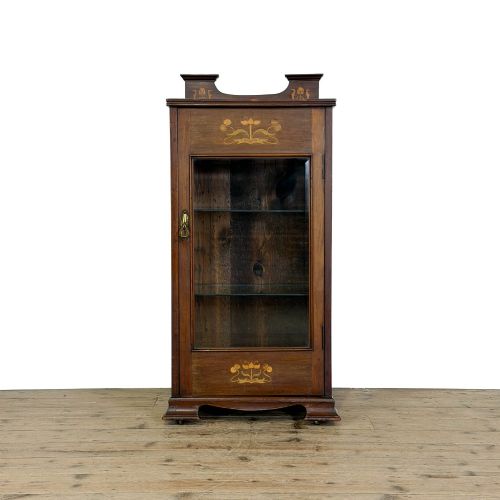
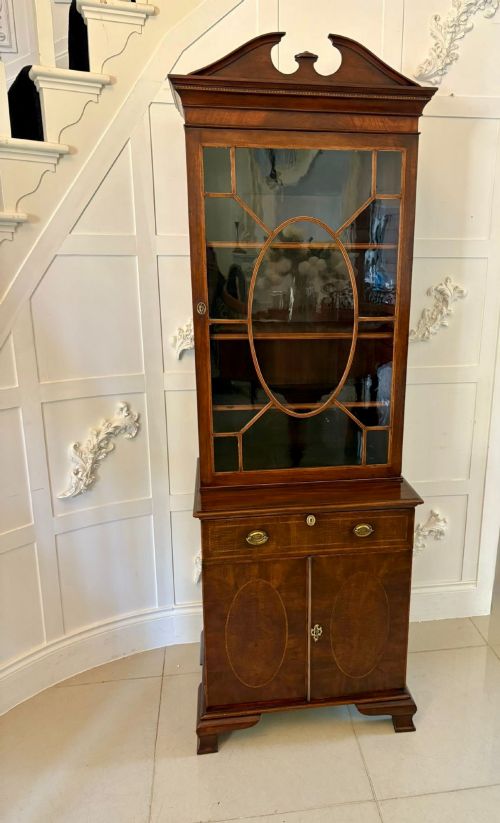
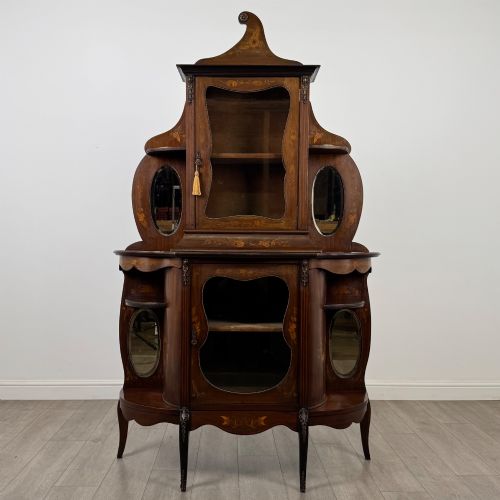
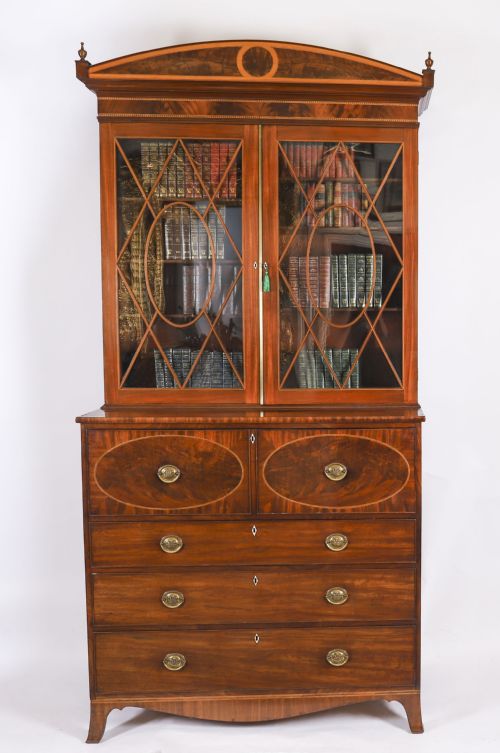


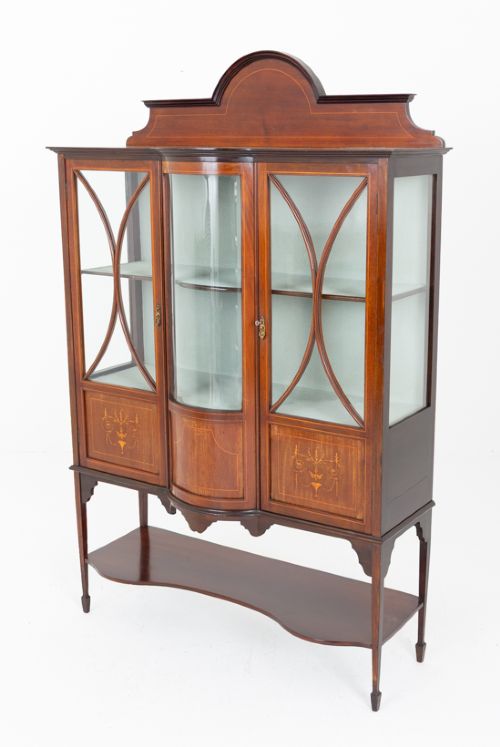
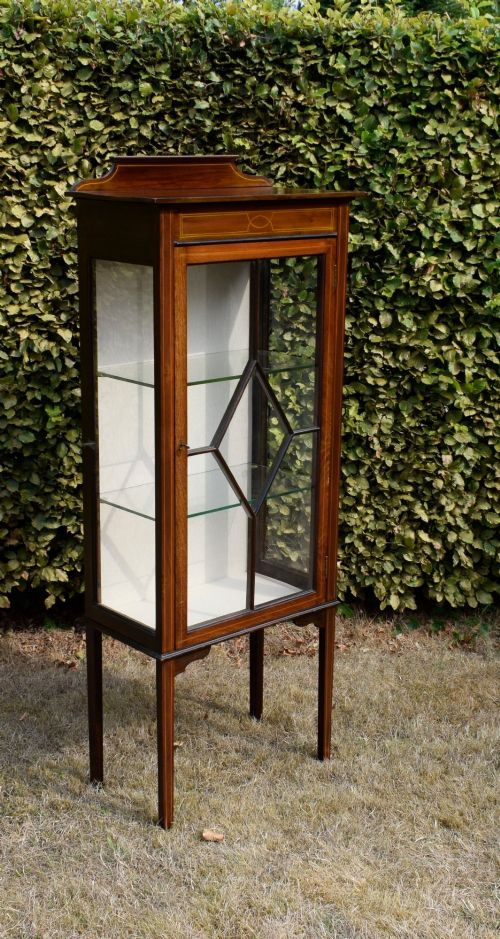
Inlaid Mahogany Display Cabinet
An inlaid mahogany display cabinet brings warmth and polished elegance to a room, showcasing treasured collections behind clear glass.

Inlaid Mahogany Display Cabinet
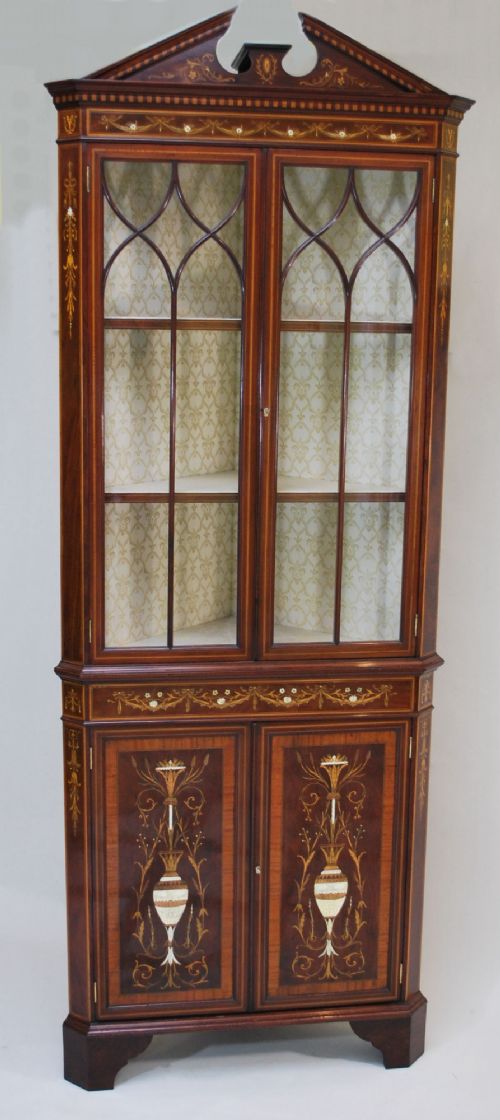
An inlaid mahogany display cabinet is a refined timber furnishing designed to exhibit precious objects while protecting them from dust. These pieces emerge predominantly from the Edwardian era and the nineteenth century, reflecting periods of skilled cabinet-making and sophisticated interior taste.
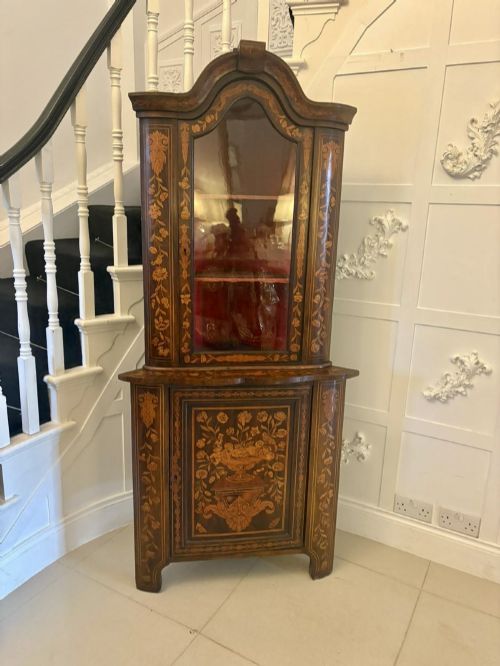
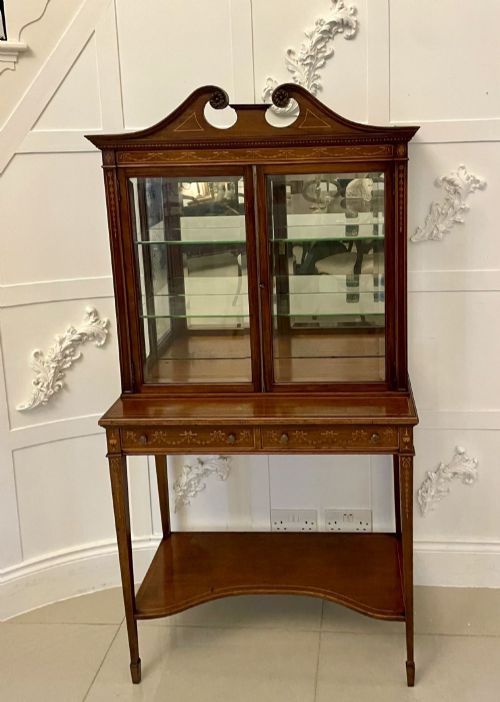
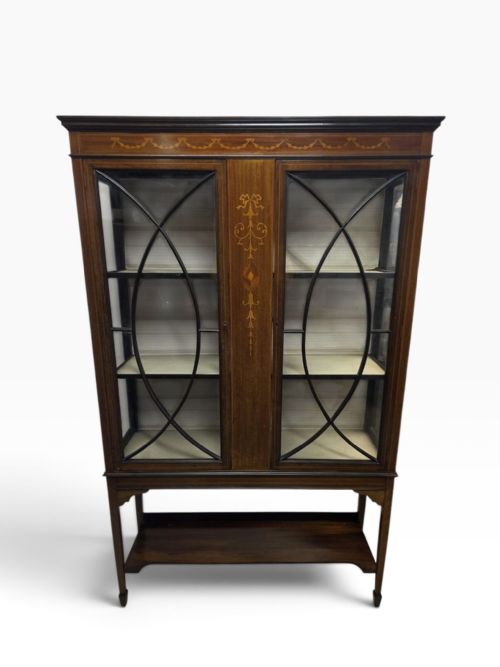
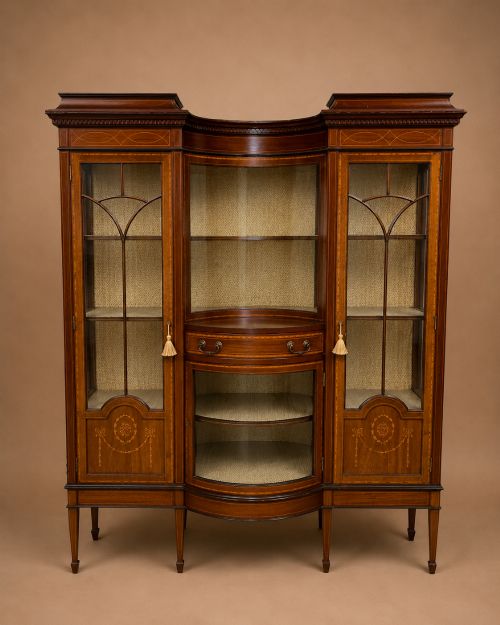
The selections available range from bow fronted and serpentine freestanding models to corner cupboards and music cabinets. Edwardian interpretations and Sheraton Revival pieces dominate the inventory, often featuring glazed doors that reveal fitted interior shelving.
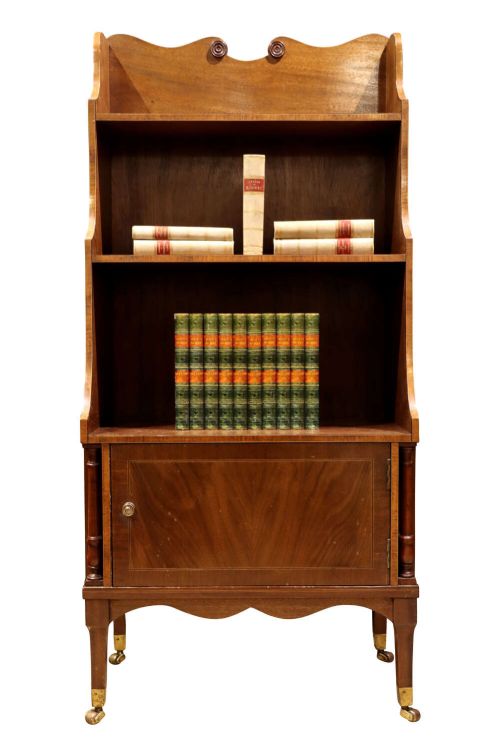
Makers of the period utilised rich timbers to create functional storage that doubled as ornamental focal points for drawing rooms and parlours. Collectors encounter diverse formats, including tall floor-standing glazed units and compact side cabinets with delicate inlay work.
How they were made
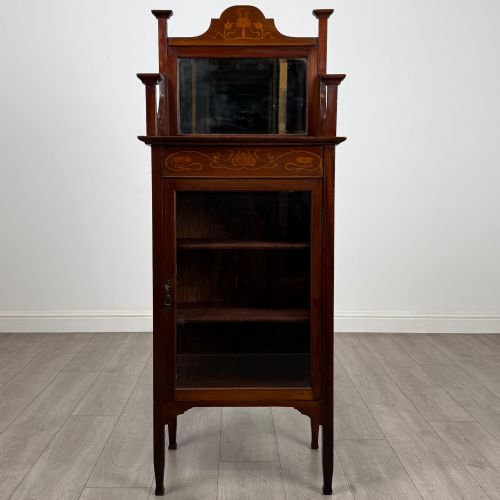
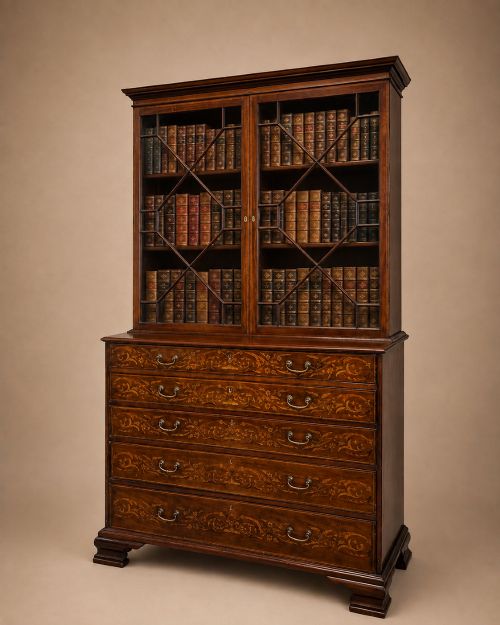
Craftsmen built these cabinets primarily using solid and veneered mahogany, frequently accented with contrasting satinwood and rosewood. Wood inlay techniques created delicate floral swags, urns, and geometric banding across the drawer fronts and cornices.
Structural integrity relied on traditional joinery, complemented by brass hardware for hinges and locks. Glazing ranged from simple framed panes to leaded glass, while mirror glass occasionally lined the interior back panels to amplify light.
Inlaid Mahogany Display Cabinet Retail Price Guide 2026
Typical asking prices for inlaid mahogany display cabinet among the pieces listed under this phrase on Sellingantiques today, from the lower quarter to the upper quarter. They describe what is for sale here now, not the wider market.
What varies in quality
The distinction between standard commercial production and superior craftsmanship rests in the precision of the timber selection and the intricacy of the decorative details. Master workshops employed finely figured mahogany grain and meticulous satinwood banding that remained crisp and flush with the surrounding wood.
Proportion and silhouette also dictate standing, with serpentine and bow front shapes requiring advanced joinery skills compared to flat-fronted alternatives. Original glass panes, intact brass fittings, and documented maker attribution further elevate the standing of an individual piece.
Edwards and Roberts·Maple and Co
The Inlaid Mahogany Display Cabinet Glossary
- Mahogany
- A dense, reddish-brown tropical hardwood prized for its stability and rich grain. It served as the primary structural and visual timber for high-grade nineteenth-century and Edwardian furniture.
- Satinwood
- A luminous, fine-grained yellow timber utilised for contrasting inlay work and banding. Craftsmen selected it to highlight borders and create pictorial motifs against darker mahogany surfaces.
- Sheraton Revival
- A late nineteenth and early twentieth-century design movement inspired by eighteenth-century neoclassical furniture. Pieces in this style typically feature symmetrical forms, tapered legs, and delicate marquetry.
- Bow Front
- A convex curved cabinet front that swells outward toward the centre. This configuration required specialised woodworking skill to bend timber and shape glass to the precise radius.
- Marquetry
- The art of applying decorative veneer pieces to a structural surface to form pictures or ornamental patterns. It contrasts different wood species to achieve tonal variation without paint.
Inlaid Mahogany Display Cabinet: Frequently Asked Questions
How do I date an inlaid mahogany display cabinet?
Dating relies on examining construction methods, timber characteristics, and stylistic traits associated with specific periods. Edwardian and late nineteenth-century pieces often display machine-planed interior elements alongside hand-cut joinery.
Design markers such as Sheraton Revival motifs or Art Nouveau leaded glass help narrow the timeline further. Comparing hardware types and secondary woods provides additional confirmation of the era of manufacture.
Where should I place a corner display cabinet?
Corner cabinets suit underutilised room angles, transforming empty junctions into focal points for decorative displays. Their diagonal footprint maximises floor space while offering substantial vertical storage.
Positioning them away from direct sunlight protects the mahogany finish and internal items from fading. Pairing them with complementary period seating creates a balanced traditional interior arrangement.
What is the difference between Edwardian and Victorian cabinets?
Victorian furniture often presents heavier proportions and darker, highly polished mahogany surfaces intended for formal interior settings. Decoration leaned towards elaborate carvings and rich satinwood contrasts.
Edwardian pieces generally favour lighter, more graceful silhouettes inspired by eighteenth-century neoclassical revivals. Inlay work during this later period tended to be refined and delicate rather than imposing.
How do I care for antique mahogany wood?
Maintaining mahogany requires stable indoor humidity and temperature to prevent timber shrinkage or veneer lifting. Regular dusting with a soft, dry cloth preserves the polished surface sheen.
Occasional application of appropriate microcrystalline wax nourishes the wood without leaving heavy build-up. Avoiding abrasive cleaners and chemical solvents protects both the timber and the delicate inlay details.