
Victorian Open Shelving Unit
A victorian open shelving unit brings warmth and display space to a room, ranging from mahogany bookcases to pine bookshelves.
Victorian Open Shelving Unit
A victorian open shelving unit appears in forms such as bookcases, whatnots, etageres, and buffets. These pieces span the nineteenth century, including specific years from the eighteen-fifties through the early twentieth century.
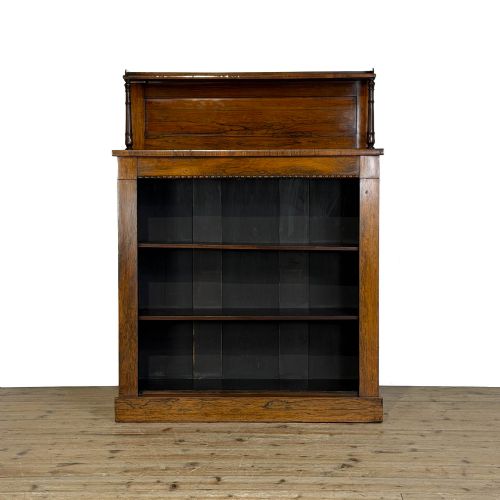
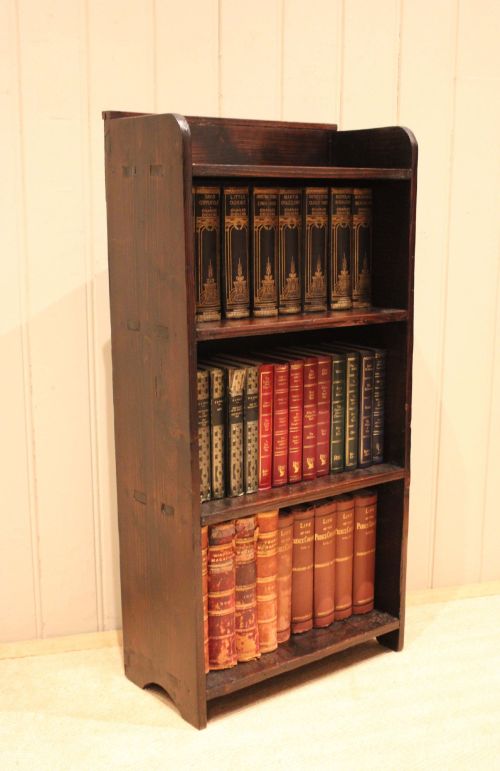
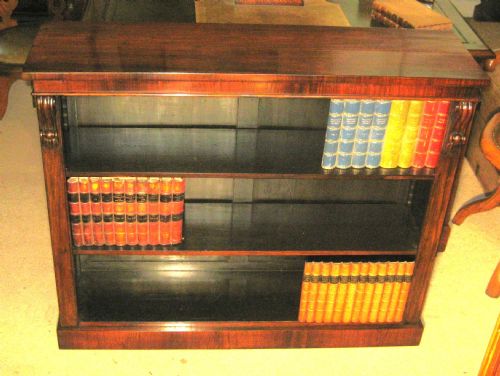
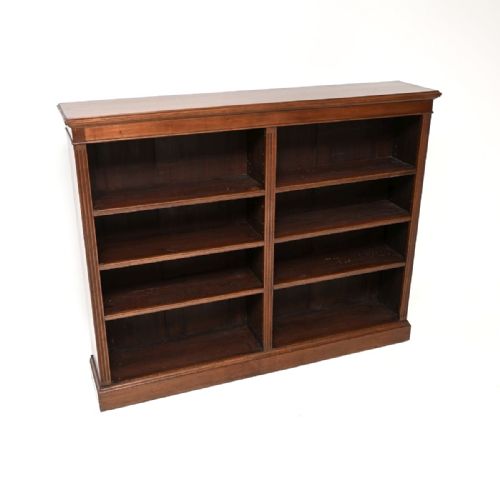
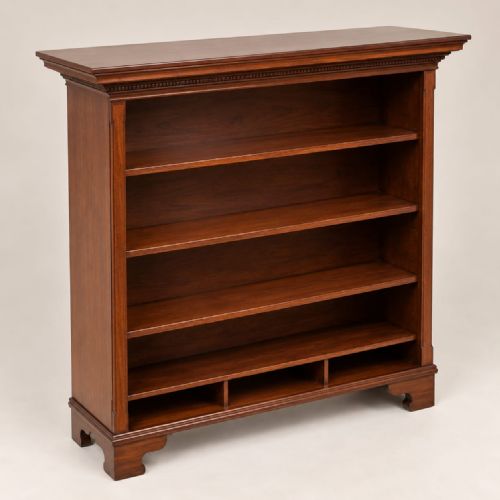
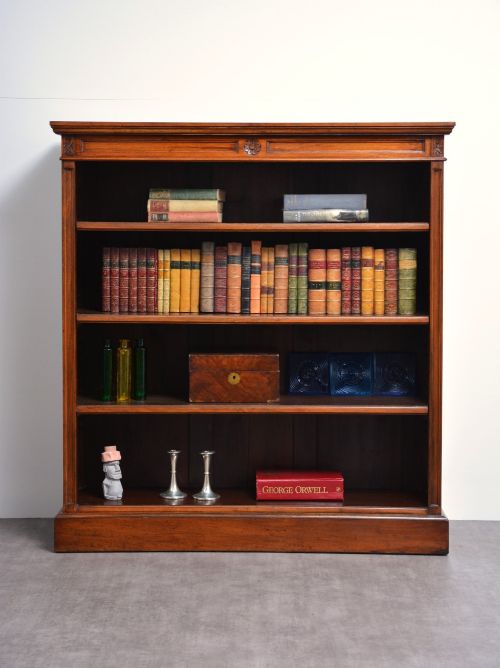
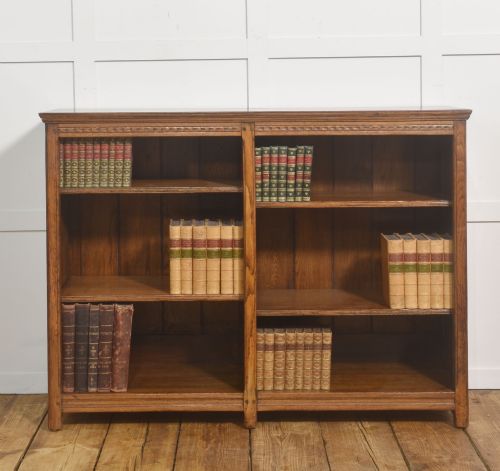
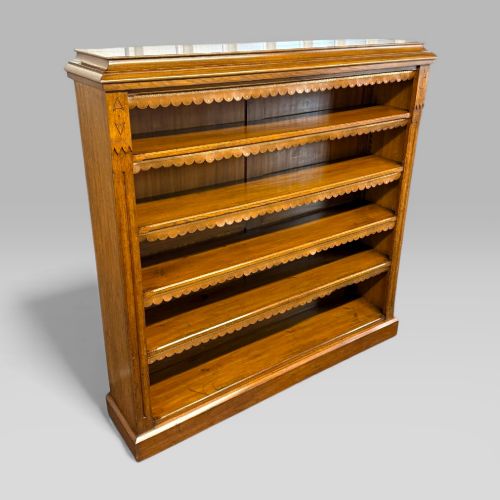
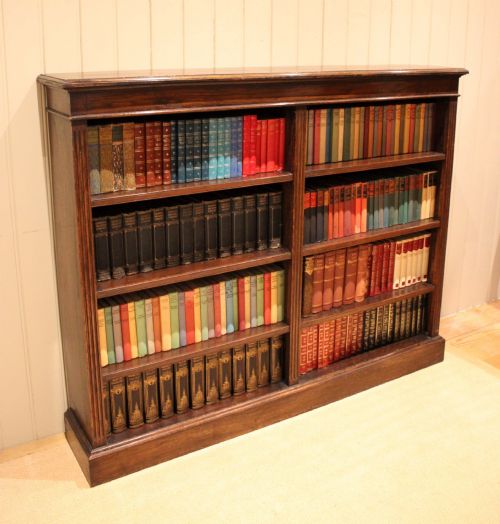
The version most commonly met on this page is the open bookcase, often constructed in mahogany, oak, or walnut. Many examples include adjustable shelves or stand as freestanding library furniture.
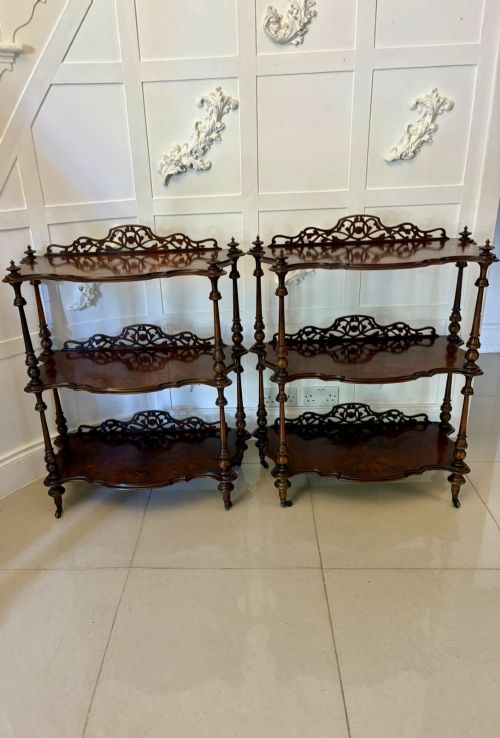
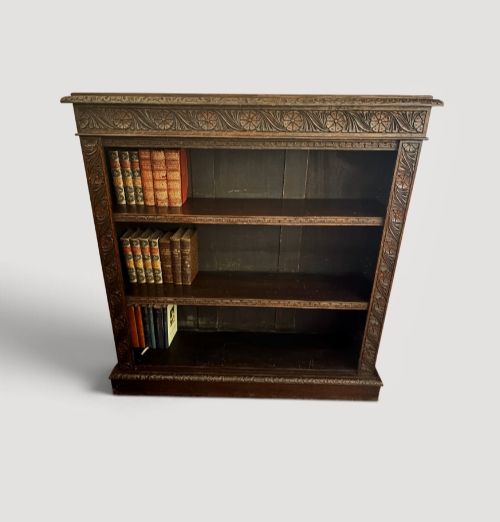
Makers and designers also produced etageres and whatnots in rosewood, burr walnut, and pine. Some pieces incorporate architectural details like carved oak or inlaid mahogany.
How they were made
Timber selection dictated the character of each piece, utilising hardwoods like mahogany, oak, walnut, rosewood, padauk, and teak alongside softer pine. Cabinetmakers matched these woods with brass hardware and occasionally castors.
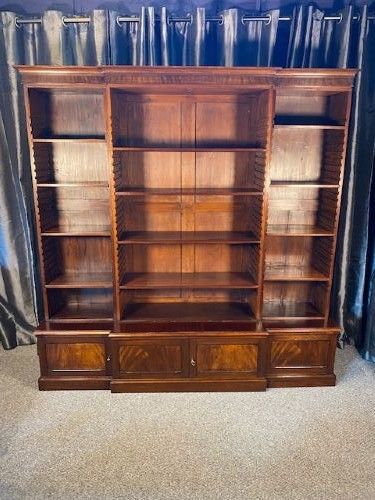
Construction techniques involved fixed or adjustable shelving systems, carved ornamentation, and occasional inlay work. Pieces ranged from slim three-tier etageres to large breakfront library bookcases.
Victorian Open Shelving Unit Retail Price Guide 2026
Typical asking prices for victorian open shelving unit among the pieces listed under this phrase on Sellingantiques today, from the lower quarter to the upper quarter. They describe what is for sale here now, not the wider market.
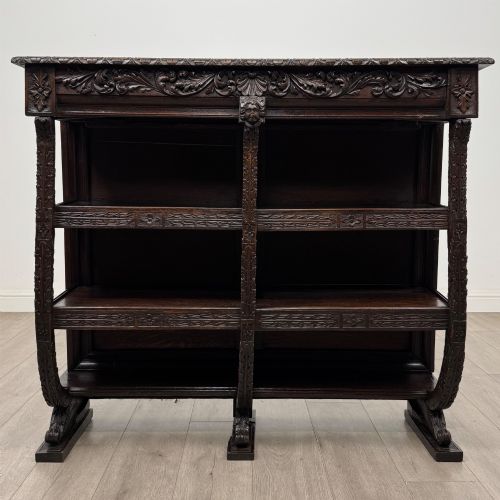
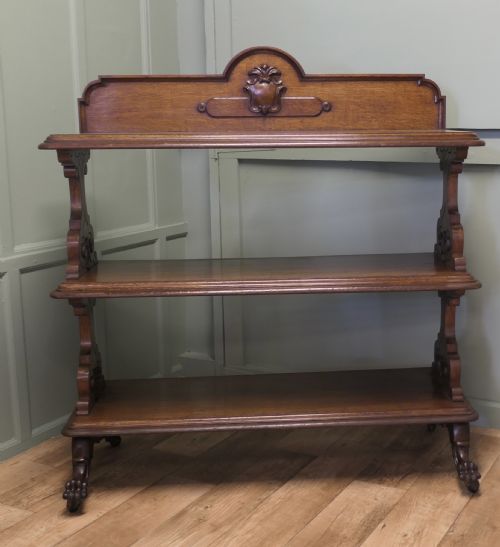
Keep an eye out for the green man hiding in the carved oak.
What varies in quality
The grade of timber and complexity of cabinetwork determine the standing of a victorian open shelving unit. Burr walnut, rosewood, and figured mahogany represent the finer end of material selection.
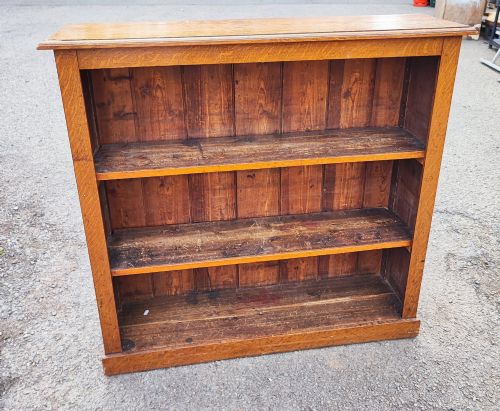
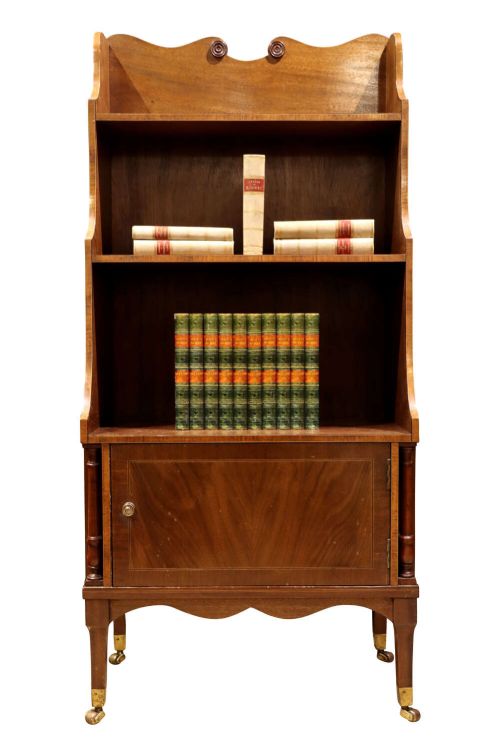
Design sophistication also separates examples, from simple rustic pine bookshelves to serpentine-shaped whatnots, carved oak bookcases, and inlaid waterfall cabinets fitted on brass castors.
The Victorian Open Shelving Unit Glossary
- Whatnot
- A moveable set of open shelves for displaying small objects or books. These pieces often feature multiple tiers supported by slender columns.
- Etagere
- A piece of furniture consisting of a set of open shelves for displaying ornaments. They appear in slim configurations and sometimes combine with buffet bases.
- Waterfall bookcase
- A standing set of open shelves where each tier steps back progressively from the one below. These often include side panels shaped in a curve.
- Breakfront
- A piece of furniture whose central section projects forward from the flanking sections. This configuration frequently appears on larger library bookcases.
- Adjustable shelves
- Shelving supported by moveable pegs or ratchets allowing height adjustment. This feature is common in nineteenth-century oak and mahogany bookcases.
Victorian Open Shelving Unit: Frequently Asked Questions
What rooms suit a victorian open shelving unit?
These pieces fit naturally into studies, sitting rooms, and libraries for housing book collections. Their open format makes them practical for everyday access.
Smaller formats like etageres and whatnots work well in tighter spaces for displaying decorative objects. Freestanding designs allow placement against any interior wall.
How do I identify different timber types?
Mahogany offers a dense, reddish-brown grain that deepens with age. Walnut and burr walnut display rich, figured patterns with darker brown tones.
Oak provides a prominent, coarse grain structure often enhanced through carving. Rosewood and padauk exhibit heavier density and deep reddish-purple colouration.
Did these units always have adjustable shelves?
Many nineteenth-century examples incorporate adjustable shelving mechanisms to accommodate varying book sizes. This utility was standard in larger library bookcases.
Simpler or rustic pieces often relied on fixed shelves. Smaller whatnots and etageres generally used stationary tiers designed for display rather than heavy storage.
How do bookcases differ from whatnots?
Bookcases focus primarily on linear shelf space for storing volumes, often framed by solid sides and architectural cornices. They prioritise structural capacity for books.
Whatnots and etageres emphasise tiered display surfaces supported by turned pillars or open frameworks. They were traditionally intended for ornaments and curiosities.