



Antique Amboyna Furniture
Antique amboyna furniture brings rich, speckled grain and deep golden-brown tones into a room through desks, tables, and cabinets.
Antique Amboyna Furniture
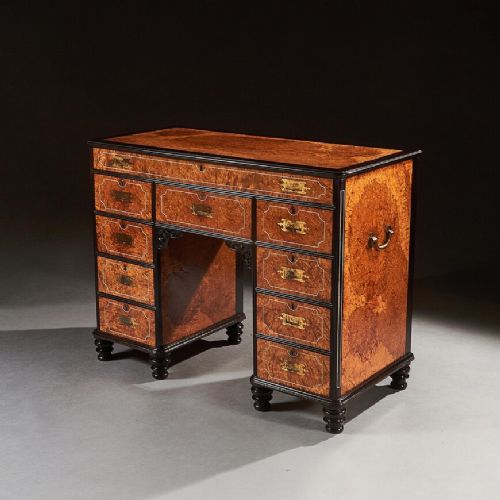
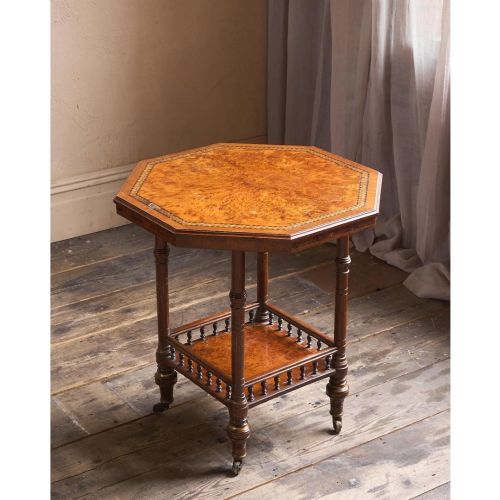
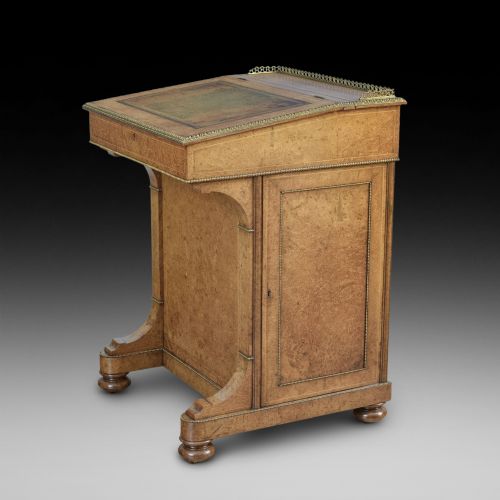
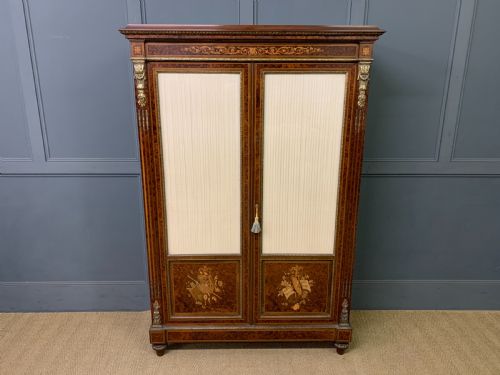
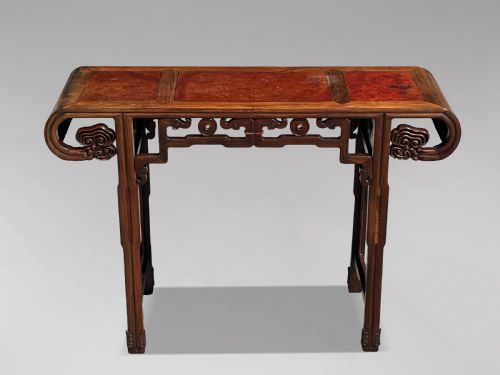
When someone looks for antique amboyna furniture, they encounter pieces built predominantly during the nineteenth century, with Victorian and Regency examples appearing frequently alongside French Napoleon III and Chinese Export works. The selection spans utilitarian writing desks and davenports to decorative etageres, side cabinets, and centre tables.
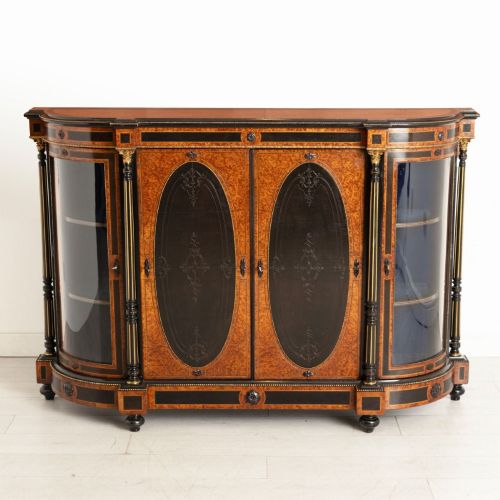
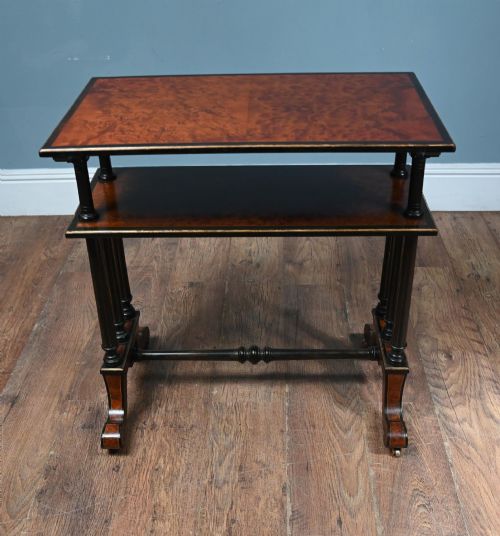
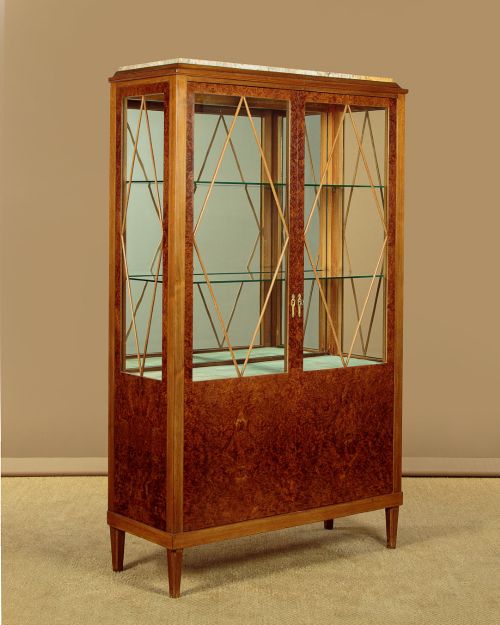
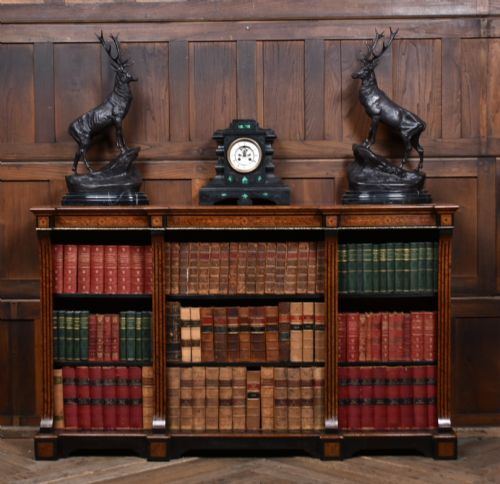
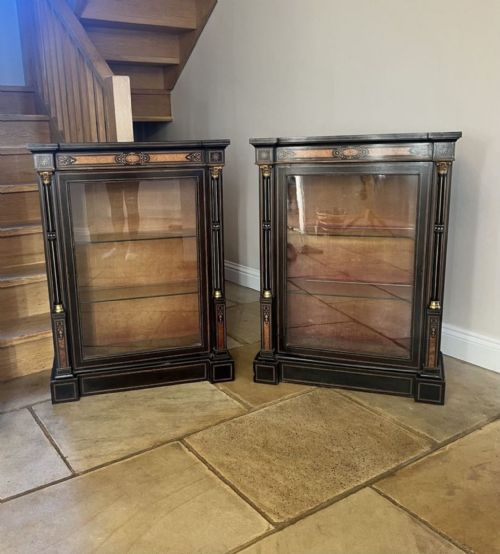
The nineteenth-century pieces dominate the selection, manifesting as small occasional tables, large breakfront library desks, and pier display cabinets fitted with glass and porcelain. Earlier seventeenth-century cabinet work also surfaces, demonstrating the long-standing appreciation for this exotic timber in high-status interior decoration.
Materials and construction
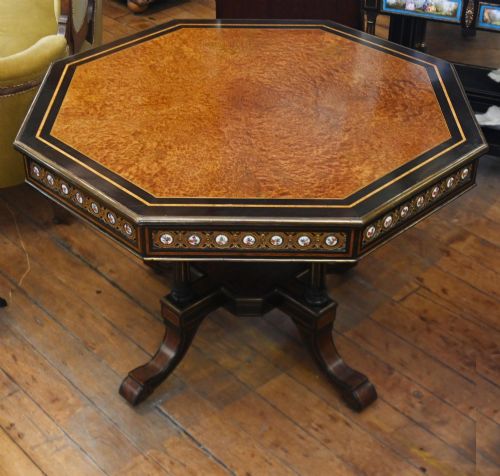
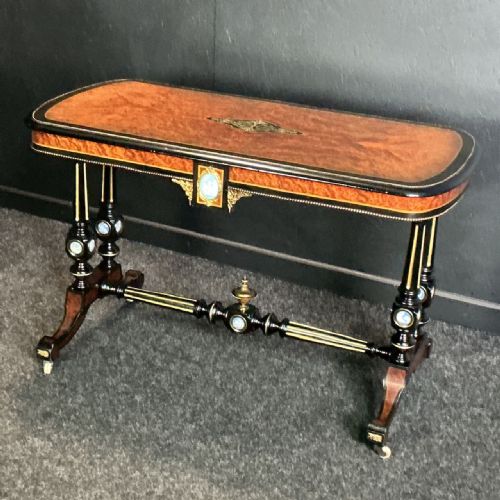
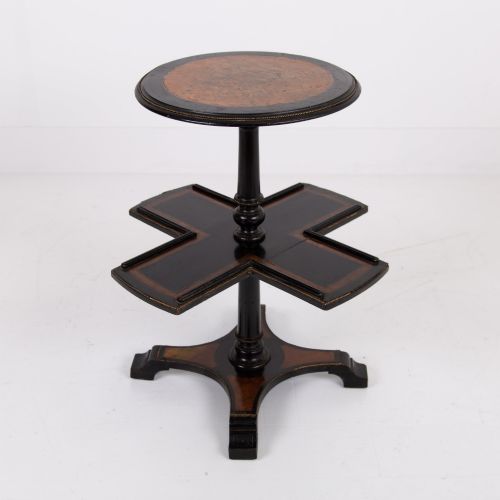
Makers utilised amboyna veneer over supportive secondary woods, often selecting burr amboyna for its characteristic mottled, eye-like patterns and warm hues. This timber frequently appears paired with ebonised wood to create strong visual contrast.
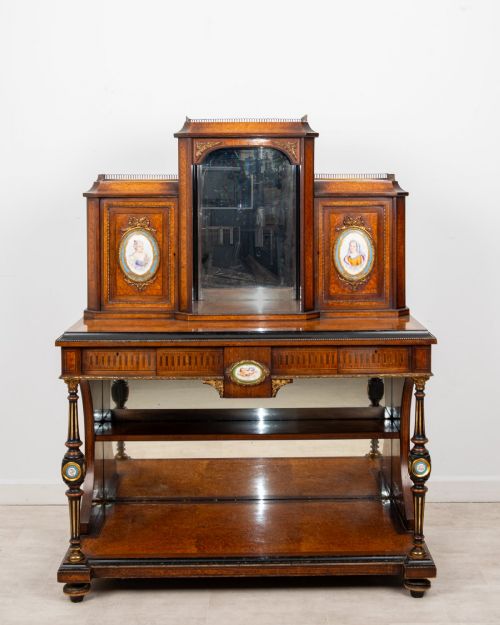
Metal and ceramic details recur throughout the construction, incorporating brass mounts, ormolu, gilt bronze, and inset porcelain plaques. Secondary elements include leather writing surfaces and glass door panels within bookcases and display cabinets.
Antique Amboyna Furniture Retail Price Guide 2026
Typical asking prices for amboyna furniture among the pieces listed under this phrase on Sellingantiques today, from the lower quarter to the upper quarter. They describe what is for sale here now, not the wider market.
Burr amboyna timber often displays swirling, eye-like patterns that resemble tiny, organic galaxies trapped beneath the French polish.
Evaluating craftsmanship
The standard of antique amboyna furniture rests on the selection and matching of the veneer figures across prominent surfaces like desk lids and tabletop centres. Superior examples display symmetrical grain patterns that flow evenly across drawers and doors.
Integration of secondary materials dictates overall refinement, distinguishing workshop output. Finely cast ormolu mounts, precise brass stringing, and the crisp execution of ebonised details separate standard production items from distinguished library desks and display cabinets.
Gillows·Lamb of Manchester·Gregory and Co
The Antique Amboyna Furniture Glossary
- Amboyna veneer
- A thin slice of wood cut from the burr of the amboyna tree, prized for its swirling, speckled figure and warm golden-brown coloration. It provides the decorative primary surface on nineteenth-century cabinets and desks.
- Ebonised wood
- Timber treated with a dark finish to imitate ebony. Cabinet makers used this technique to frame and contrast the lighter, figured amboyna sections.
- Ormolu
- Gild bronze mounts applied to furniture for decorative effect. These metal ornaments accent the corners and friezes of French writing tables and cabinets.
- Davenport
- A compact pedestal desk featuring a sloping writing lid above a set of drawers. They often incorporate amboyna veneer and brass galleries.
Antique Amboyna Furniture: Frequently Asked Questions
What is amboyna wood?
Amboyna is an exotic Southeast Asian timber known for its dense, highly figured burr growth which yields a speckled golden-brown surface.
Cabinet makers utilised this decorative veneer on high-status nineteenth-century desks, tables, and display cabinets.
How do I care for amboyna furniture?
Protect the veneered surfaces from direct sunlight and fluctuating humidity to prevent the wood from drying out or splitting.
Dust regularly with a dry cloth and avoid harsh chemical polishes that can damage the nineteenth-century finish.
Where was amboyna furniture made?
The pieces originate from British, French, and Chinese workshops active during the nineteenth century and earlier periods.
English makers such as Gillows and French cabinet makers utilised the imported timber for luxury domestic interiors.
What styles use amboyna wood?
The timber appears across Regency, Victorian, Aesthetic Movement, and French Napoleon III designs.
Makers combined the figured wood with ebonised framing, brass mounts, and porcelain plaques to suit contemporary tastes.