
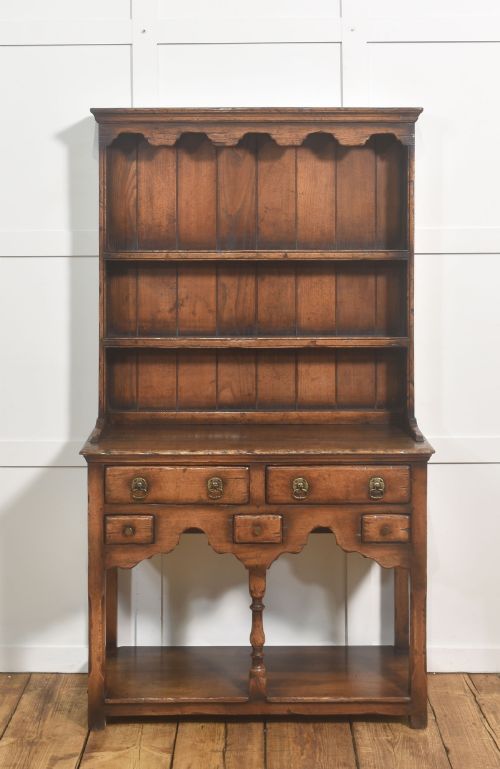
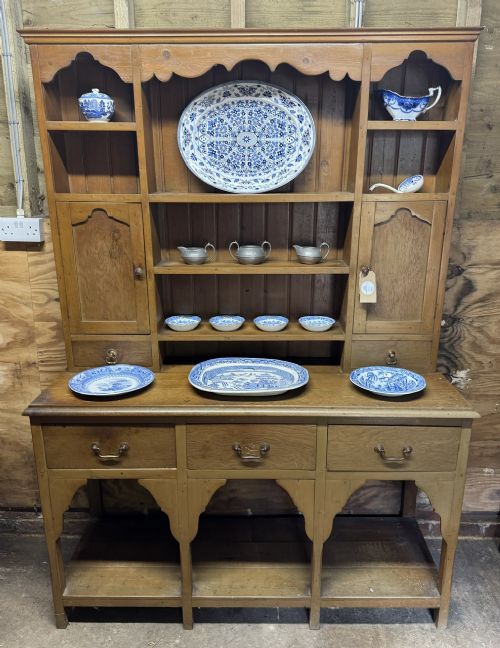
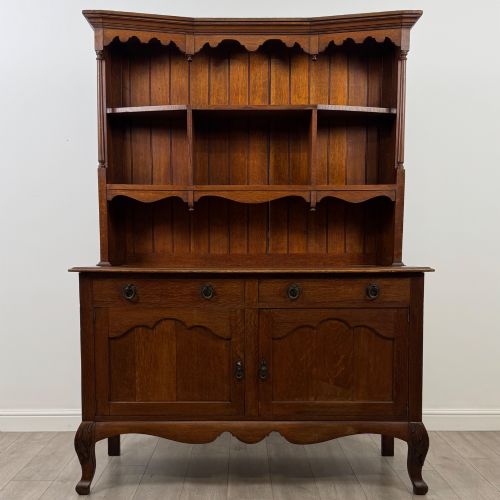
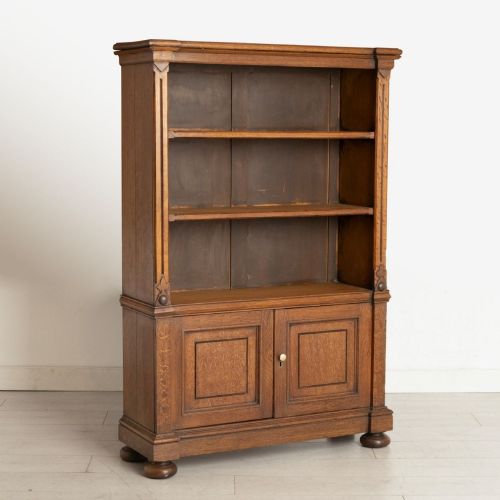
Antique Open Dresser
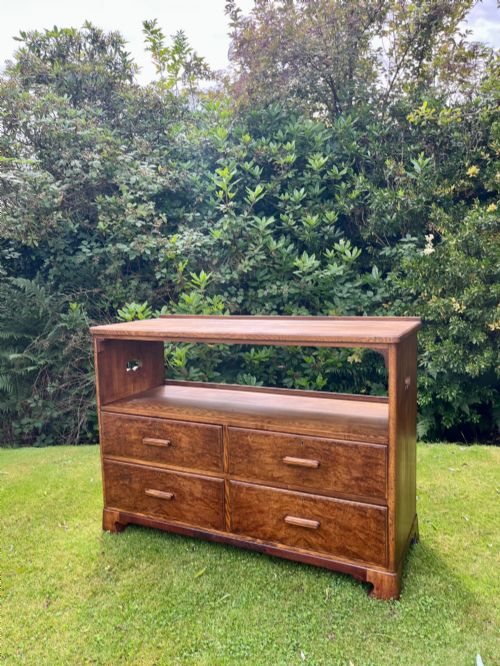
An antique open dresser brings utility and heritage to a room, offering open shelving above storage for display and everyday use.
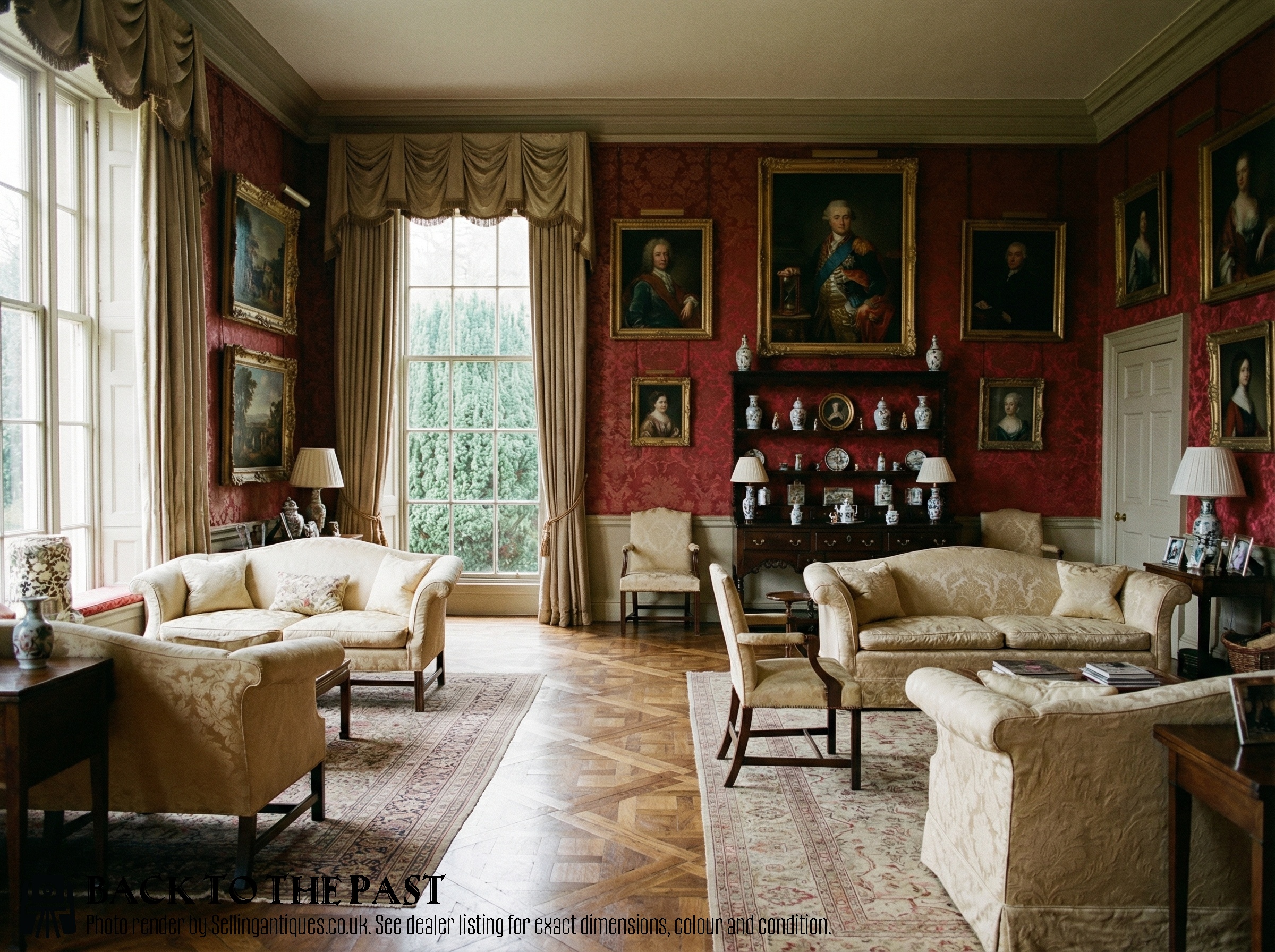
Antique Open Dresser
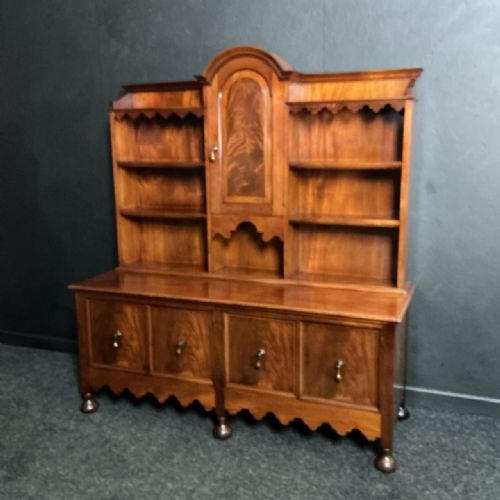
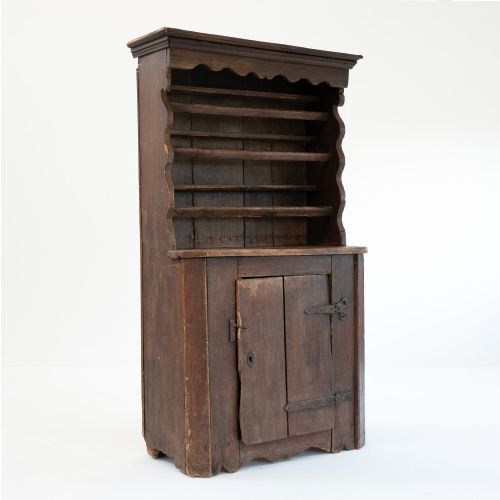
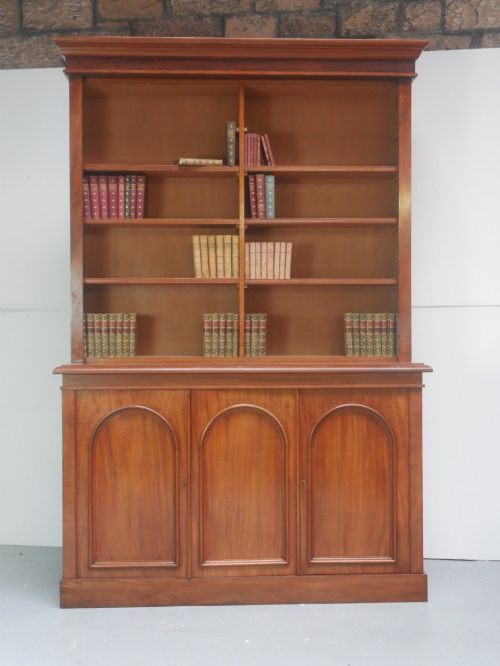
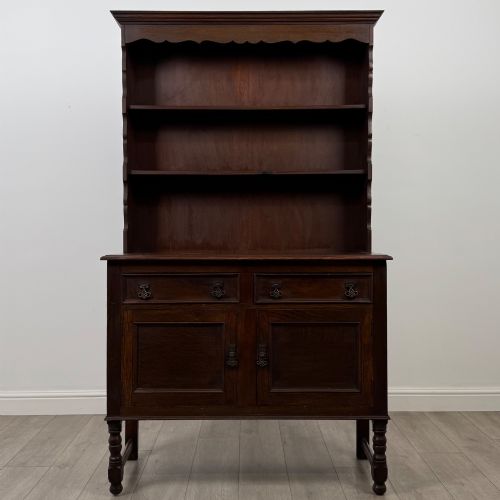
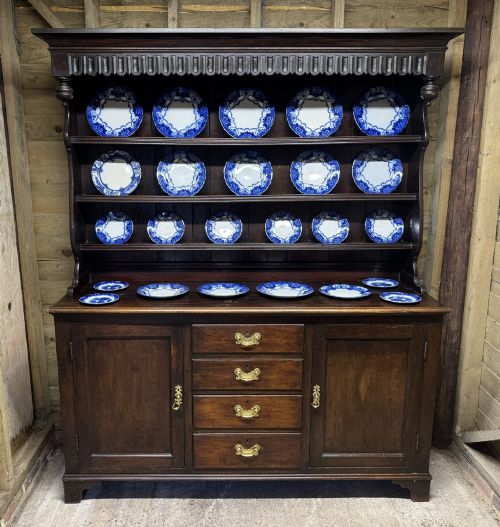
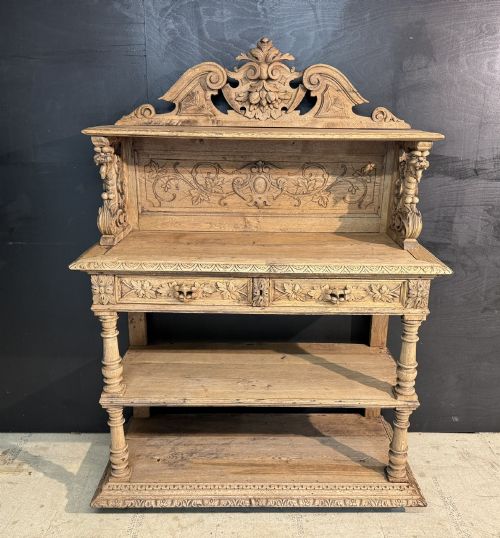
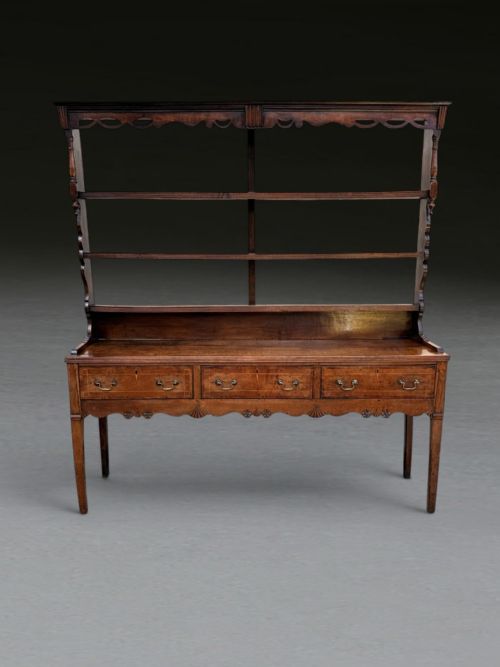
An antique open dresser combines a lower base of drawers and cupboards with an upper tier of open plate racks or shelves, designed originally for kitchen and dining spaces. You will frequently encounter examples from the eighteenth and nineteenth centuries, spanning Georgian, Victorian, and Edwardian periods.
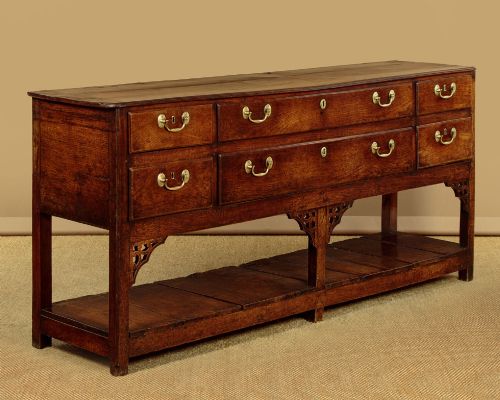
Regional variations dominate this category, particularly pieces originating from Wales, Ireland, Scotland, and English provincial workshops. These items range from sturdy potboard bases to grander oak and pine forms built for practical domestic storage.
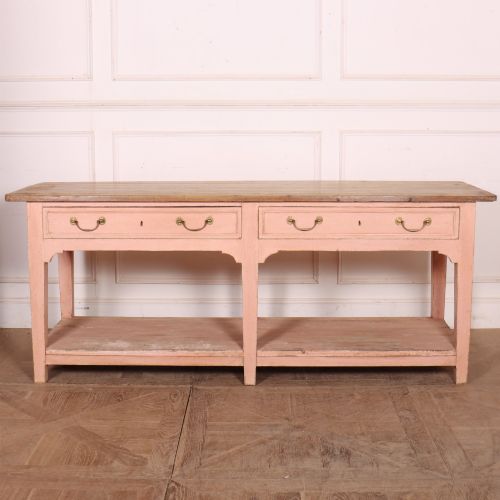
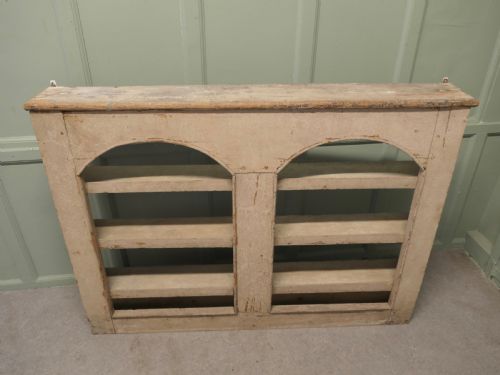
The style extends to regional vernacular designs, including Welsh vernacular pieces, rustic farmhouse furniture, and country styles featuring original paint or patinated wood surfaces.
How they were made
Cabinetmakers relied heavily on native timbers such as oak, pine, elm, and mahogany, constructing sturdy carcasses with traditional joinery. Potboard bases and dresser bases often incorporate solid planks for tops and shelves, whilst backboards are typically assembled from vertical panels.
Surface treatments vary from polished wood showing rich natural grain to early layers of paint. Hardware ranges from simple wooden knobs to brass drop handles, depending on the period and regional workshop.
Antique Open Dresser Retail Price Guide 2026
Typical asking prices for open dresser among the pieces listed under this phrase on Sellingantiques today, from the lower quarter to the upper quarter. They describe what is for sale here now, not the wider market.
What varies in quality
Proportion and timber selection separate finer provincial pieces from utilitarian workshop output. Superior examples display well-figured oak, walnut, or mahogany, alongside harmonious ratios between the lower cabinet and the upper rack.
Originality of surface and structure defines the standing of a piece. Retaining the original plate rack, backboards, and early hardware significantly elevates a dresser's integrity compared to examples with later replacements.
Whytock and Reid·Gillows
The Antique Open Dresser Glossary
- Potboard
- A low open shelf positioned beneath the main base of a dresser, originally intended for storing pots and pans. This lower platform is a defining feature of many eighteenth-century country examples.
- Plate rack
- The upper open-shelved superstructure attached to a dresser base, designed to display ceramic plates upright. Grooved plate rails hold dishes safely in place.
- Bread and cheese cupboard
- A regional vernacular form incorporating pierced or louvered panels for ventilation. These compartments kept dairy and dried foods fresh before refrigeration.
- Patina
- The surface sheen and colour developed through decades of cleaning, handling, and wax application. A rich patina indicates age and continuous domestic use.
Antique Open Dresser: Frequently Asked Questions
What is an open dresser?
An open dresser is a piece of furniture featuring a lower section with drawers or cupboards and an upper open-shelved rack. It serves both storage and display functions.
Historically placed in kitchens or dining rooms, these units held tableware, serving dishes, and daily provisions.
How do I date an antique dresser?
Dating relies on timber species, construction methods, hardware, and stylistic traits. Eighteenth-century pieces often show hand-sawn timbers and pegged joints.
Later Victorian and Edwardian examples utilise machine-sawn boards and different joining techniques, whilst regional traits help narrow down the origin.
Are the plate racks original?
Many dressers retain their matching upper racks, though some bases survived centuries separated from their original top sections. Inspecting timber age, fixings, and wear patterns reveals whether the base and rack grew up together.
Matched pairs are common in the antique market when original upper sections did not survive.
How do I care for antique wood?
Keep wooden furniture away from direct heat sources and rapid humidity shifts to prevent timber splitting. Regular dusting with a soft cloth maintains the surface.
Applying a traditional beeswax polish periodically nourishes the grain without building up heavy chemical residues.