

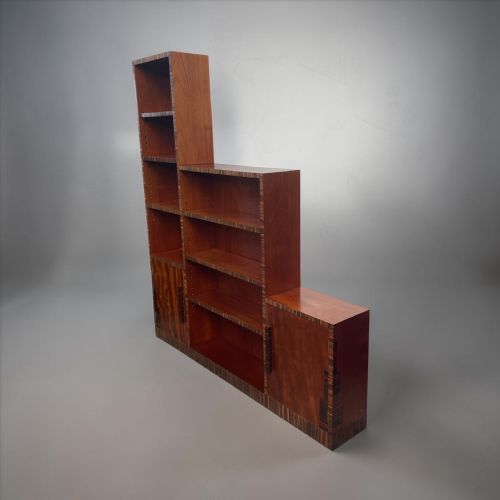
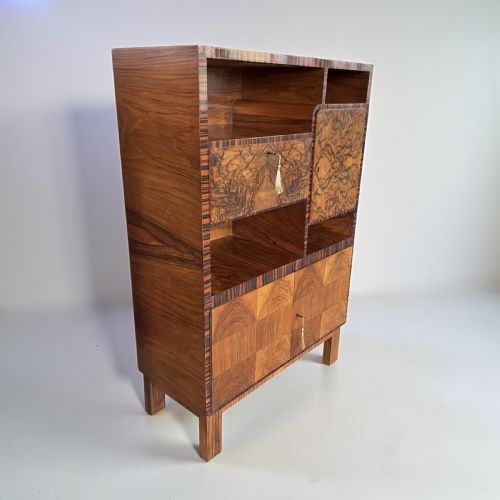


Vintage Veneer Bookcase
A vintage veneer bookcase brings rich wood grains and period character to a room, offering practical shelving paired with distinct design history.
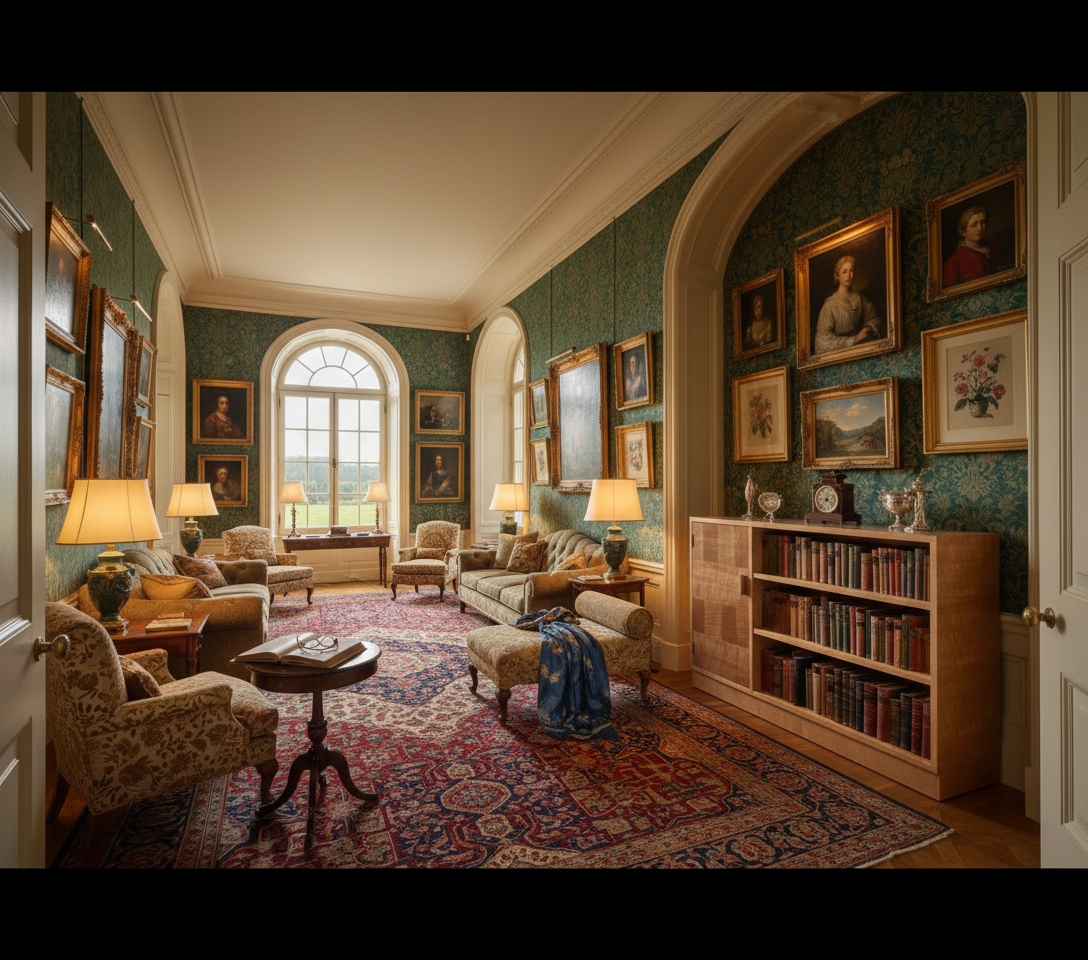
Vintage Veneer Bookcase
When you search for a vintage veneer bookcase, you are looking at items spanning from the nineteenth century through to the Art Deco period of nineteen thirty. The selection includes bureau bookcases, display cabinets, and tall shelving units formed in various woods.
You are most likely to meet pieces finished in walnut veneer or rosewood veneer alongside examples in yew wood, mahogany, and oak. Styles range from Victorian and Edwardian designs to Swedish Grace and Italian Art Deco forms.
Construction and materials
These pieces utilise fine decorative veneers applied over hardwood or softwood carcases, creating striking grain patterns across flat surfaces and curved tiers. Artisans incorporated glass panels into doors, alongside brass fittings and patinated marble tops.
Cabinetmakers shaped these items into stepped Art Deco silhouettes and traditional upright forms. Selected pieces feature hand-painted lettering and specialised compartmentalisation for functional storage.
Materials recorded on this page include walnut, rosewood, yew wood, mahogany, oak, brass, glass, and marble.
Judging quality and finish
Quality rests upon the selection and matching of the veneer figures across the primary surfaces, where thoughtful placement creates symmetrical patterns. The integrity of the underlying joinery and the preservation of the original polish dictate the visual strength of the piece.
The sophistication of the period styling, from restrained nineteenth-century proportions to bold nineteen-thirties stepped architecture, defines the standing of each cabinet within its era.
Sandberg & Co
The Vintage Veneer Bookcase Glossary
- Veneer
- A thin layer of figured wood applied to a primary timber base to provide a decorative surface. This technique allows cabinetmakers to utilise striking grain patterns that solid timber construction might not support.
- Art Deco
- A design style prominent around nineteen thirty characterised by geometric shapes, stepped forms, and streamlined silhouettes. It represents a sharp departure from earlier nineteenth-century ornamentation.
- Bureau Bookcase
- A dual-purpose piece combining a sloping desk flap for writing with upper shelving for books. It typically includes internal pigeonholes and enclosed lower storage.
- Swedish Grace
- A refined classicist style bridging traditional craftsmanship and early modernism. Pieces from this movement display balanced proportions and understated elegance.
- Patinated Marble
- Stone surfaces showing natural ageing and gentle wear accumulated over decades of use. This material often tops nineteenth-century softwood and hardwood cabinets.
Vintage Veneer Bookcase: Frequently Asked Questions
What periods do these bookcases cover?
The available pieces span the nineteenth century, the Edwardian era, nineteen ten, and the nineteen thirties. This covers a broad evolution from traditional Victorian and Georgian styles to modernist Art Deco.
Each period brings distinct structural forms, ranging from softwood and rosewood constructions to walnut stepped shelving and Swedish Grace cabinets.
How do I identify Art Deco pieces?
Art Deco items, dating around nineteen thirty, typically feature stepped profiles and bold geometric lines. They often utilise striking walnut veneers and large glass display doors.
These designs prioritise streamlined silhouettes over heavy carving, marking a distinct shift in twentieth-century cabinetmaking.
What woods are commonly used?
Listings feature walnut, yew wood, rosewood, mahogany, and oak. These timbers appear both as solid structures and as decorative veneers over hardwood carcases.
The choice of wood directly influences the grain pattern and the overall visual weight of the bookcase.
Are bureau bookcases practical for daily use?
A bureau bookcase combines open shelving with a dedicated writing surface and enclosed compartments. This dual function provides both display space and practical storage for paperwork.
They suit studies and living areas where floor space is shared between books and desk activities.