

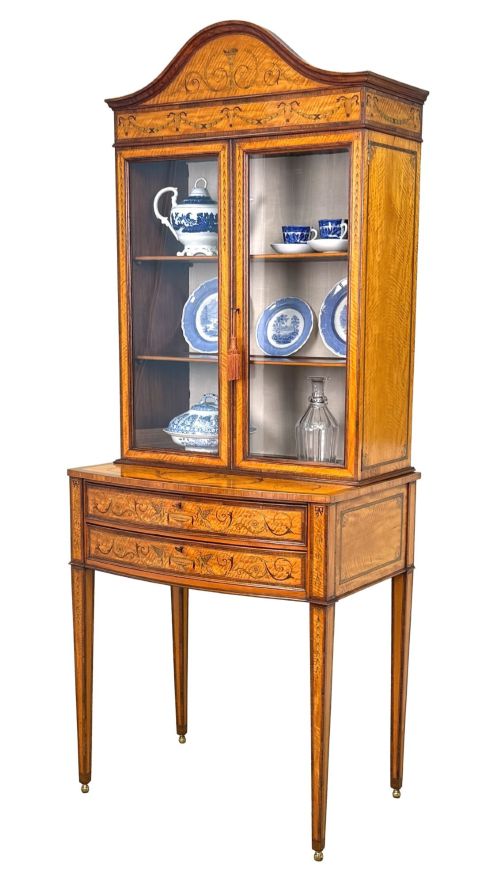
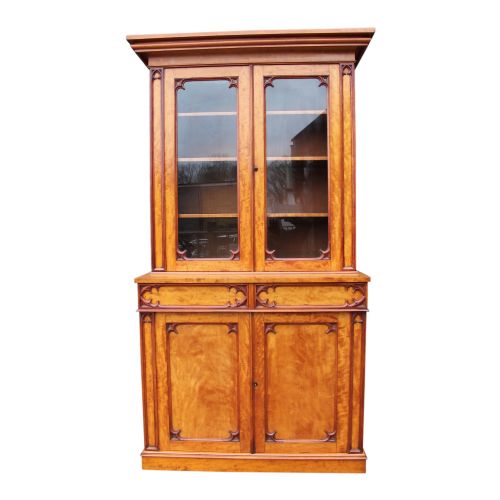
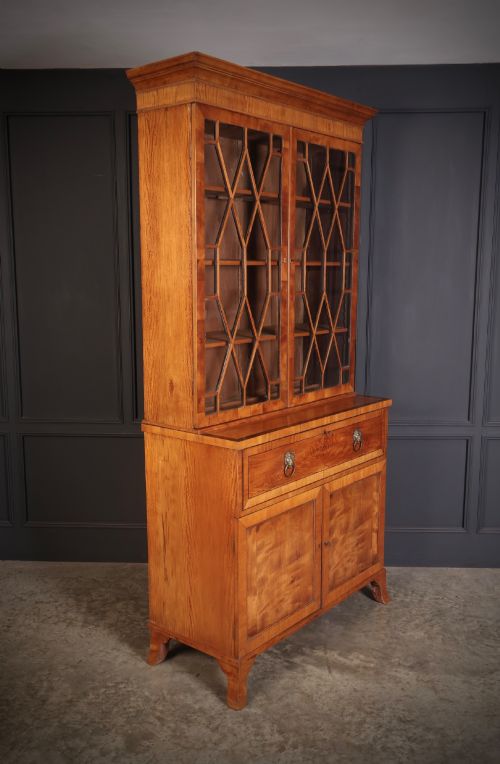
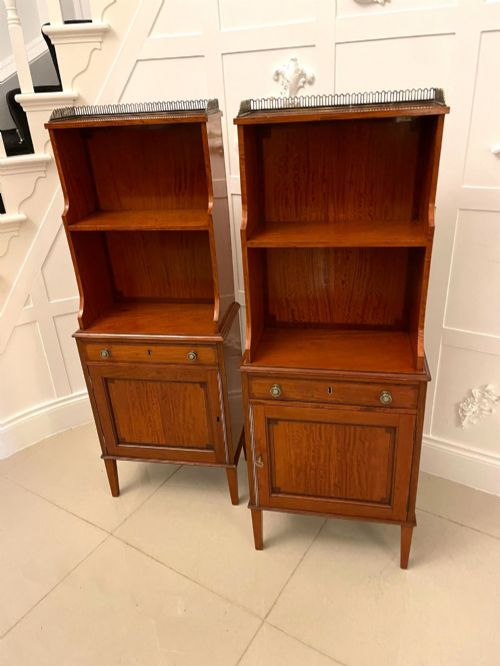
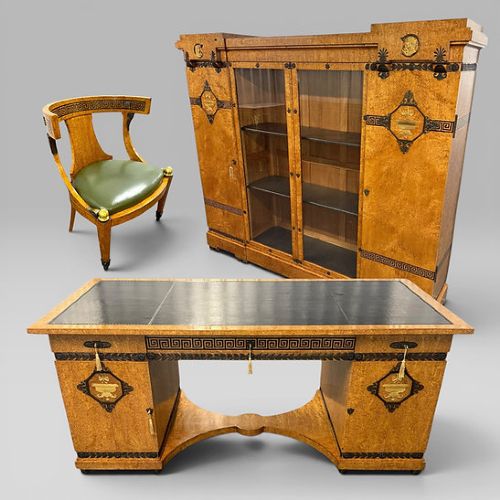
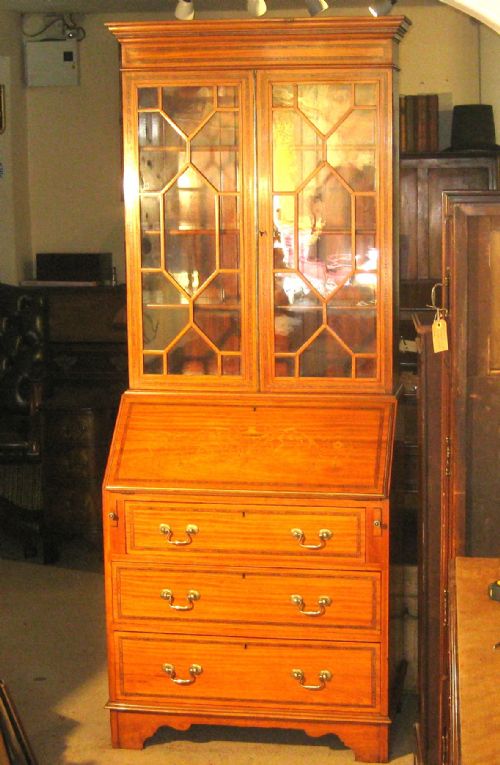
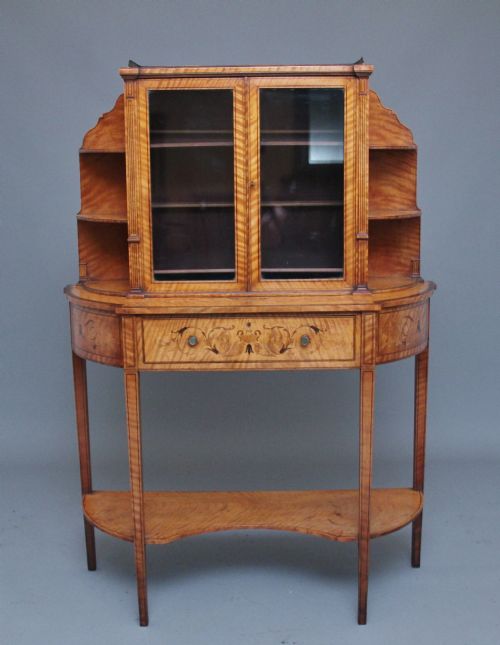

Golden Satinwood Bookcase
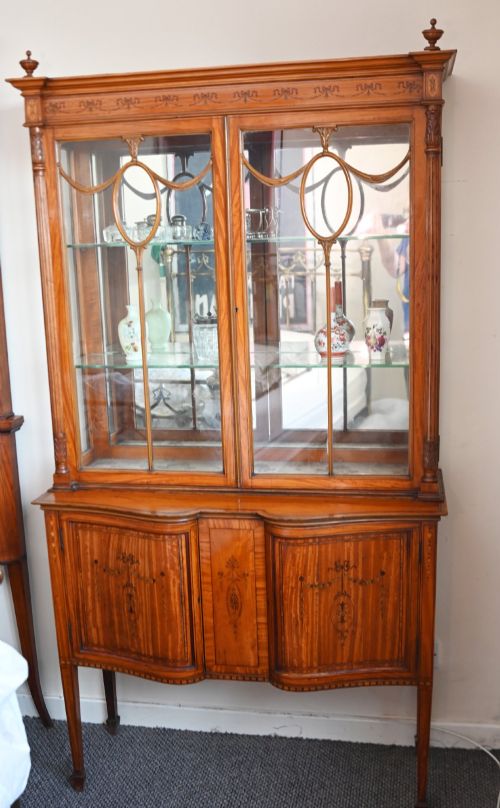
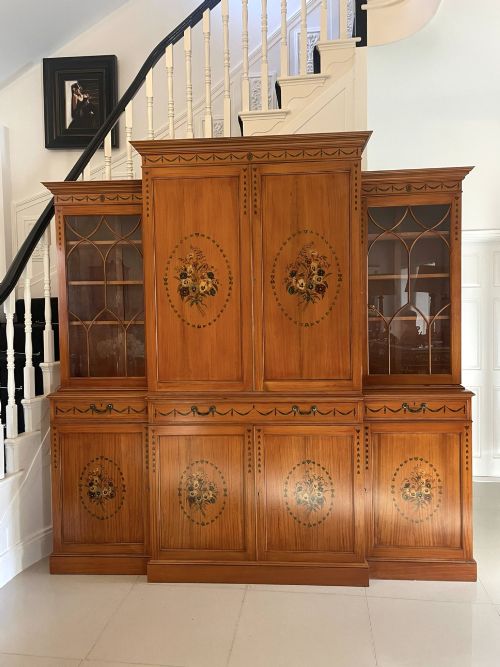
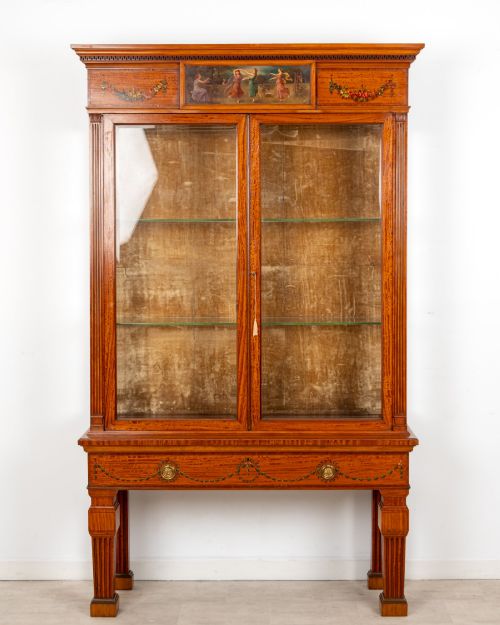
A golden satinwood bookcase brings luminous warmth and refined marquetry into a room, offering both practical storage and a sophisticated display.

Golden Satinwood Bookcase
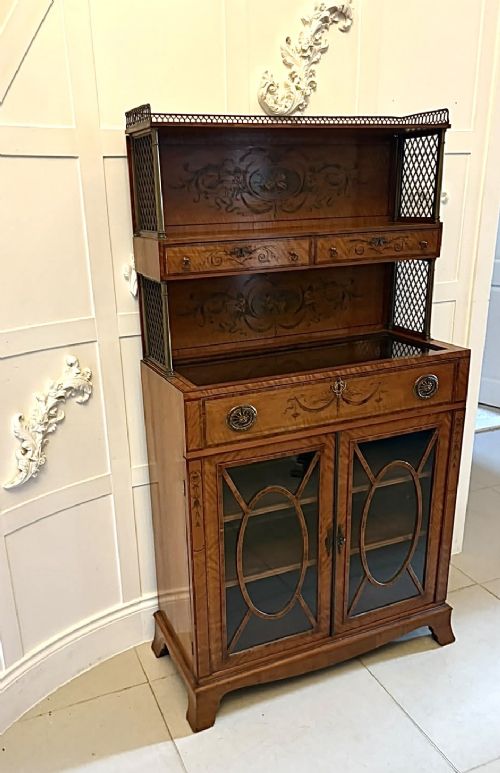
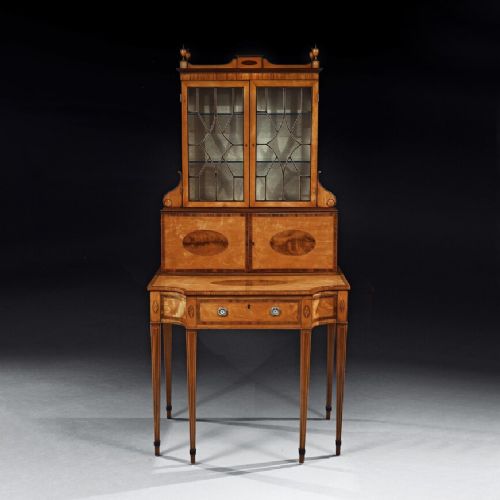
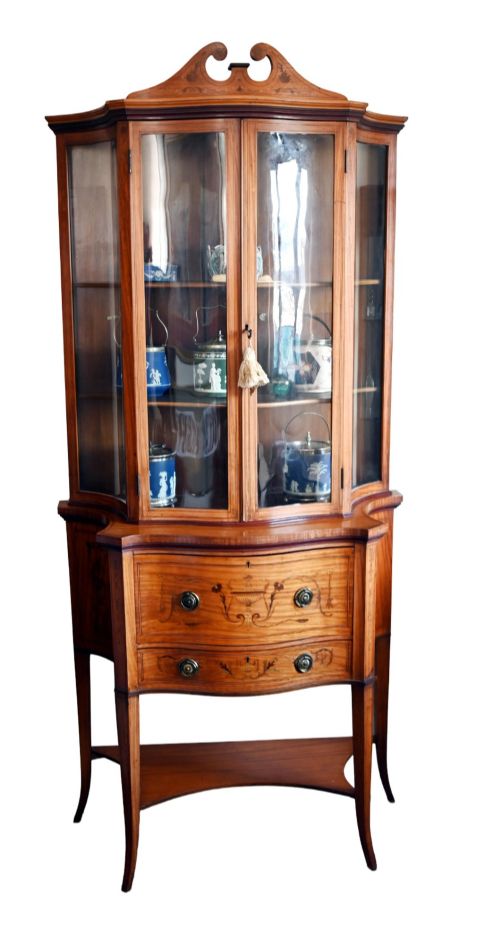
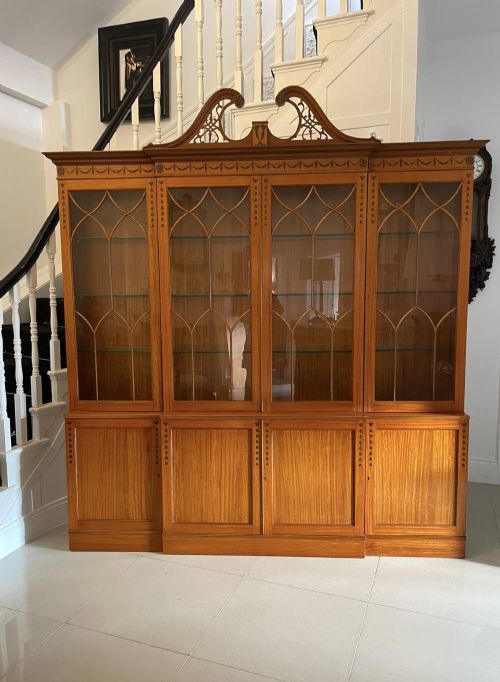
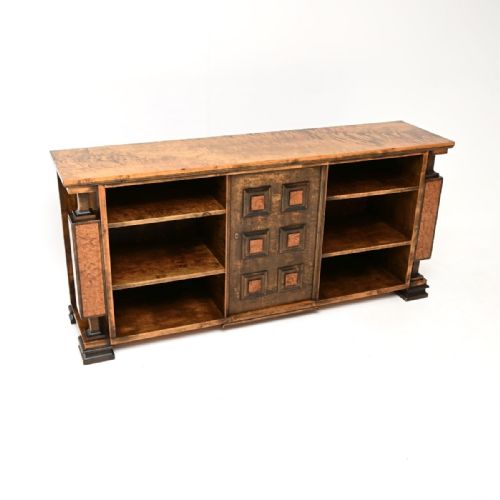
A golden satinwood bookcase combines figured tropical timber with forms ranging from compact revolving designs to large breakfront display cabinets. Buyers seeking this phrase encounter pieces spanning the Georgian, Victorian, and Edwardian periods, alongside later twentieth-century interpretations.
Open shelving and hanging variants also appear alongside enclosed cabinets with glass panels or cylinder fronts. These forms reflect centuries of cabinetmaking ambition, from eighteenth-century George III workshops to late nineteenth-century Sheraton Revival revivals.

Materials and construction methods
Makers utilised satinwood veneers laid over sturdy secondary timbers, often accentuating the grain with contrasting bandings of darker woods. This lustrous surface frequently pairs with intricate marquetry, brass hardware, and fine glass panes set into glazed doors.
Structural joinery relied on traditional techniques such as dovetailing for drawers and mortise and tenon frames for carcases. Cabinetmakers also employed steam-bending for curved components like bow fronts and cylinder sections on secretaire desks.
Golden Satinwood Bookcase Retail Price Guide 2026
Typical asking prices for golden satinwood bookcase among the pieces listed under this phrase on Sellingantiques today, from the lower quarter to the upper quarter. They describe what is for sale here now, not the wider market.
Assessing quality and craftsmanship
Quality rests upon the selection of the timber, where highly figured, chatoyant grain commands greater admiration than plain surfaces. The precision of the marquetry and the crispness of any inlaid stringing further separate standard production from exceptional work.
Construction integrity distinguishes master workshops from lesser makers, visible in the smooth operation of cylinder flaps, secretaire drawers, and heavy breakfront doors. Original brass fittings, hand-painted details, and intact glazed panels preserve the integrity of the piece.
Hampton & Sons·Edwards & Roberts·Gillows·Mercier Frères·Maple & Co.
The Golden Satinwood Bookcase Glossary
- Satinwood
- A durable hardwood known for its golden colour and reflective, satin-like sheen. It forms the primary visible surface on these cabinets and is frequently enhanced with inlay.
- Secretaire
- A cabinet or bookcase featuring a pull-down writing flap that conceals small drawers and pigeonholes. This hybrid form offers a concealed desk space within a tall bookcase structure.
- Marquetry
- Decorative veneer patterns assembled from various woods, shells, or ivories to create pictorial or geometric designs. Craftsmen apply these intricate sheets onto the primary carcase.
- Breakfront
- A large cabinet design where the central section projects forward from the flanking wings. This architectural arrangement creates depth and breaks up the linear facade of a large bookcase.
- Astral glazing
- Cabinet doors divided into multiple small glass panes by slender wooden bars, often arranged in Gothic or geometric lattice patterns. This technique showcases the contents while keeping them enclosed.
Golden Satinwood Bookcase: Frequently Asked Questions
What is a bureau bookcase?
A bureau bookcase combines a sloping writing flap or pull-down secretaire drawer with shelving above for books. This dual-purpose form allows a person to write letters and store a library within a single tall piece of furniture.
Such cabinets often feature interior pigeonholes and small drawers behind the main writing surface. They serve well in studies or living rooms where floor space is at a premium.
How do I date a satinwood piece?
Dating relies on architectural proportions, secondary woods, and stylistic revivals present in the construction. Georgian pieces display restrained classical lines, while late nineteenth-century Sheraton Revival items often incorporate heavier marquetry and brighter finishes.
Examining drawer linings, backboards, and hinge types helps confirm the period of manufacture. Cabinetmakers changed their methods across decades, leaving clues in the fixings and assembly.
Where should I place a display cabinet?
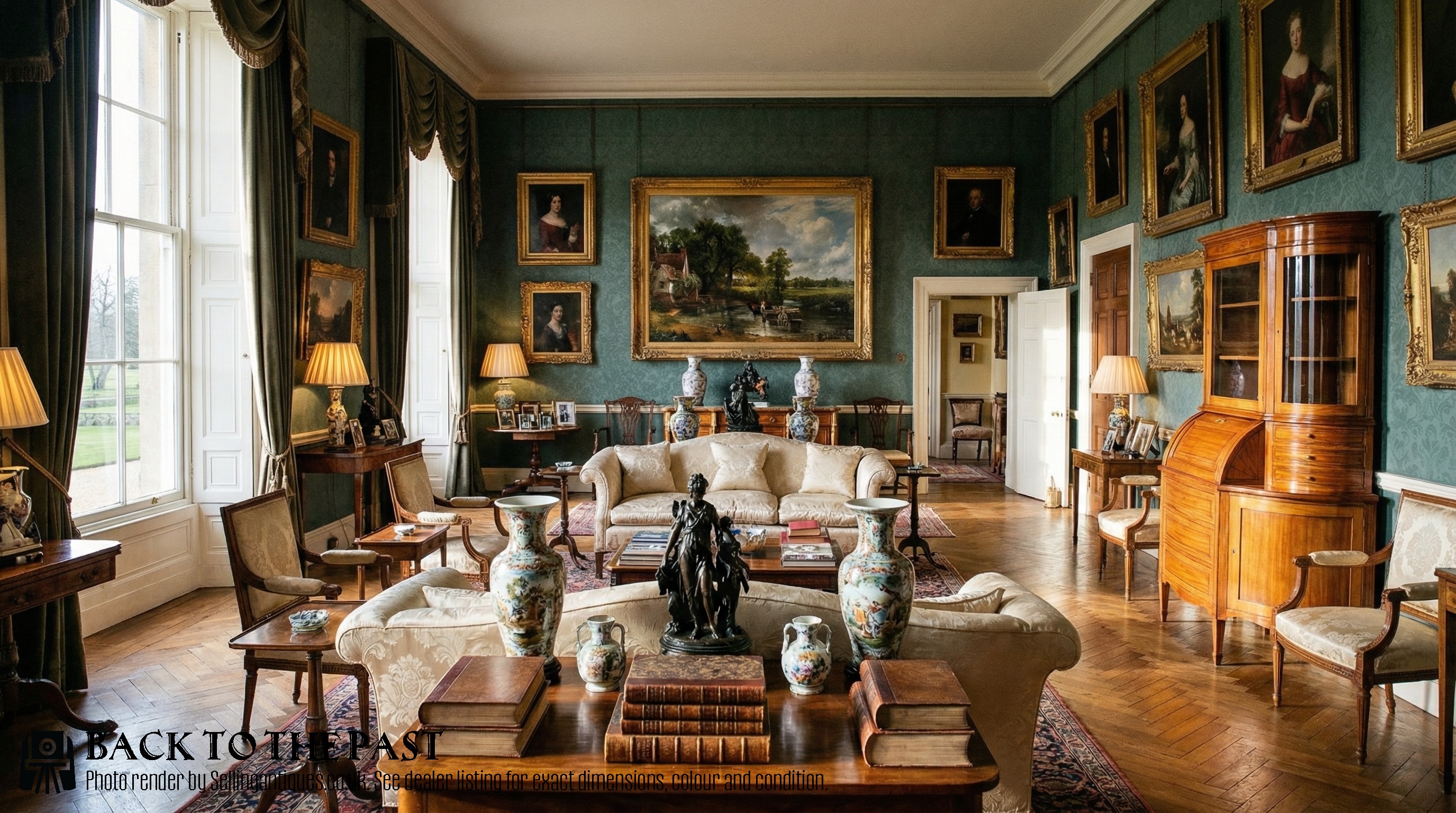
A display cabinet needs a stable spot away from direct sunlight to protect the sensitive satinwood veneer from fading. Placing it against an interior wall prevents extreme temperature fluctuations from warping the timber.
Rooms with controlled humidity help maintain the condition of both the wood and any delicate glass panels. Adequate ambient lighting allows the reflective grain and inlaid decoration to be appreciated fully.
How do I care for satinwood surfaces?
Maintaining satinwood involves dusting with a soft, dry cloth and applying traditional beeswax sparingly to nourish the polish. Avoid using modern silicone sprays or placing damp items directly on the wood.
Keeping the furniture away from direct heat sources prevents the timber from drying out and cracking. Gentle cleaning preserves the natural golden lustre and protects the underlying marquetry.