
Open Display Shelving
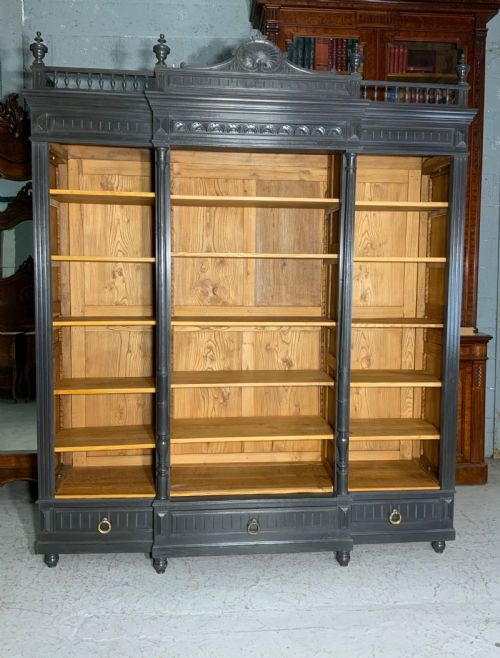
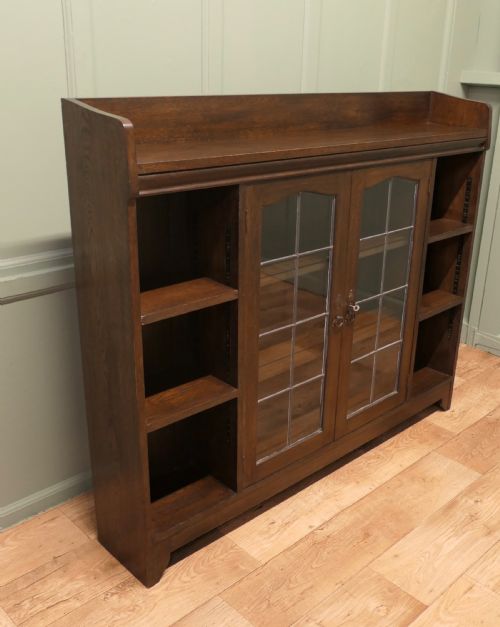
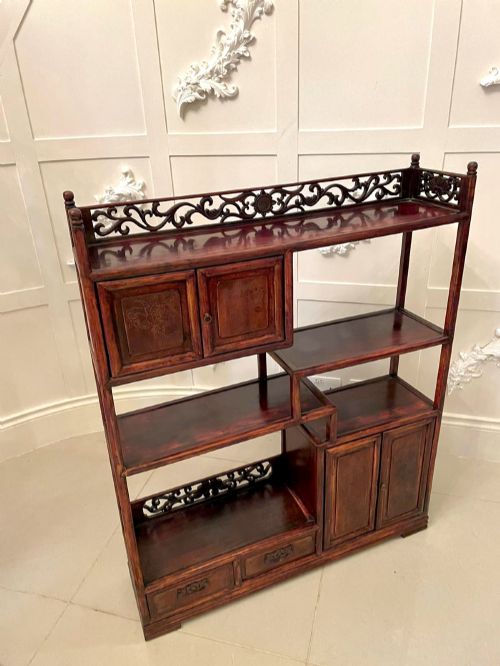
Open display shelving brings books and objects together in accessible units dating from the Georgian period through to the 1930s.
Open Display Shelving
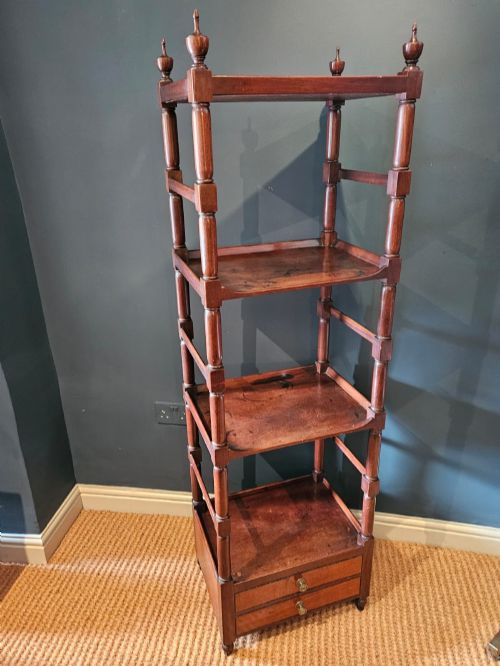
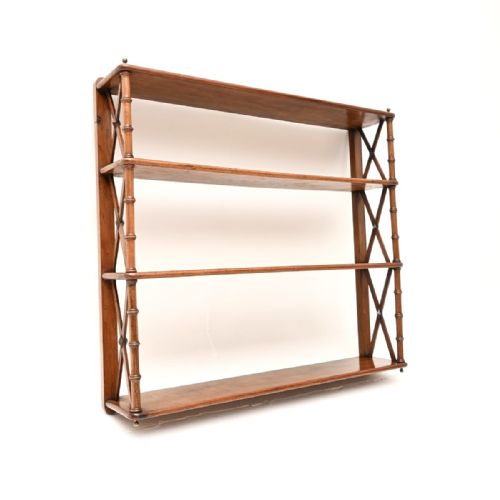
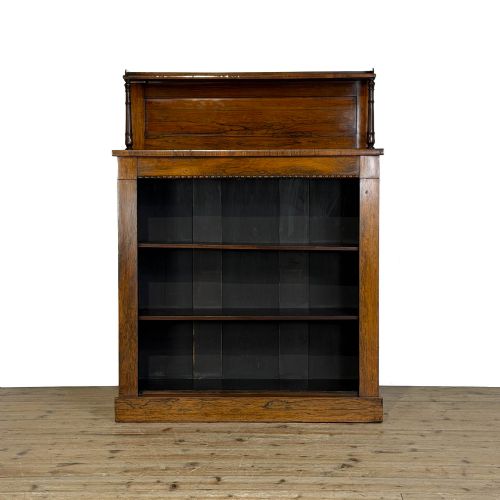
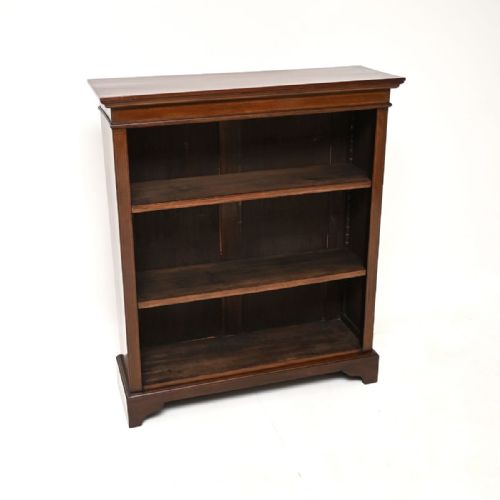
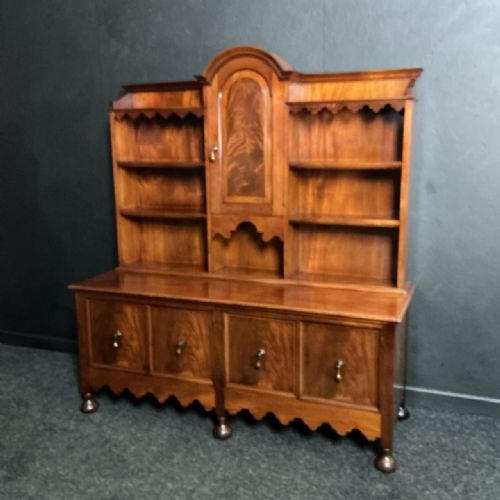
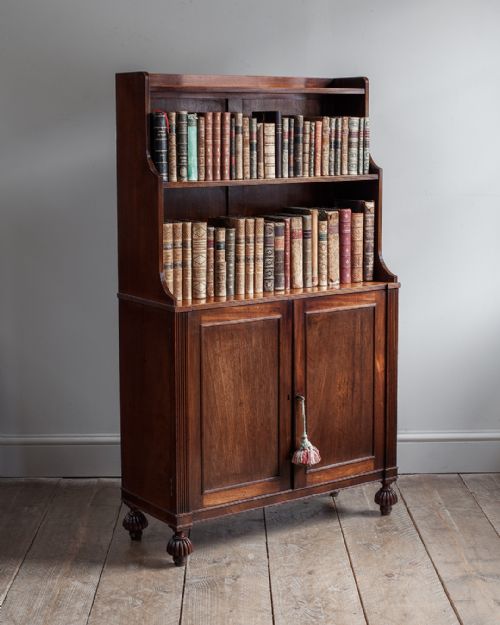
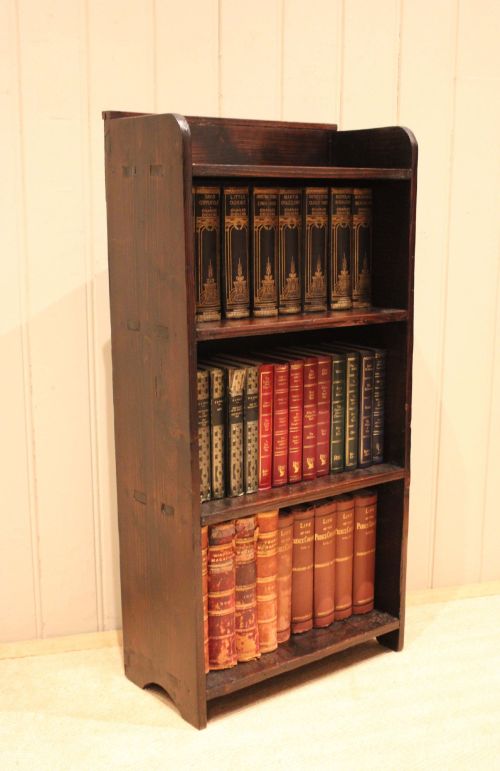
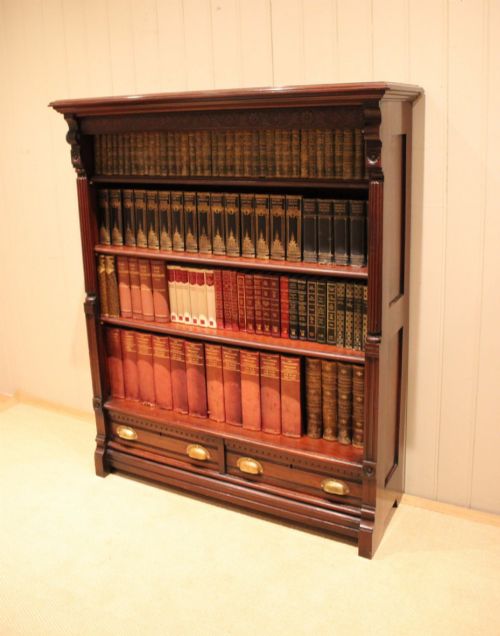
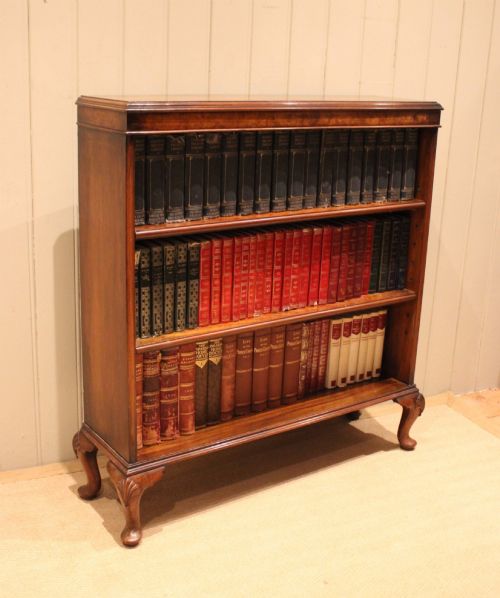
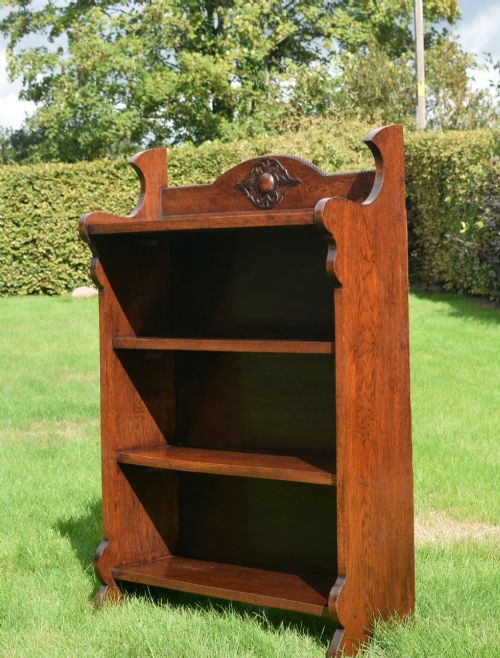
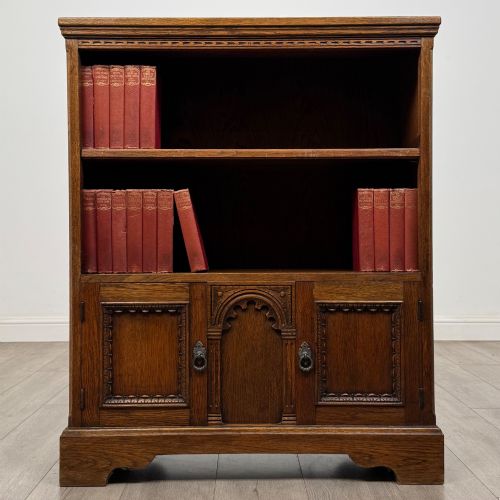
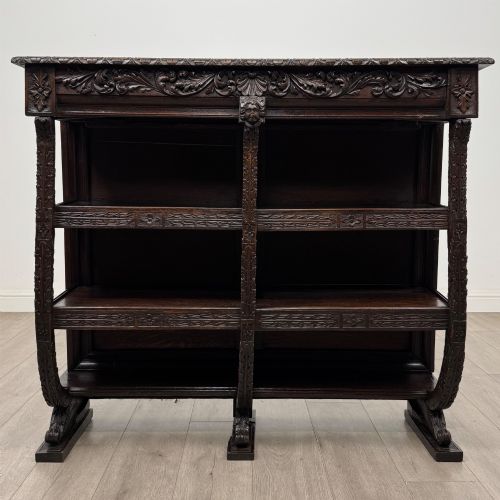
Open display shelving encompasses bookcases, whatnots, wall shelves, and dressers spanning several centuries of British and continental design. You will encounter formal Regency waterfall bookcases alongside robust Edwardian oak shelving units and rustic pine pieces.
The selection ranges from tall late Victorian mahogany bookcases with adjustable shelves to compact Georgian walnut wall-mounting bookcases and Arts and Crafts oak pieces. These items provide practical storage while showcasing collections in domestic interiors.
Materials and construction
Cabinet makers utilised timber selections such as mahogany, oak, walnut, burr walnut, rosewood, pine, and ash, often pairing solid woods with decorative veneers. Brass castors support heavier items like waterfall bookcases, while inlaid details and carved elements distinguish finer examples.
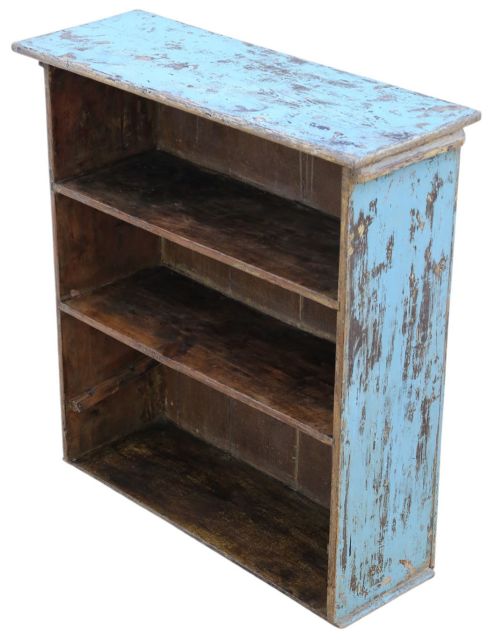
Construction methods include fixed and adjustable shelving configurations, multi-tier stacking for whatnots, and wall-mounting brackets for smaller display units. Painted finishes also appear, notably on nineteenth-century pieces.
One cheerful whatnot manages to be both a bookcase and an impromptu catwalk for very ambitious house spiders.
Craftsmanship and proportion
Quality rests upon the selection of timber figures, such as flame mahogany or burr walnut, and the crispness of any carved detailing or inlay work. Superior items display balanced proportions and robust joints that maintain stability across multiple tiers.
Functional hardware like original brass castors and smoothly operating adjustable shelf mechanisms further separate standard utilitarian shelving from finer decorative examples.
The Open Display Shelving Glossary
- What-not
- An open multi-tiered piece of furniture designed for the display of ornaments and books. These units typically feature three or more levels supported by slender columns.
- Waterfall bookcase
- A set of open shelves where each tier recedes from the one below it, creating a stepped profile. This style gained popularity during the Regency and Victorian periods.
- Aesthetic Movement
- A late nineteenth-century design style emphasising visual beauty over narrative subject matter. Pieces from this movement often feature simplified forms and rich oak construction.
- Burr walnut
- A prized wood veneer derived from the growth excrescences on walnut trees. It yields complex, swirling grain patterns highly valued by nineteenth-century cabinet makers.
Open Display Shelving: Frequently Asked Questions
What is open display shelving used for?
These units serve to store library books while simultaneously exhibiting decorative ceramics, glassware, and small sculptures within a room. The lack of doors grants immediate access to the contents.
They function effectively in studies, living rooms, and hallways where books and personal objects require accessible storage.
How do I distinguish a Victorian bookcase from an Edwardian one?
Victorian pieces tend to utilise darker timbers such as mahogany and heavy carved oak, frequently incorporating deep moulding and substantial proportions. Edwardian examples often favour lighter golden oak or inlaid mahogany.
Looking at the construction of the shelving supports and the choice of decorative motifs will clarify the manufacturing era.
Can these shelves hold heavy books?
Many larger examples include adjustable wooden shelves designed to bear substantial loads of hardback volumes. Solid timber construction provides the necessary structural rigidity.
Checking the thickness of the shelves and the strength of the internal supports ensures safe storage for heavy collections.
Where should I place a whatnot in my home?
Whatnots suit corners or smaller wall spaces where vertical display is beneficial without dominating the floor area. Their multi-tier design allows for the arrangement of varied objects at different eye levels.
Placing them away from direct heat sources protects the timber veneers and polished finishes.