

Vintage Tall Oak Cabinet
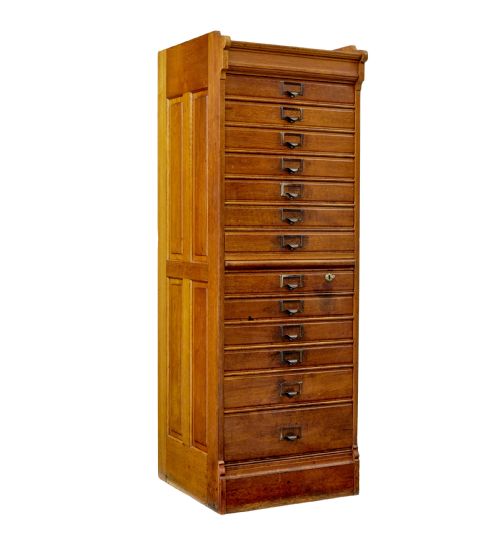
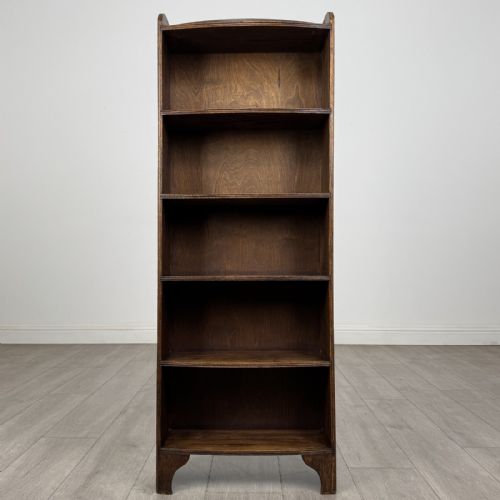
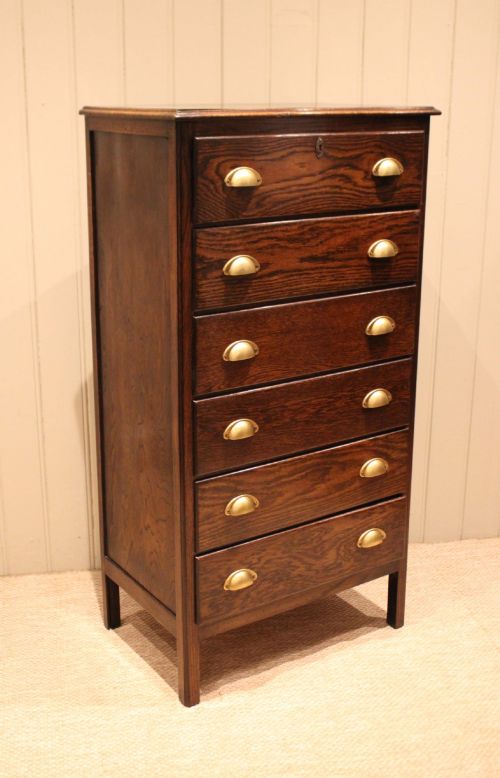
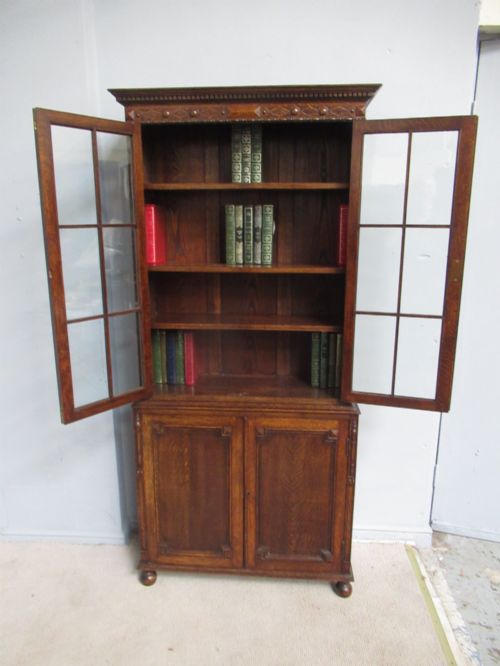
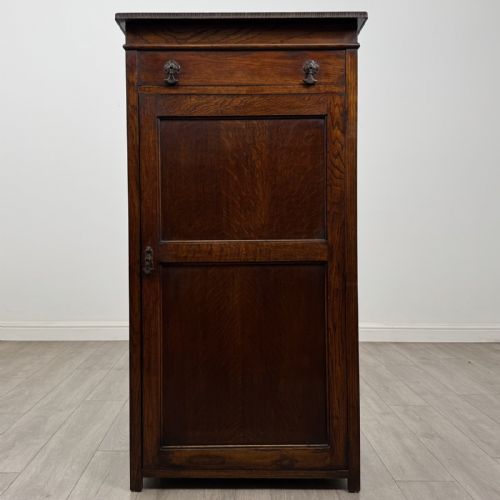
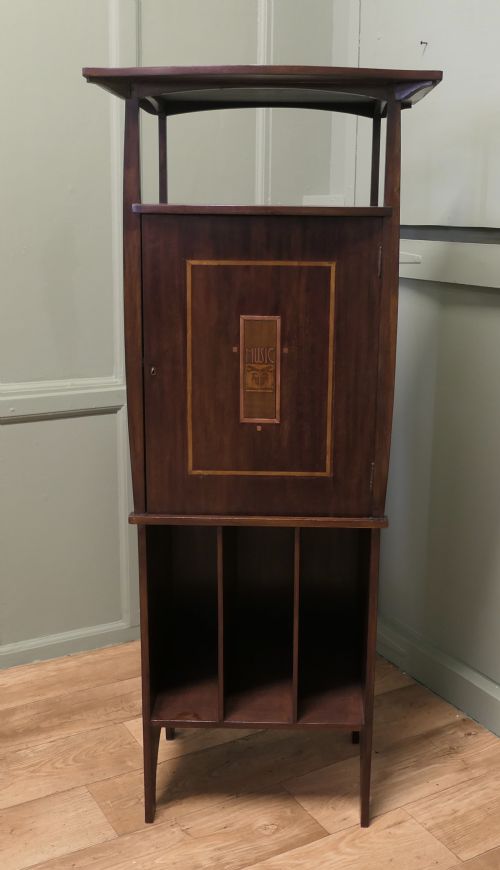
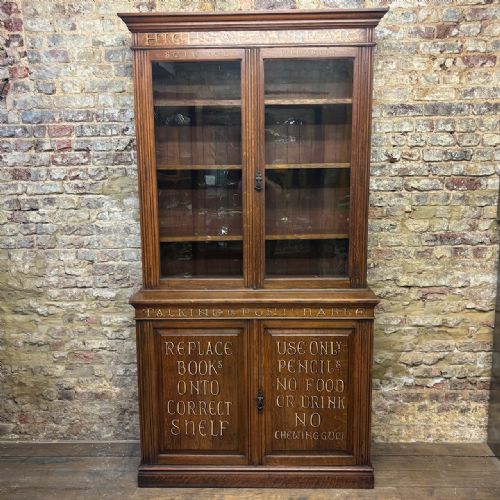
A vintage tall oak cabinet brings sturdy timber and vertical presence into a room, offering practical storage through bookshelves, filing drawers, and cupboards.
Vintage Tall Oak Cabinet
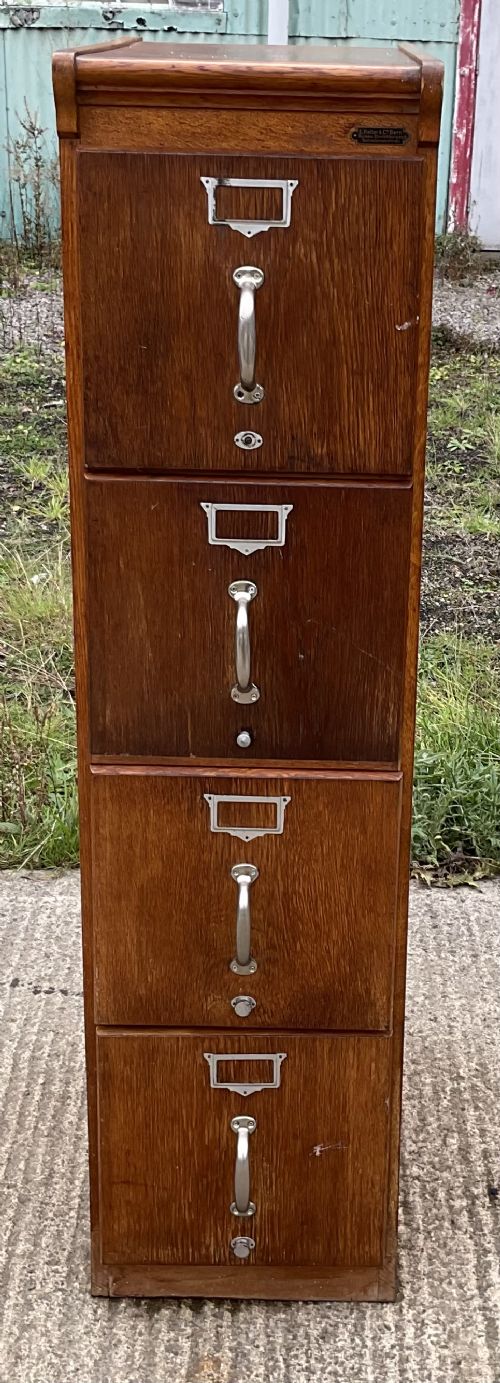
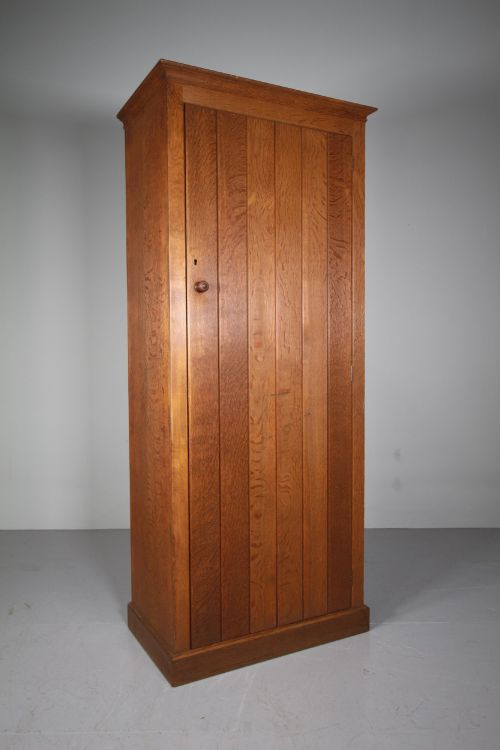
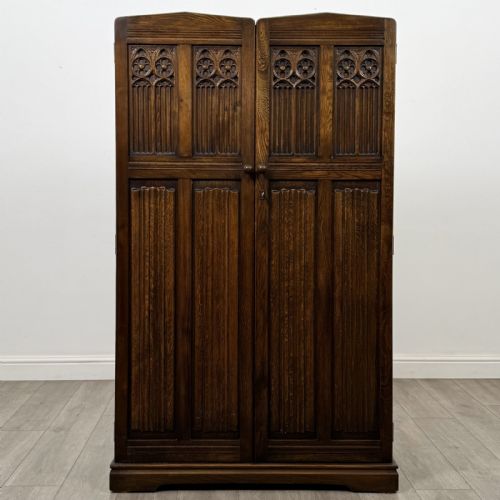
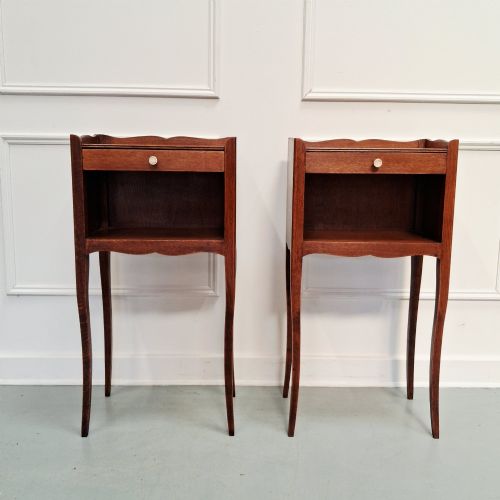
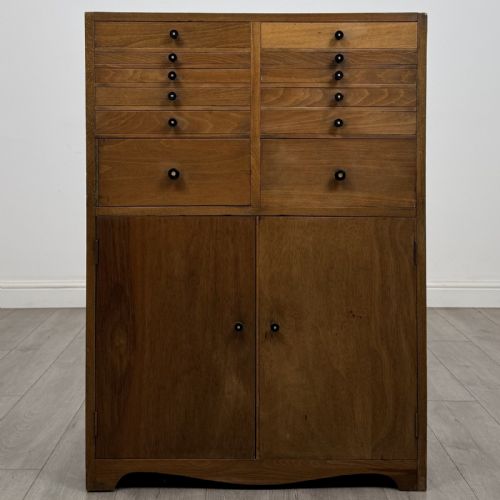
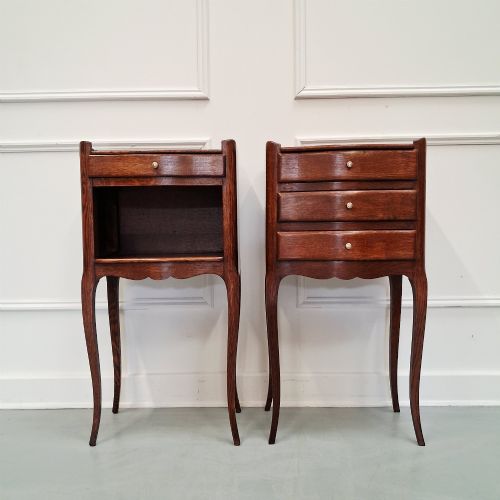
A vintage tall oak cabinet encompasses a variety of upright storage forms found in domestic and office spaces, ranging from filing chests and bookcases to wardrobes and standing cupboards. When searching for a vintage tall oak cabinet, buyers encounter pieces spanning from the Victorian and Edwardian eras through the Art Deco period and the mid-twentieth century.
Materials and Construction Methods
Solid oak serves as the primary timber across these pieces, frequently complemented by secondary woods such as mahogany or maple. Workshops utilised robust joinery techniques to construct tall frames, incorporating carved details, bow fronts, and wood inlay.
Metal hardware including brass and iron handles, hinges, and embellishments accompany glazed panels and tambour fronts. Finishes range from polished surfaces to limed treatments and painted exteriors.
Vintage Tall Oak Cabinet Retail Price Guide 2026
Typical asking prices for vintage tall oak cabinet among the pieces listed under this phrase on Sellingantiques today, from the lower quarter to the upper quarter. They describe what is for sale here now, not the wider market.
Patent letter files and tambour shutters show that Victorian and Edwardian offices loved a clever sliding mechanism just as much as we do.
Factors That Distinguish Quality
Quality in these upright pieces rests on the precision of the joinery and the selection of timber grain, particularly in how well drawers slide and doors align within their frames. Labelled works by known makers or retailers demonstrate higher craftsmanship standards compared to standard commercial items.
The integration of specialised mechanisms, such as tambour shutters or fitted interior storage, alongside refined decorative elements like carved arched tops or brass embellishments, elevates a piece above simpler utilitarian examples.
Heals·GM Elwood for JS Henry·Maple and Co·Amberg
The Vintage Tall Oak Cabinet Glossary
- Tambour
- A flexible shutter made of narrow slats of wood glued to canvas, allowing a cabinet door to slide around a curve. This mechanism appears frequently on office and filing cabinets.
- Wellington chest
- A tall, narrow chest of drawers secured by a hinged vertical locking bar on one side that fastens with a padlock. Victorian examples in blonde oak represent classic versions of this form.
- Tallboy
- A tall chest of drawers traditionally formed by stacking one cabinet on top of another. George III and Victorian variations provide significant vertical storage capacity.
- Fitted interior
- An internal arrangement containing specialised pigeon holes, small drawers, or dedicated compartments behind the main doors. Such fittings indicate administrative or purposeful domestic use.
- Limed oak
- A wood finishing technique that fills the open pores of oak with a whitish pigment to create a pale appearance. This finish appears on pieces from the 1930s.
Vintage Tall Oak Cabinet: Frequently Asked Questions
What rooms suit a tall oak cabinet?
These upright pieces function effectively in studies, libraries, and hallways where vertical storage is required without occupying excessive floor space. Their substantial timber presence anchors a room's layout.
Bookcases and cupboards provide display and concealment options, while specialised filing chests serve functional roles in home offices.
How do I identify an Edwardian oak piece?
Edwardian items often display lighter proportions and varied revival styles drawing upon earlier centuries. Makers frequently incorporated modest carved details and brass hardware.
Comparing structural joints and interior construction methods helps distinguish Edwardian furniture from later 1930s or mid-century designs.
Were these cabinets used in offices?
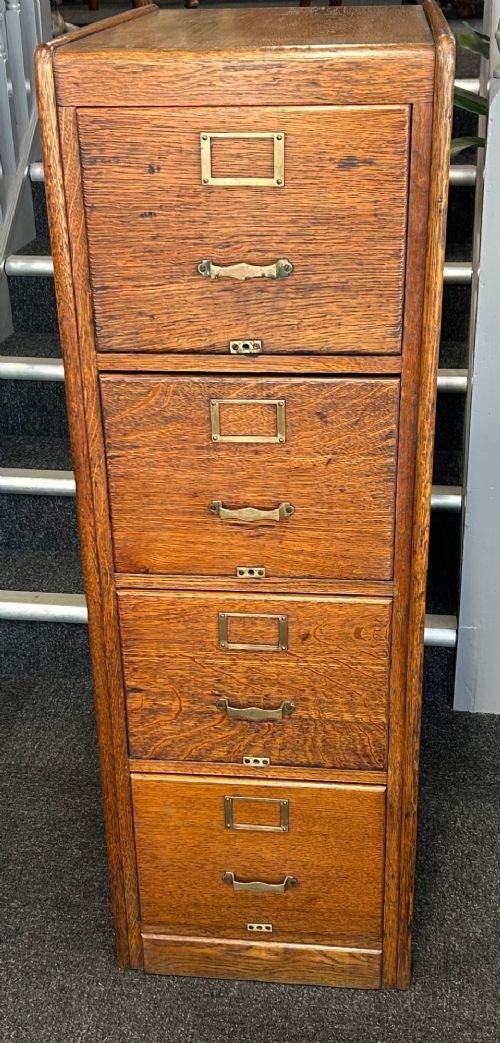
Many tall oak units served commercial and administrative functions, as evidenced by vertical filing chests, tambour front office cabinets, and banker's chests. These items accommodated paperwork and ledgers.
Their robust construction allowed them to endure heavy daily use in professional environments before entering domestic settings.
What is the difference between open and glazed bookcases?
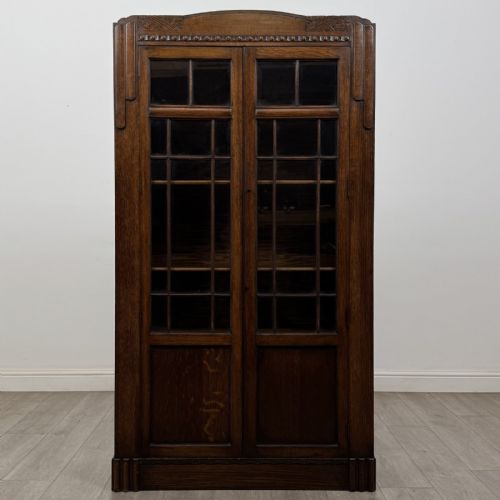
Open bookcases provide direct, unobstructed access to shelves, suiting everyday book storage. Glazed bookcases incorporate glass doors that protect volumes from dust.
Art Deco and Edwardian examples often feature leaded or arched glass panes that add a distinct decorative element to the front of the cabinet.