
Oak Office Drawers
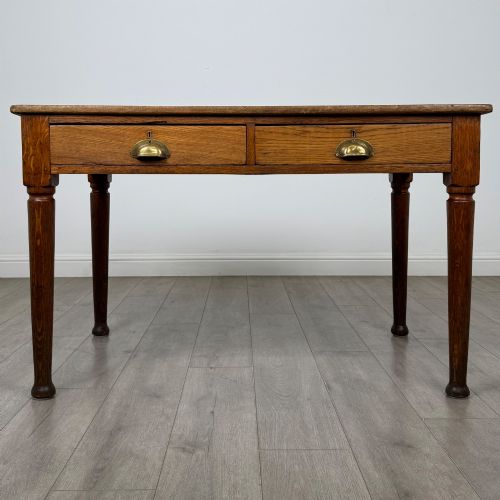
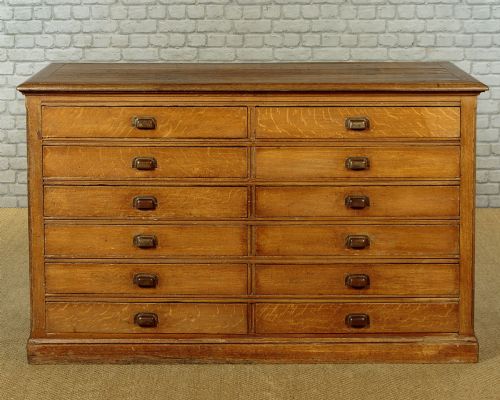
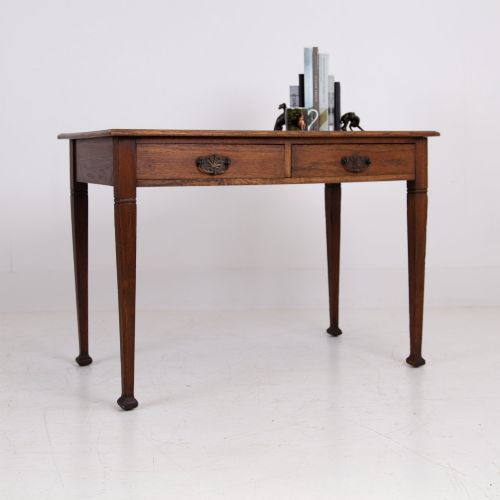
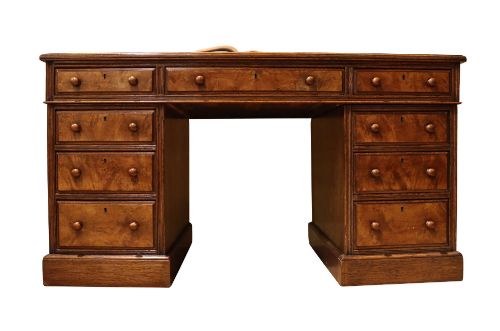
These oak office drawers bring sturdy utility and warm grain to workspaces, spanning Victorian pedestals to industrial plan chests.
Oak Office Drawers
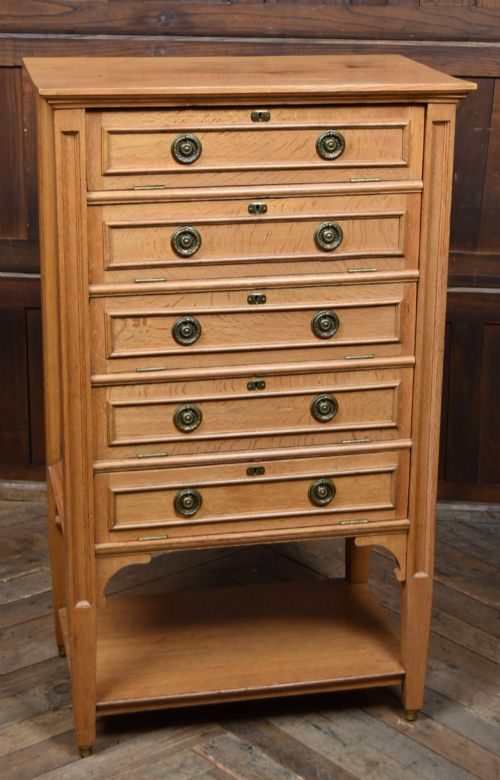
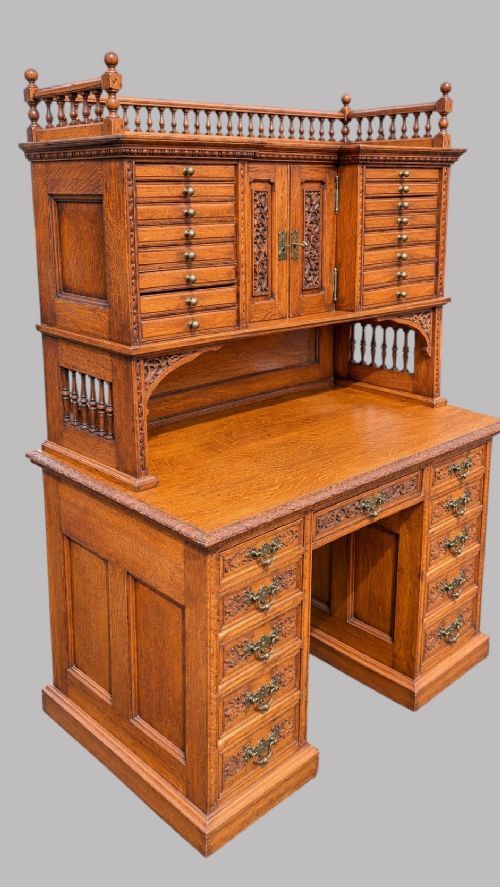
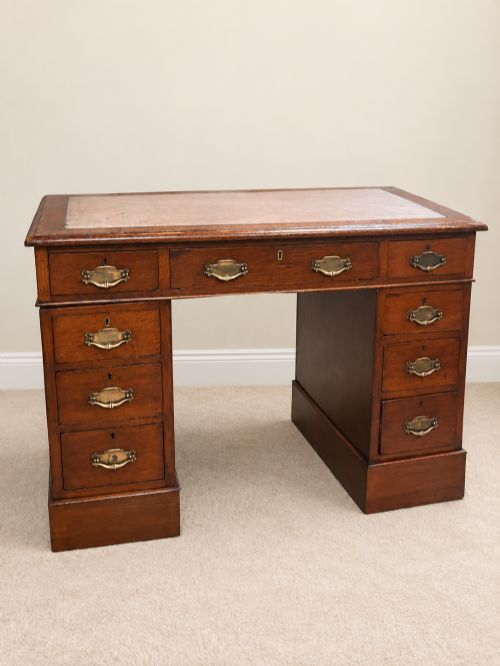
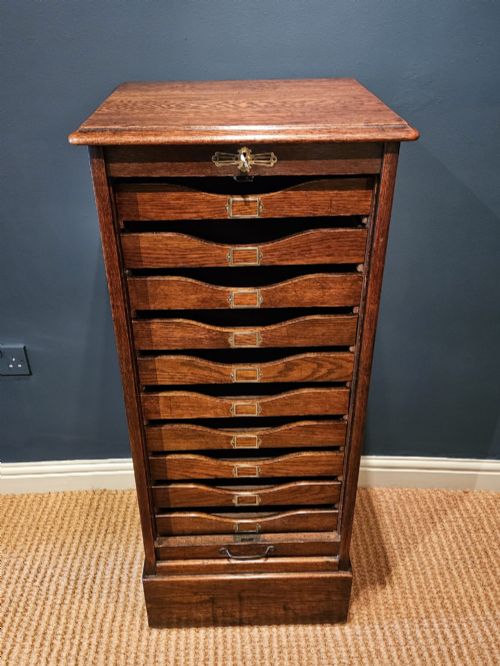
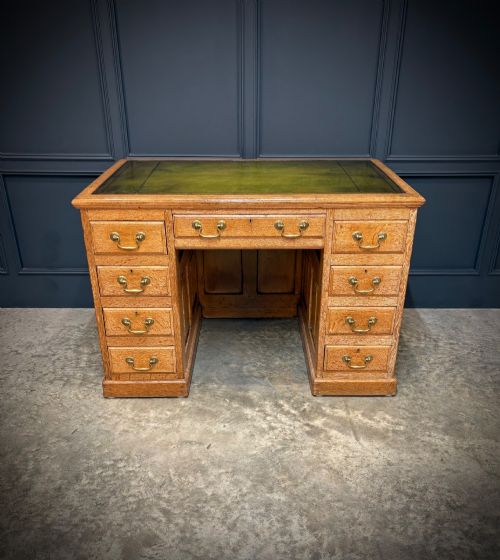
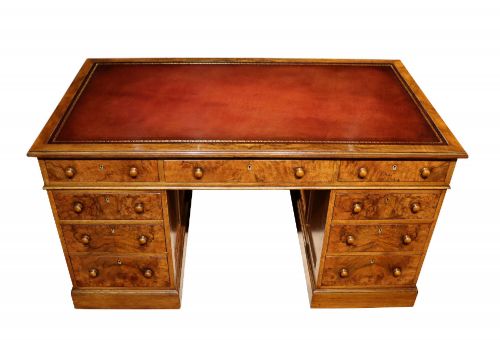
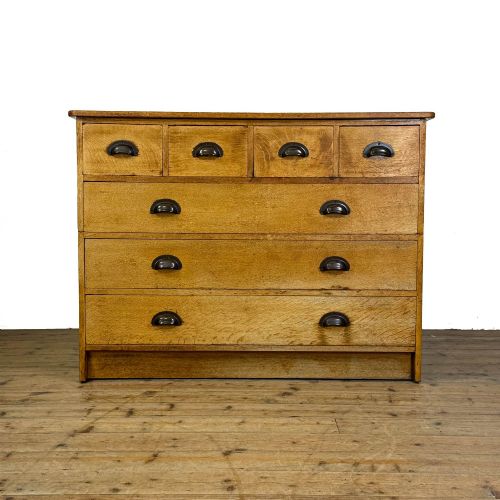
When searching for oak office drawers, buyers encounter a robust mix of utilitarian furniture designed for filing, sorting, and administrative work. The selection ranges from compact desktop storage and multi-drawer banks to expansive twin pedestal desks and tall vertical filing cabinets.
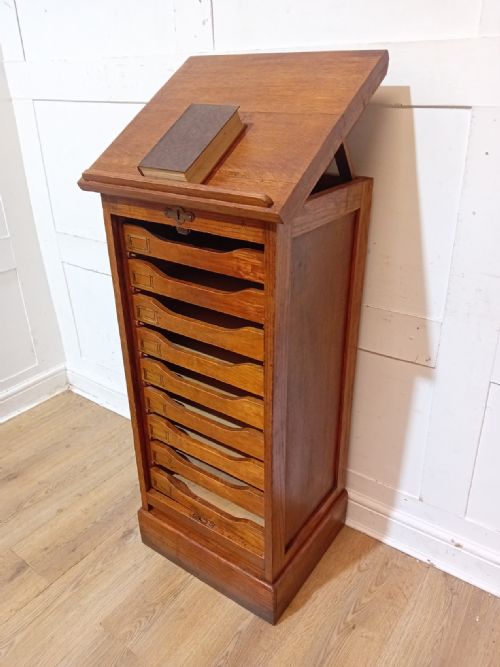
The pieces appearing most frequently originate from the Victorian, Edwardian, and 1920s periods, reflecting the heavy administrative expansion of those eras. Alongside standard kneehole desks and writing tables, specialised formats such as tambour front cabinets and plan chests regularly surface.
Makers utilised durable timbers to withstand daily clerical toil, creating functional architecture that now serves modern domestic and commercial studies. Buyers find that these items combine practical compartmentalization with the rich character of aged English hardwood.
Materials and construction
Cabinet makers built these office units primarily from solid oak, sometimes pairing it with secondary woods like pine or ash for drawer linings and internal frames. Burr walnut and maple occasionally appeared on executive surfaces to provide decorative contrast against the plainer framing timbers.
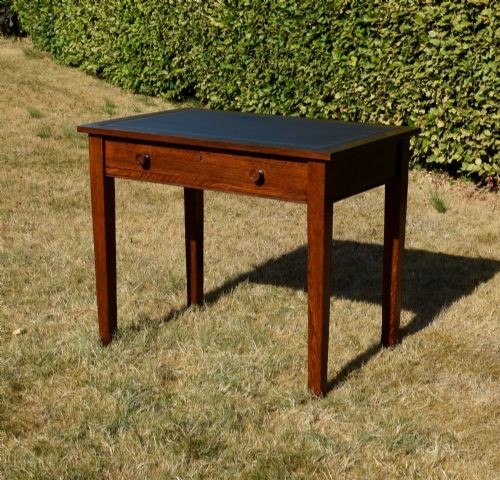
Functional hardware dictated much of the construction, incorporating heavy brass handles, drop pulls, and patented letter-filing mechanisms made from metal and steel. Leather inserts frequently lined the writing surfaces of desks, while tambour doors utilised flexible wooden slats running in recessed tracks.
Some vintage filing cabinets still retain faint traces of old ink stains inside the drawers from decades of busy clerks wielding fountain pens.
Quality variations in office drawers
The standard of craftsmanship shows in the joinery of the drawer boxes, where hand-cut dovetails distinguish superior workshop production from simpler pegged or nailed assembly. Smooth operation of the sliding mechanisms, especially in tambour cabinets and large banks of drawers, indicates the original precision of the maker.
The choice of timber grain and the integrity of supplementary materials such as original brass hardware and fitted leather surfaces determine the finer grade of each piece. Surviving maker labels or patent stamps also elevate a piece by confirming its documented origin and commercial pedigree.
Maple and Co·Amberg·Jenners
The Oak Office Drawers Glossary
- Tambour
- A flexible door constructed from narrow strips of wood glued to canvas backing, allowing it to slide smoothly around a curved track to enclose cabinet shelves or drawers.
- Pedestal desk
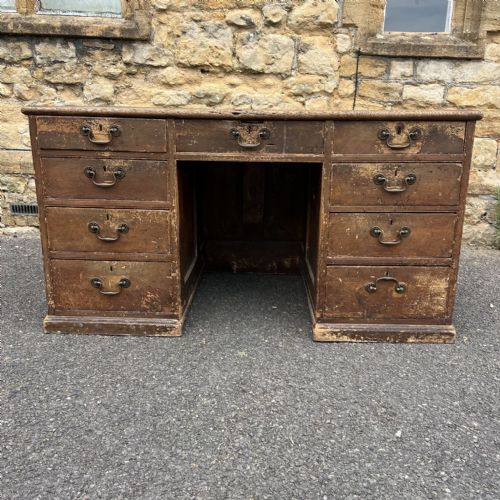
- A heavy writing table supported by two separate stacks of drawers that reach down to the floor, often configured with a central kneehole.
- Partners desk
- A large double-sided desk designed for two people to work face to face, equipped with drawers and cupboards accessible from both sides.
- Plan chest
- A wide, shallow set of drawers specifically designed for storing large sheets of architectural blueprints, maps, or artwork flat without folding.
- Kneehole desk
- A compact desk featuring a central recess for the user's legs, flanked by one or two banks of vertical drawers.
Oak Office Drawers: Frequently Asked Questions
How do I date an oak filing cabinet?
Examine the construction methods of the drawer boxes and the style of the exterior hardware to establish a general timeframe. Dovetailed joints cut by hand typically point towards Victorian or earlier origins, whereas machine-cut joints and stamped metal fittings often indicate Edwardian or 1920s production.
Look also for patent dates marked on locking mechanisms or internal letter files, which provide a reliable earliest possible year of manufacture. Mechanical details like tambour slat tracks evolved over time, helping to separate late nineteenth-century specimens from interwar office furniture.
What is a tambour front cabinet?
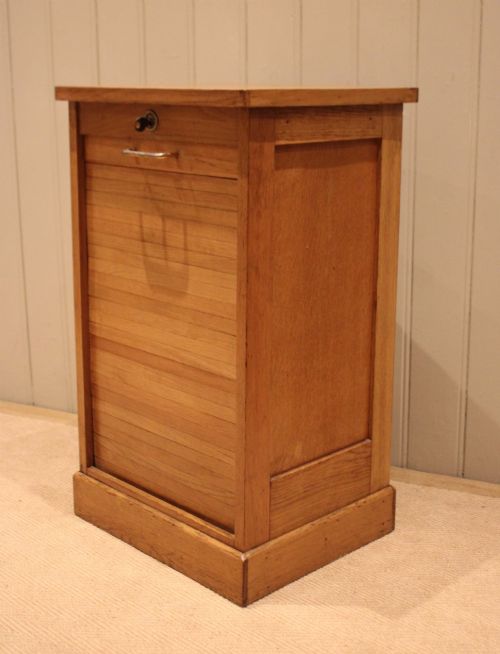
A tambour front cabinet utilises a flexible door made of narrow wooden slats attached to a fabric backing, which slides horizontally or vertically within grooved tracks. This clever mechanism allows the door to curve around the sides or top of the cabinet, hiding the interior drawers while requiring zero clearance space in front of the unit.
Such designs proved exceptionally popular in early twentieth-century offices where floor space was at a premium and quick access to active files was essential. Today, they remain prized for their smooth mechanical action and the satisfying way the slatted curtain disappears entirely into the housing.
Can I use an antique desk for daily computer work?
Many antique desks and writing tables accommodate modern laptops and desktop accessories quite comfortably, provided you check the internal drawer dimensions and leg clearance beforehand. Pedestal desks offer generous surface areas and deep side drawers that easily swallow modern office supplies, charging cables, and peripheral devices.
Care should be taken with pieces featuring delicate leather writing surfaces, where a protective desk pad prevents accidental scratches or ink stains. Selecting a piece with a sturdy kneehole ensures you can sit squarely and comfortably during long hours of administrative tasks.
How do I maintain an oak office piece?
Keep wooden surfaces nourished by applying a quality beeswax polish sparingly every few months, buffing gently with a soft cloth to maintain a natural lustre. Avoid placing antique furniture near direct heat sources or in strong sunlight, which can dry out the solid oak and cause timber splitting or fading.
Treat original leather inserts with appropriate leather balms to prevent cracking, and keep metal drawer pulls free from excessive moisture. Regular dusting with a dry microfibre cloth protects the aged patina accumulated over decades of office use.