
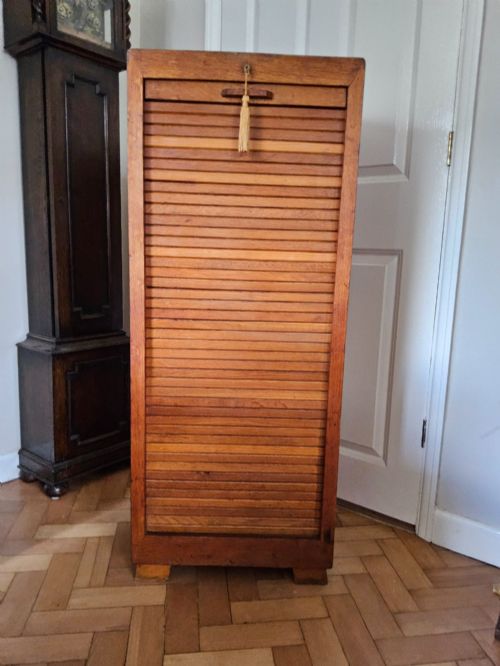
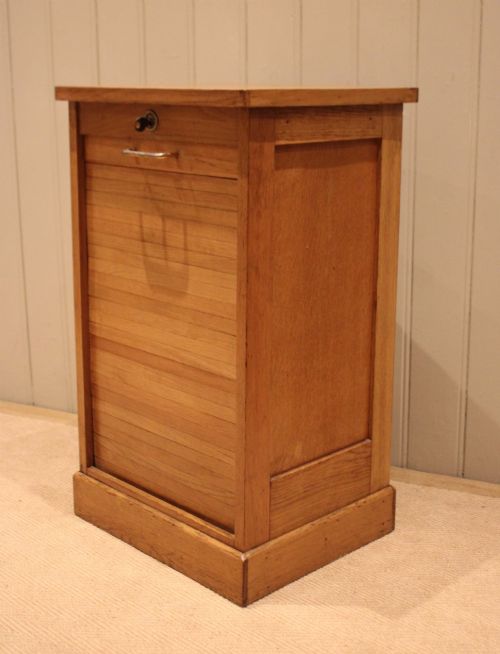
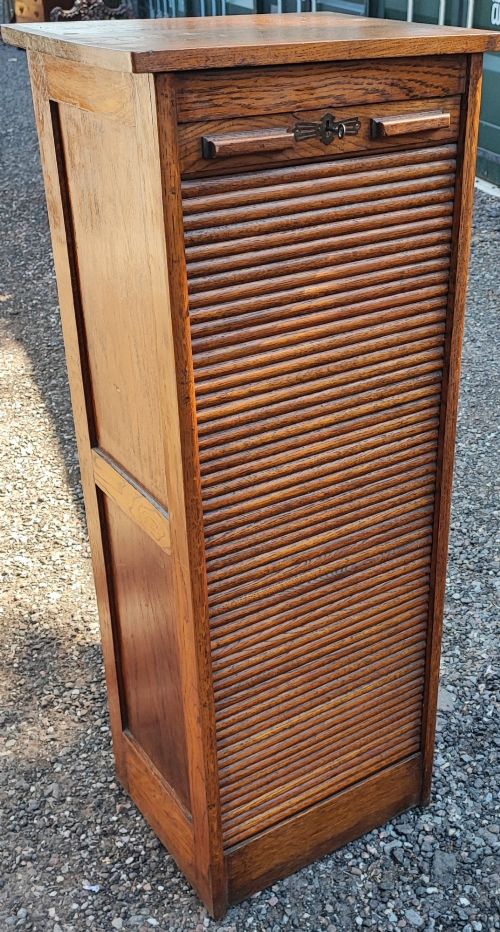
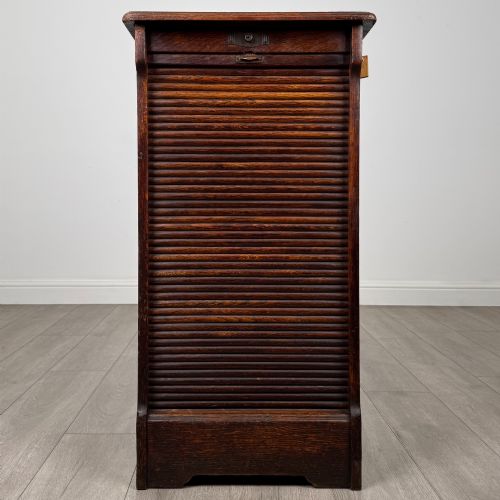

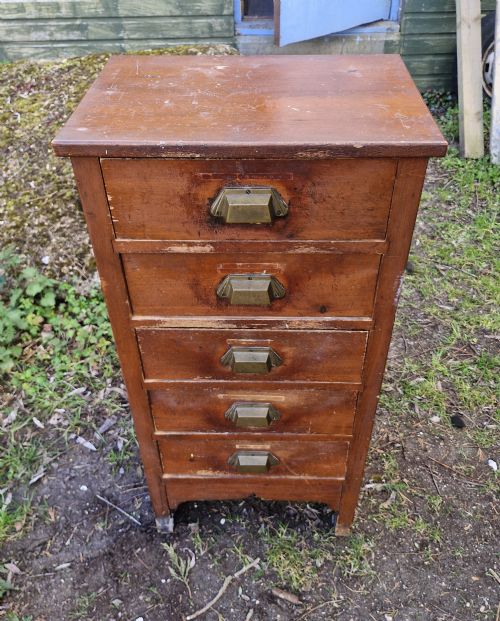


Edwardian Oak Filing Cabinet
An edwardian oak filing cabinet brings serious period utility to a study, built to organise papers efficiently while anchoring a room with rich timber.
Edwardian Oak Filing Cabinet
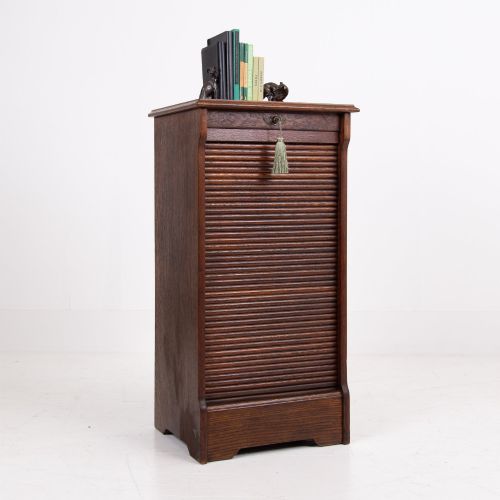
An edwardian oak filing cabinet serves as a practical piece of antique office furniture designed to house documents, letters and correspondence. These pieces originate predominantly from the Edwardian period alongside the wider late nineteenth and early twentieth centuries, reflecting the administrative expansion of the era.
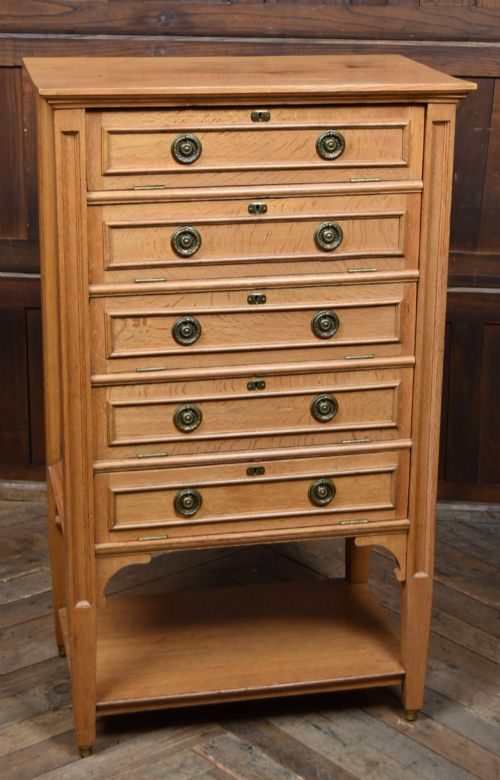
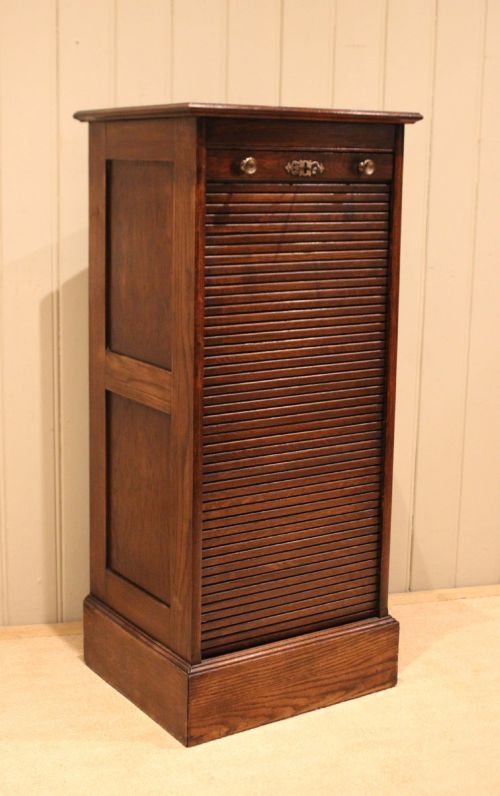
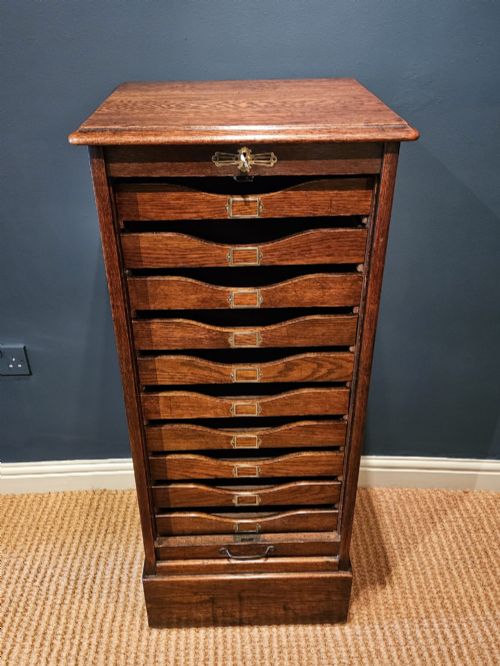
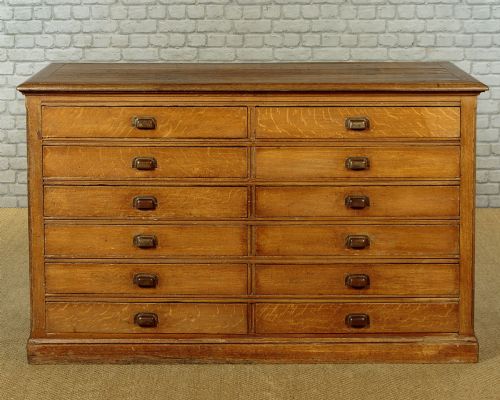
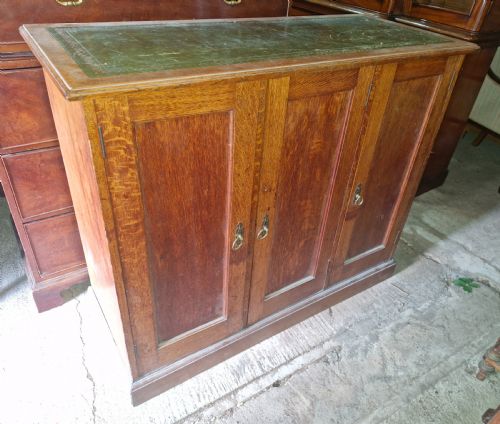
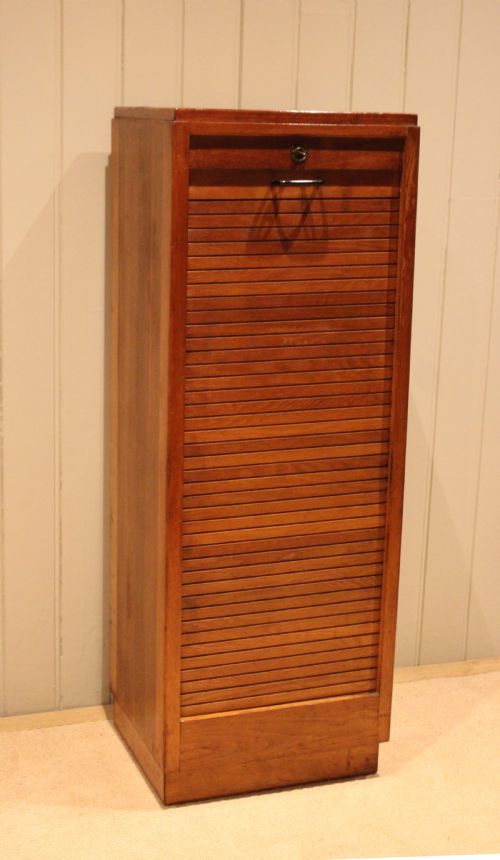
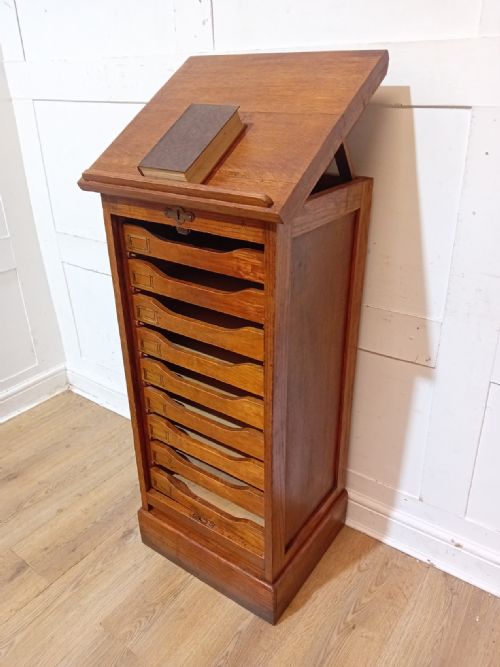
Buyers will encounter several distinct forms on this page, ranging from single and double tambour front variations to multi-drawer banks and drop-drawer configurations. Alongside standard filing cabinets, the selection includes music cabinets, lecturn top models and specialised letter files.
The construction typically relies on solid oak or golden oak, complemented by functional hardware such as brass handles. Many examples utilise flexible slat doors or multiple internal drawers tailored for systematic organisation.
How They Were Made
Cabinet makers constructed these office pieces using durable timber frames with oak as the primary structural and visible material. Pine and other secondary timbers occasionally appear on internal drawer framing or backing boards.
Mechanical elements such as tambour doors utilise textile or canvas backings to allow the wooden slats to curve smoothly around tracks. Brass handles, label holders and patented locking mechanisms provide the operational hardware integral to each cabinet's daily use.
Edwardian Oak Filing Cabinet Retail Price Guide 2026
Typical asking prices for edwardian oak filing cabinet among the pieces listed under this phrase on Sellingantiques today, from the lower quarter to the upper quarter. They describe what is for sale here now, not the wider market.
Some cabinets hid clever letter-filing patents inside, turning everyday office organisation into Victorian engineering theatre.
What Varies in Quality
The distinction between standard office utility items and superior examples lies in the selection of figured oak and the precision of the joinery. Cabinet makers who spent time hand-finishing drawer dovetails and selecting tightly grained golden oak produced pieces with greater longevity and visual presence.
Smooth operation of mechanical components, particularly tambour fronts that glide without sticking and drawers that sit true within their housings, separates better-preserved specimens from heavily worn alternatives. Original brass hardware and legible patent markings further elevate the standing of a piece.
Amberg·Shannon·SU-TALL
The Edwardian Oak Filing Cabinet Glossary
- Tambour front
- A flexible door formed of narrow wooden slats glued to a canvas or fabric backing, allowing the door to slide sideways or vertically around a track into the cabinet body.
- Drop drawer
- A filing drawer designed with hinged or dropping sides that allow easier access to correspondence and papers stored vertically inside.
- Golden oak
- A bright, warm shade of oak timber popular during the Edwardian era, often achieved through specific polishing and finishing techniques.
- Lecturn top
- An angled upper surface built into the top of a cabinet, allowing documents to be read or sorted directly on the furniture.
- Haberdashery cabinet
- A multi-drawer storage unit sharing similar multi-drawer shallow proportions to filing cabinets, originally utilised for retail stock.
Edwardian Oak Filing Cabinet: Frequently Asked Questions
How do tambour doors work?
Tambour doors consist of thin wooden slats attached to a flexible canvas backing, enabling the entire section to slide smoothly along a grooved track.
This clever mechanism allows the door to disappear into the side or back of the cabinet, keeping the contents accessible without requiring clearance for swinging doors.
What documents fit these drawers?
These historical cabinets were built to accommodate traditional business correspondence, ledgers and standard paper sizes of the late nineteenth and early twentieth centuries.
Many listings specifically mention A4 or letter-sized capacity, though internal drawer dimensions vary by maker and model.
How do I identify an Edwardian piece?
Edwardian pieces date from the reign of Edward VII and typically feature warm golden oak, straightforward proportions and minimal carved ornamentation compared to heavy Victorian furniture.
Hardware such as stamped brass pulls and patent maker plates often provide additional clues to the exact era of production.
Can I use these for modern storage?
These sturdy wooden cabinets integrate smoothly into contemporary home offices and studies, providing practical storage for stationery, modern paperwork and small supplies.
The classic timber finish ensures they function as handsome architectural furniture while performing everyday organisational tasks.