

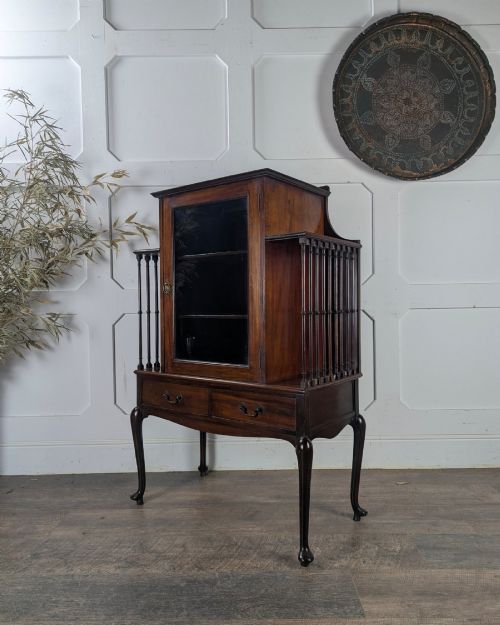
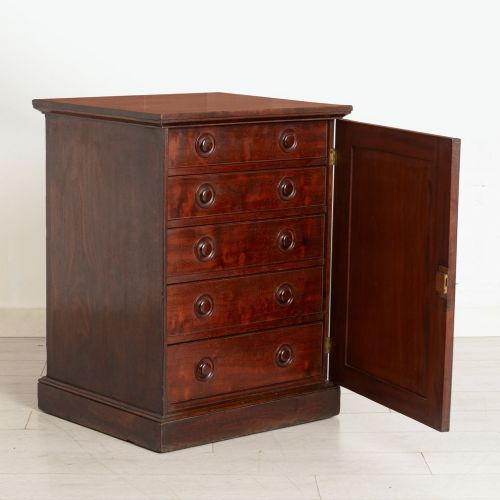
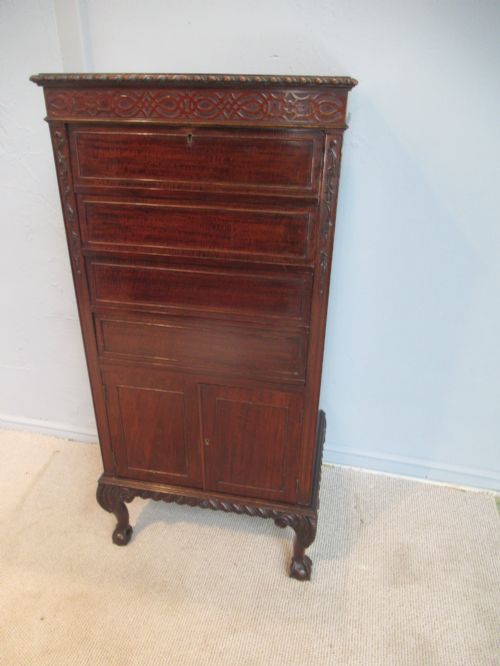


Vintage Sheet Music Chest
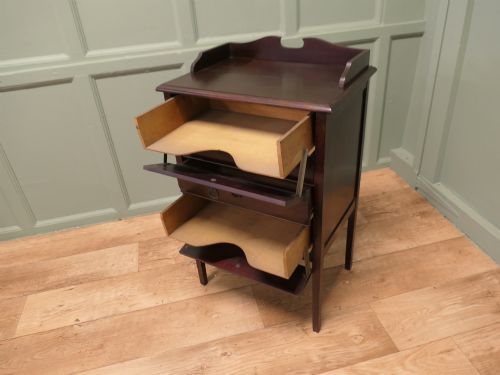
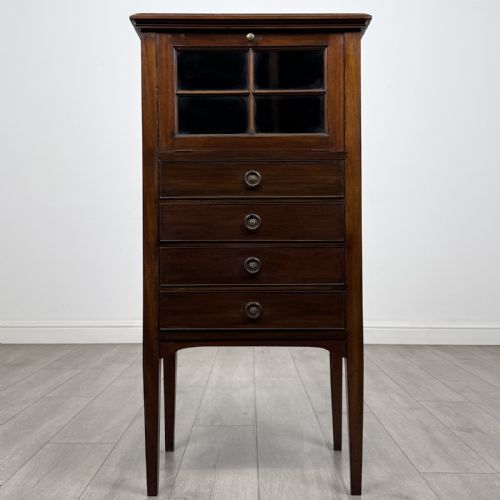
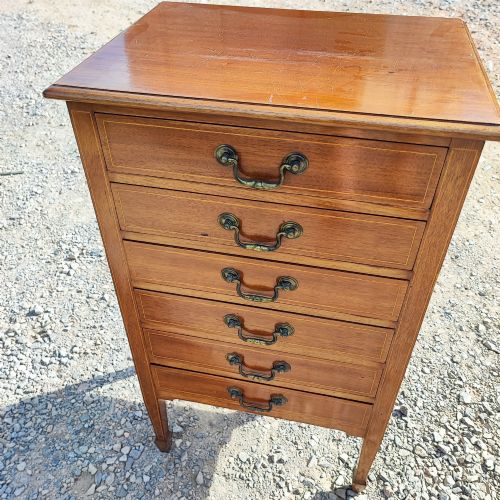
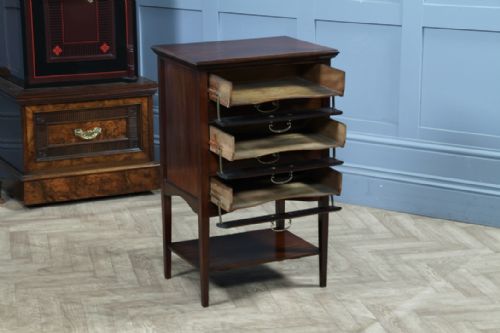
A vintage sheet music chest is a compact, multi-drawer cabinet designed to keep scores organised and pristine in the parlour.
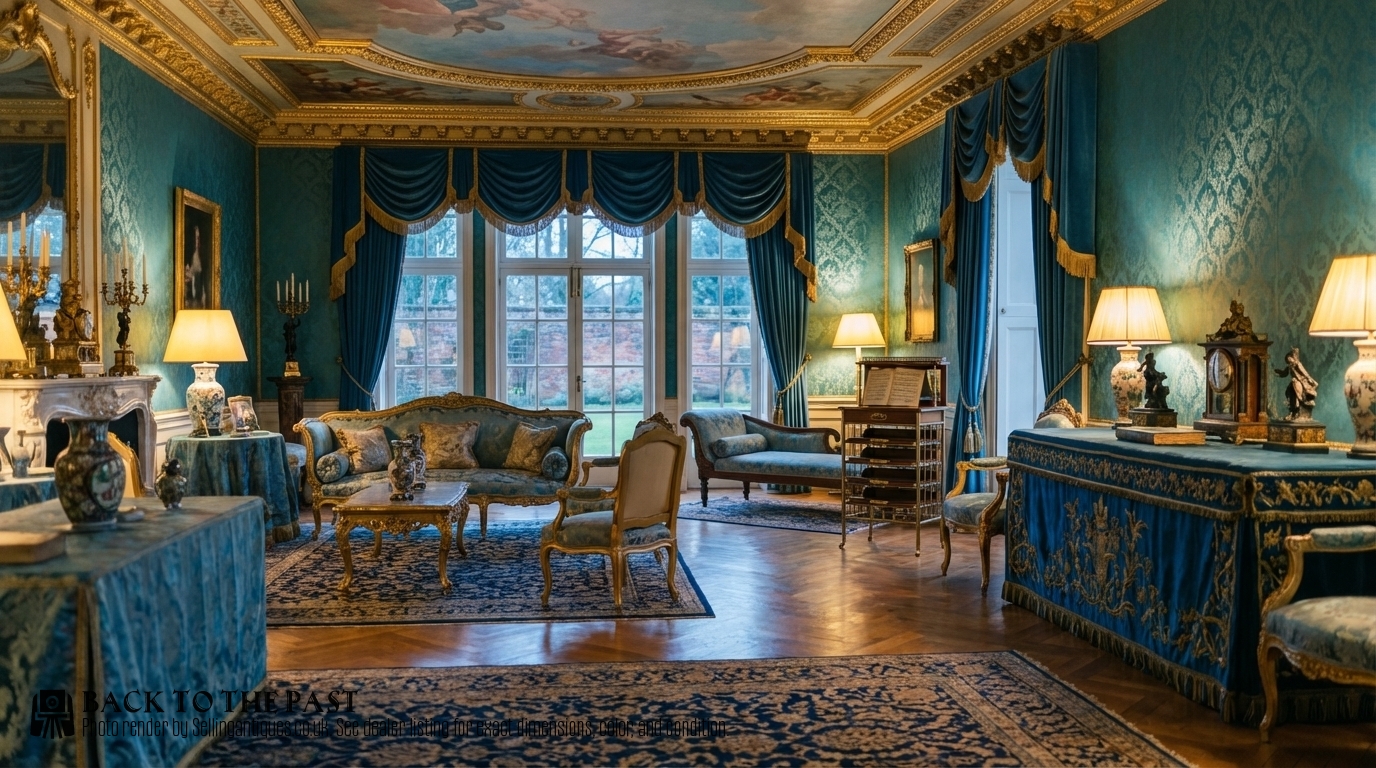
Vintage Sheet Music Chest
A vintage sheet music chest offers practical storage specifically proportioned for paper scores and folios. These pieces appear most frequently from the Victorian, Late Victorian, and Edwardian periods.
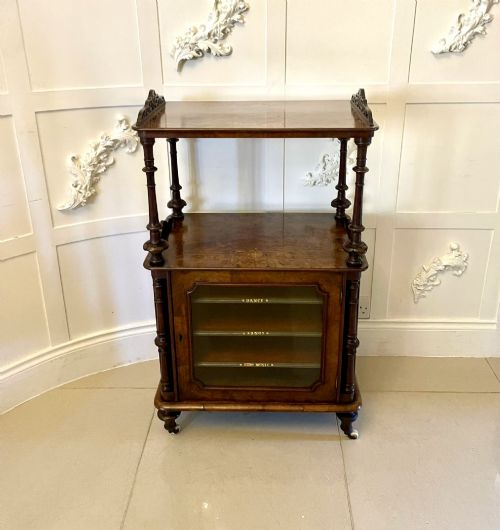
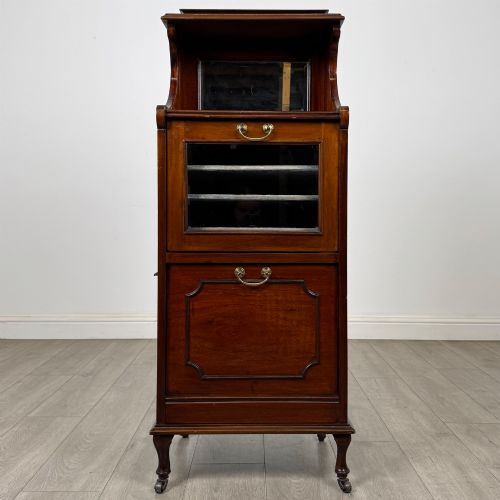
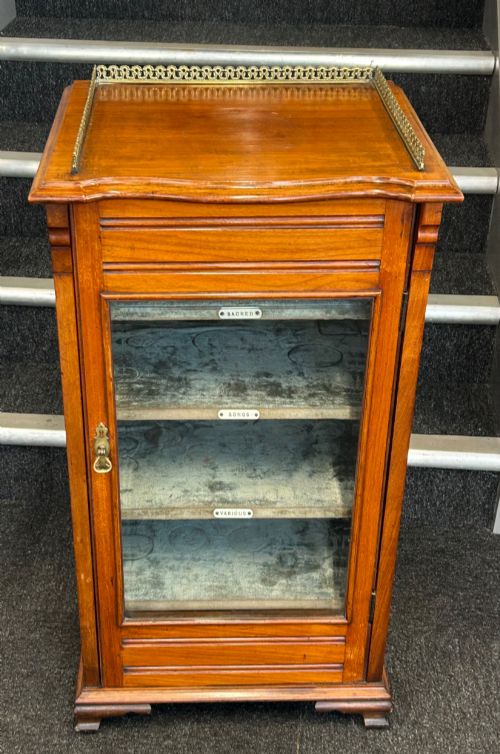
The selections on this page include music cabinets, music filing cabinets, and music canterturies. Materials range from walnut and burr walnut to mahogany and oak.
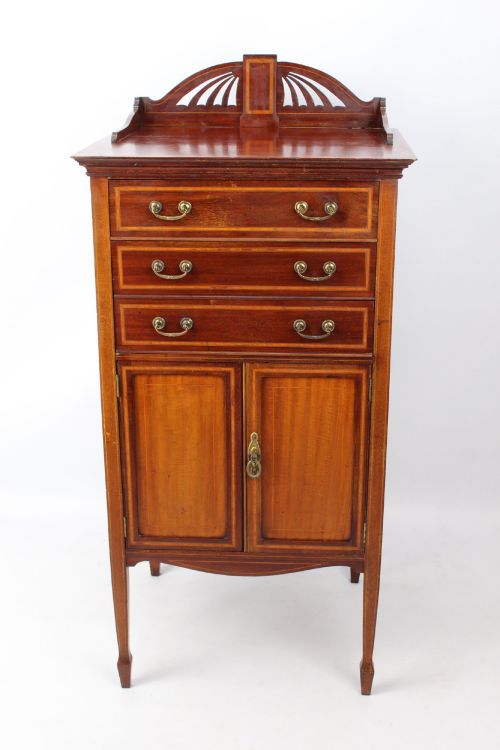
Forms vary from simple upright cabinets to inlaid mahogany designs and unusual brass-mounted examples. Each piece reflects the domestic music-making habits of the late nineteenth and early twentieth centuries.

How they were made
Cabinet makers utilised solid timbers and veneers such as mahogany, oak, walnut, and burr walnut. Construction involved traditional joinery to build sturdy frames capable of holding heavy paper collections.
Decoration often included decorative timber inlays on mahogany carcases. Brass hardware and glass panels complete the construction of specific pieces.
Vintage Sheet Music Chest Retail Price Guide 2026
Typical asking prices for vintage sheet music chest among the pieces listed under this phrase on Sellingantiques today, from the lower quarter to the upper quarter. They describe what is for sale here now, not the wider market.
Listings span five periods: 1890, Victorian, Late Victorian, Edwardian, 1900, and 1920.
What varies in quality
The distinction between standard and finer examples rests on the choice of timber figure and the execution of detail. Burr walnut veneers and detailed inlay work elevate a piece above plain oak or standard mahogany.
Design choices such as unusual proportions or brass mounts separate ordinary production items from more distinctive workshop outputs.
The Vintage Sheet Music Chest Glossary
- Sheet music cabinet
- A dedicated tall cabinet with shallow drawers designed to store unbound musical scores flat. These pieces keep paper items protected from dust and bending.
- Music Canterbury
- A low stand or cabinet featuring vertical partitions for holding sheet music and folios upright. This form often incorporates lower drawer storage.
- Burr walnut
- A highly decorative wood veneer obtained from walnut tree growths, prized for its swirling patterns. Cabinet makers selected it for prominent surfaces on Edwardian pieces.
- Inlaid mahogany
- Mahogany furniture decorated with contrasting wood veneers set flush into the surface. This technique was common in Edwardian cabinet production.
Vintage Sheet Music Chest: Frequently Asked Questions
What is a music cabinet used for?
These cabinets were built to hold sheet music flat in shallow drawers or upright in specialised partitions. They kept paper scores organised in nineteenth-century homes.
Today, the shallow drawers suit modern storage needs like documents, art supplies, or jewellery.
How do I date an oak music cabinet?
Dating relies on the recorded periods of the pieces, which span from the late Victorian era through the Edwardian period to nineteen twenty.
Construction methods and timber choices provide further clues to the manufacturing decade.
What is the difference between a cabinet and a canterbury?
Music cabinets feature enclosed drawers or doors to keep scores hidden and flat. A music Canterbury uses open vertical dividers for accessible folio storage.
Both forms served the same domestic purpose in the parlour.
What woods were used for music cabinets?
Cabinet makers built these pieces using mahogany, oak, walnut, and burr walnut. Finer examples often featured decorative timber inlays.
Selection depended on the prevailing style of the Victorian and Edwardian periods.