
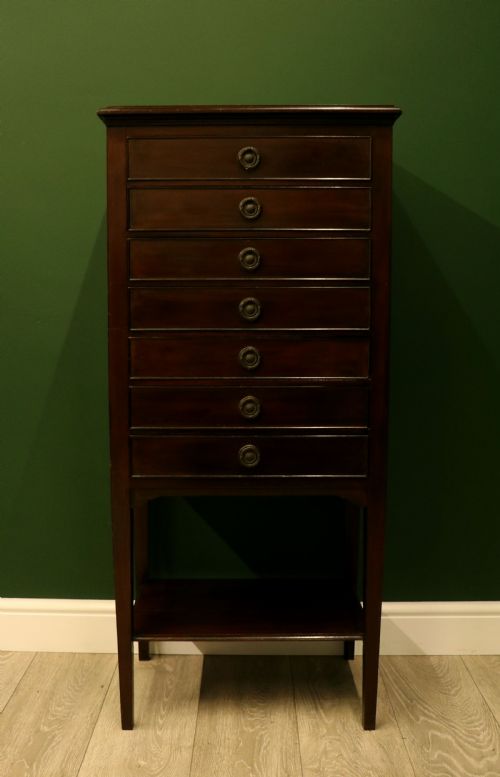


Brass Sheet Music Stand
Brass sheet music stand designs span the Regency, Victorian and Edwardian periods, bringing functional elegance to domestic interiors.
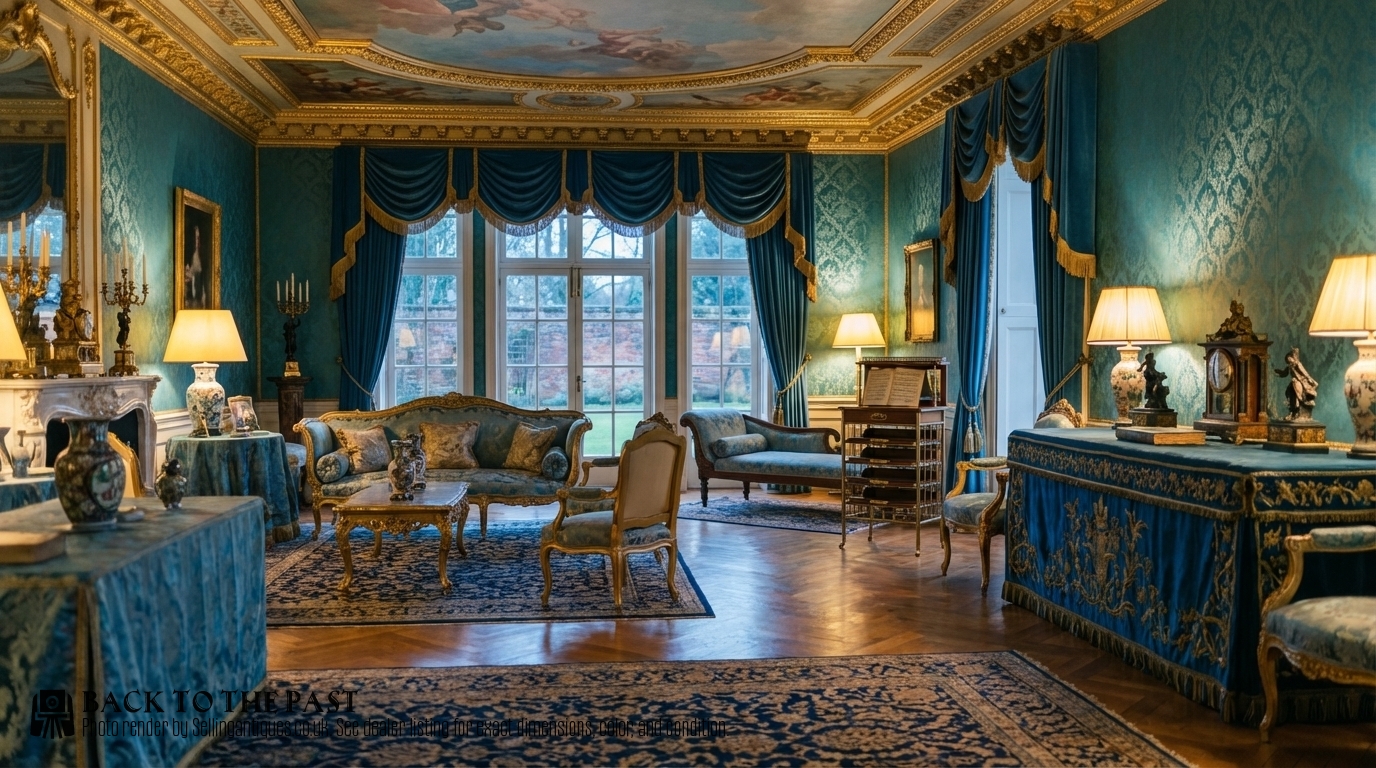
Brass Sheet Music Stand
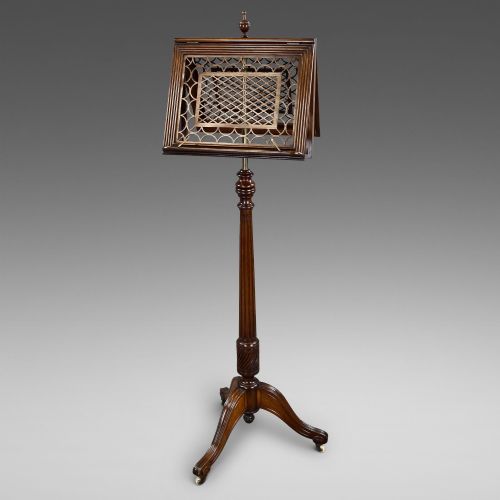
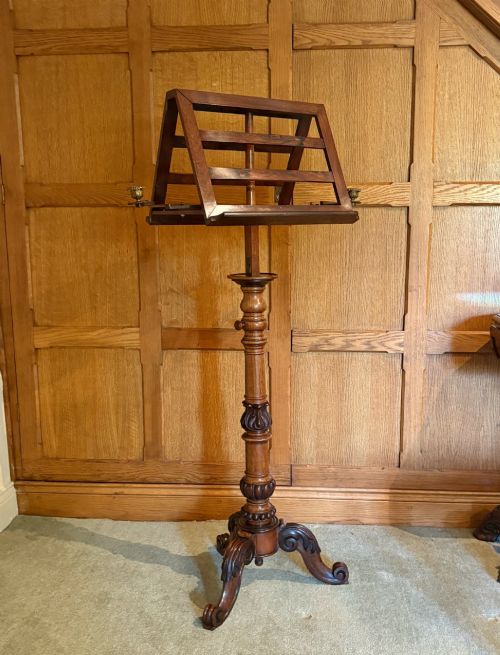
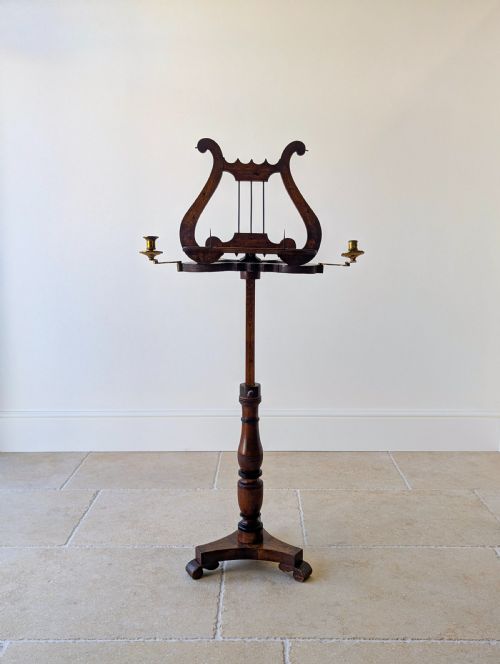
A brass sheet music stand supports scores and folios during practice and performance, drawing on forms recorded from the Regency, Victorian, and Edwardian eras. These pieces include adjustable lecterns, lyre-form music stands, and duet stands designed for two musicians.
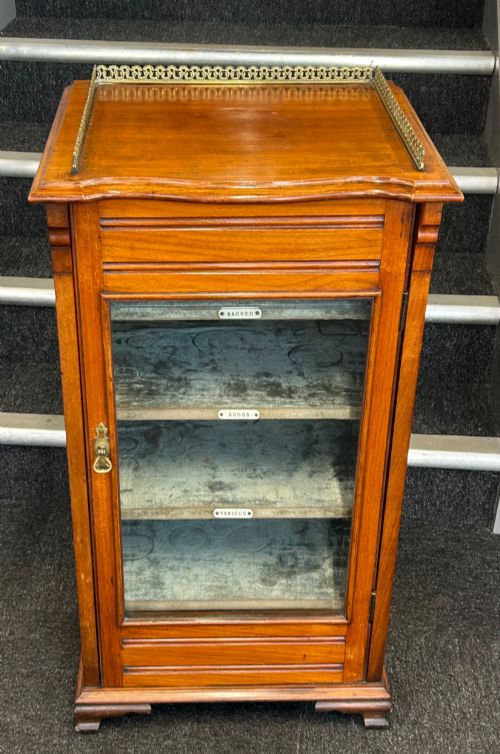
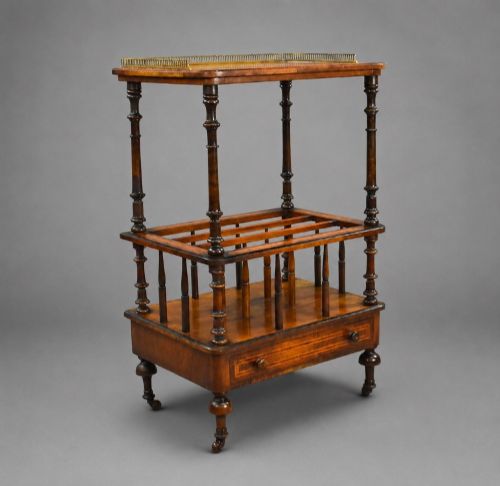
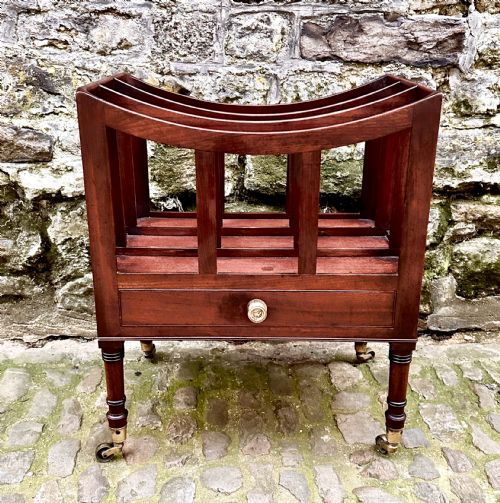
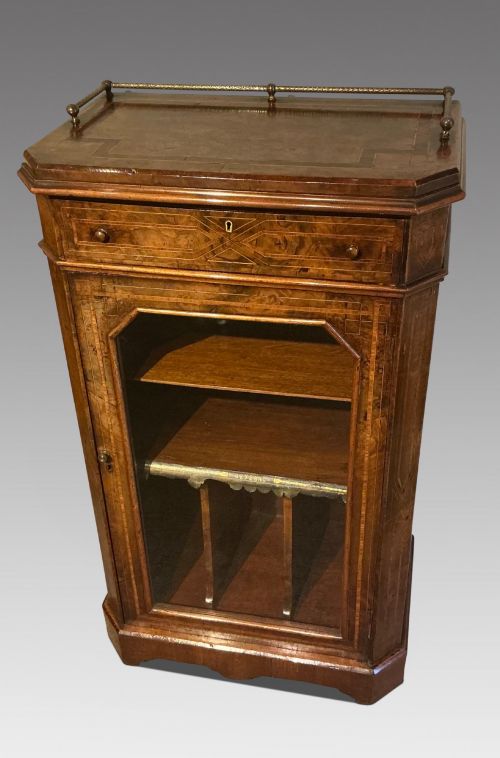
The selection also encompasses related furniture such as mahogany, walnut, burr walnut, and rosewood canuterburys, music cabinets, and occasional tables featuring brass components. Origins range across George III, Regency, William IV, Victorian, and Edwardian periods.
The version most commonly met on this page combines rich hardwoods like mahogany or walnut with adjustable brass fittings, lyre motifs, and occasionally glass or inlaid details.

How they were made
Construction relies heavily on dense timbers such as mahogany, walnut, burr walnut, rosewood, and ebonised wood, often paired with cast and turned brass fittings. Cabinetmakers shaped solid and veneered woods into music cabinets, canuterburys, and reading stands.
Adjustable mechanisms utilise brass screws, sliding stems, and ratchets to alter height and angle for the musician. Inlay, fretwork, and glass panel doors add decorative finish to cabinets and folio stands.
Some Victorian musicians relied on an indispensable patent leaf turner to flip their sheet music without touching the keys.
What varies in quality
Quality rests upon the crispness of brass casting, the smoothness of adjustable mechanisms, and the figure of the timber used, whether burr walnut, mahogany, or rosewood. Finer examples display precise inlay, robust joints, and balanced proportions.
Design complexity further separates standard pieces from exceptional ones, particularly in duet stands, lyre-form lecterns, and specialised items like patent leaf turners or marked cabinetmaker pieces.
GILLOWS DUET MUSIC STAND·Henry Ogden & Son
The Brass Sheet Music Stand Glossary
- Canterbury
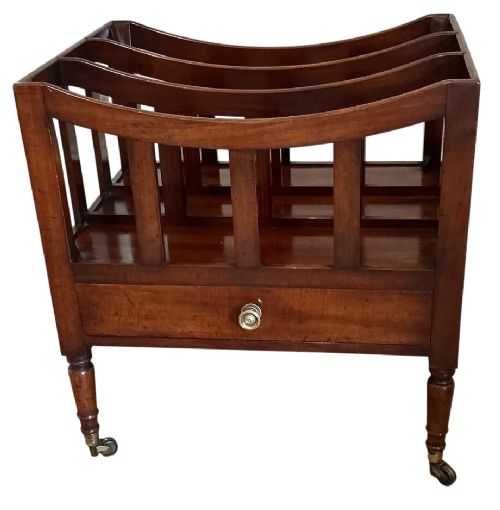
- A low stand with vertical divisions, originally designed to hold sheet music and folios. Later variations often include drawers and lower shelves.
- Lyre-form
- A decorative motif shaped like an ancient stringed instrument, frequently incorporated into the stems and rests of music stands.
- Duet stand
- A wider music stand or lectern designed to accommodate two musicians sharing a single score.
- Etagere
- An open piece of furniture consisting of a number of tiers or shelves for displaying small objects or holding books and music.
- Folio stand
- A substantial piece designed to hold large bound volumes of sheet music or artists' portfolios, often featuring folding frames.
Brass Sheet Music Stand: Frequently Asked Questions
What is a brass sheet music stand used for?
These stands hold open scores, folios, and sheet music at a comfortable viewing height for musicians playing instruments or singing. They also serve as decorative display pieces or reading desks in period interiors.
Adjustable variants allow the user to alter the angle and height of the brass rest to suit standing or seated performers. Many incorporate shelves or cabinet space beneath for storing additional music books.
How do I identify a Regency music stand?
Regency stands typically feature classical revival motifs such as lyre shapes, brass inlay, and sabre legs or trefoil bases. The timbers are commonly dark mahogany or rosewood with patinated brass fittings.
Proportions tend to be neat and architectural, reflecting the early nineteenth-century taste for ancient Greek and Roman design. Look for adjustable brass stems and screw keys characteristic of the period.
Are these stands fully adjustable?
Many of the music stands listed feature mechanical adjustment for height and reading angle, operated by brass thumbscrews or sliding rods. Some Victorian and Edwardian examples offer specialised movement for lecterns and reading desks.
It is common to find both fixed-height cabinet pieces and fully articulated stands designed for practical musical use. Each listing specifies whether the brass mechanism is adjustable.
What is a music canterbury?
A music canterbury is a low, compartmentalized stand created specifically to hold sheet music, folios, and newspapers upright. They frequently appear in mahogany, walnut, or rosewood, often mounted on castors.
Many examples combine the slatted rack with a small drawer below or tiered shelving above, serving as multi-purpose furniture for the Victorian drawing room.