
Victorian Mahogany Side Cabinet
A victorian mahogany side cabinet brings warmth and practical storage to a room, ranging from modest bedside cupboards to large display pieces.

Victorian Mahogany Side Cabinet
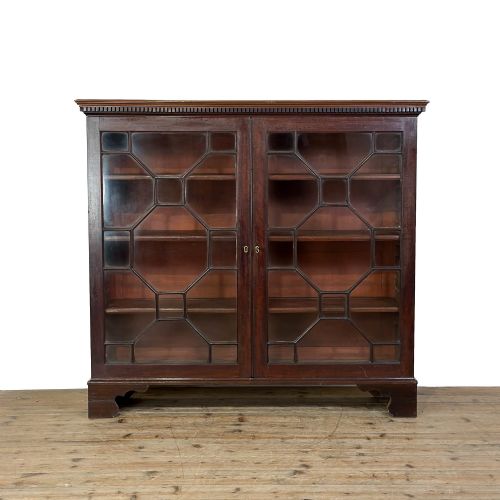
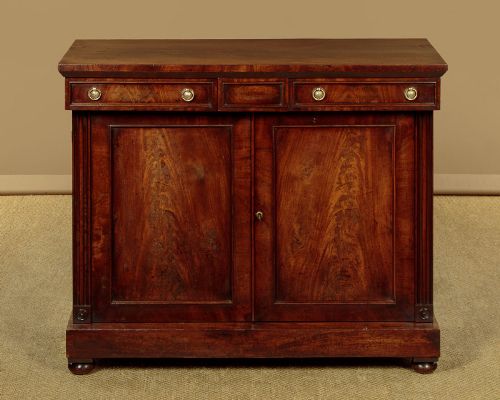
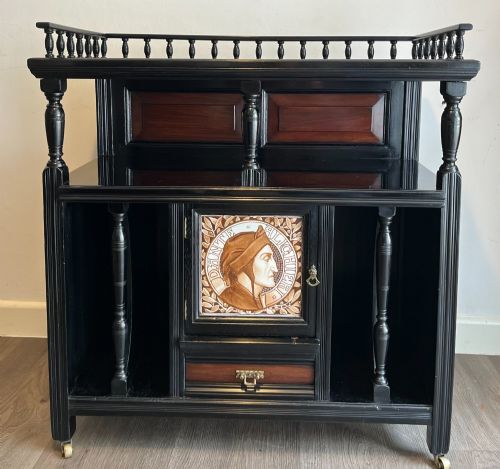
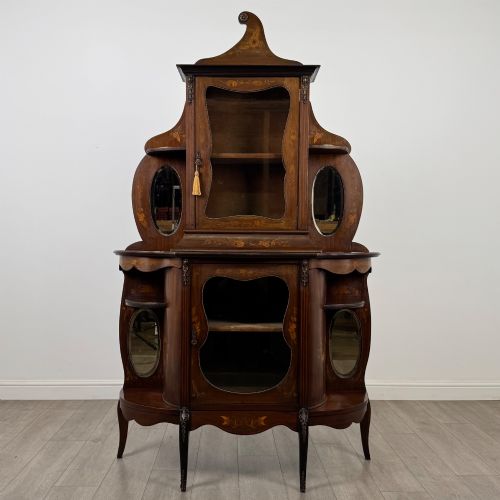
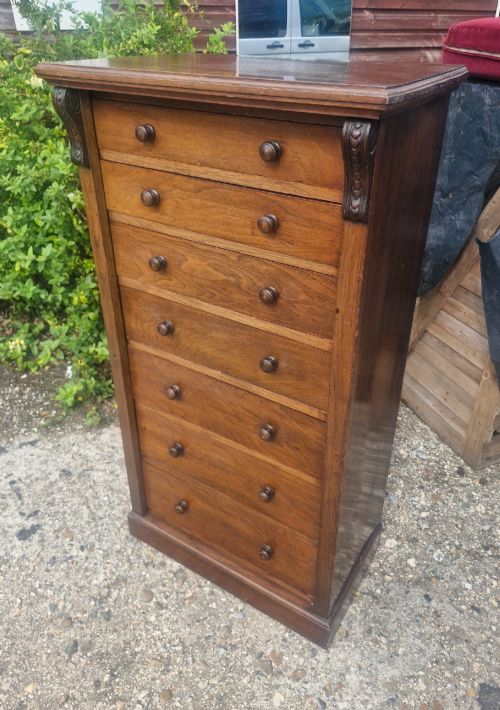
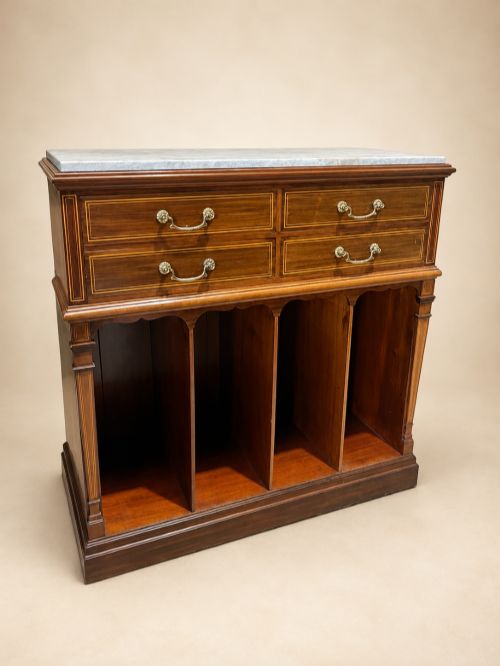
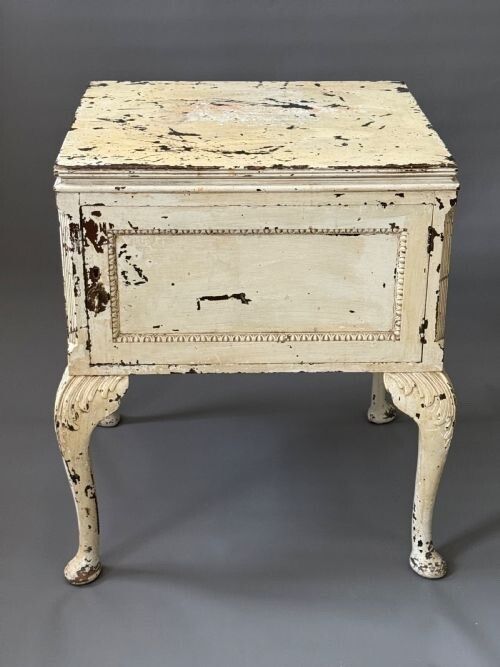
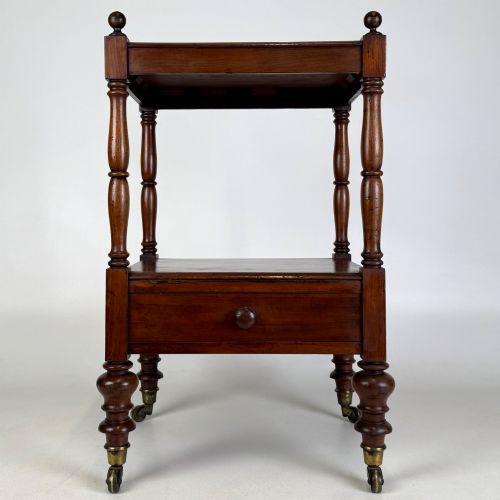
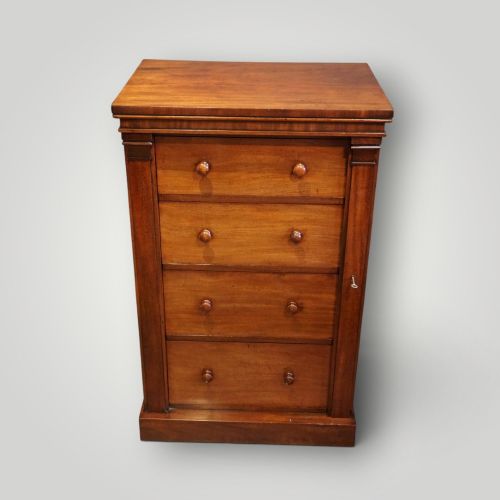
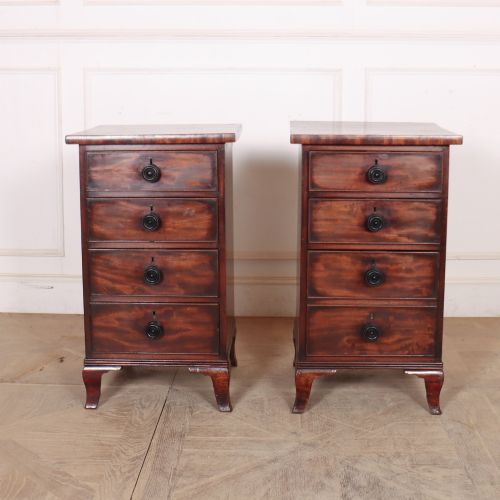
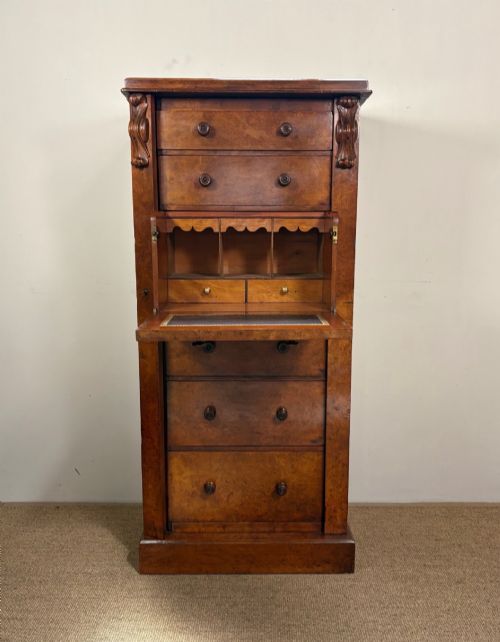
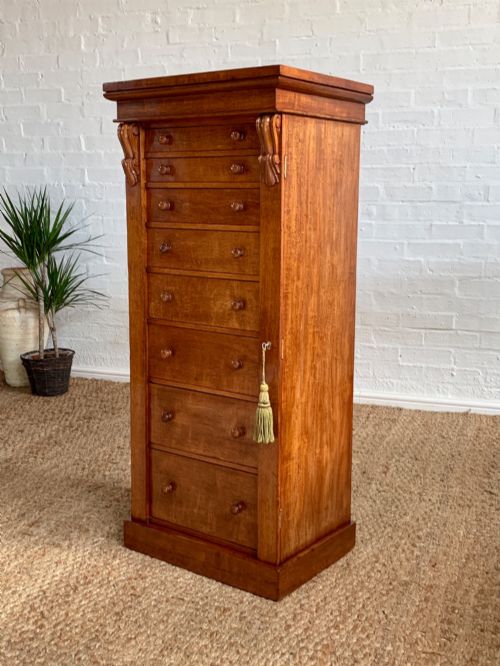
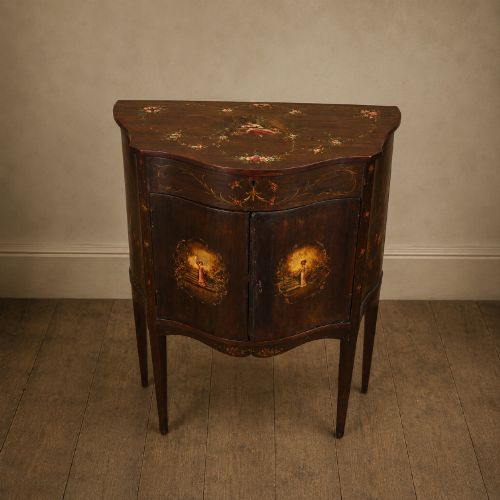
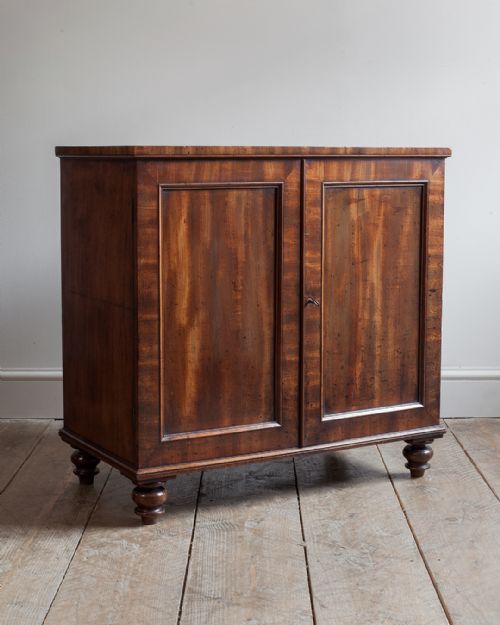
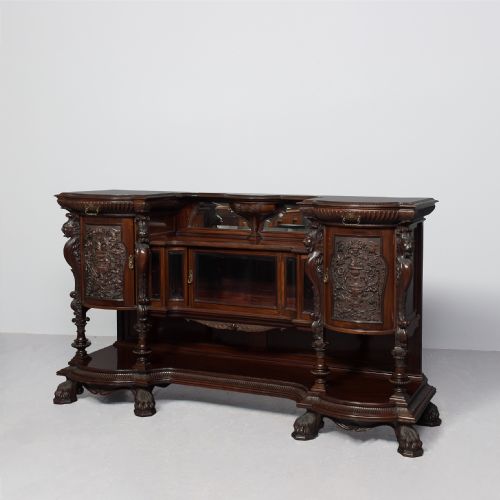
A victorian mahogany side cabinet encompasses a variety of storage furniture designed for domestic use during the nineteenth century. The selection ranges from compact bedside cupboards and Wellington chests to larger display cabinets and mirrored sideboards.
Materials and technique
Cabinet makers utilised solid mahogany and flame mahogany veneer over secondary timbers, often embellishing surfaces with marquetry inlay in satinwood or rosewood. Structural hardware incorporated brass handles, turned knobs, and occasionally ormolu mounts.
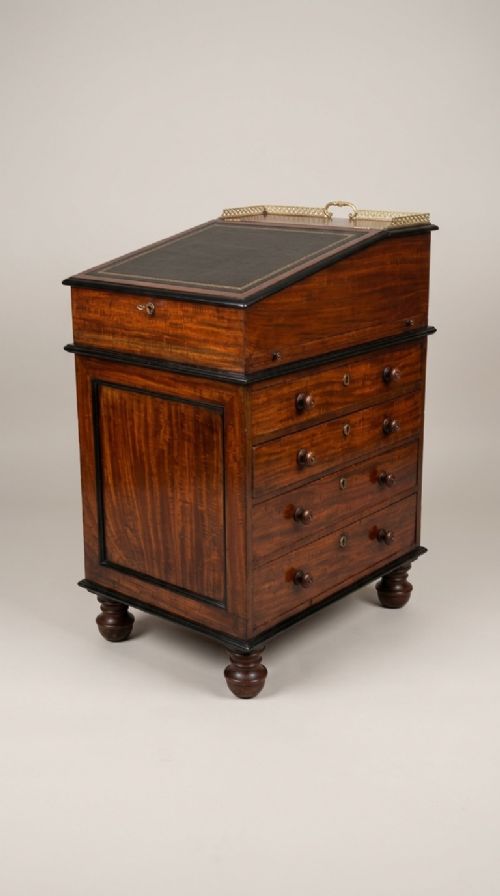
Advanced joinery techniques allowed for the construction of multi-drawer Wellington chests, bowed doors, and carved mirror-backs. Glass panes and polished marble tops completed the finish on select display and storage cabinets.
Architectural architectural drawings sometimes hid inside double-sided cabinets designed for Victorian draughtsmen.
What varies in quality
The standard of timber selection heavily influences the piece, with figured mahogany and book-matched flame veneer marking the higher tiers of craftsmanship. Finer examples display meticulous hand-carving, precise marquetry inlay, and original brass or turned wooden hardware.
Structural integrity and the retention of original components distinguish superior items from standard utility furniture. Pieces bearing maker stamps or demonstrating exceptional proportions achieve greater recognition among collectors.
Gillows·J A Mein Edinburgh·Maple and Co·Liberty and Co·Shoolbred and Co
The Victorian Mahogany Side Cabinet Glossary
- Wellington chest
- A tall, slender chest of drawers featuring a hinged locking stile on one side that secures all drawers simultaneously.
- Marquetry
- Decorative woodwork where pieces of various coloured veneers are fitted together to form intricate pictorial or geometric patterns.
- Chiffonier
- A compact sideboard or low cabinet typically fitted with shelves or enclosed cupboards beneath a raised back.
- Sheraton Revival
- A late nineteenth-century design style drawing inspiration from the light, classical furniture forms of the late eighteenth century.
- Ormolu
- Gilt bronze mounted onto furniture as a decorative decorative accent or mount during the nineteenth century.
Victorian Mahogany Side Cabinet: Frequently Asked Questions
How do I identify a genuine period cabinet?
Examine the timber grain, construction joints, and backboards to verify nineteenth-century manufacturing methods. Hand-cut dovetails and traditional fixings indicate genuine period origin.
Compare the style details against documented Victorian design movements to confirm authenticity.
What is the difference between a side cabinet and a bedside cupboard?
Side cabinets generally offer larger proportions for general living spaces, featuring multi-door storage, open shelving, or mirror-backs. Bedside cupboards are scaled down specifically for placement next to a bed.
Both forms utilise similar mahogany timbers and decorative veneers from the period.
How should I care for mahogany furniture?
Maintain a stable indoor environment away from direct sunlight and strong heat sources to prevent timber splitting. Dust regularly with a soft, dry cloth and apply natural wax sparingly.
Avoid liquid polishes containing silicone, which can damage the traditional polish finish over time.
Are these cabinets suitable for modern homes?
The compact footprint of many nineteenth-century side and bedside cabinets makes them highly adaptable for contemporary storage needs. They function effectively as bedside tables, lamp stands, or accent storage in hallways.
Their rich mahogany tones blend well with both traditional and modern interior schemes.